

Are you dreaming of fresh veggies and vibrant flowers but short on yard space? Best Small Raised Bed Kits are perfect for urban gardeners, small backyards, or patios where every inch counts. These compact kits let you grow your own produce without tilling the ground or bending over too much, making gardening accessible and fun for beginners and pros alike. In 2026, with rising interest in homegrown food, our guide to the 10 Best Small Raised Bed Kits helps you pick the right one for your setup.
We focused on kits that balance size, sturdiness, and ease for American gardeners facing varied climates. Whether you’re in a sunny suburb or a shady apartment balcony, these options elevate your soil for better drainage and healthier plants. Stick with us to find a kit that fits your September planting plans.
Top Products

Pros
- Super easy to assemble in minutes with included tools and instructions.
- Versatile divisible design maximizes small backyard or patio space.
- Sturdy fir wood construction with upgraded posts for secure multi-bed setups.
- Open bottom promotes natural drainage for healthier plant roots.
Cons
- Unfinished wood benefits from staining or sealing for longer outdoor life.
- Low 11-inch height may require kneeling, not ideal for those wanting elevated beds.
- Long 8-foot length best for straight yard edges, less flexible in tight corners.
This Yaheetech 8x2ft raised garden bed is a practical wooden planter perfect for U.S. homeowners turning patios or backyards into productive veggie patches or flower havens. At 95 inches long, 25 inches wide, and 11 inches high, it's ideal for beginner to intermediate gardeners with limited space who want organized, soil-contained planting without digging up lawns.
Key Features and Real-World Performance
The standout multifunctional design includes a removable baffle splitting it into two equal 4x2ft sections, great for mixing crops like tomatoes and basil while avoiding soil-borne pests. Open bottom allows excellent drainage, mimicking natural ground conditions for robust root development in herbs or flowers. Users love how it assembles quickly with heavy-duty screws, ready for soil in under 30 minutes.
Build Quality and Outdoor Durability
Crafted from natural fir wood, the bed features complete side panels for no-soil-leak stability and upgraded corner posts with slots on all four faces for linking beds into custom shapes. It's weather-resistant enough for outdoor use but unfinished, so apply a stain for UV protection and longevity in rainy climates.
Limitations and Final Verdict
Its ground-level height means bending to plant or harvest, and the length suits linear spots best. Overall, this is a smart, affordable choice for practical backyard gardening. Grab one if you need a versatile raised bed that grows with your green thumb.
Best Soil Mix for Success
- Mix 60% topsoil, 30% compost, and 10% perlite for optimal drainage and nutrients in this open-bottom bed.
- Avoid heavy clay; it compacts easily in wooden raised planters.
Planting Tips
Fill to 9 inches deep. In divided mode, plant tall veggies like peppers in one side, trailing herbs in the other. Space seeds 6-12 inches apart for airflow. Water deeply but infrequently to encourage strong roots.
- Top with mulch to retain moisture and suppress weeds.
- Rotate crops yearly for soil health.
Expand Your Garden Setup
- Connect two beds end-to-end for a 16ft row perfect for zucchini or beans.
- Link side-by-side with posts to form an L-shape around a patio corner.
Customization Hacks
Stain in earthy tones to match your backyard aesthetic. Add a bottom liner for fabric pots if pests are an issue. Pair with trellises on posts for vertical vining plants like peas.
Pro tip: Level the ground first for even stability on uneven lawns.
Fir Wood vs. Alternatives
- Fir (this bed): Lightweight at 23 lbs, affordable, natural look; treat annually for 5+ years outdoors.
- Cedar: More rot-resistant but pricier; better for wet climates.
- Metal: Heats soil faster but can rust without coating.
Fir offers great value for beginner raised beds, balancing cost, ease, and strength. Open design breathes better than plastic liners.

Pros
- Exceptionally sturdy construction with thickened steel and extra reinforcements
- Tool-free assembly that's straightforward for beginners
- Rustproof and durable for long-term outdoor exposure
- Excellent natural drainage promotes healthy plant roots
- Non-toxic finish safe for vegetables and herbs
Cons
- Open bottom may require landscape fabric to block weeds from below
- Metal surface can heat up in full sun, potentially stressing shallow-rooted plants
- Best for compact spaces, not ideal for large-scale farming
What Are These Raised Garden Beds and Who Are They For?
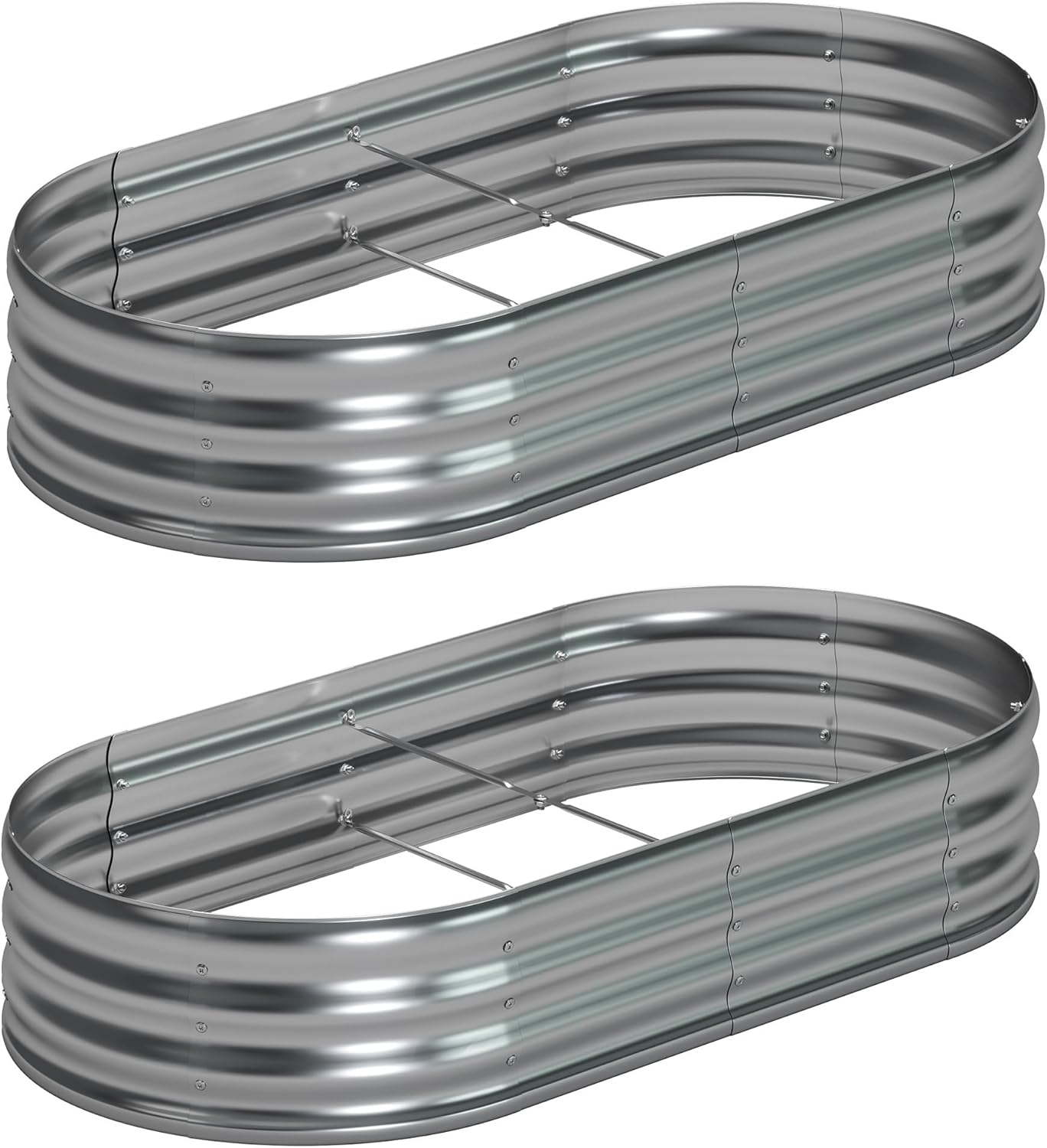
These Meberam galvanized raised garden beds come as a 2-pack, each measuring 6x3x1 feet (72x36x12 inches), perfect for U.S. homeowners with limited yard space who want to grow fresh vegetables, herbs, or flowers. They're ideal for beginners or experienced gardeners elevating their plots off the ground for easier weeding, better soil control, and back-friendly gardening.
Key Features and Real-World Performance
The thick galvanized steel with a safe baking varnish coating resists rust and holds up to daily watering and weather changes. Reinforced with horizontal rods and wavy side panels, they stay stable even when packed with soil and plants. The open bottom allows excess water to drain naturally, mimicking healthy garden beds and reducing soggy soil issues common in clay-heavy yards.
Build Quality and Outdoor Durability
Assembly is a breeze with just 30 screws and no fancy tools required, letting you set up two beds in under an hour. At 25.9 pounds total, they're manageable to position, and the professional design disperses stress points for longevity. In everyday use, they handle veggie loads like tomatoes or lettuce without warping.
Limitations and Final Verdict
While great for small to medium plots, the 1-foot height limits deep-rooted plants, and the metal may warm up quickly in hot sun. Overall, these beds deliver reliable performance for thriving backyard gardens. Recommendation: Grab them if you need quick, durable raised beds for herbs and veggies in a cozy space.
Choosing the Right Soil Mix
Fill with a blend of 60% topsoil, 30% compost, and 10% perlite or vermiculite for optimal drainage and nutrients. Avoid garden soil alone to prevent compaction.
What to Plant
- Vegetables: Lettuce, spinach, radishes, bush beans, peppers
- Herbs: Basil, cilantro, parsley, mint
- Flowers: Marigolds, zinnias for pest control and color
Planting Tips
Plant in spring after frost risk. Space seeds per packet instructions, water deeply but infrequently, and mulch to retain moisture. Rotate crops yearly for soil health.
Layout Configurations
Place the two beds side-by-side for a 12x3 foot veggie strip, or apart for herb and flower zones. Stack with bricks for added height if needed.
Companion Planting
- Pair tomatoes with basil to deter pests
- Plant carrots near onions for natural protection
- Add flowers like nasturtiums to attract pollinators
Customization
Add trellises for vining plants or hoops for row covers. Line the bottom with cardboard for initial weed suppression.
Galvanized Steel vs. Alternatives
- Vs. Wood: No rot or termites, longer lifespan (10+ years), but conducts heat more
- Vs. Plastic: More rigid and stylish, won't crack in sun, heavier duty for full soil loads
- Vs. Cedar: Cheaper upfront, rustproof coating safe for edibles, easier to clean
Best for low-maintenance gardeners prioritizing durability over insulation.

Pros
- Super easy snap-together assembly in minutes
- Exceptionally sturdy with 0.78-1.56mm thick metal panels
- Rust-proof galvanizing ensures longevity in rainy climates
- Aesthetic oval shape enhances garden visuals
- Open bottom promotes healthy root growth
Cons
- Smaller size limits large-scale planting needs
- Metal can heat up soil in intense sun, potentially stressing plants
- May require a liner for very acidic soils
What It Is and Who It's For
This Land Guard galvanized raised garden bed is a 4x2x1ft oval metal kit perfect for beginner and experienced gardeners wanting to grow vegetables, herbs, or flowers in tight spaces. Homeowners with small yards or poor soil love how it elevates planting above weeds and compacted dirt.
Key Features and Garden Performance
The Q195 galvanized steel with double anti-corrosion layers stands up to rain, sun, and frost. Its oval shape and thick panels (up to 1.56mm) handle soil weight without bulging. The open base lets roots penetrate deeper for better nutrients while preventing soggy roots—a game-changer for healthy tomatoes or lettuce.
Build Quality and Durability
Unlike thin wood or plastic beds, this metal version is built tough for reuse season after season. Assembly clicks together fast, no digging required, making it ideal for urban patios or balconies.
Limitations to Consider
Its compact size suits modest harvests, not commercial yields, and hot metal might warm soil too much in full sun—add mulch to moderate. A soil liner helps with pH balance.
Final Verdict
Grab this if you want a low-maintenance, durable raised bed that delivers fresh veggies effortlessly. It's a smart pick for thriving backyard gardens.
Best Soil Mix for Success
- Mix 60% topsoil, 30% compost, 10% perlite for drainage in this 7.14 cu ft bed.
- Avoid heavy clay; opt for loamy blends to maximize root health.
Top Plants to Grow
- Vegetables: Tomatoes, peppers, carrots—space 12-18 inches apart.
- Herbs: Basil, cilantro thrive with good airflow.
- Fill to 8 inches deep for most crops.
Tip: Test soil pH (6.0-7.0 ideal) and amend yearly for bountiful yields.
Simple Layout Tips
- Place 2-3 beds in a row for a mini farm; add paths with mulch.
- Elevate on legs for wheelchairs or poor drainage yards.
Companion Planting
- Pair tomatoes with basil to deter pests.
- Plant carrots near onions for natural pest control.
Expansion Hack: Connect multiples with brackets for custom sizes.
Why Galvanized Metal Wins
- Vs. Wood: No rot, no chemicals leaching into soil.
- Vs. Plastic: Thicker, more stable, won't crack in cold.
- Vs. Cedar: Cheaper long-term, fully recyclable.
Galvanized holds up best in humid or salty coastal areas.

Pros
- Super easy no-tool assembly with clear instructions, praised by users for speed
- Sturdy wave-shaped panels and anti-corrosion paint hold up well outdoors over multiple seasons
- Excellent drainage and ventilation keep plants healthy, as noted in vegetable gardening feedback
- Spacious for its size, perfect for patios or decks without dominating the space
Cons
- Smaller height and overall volume than some expect; plan for 6 cubic feet of soil per bed
- Braces can be tricky to attach firmly without extra tightening tools
- Lightweight construction may shift if not on level ground with heavy soil loads
What Is the GADI Raised Garden Bed and Who Is It For?
This 67-inch long galvanized metal raised garden bed from GADI is an oval-shaped planter perfect for growing vegetables, flowers, herbs, or succulents on patios, decks, balconies, or small backyards. At 10 inches tall and 20 inches deep, it's ideal for beginner to intermediate gardeners with limited yard space who want an easy way to start a productive garden without digging or building from scratch.
Key Features and Real-World Performance
The standout design includes an open bottom for natural drainage, preventing water buildup that can drown roots, and side vents for better airflow to keep soil aerated. In everyday use, gardeners report thriving veggies like tomatoes and herbs thanks to this breathable setup. The wave-patterned steel panels add rigidity, making it stable when filled, while the galvanized finish with anti-corrosion paint shrugs off rain and sun exposure.
Build Quality and Outdoor Durability
Built from heavy-duty galvanized steel, this bed feels solid yet lightweight for easy repositioning. Users love how it resists rust even after a full season outdoors, outperforming wood options that warp or rot. Assembly snaps together quickly with included hardware, though a screwdriver helps secure braces tightly.
Any Limitations?
It's not the deepest bed, so deep-rooted plants like carrots may need extra soil or pairing with another unit. Soil needs exceed some estimates, around 6 cubic feet to fill properly. Best on level ground to avoid tipping when loaded.
Final Verdict
If you're after a low-maintenance, stylish raised bed for fresh backyard produce, the GADI model delivers reliable performance and quick setup. Great for New York gardeners tackling urban plots or patios; stack two for more height if needed.
Choosing the Right Soil Mix
- Use a blend of 60% topsoil, 30% compost, and 10% perlite or vermiculite for optimal drainage in this open-bottom bed.
- Avoid heavy garden soil; it compacts and hinders root growth.
Planting Tips for Success
Fill to 1-2 inches below the top. Space veggies 8-12 inches apart along the length for tomatoes, peppers, or lettuce rows. Plant flowers or herbs in the ends for pollinator appeal.
- Vegetables: Tomatoes, bush beans, zucchini thrive here.
- Flowers: Marigolds, zinnias add color and deter pests.
- Water deeply but infrequently; vents help excess moisture escape.
Creative Setup Configurations
Place along a sunny fence for a living backdrop, or pair two end-to-end for a 10-foot veggie row. Stack for added height in shallow soil areas.
Companion Planting Layout
- Plant tall tomatoes in the center-back.
- Edge with basil and marigolds for pest control.
- Fill front with low-growers like lettuce or radishes.
Line the base with cardboard and mulch for weed suppression if on grass. Integrate into patio designs by flanking seating areas for an edible landscape.
Galvanized Metal vs. Other Options
- Vs. Wood: No rot or warping; lasts longer with less maintenance.
- Vs. Plastic: More rigid and stylish, won't crack in UV exposure.
- Vs. Cedar: Cheaper upfront, fully rust-proof without annual sealing.
Best for wet climates; metal conducts heat, so add mulch in hot summers to cool roots. Powder-coated finish resists scratches better than plain galvanization.
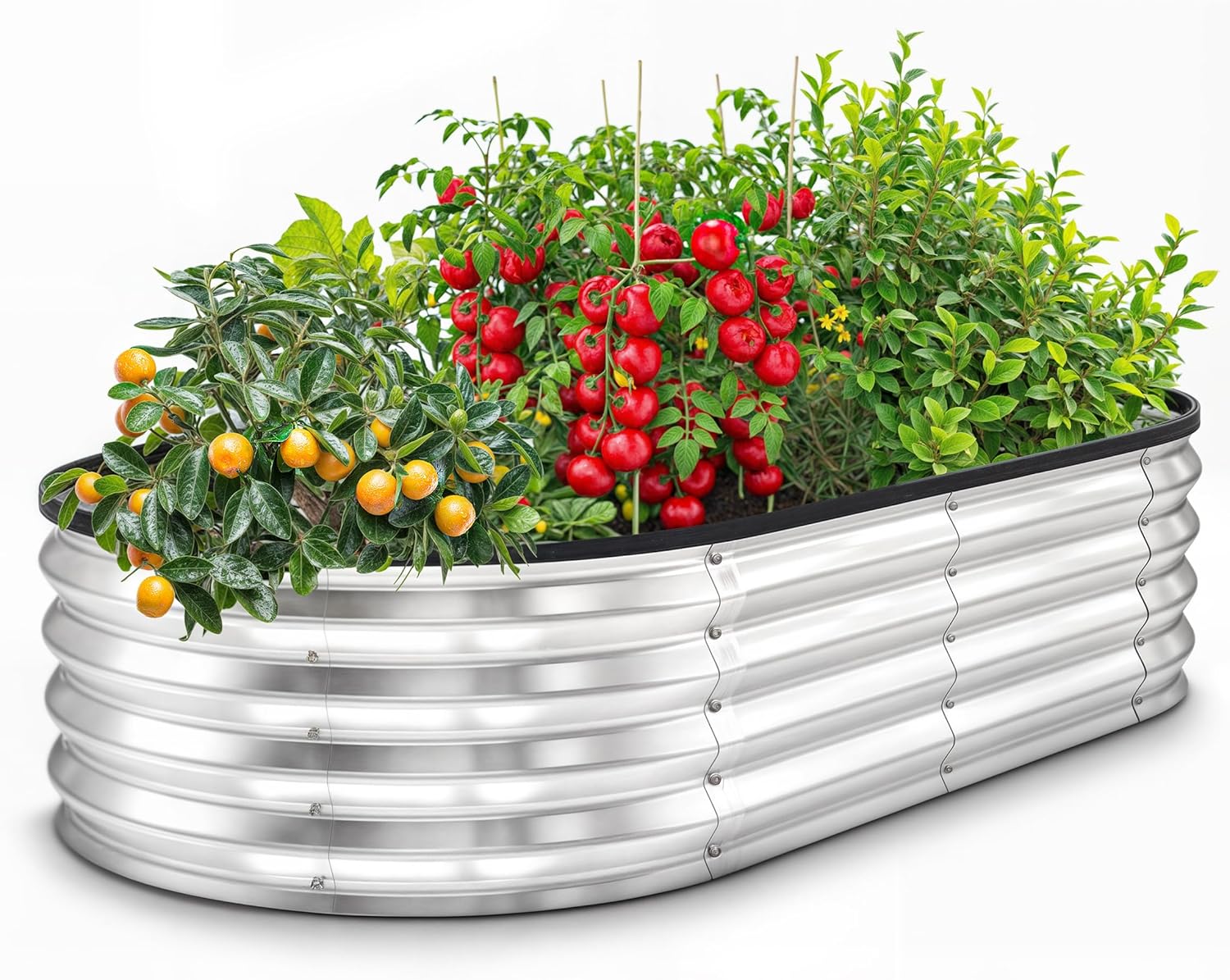
Pros
- Effortless no-tool assembly saves time for beginners
- Durable galvanized steel withstands seasons outdoors
- Open bottom improves ventilation and root expansion
- Lightweight design for portability around the yard
- Powder-coated finish enhances longevity and easy cleaning
Cons
- Compact 4x2 size limits volume for large-scale planting
- Open base may allow weeds from underlying soil without a liner
- Lightweight frame best for lighter soils, not heavy clay fills
What It Is and Who It's For
The Utopia Home Galvanized Raised Garden Bed is a 4x2x1-foot steel planter kit designed for easy outdoor gardening. It's perfect for beginner to intermediate gardeners with small yards, patios, or urban spaces who want to grow vegetables, fruits, or flowers without digging up the lawn.
Key Features and Garden Performance
Assembly takes just minutes with snap-together panels, no tools needed. The open base lets roots grow into the ground for natural nutrients, while ensuring excellent drainage to keep plants healthy. In real gardens, this means fewer waterlogged roots and bigger yields from tomatoes, herbs, or strawberries.
Build Quality and Durability
Made from lightweight galvanized steel with a powder-coated finish, it resists rust even in humid climates. At under 9 pounds, it's sturdy thanks to a middle support strip, holding up to soil weight season after season. Clean it simply with a damp cloth for lasting looks.
Limitations and Final Verdict
Its smaller size suits starter plots but may need multiples for bigger gardens; consider a fabric liner for weed control. Overall, this is a smart, low-fuss choice for reliable raised bed gardening. Grab one to elevate your backyard harvest today.
Filling Your Raised Bed
- Mix 60% topsoil, 30% compost, and 10% perlite for drainage in the 1-foot depth.
- Avoid pure garden soil to prevent compaction; aim for loose, nutrient-rich fill.
Top Plants to Grow
Vegetables: Lettuce, radishes, peppers thrive in the compact space with good airflow.
Flowers: Marigolds or zinnias add color and deter pests.
- Plant in zones: tall plants in back, bushy ones in front for sun access.
- Water deeply but infrequently to encourage strong roots.
Layout Tips for Small Yards
- Line up two beds for a 4x4 equivalent, creating paths for easy access.
- Place on grass or gravel; open base works best over loamy soil.
Expansion Projects
Stack with bricks for added height or pair with trellises for vining plants like peas. Group in L-shapes along fences to maximize sunlight and privacy screening.
Galvanized Steel vs. Others
- Vs. Wood: No rot or warping; lasts 10+ years without treatments.
- Vs. Plastic: More rigid and UV-resistant, won't crack in heat.
- Vs. Cedar: Lighter and cheaper long-term, skips annual sealing.
Best for low-maintenance gardeners wanting metal strength without heavy weight.

Pros
- Spacious 6x3ft size fits well in average backyards and supports multiple plant varieties
- Durable metal frame with reinforced poles resists bending and bursting over time
- Ventilation windows help regulate temperature for healthier plant growth
- 5-year warranty on bed provides long-term peace of mind for outdoor use
Cons
- Fixed 6x3ft dimensions may not suit very large gardens needing bigger beds
- Assembly required, which could take time for beginners without power tools
- Greenhouse cover has shorter 1-year warranty compared to the bed frame
This Quictent raised garden bed kit is a smart 3-in-1 solution: a sturdy galvanized metal planter, a dismountable mini greenhouse, or both combined. Measuring 6 x 3 x 1 feet, it's ideal for U.S. homeowners with modest backyards who want to grow vegetables, herbs, or flowers without tilling the ground. Beginner and experienced gardeners alike will appreciate how it elevates soil for better drainage and easier access.
Key Features in Real Garden Use
The standout zippered screen windows let in fresh air for ventilation while keeping out birds and insects, helping you maintain optimal conditions inside the cover. The large capacity holds about 18 cubic feet of soil, perfect for crops like tomatoes, lettuce, or basil in tight spaces. In everyday backyard scenarios, it extends your growing season by trapping warmth early spring or shielding tender plants from fall frosts.
Build Quality and Outdoor Durability
Made from extra-thick galvanized metal with stronger middle poles, this bed stands firm against weather, unlike flimsier aluminum options. The frame's design avoids weak connections that could burst under soil pressure. At around 25 pounds, it's manageable to position but stable once set up. The PVC cover adds protection, though it's best paired with the bed for maximum longevity.
Limitations and Practical Tips
Its compact size limits it to smaller plots, so scale up with multiples for bigger yields. Assembly involves connecting panels, so allocate an afternoon. Fill with quality garden soil mix for best results.
Final Verdict
A reliable choice for practical gardeners seeking an affordable, versatile raised bed. If you're starting veggies in a city backyard or protecting herbs through cooler months, this kit delivers real value and simplifies outdoor growing.
Maximize your Quictent bed's potential with the right soil and planting strategy for thriving backyard gardens.
Recommended Soil Mix
- 50% topsoil for nutrients and structure
- 30% compost for organic matter and drainage
- 20% perlite or vermiculite to prevent compaction
Avoid heavy clay; aim for loamy texture that holds moisture without waterlogging.
Planting Tips
- Space veggies 12-18 inches apart for airflow
- Start seeds indoors, transplant under the greenhouse cover
- Rotate crops yearly to maintain soil health
Water deeply but infrequently, using the cover to retain humidity.
Get inspired to expand your garden with this Quictent bed as a foundation for custom setups.
Simple Layouts
- Line up two beds for a 12ft veggie row
- Pair with trellises for vertical climbing plants like peas
- Cluster in L-shape for a mini farm corner
Enhancement Hacks
Add bottom hardware cloth to deter gophers. Integrate drip irrigation lines through the frame for efficient watering. Use the greenhouse cover in spring/fall, remove for summer sun.
Perfect for urban yards turning lawns into productive spaces.
Compare galvanized metal like the Quictent to common raised bed materials for informed choices.
Galvanized Metal vs. Others
- Vs. Wood: Won't rot or warp; lasts 10+ years without treatment
- Vs. Plastic: More rigid, holds shape under heavy soil loads
- Vs. Cedar: Cheaper long-term, no chemical leaching concerns
Thick steel (0.08 inches here) resists rust better in rainy climates. Drawback: Heavier than composites.
Best for durability-focused gardeners in varied U.S. weather.

Pros
- Easy assembly with pre-aligned holes and included gloves, even for solo gardeners.
- Sturdy metal construction feels solid once grounded, great for strawberries and veggies.
- Attractive modern look enhances garden aesthetics without looking out of place.
- Portable and lightweight enough to reposition as your garden needs change.
- Good value for durable raised beds compared to pricier brands.
Cons
- Shrink wrap on panels can be tough to remove, adding time to prep.
- Metal gauge not as thick as premium competitors, may show slight give under heavy load.
- Protective coating might fade over years of intense sun exposure.
What Are These Raised Beds and Who Are They For?
These SnugNiture round raised garden beds come as a 2-pack of 23.6-inch diameter, 17-inch tall galvanized steel planters, designed for outdoor use in backyards, patios, or balconies. They're perfect for beginner to intermediate gardeners with small yards who want dedicated spaces for veggies, herbs, fruits like strawberries, or flowers without tilling the ground.
Key Features and Real-World Performance
The galvanized steel has a rust-resistant coating for weather durability, while the open bottom lets roots access native soil and drains excess water to avoid root rot. Safety rubber edging covers sharp edges for safe handling, and wavy panels with stabilizing rods keep the structure firm when filled with soil. Gardeners report quick assembly while watching TV, with beds holding up well for strawberries and other plants.
Build Quality and Outdoor Durability
At around 19 pounds per set, they're sturdy yet movable. The metal provides good stability once partially sunk into soil, resisting deformation from pressure. Users note they compare favorably to higher-end brands in solidity and looks, though the coating's long-term color retention in harsh sun needs monitoring.
Limitations and Practical Tips
Not suited for massive plantings due to compact size; pair multiples for larger setups. Removing initial packaging film takes effort, so plan extra time. For best results, site them in full sun and fill with quality soil mix.
Final Verdict
These beds deliver reliable performance for small-space gardening, blending ease, safety, and style. Highly recommend for anyone starting a veggie patch or adding garden flair - buy if you need affordable, no-fuss raised planters.
Preparing Soil for Your Raised Beds
- Mix 60% topsoil, 30% compost, and 10% perlite or vermiculite for drainage and nutrients.
- Fill to 2-3 inches below the rim to allow mulch topping and prevent overflow.
- Test pH (aim for 6.0-7.0) and amend with lime for veggies or sulfur for blueberries.
Planting Tips for Success
Start with shallow-rooted plants like lettuce or herbs in the first season. Space strawberries 8-12 inches apart for runners. Water deeply but infrequently to encourage roots into the open base.
- Rotation: Swap crops yearly to prevent soil diseases.
- Mulch: Add 2 inches of organic mulch to retain moisture and suppress weeds.
Creative Layouts for Small Yards
- Cluster 2-4 beds in a circle for a hub-and-spoke herb garden accessible from paths.
- Line them along fences as berry borders, keeping rabbits at bay with height.
- Pair with trellises inside for vertical peas or beans, doubling growing space.
Expansion Projects
Connect multiples with boards for custom shapes, or bury edges slightly for wind resistance. Use as retaining walls for sloped yards by stacking similar heights.
Galvanized Steel vs. Other Options
- Vs. Wood: No rot or splinters; lasts longer without treatments.
- Vs. Plastic: More rigid and rodent-resistant, but heavier.
- Vs. Premium Metal: Thinner gauge but excellent value and similar stability for home use.
Best for wet climates due to rust-proofing; clean annually with mild soap to maintain coating.
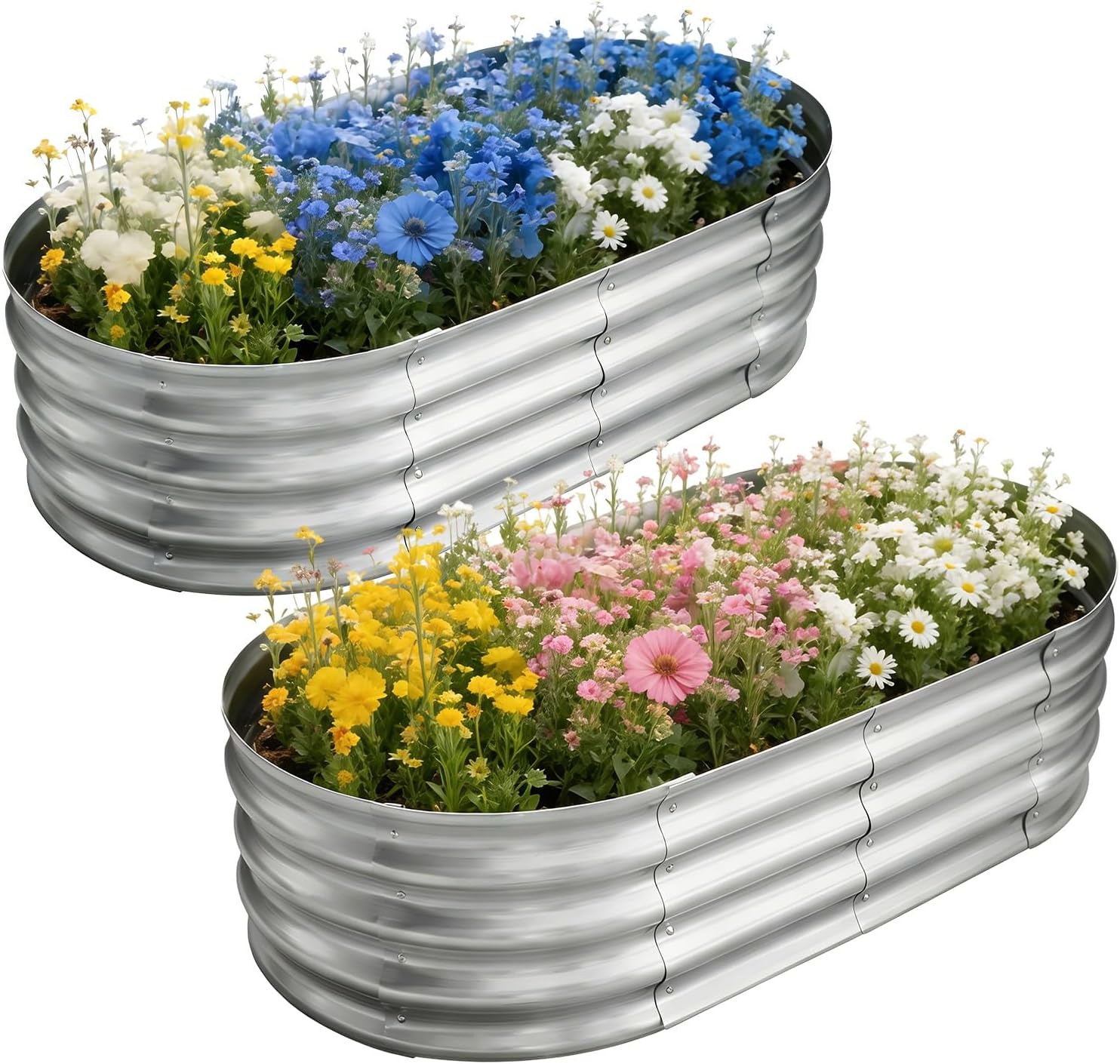
Pros
- Super-fast assembly without complex tools, great for beginners
- Durable galvanized construction holds up to weather better than wood
- Oval shape maximizes soil volume in a stylish, space-saving footprint
- Open base ensures excellent drainage for healthier plants
- Included tools make setup straightforward right out of the box
Cons
- 1-foot height limits deep-rooted plants like tomatoes without added soil depth
- Open bottom may allow weeds from below, requiring a landscape fabric liner
- Metal can heat up in full sun, potentially stressing shallow roots in hot summers
Looking for an easy way to kickstart your veggie garden or add flair to your backyard? The TATAANTY galvanized raised garden bed kit delivers two 4x2x1ft oval planters that are perfect for beginner gardeners, small-space enthusiasts, or anyone tired of bending over in-ground beds. These metal raised garden beds outdoor shine in patios, balconies, or community plots, offering a sturdy base for herbs, lettuce, flowers, and more.
Key Features and Garden Performance
Built from thick Q195 galvanized steel, these beds resist rust and dents far better than thinner models. The oval shape not only looks elegant but also provides 7.1 cubic feet of soil space total, enough for a mix of shallow and mid-depth roots. Open bottoms ensure top-notch drainage, crucial in wet areas to prevent soggy soil and root rot. In real gardens, they've proven great for quick crops like radishes or basil, with the height easing strain on knees and backs.
Build Quality and Durability
Assembly takes under 5 minutes using the included clamps, bolts, and tools - no welding or pro skills needed. At 10 pounds for the set, they're manageable yet stable once filled. The double-layer galvanized finish stands up to years of sun, rain, and frost, making them a smart pick for long-term outdoor use over flimsy plastic or rotting wood alternatives.
Limitations and Final Verdict
Keep in mind the modest height suits most veggies but may need extensions for corn or deep perennials. Also, add a weed barrier under the open base for low-maintenance growing. Overall, these are a top choice for practical raised garden beds. If you're a homeowner wanting hassle-free gardening inspiration, grab this 2-pack and watch your outdoor oasis thrive.
Fill your TATAANTY raised beds with a mix of 60% topsoil, 30% compost, and 10% perlite or vermiculite for optimal drainage and nutrients in these galvanized planters.
Best Plants for 4x2x1ft Beds
- Leafy greens like lettuce, spinach: Plant 8-10 per bed, harvest in 4-6 weeks.
- Herbs such as basil, cilantro: Space 4-6 plants for bushy growth.
- Flowers like marigolds, petunias: Edge the oval for pollinator appeal.
- Compact veggies: Radishes, carrots (shorter varieties), bush beans.
Tip: Mulch topsoil with straw to retain moisture and suppress weeds. Water deeply but infrequently to encourage strong roots through the open base.
Maximize your TATAANTY 2-pack with these simple setups for better backyard gardening.
Space-Saving Layouts
- Patio duo: Place side-by-side for a 4x4ft herb station, add trellis for vertical peas.
- Corner cluster: Angle ovals in yard corners for flowers framing a path.
- Companion planting: One bed for tomatoes and basil, the other for peppers and onions to deter pests naturally.
Enhancements
Line bottoms with cardboard and landscape fabric to block weeds. Pair with drip irrigation for hands-off watering. For winter, cover with row fabric to extend harvests.
These ideas turn basic raised garden bed kits into productive, inspiring features.
Galvanized Steel vs. Common Alternatives
- Vs. Wood: No rot or splinters; lasts 10+ years outdoors without treatments.
- Vs. Plastic: Thicker walls prevent warping; more eco-friendly and rodent-resistant.
- Vs. Cedar: Cheaper long-term, no chemical leaching into soil.
TATAANTY's Q195 steel with double galvanizing excels in durability for raised garden beds outdoor, especially in humid or salty air. Minor heat conduction is offset by soil insulation - paint exteriors black for a custom look if desired.

Pros
- Thick 0.67-1.2mm steel with multi-screw reinforcement for superior durability
- 12-inch depth ideal for a wide range of vegetables and herbs
- Rubber safety edging and no sharp corners for family-friendly use
- Easy 15-minute assembly with tools included
- Open base promotes healthy soil building from compost
Cons
- Compact 4x2 size limits yields for large-scale vegetable gardening
- Metal construction may warm soil faster in hot sun, requiring shade cloth in peak summer
- Open bottom needs landscape fabric to prevent soil loss in loose native ground
This Winpull raised garden bed kit measures 4x2x1 feet and serves as a sturdy galvanized steel planter for outdoor vegetable, flower, and herb gardens. It's best suited for beginner to intermediate gardeners with small backyards or patios who want an easy way to start raised bed gardening without breaking the bank on wood alternatives.
Key Features and Garden Performance
The 12-inch depth accommodates 7.14 cubic feet of soil, giving roots like carrots and beans plenty of room to thrive. The corrugated steel panels with multi-screw corners resist warping, while the open base lets you layer in compost for nutrient-rich soil over time. In real gardens, this setup keeps weeds at bay and improves drainage, leading to healthier plants with less maintenance.
Build Quality and Outdoor Durability
At 0.67mm thick (up to 1.2mm in spots), the powder-coated galvanized steel stands up to weather, rust, and heavy use. The oval design with thickened rubber edges eliminates sharp corners, making it safe around children and pets. Weighing just 11 pounds, it's lightweight yet stable once filled.
Limitations and Practical Tips
Its compact size works great for herbs or side salads but may not suit high-volume growers. Line the bottom with fabric if your yard soil is sandy to retain fill dirt. Assembly takes about 15 minutes with the included gloves and screwdriver.
Final Verdict: A smart pick for urban or small-space gardeners seeking a low-fuss, long-lasting raised bed. Pair it with quality soil mix for bountiful harvests all season.
Preparing Your Raised Bed Soil
- Mix 60% topsoil, 30% compost, and 10% perlite for optimal drainage and nutrients.
- Fill to 10-11 inches to allow settling; aim for pH 6.0-7.0 for most veggies.
Best Plants for 4x2 Beds
- Vegetables: Carrots, beans, lettuce, cabbage, radishes (plant in rows for efficiency).
- Herbs: Basil, parsley, cilantro thrive in the sunny, contained space.
- Flowers: Marigolds or nasturtiums to deter pests naturally.
Water deeply once established; mulch topsoil to retain moisture in dry spells.
Placement Tips
- Position in full sun (6-8 hours) on level ground; elevate on bricks if drainage is poor.
- Group two beds for a mini veggie patch with paths for easy access.
Customization Hacks
- Add trellis clips along edges for vertical peas or cucumbers to maximize space.
- Paint or stencil designs on the exterior for personalized backyard flair.
- Connect multiple kits end-to-end for larger L-shaped layouts.
Integrate with paths using gravel or pavers for a pro-looking garden zone.
Galvanized Steel vs. Others
- Vs. Wood: Won't rot or attract pests; lasts 10+ years with less upkeep.
- Vs. Plastic: More rigid and stylish, but can heat soil less extremely.
- Vs. Cedar: Cheaper long-term, fully rust-proof without annual sealing.
Best for wet climates; choose fabric liners inside for root protection if concerned about metal contact.

Pros
- Effortless setup with provided wrench, gloves, and clear hardware praised by gardeners of all ages.
- Strong wavy metal panels hold soil securely and resist deformation over time.
- Ample 1ft depth supports vegetables, fruits, and flowers with proven results in user gardens.
- Double anti-corrosion layers ensure longevity in outdoor conditions.
Cons
- Middle supports could use one more brace for extra stability on uneven ground.
- Rubber edge strips can be tricky to install firmly at first.
- 1ft height may limit very tall plants without added extensions.
This 1MORE galvanized raised garden bed measures 8 feet long by 2 feet wide and 1 foot high, making it a smart choice for U.S. homeowners with limited yard space who want to grow fresh vegetables, herbs, or flowers. It's perfect for beginners or experienced gardeners seeking an elevated planting solution that improves soil drainage and reduces back strain during tending.
Key Features and Real-World Performance
Crafted from 0.5mm thick galvanized metal with a wavy oval design, this bed offers superior strength compared to flimsier alternatives. The open bottom allows roots to access native soil, promoting vigorous growth for crops like tomatoes, strawberries, and carrots. Gardeners report thriving plants even in the first season, thanks to better aeration and warmth retention.
Build Quality and Outdoor Durability
- Rust-proof coating battles corrosion from rain or humidity effectively.
- Folded edges with durable rubber strips eliminate sharp spots for safe handling.
- Included professional tools and lightweight build simplify setup and relocation.
Users from various ages confirm it's sturdy enough for everyday use, holding up well through summers and winters.
Limitations and Final Verdict
While the base stability shines on level ground, adding a cross-brace helps on slopes. Overall, this bed delivers exceptional value for backyard gardening. We recommend it for anyone ready to harvest homegrown produce effortlessly - grab one and transform your lawn today.
Fill your 1MORE raised bed with a mix of 60% topsoil, 30% compost, and 10% perlite for optimal drainage and nutrients in vegetable gardening.
Best Plants for 8x2x1ft Beds
- Leafy greens like lettuce and spinach for quick harvests.
- Root veggies such as carrots, potatoes, and radishes that love the 1ft depth.
- Compact fruits including strawberries and bush beans.
Planting Tips
- Layer cardboard at the base to suppress weeds.
- Space plants 6-12 inches apart for airflow.
- Water deeply once established, aiming for consistent moisture.
Amend soil annually with organic matter to keep your raised garden beds productive.
Maximize your backyard with these simple setups using the 1MORE 8x2x1ft bed.
Layout Inspirations
- Line two beds end-to-end for a 16ft herb row near your kitchen.
- Cluster three in an L-shape for a family veggie patch with walking paths.
- Elevate on legs for wheelchair-accessible gardening.
Companion Planting
Pair tomatoes with basil to deter pests naturally. Add marigolds along edges for color and insect control.
Connect multiple beds with gravel paths for a polished lawn and garden look that inspires outdoor living.
Galvanized Metal vs. Wood or Plastic
- Vs. Wood: No rot or warping; lasts 10+ years without treatments.
- Vs. Plastic: Thicker, more rigid panels resist UV fading and cracking.
- Best for: All climates, especially humid or rainy areas.
This bed's double anti-corrosion galvanized steel outperforms cheaper metals, offering sustainability through reusability.
Buying Guide for Best Small Raised Bed Kits
Material Choices: Wood vs. Galvanized Metal
Selecting the right material is key for longevity in your garden. Wooden kits like the Yaheetech 8x2ft Wooden Horticulture Raised Garden Bed offer a natural look and good insulation for roots, keeping soil warmer in cooler months. However, they may need occasional treatment to resist rot. Metal options, such as the GADI 67-Inch Galvanized Raised Garden Bed or Land Guard oval beds, shine with rust-proof coatings and superior strength against weather.
For gardeners in humid areas, galvanized steel from brands like Utopia Home or Winpull prevents corrosion better than untreated wood. Check for double-layer anti-rust paint, as in the GADI model, to ensure years of use. Gardening Know How explains how metal beds handle moisture without leaching chemicals into soil.
Tip: Pair wood with liner fabric for pest control, or choose metal for low-maintenance setups. Test soil pH annually regardless, as materials can influence it over time.
Size and Capacity for Small Spaces
Small raised beds typically measure 4x2ft to 8x2ft, holding 7-18 cubic feet of soil ideal for lettuce, herbs, or carrots. The SnugNiture 2x2x1.5ft round beds fit tight corners, while longer ones like the 1MORE 8x2x1ft allow row planting. Consider your plant roots; deeper 12-inch sides, as in Winpull or Meberam kits, suit root veggies.
Calculate space: A 4x2x1ft bed like the Utopia Home kit yields enough for a family salad patch. Round designs from SnugNiture maximize edges for flowers. Penn State Extension details optimal depths for different crops to avoid overcrowding.
| Bed Size | Best For | Soil Capacity |
|---|---|---|
| 4x2x1ft | Herbs, greens | ~7 cu ft |
| 6x3x1ft | Veggies, flowers | ~18 cu ft |
| Round 2x2x1.5ft | Compact patios | ~5 cu ft each |
Ease of Assembly
Look for kits with minimal tools needed, like the Land Guard or TATAANTY oval beds that snap together in 5 minutes using clamps. Yaheetech uses screws and slots for stable, divisible setups. Included gloves and instructions, as in Winpull or Quictent, make it family-friendly.
Avoid complex builds; Meberam’s tool-free rods or 1MORE’s wrench simplify. Practice on flat ground first. Old Farmer’s Almanac shares quick assembly tips to prevent wobbles.
Pro tip: Assemble empty, then move to site. Reinforce corners for wind-prone areas.
Durability and Weather Resistance
Thicker metal (0.5-1mm), like in Quictent or 1MORE beds, withstands pressure without deforming. Oval shapes in Land Guard add strength. Wood needs upgrades like Yaheetech’s corner posts for stacking.
Rust-proof galvanizing in GADI and Utopia Home ensures outdoor longevity. University of Maryland Extension recommends thick gauges for all seasons. Test stability by shaking post-assembly.
Drainage and Open Base Design
All featured kits have open bottoms to prevent rot and let roots access ground nutrients. Vents in GADI side plates boost airflow. Fill with 50/50 topsoil-compost mix for best results.
Pair with weed fabric underneath. Better Homes & Gardens advises on drainage layers like gravel for heavy rain zones.
Monitor watering: Finger-test soil moisture daily in September heat.
Extra Features for Gardeners
Dividers in Yaheetech separate crops; Quictent’s greenhouse cover extends seasons with zip windows. Safety edges on Winpull and SnugNiture protect kids and pets.
Choose based on needs: Covers for frost, rounds for aesthetics. Oregon State Extension covers seasonal extensions.
Why You Should Trust Us
At New York Garden, we dive deep into product specs, customer insights, and gardening best practices to bring you honest reviews tailored for U.S. homeowners. Our team evaluates factors like real-world durability and ease for everyday gardeners, drawing from years of patio and lawn expertise without fluff.
We prioritize transparency, focusing on how these Best Small Raised Bed Kits perform in backyards nationwide. No paid promotions here, just practical picks to help you grow successfully in 2026.
Final Thoughts
After reviewing these 10 options, the GADI 67-Inch Galvanized Raised Garden Bed stands out as our best overall pick. Its wave-shaped steel, side vents, and quick assembly make it ideal for veggies in any yard, promoting healthy roots with open drainage.
For best value, go with the Land Guard Galvanized Raised Garden Bed Kit. The oval design and thick Q195 steel offer unmatched stability at a budget price, perfect for first-timers planting herbs or flowers without breaking the bank.
Best for small backyards or patios is the SnugNiture Raised Garden Bed duo in round shape. The 17-inch depth and safety rubber edges suit tight spaces, letting you grow compact crops safely and stylishly.
FAQs
Are Best Small Raised Bed Kits good for beginners in 2026?
Yes, most Best Small Raised Bed Kits like the Yaheetech or Utopia Home kits assemble in minutes with basic tools, elevating soil for easier weeding and harvesting. They suit novices by improving drainage and reducing back strain.
Wood or metal for Best Small Raised Bed Kits?
Metal like GADI or Quictent lasts longer in wet climates with rust resistance, while wood from Yaheetech blends naturally. Choose metal for low upkeep, wood for aesthetics. NRCS USDA notes metal’s edge in erosion control.
How much soil for small raised beds?
A 4x2x1ft bed needs about 7 cubic feet; mix topsoil, compost, and amendments. Deeper kits like Winpull hold more for roots. Fill gradually to settle.
Can I stack Best Small Raised Bed Kits?
Yes, Yaheetech’s upgraded posts allow flexible stacking. Check slot designs for secure fits, great for vertical gardening in small areas.
Do Best Small Raised Bed Kits need liners?
Not always, but landscape fabric prevents weeds. Open bases aid drainage, but liners protect wood from soil contact. Consult local extensions for your climate.



Write Your Review
No reviews yet. Be the first to share your experience!