

Are you ready to transform your backyard, patio, or even balcony into a thriving garden oasis? Best Raised Bed Kits offer a smart solution for gardeners who want healthier plants, easier access, and better control over soil quality without the backbreaking labor of traditional digging. Whether you’re growing juicy tomatoes, fragrant herbs, or colorful flowers, these kits simplify setup and maximize your growing space, especially in 2026 when home gardening is more popular than ever.
In this guide, we’ve curated 10 standout Best Raised Bed Kits that balance durability, ease of use, and garden-friendly features. You’ll find options perfect for beginners or seasoned growers looking to expand their setup. Let’s dive into what makes these kits a game-changer for your outdoor space this September.
Top Products

Pros
- Ergonomic 30-inch height makes gardening accessible and strain-free for all ages
- Weatherproof HIPS construction outperforms wood or metal in longevity and low maintenance
- Multiple drainage holes ensure aerated soil and thriving plants
- Heavy-duty reinforcement handles deep soil loads securely
- Quick, tool-free assembly saves time and effort
Cons
- Fixed rectangular size may overwhelm very small balconies or require checking space fit
- Black color can absorb heat in full sun, potentially warming soil more than lighter options
- 54-pound assembled weight makes it less portable once filled with soil
What It Is and Who It's For
This YEFU raised garden bed is a spacious 72x24x30-inch elevated planter made from pure HIPS plastic, complete with sturdy legs for floor-standing use on patios, balconies, or backyards. It's tailored for homeowners wanting to grow herbs, vegetables, or flowers without the hassle of traditional in-ground beds. Beginners, seniors, and gardeners with mobility issues will love the waist-high design that lets you work standing up.
Key Features and Garden Performance
The ergonomic height ends bending and kneeling, turning gardening into a comfortable routine. Multiple bottom drainage holes keep soil aerated and prevent root rot, boosting yields for tomatoes, carrots, or basil. HIPS material offers UV protection and thermal insulation, stabilizing soil temps for better root growth in sun or shade.
Build Quality and Durability
Reinforced panels and cross-beams support up to 770 pounds, handling wet soil and heavy plants without deformation. It's frost-resistant, fade-proof, and weather-tough, outlasting wood that rots or metal that rusts. Assembly is a breeze with pre-drilled holes and included hardware, done solo in 30 minutes.
Limitations and Final Verdict
Its large footprint suits medium spaces but might crowd tiny decks, and the dark finish could heat up in intense sun. Overall, this is a smart pick for elevated, low-maintenance gardening. If you want effortless, back-friendly planting, add it to your backyard setup for thriving outdoor spaces.
Choosing the Right Soil
- Use a well-draining potting mix with compost for veggies and herbs; aim for 50% garden soil, 30% compost, 20% perlite.
- Avoid heavy clay soils that compact and hinder drainage.
Planting Tips
Fill to 6-8 inches below the top for root depth. Space plants per variety: tomatoes 18 inches apart, herbs 12 inches. Water deeply but infrequently, checking drainage to prevent soggy roots. Start with seeds or transplants in spring for balcony harvests.
Crop Ideas
- Vegetables: Lettuce, peppers, strawberries.
- Herbs: Basil, mint, rosemary.
- Flowers: Marigolds, petunias for pollinators.
Placement Tips
Position in 6+ hours of sun for veggies; partial shade for herbs. Level ground first for stability on patios or lawns.
Customization Hacks
- Add trellises along the 72-inch side for climbing peas or beans.
- Install drip irrigation lines through drainage holes for hands-free watering.
- Pair with mulch topper to retain moisture and suppress weeds.
Expansion Options
Line up multiples for a row garden, or cluster for a patio veggie patch. Use as a base for cold frames in cooler months.
HIPS vs. Other Materials
- HIPS (This Bed): Lightweight, UV-stable, no rot or rust; best for low-maintenance longevity.
- Wood: Natural look but prone to warping, pests, and annual sealing.
- Metal: Sturdy yet heats up and corrodes over time.
- Fabric: Cheap and foldable but lacks durability for heavy loads.
HIPS wins for all-season outdoor use, especially in humid or variable climates, saving replacement costs long-term.

Pros
- Sturdy galvanized construction holds up through harsh winters and heavy soil loads
- Lightweight panels make solo assembly feasible despite the large size
- Ample capacity supports multiple plants, maximizing productivity in small spaces
- Quick modular setup with multiple configurations for custom garden designs
- Effective drainage boosts plant health and reduces overwatering issues
Cons
- Sharp metal edges during assembly require careful handling and glove use
- Manual may have unclear instructions, leading to minor trial-and-error
- Panels can arrive with occasional scratches from shipping
What It Is and Who It's For
This YITAHOME raised garden bed kit features a large 96x24x17-inch galvanized metal planter with a versatile 9-in-1 modular design. It's ideal for U.S. homeowners, from beginners planting their first veggies to seasoned gardeners expanding backyard plots. The 17-inch height keeps gardening comfortable, reducing strain for everyday use.
Key Features and Garden Performance
The 167-gallon capacity fits plenty of soil for tomatoes, herbs, or flowers, while the open base ensures superior drainage to prevent root rot. Users love how it assembles quickly on any flat ground, turning bare yards into thriving spaces. In real gardens, it supports healthy growth with better nutrient access and air circulation.
Build Quality and Durability
Crafted from weather-resistant galvanized steel, this bed stands tough against rain, snow, and sun. Reviewers report it looking great after a full season and winter exposure. Safety edges and rubber strips minimize cuts, though gloves are essential during setup.
Limitations and Tips
Assembly quirks like mismatched bolt sizes or vague panel labels can slow first-timers; extra bolts help. Some panels show shipping scratches, but they don't affect function. Calculate soil needs ahead to avoid overload.
Final Verdict
A solid choice for practical, productive gardening. Recommend for anyone wanting an easy, durable raised bed that delivers real results in backyard veggie patches or flower gardens.
Choosing the Right Soil Mix
- Mix 60% topsoil, 30% compost, and 10% perlite for optimal drainage and nutrients in this 167-gallon bed.
- Avoid heavy garden soil; it compacts and hinders roots.
Planting Tips for Success
Fill to 2-3 inches below the top for mulch space. Space veggies like tomatoes 18 inches apart, herbs closer at 6-12 inches. The elevated design warms soil faster in spring for earlier planting.
- Plant shallow-rooted flowers along edges, deep-rooted veggies in center.
- Water deeply but infrequently to leverage the drainage.
Fertilizing and Maintenance
Use slow-release fertilizer at planting. Rotate crops yearly to prevent soil depletion and pests.
Modular Layout Configurations
- Connect multiple kits into L-shapes for corner yards or straight lines for rows.
- Use the 9-in-1 panels for U-shapes around patios, maximizing space.
Companion Planting Inspiration
Pair this bed with trellises for vertical vining plants like peas. Position near sunny spots for herbs and greens.
Expansion Projects
Start with one bed for herbs, add more for a full veggie garden. Brace with stakes on uneven ground for stability.
Galvanized Metal vs. Wood
- Metal pros: Rust-resistant, no rot, lightweight for easy moves.
- Wood cons to metal: Prone to warping and pests over time.
Vs. Plastic or Fabric Beds
Metal offers superior strength for heavy loads and lasts seasons longer than fabric grow bags. Unlike plastic, it conducts heat to warm soil in cooler climates.
- Best for longevity in variable U.S. weather.

Pros
- Sturdy and durable galvanized steel holds up to 300 pounds of soil and plants
- Easy no-tool assembly with extras like gloves, liner, and spare screws
- Perfect standing height for older gardeners or those avoiding ground-level work
- Great drainage prevents root rot in rainy climates
- Safe design with protective pads on corners and edges
Cons
- Instructions are minimal with mostly pictures, requiring some trial and error
- Metal surfaces can get hot in direct sun, potentially burning plants or skin on contact
- Heavy and hard to move once filled with soil
What It Is and Who It's For
These DIIYIV galvanized raised garden beds come as a 2-pack of elevated planters with legs, each sized at 48x18x30 inches. They're a game-changer for U.S. homeowners wanting easy-access gardening without kneeling or bending. Perfect for beginners, seniors, or anyone with back issues, they fit patios, balconies, backyards, or even urban spaces.
Key Features and Garden Performance
The galvanized steel build offers rust resistance and strength, holding up to heavy soil loads while allowing excellent drainage through bottom creases and an included liner. Users love the spacious interior for veggies like tomatoes or herbs, with safe padded corners preventing scrapes. Assembly is straightforward with pre-drilled holes and minimal screws, often done solo in under an hour.
Build Quality and Durability
Made from thick, polished galvanized sheets with three-layer quality checks, these beds stand firm outdoors year-round. They won't leach chemicals like treated wood, making them food-safe. Reviewers call them heavy-duty compared to flimsy alternatives, though the metal heats up in full sun.
Limitations and Verdict
Basic instructions might trip up total novices, and repositioning full beds is tough. Still, for the value, they're a solid choice. Recommendation: Grab these for your first raised bed setup or patio herb garden; pair with quality soil for thriving plants and effortless outdoor living.
Choosing the Right Soil Mix
- Use a blend of 60% topsoil, 30% compost, and 10% perlite or vermiculite for optimal drainage and nutrients in these elevated beds.
- Avoid garden soil alone; it compacts and drains poorly in raised setups.
Planting Tips for Success
Fill to 24-26 inches deep for root veggies. Space plants 8-12 inches apart in the 48x18 area: try 4-6 tomato plants, rows of lettuce, or basil clusters. Water deeply but infrequently, as galvanized sides retain less heat than wood.
- Start seeds indoors then transplant for faster growth.
- Mulch topsoil to retain moisture and suppress weeds.
Placement and Layout Tips
Position in full sun for veggies (6-8 hours daily) or partial shade for herbs. Use two beds side-by-side for a 96-inch row, or cluster on patios for symmetry.
Customization Hacks
- Add trellises to legs for vertical vining plants like peas.
- Paint or wrap sides for aesthetics if silver clashes with your yard.
- Connect multiples with brackets for larger custom plots.
Great for companion planting: pair tomatoes with basil in one bed to deter pests naturally.
Galvanized Steel vs. Other Options
- Vs. Wood: No rot, splinters, or chemical treatments; lasts 10+ years outdoors.
- Vs. Plastic: More rigid and UV-resistant, won't warp or crack.
- Vs. Cedar: Cheaper long-term, no annual sealing needed.
Best for food gardens due to non-leaching safety. Drawback: conducts heat, so shade cloth helps in hot summers.

Pros
- Quick and straightforward assembly without tools
- Attractive green finish blends naturally with lawns and gardens
- Sturdy reinforced structure holds shape well for perennials and veggies
- Safe, rounded edges with protective strips reduce injury risk
Cons
- Thinner metal may flex slightly with aggressive digging compared to heavier-duty options
- Some users report missing parts, so inspect kit upon arrival
- Customer support for replacements can be challenging
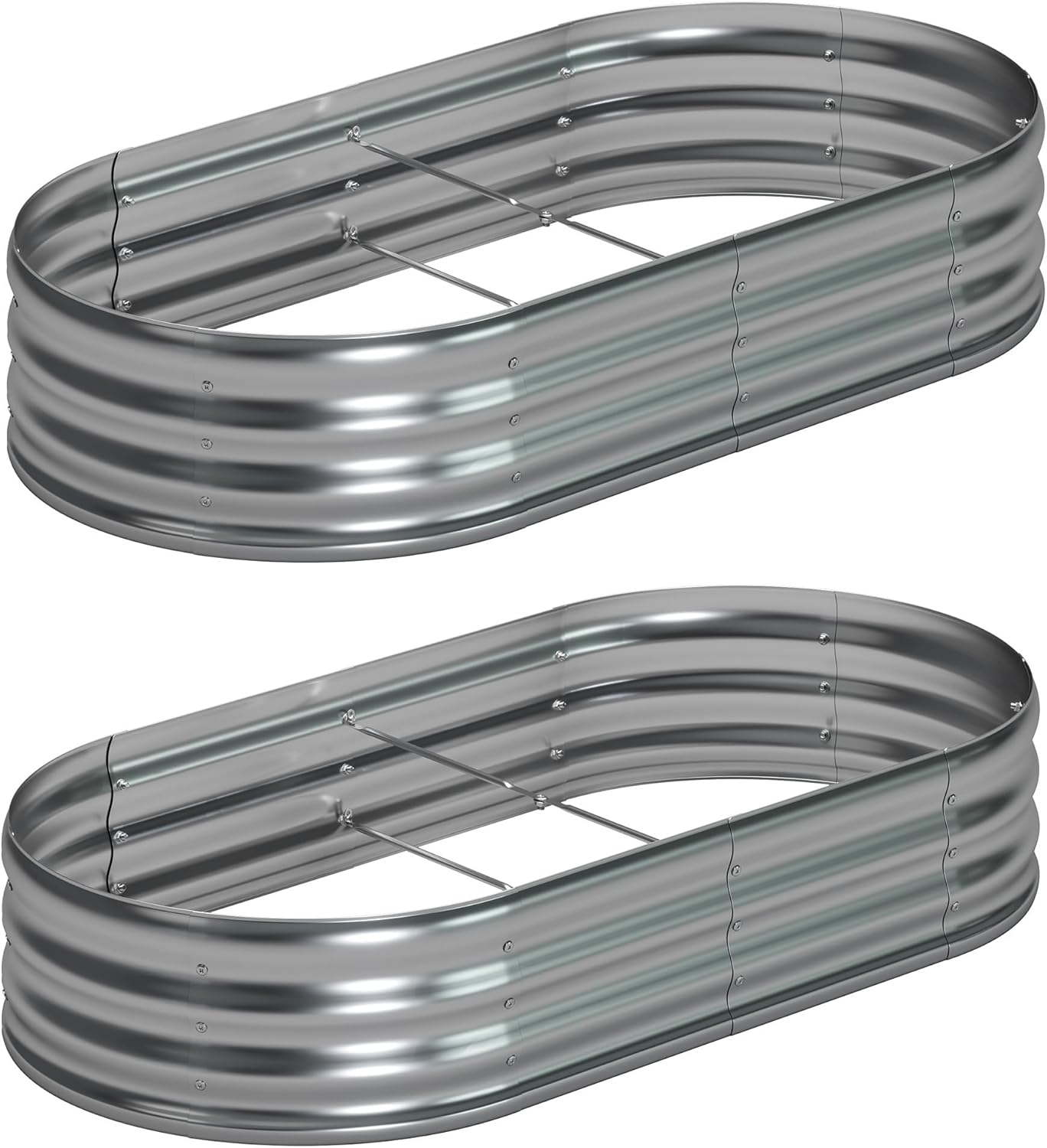
This Permade galvanized raised garden bed kit measures 6 feet long by 2 feet wide and 1.4 feet high, offering a smart solution for backyard gardeners wanting to elevate their planting game. It's perfect for beginners or those with limited space, like urban homeowners or small-lot enthusiasts, who need an easy way to grow fresh veggies, herbs, and flowers without tilling poor soil.
Key Features and Garden Performance
The thick galvanized metal with a spray coating resists rust and corrosion, standing up to outdoor weather year after year. The open bottom allows roots to access ground nutrients while promoting drainage, which is a game-changer for preventing soggy roots in rainy climates. Reinforced connecting rods and an oval design distribute weight evenly, keeping the bed stable as you fill it with soil and plants.
Build Quality and Durability
- Tool-free setup uses upgraded butterfly nuts and included instructions for fast assembly.
- Safety edges fold over sharply, paired with durable rubber strips that won't deform in sun.
- Users praise its sturdiness for perennials like blueberries, though it's not as rigid as premium thicker-metal beds.
Limitations
While great for most uses, the metal's thinner gauge might shift under heavy digging, and a few gardeners noted needing extra braces. It's best on level ground for maximum stability.
Final Verdict: A solid choice for practical, low-maintenance gardening. If you're starting a veggie patch or replacing rotting wood beds, this kit delivers value and performance for thriving outdoor spaces.
Best Soil Mix for Success
Fill your Permade raised bed with a blend of 60% topsoil, 30% compost, and 10% perlite or vermiculite for optimal drainage and nutrients. This mix supports healthy root growth without compacting over time.
What to Plant
- Vegetables: Tomatoes, lettuce, peppers, and carrots thrive in the 1.4-foot depth.
- Herbs: Basil, mint, and rosemary for easy daily harvests.
- Flowers: Marigolds or zinnias to attract pollinators and add color.
Plant in spring after frost, spacing seeds or seedlings according to packet instructions. Mulch the top to retain moisture and suppress weeds.
Expand Your Garden Setup
Place multiple 6x2 beds in a row for a custom veggie strip, or cluster them L-shaped around a patio for easy access. Add hardware cloth to the bottom to deter burrowing pests like moles.
Creative Integrations
- Pair with trellises for vining plants like peas or cucumbers.
- Position near a compost bin for quick soil amendments.
- Level uneven ground with pavers underneath for stability.
For larger yards, connect beds end-to-end and paint-match for a seamless look that boosts curb appeal.
Metal vs. Other Raised Bed Materials
Galvanized Metal (like Permade): Rust-resistant, quick to assemble, and long-lasting in wet conditions, but can heat up in full sun.
- Vs. Wood: Won't rot or warp like cedar, though wood offers better insulation for roots.
- Vs. Plastic: More durable and stylish than cheap resin, without leaching chemicals.
- Vs. Concrete: Lighter and faster to install, ideal for renters or temporary setups.
Choose metal for low upkeep and modern aesthetics in everyday backyard gardening.

Pros
- Quick tool-free setup praised by users for simplicity
- Sturdy once filled with soil, providing stable support for heavy plants
- Galvanized finish resists corrosion for long-term outdoor use
- Spacious 12-foot length fits double rows without wasting yard space
- Safety pads on corners prevent injuries during use
Cons
- Thin metal panels feel wobbly before adding soil
- Sharp edges during assembly require careful handling despite included gloves
- Not heavy-duty enough for dumping wheelbarrows directly into the bed
What It Is and Who It's For
This DIIYIV kit delivers two galvanized steel raised garden beds, each 12 feet long, 4 feet wide, and 1 foot high, perfect for U.S. homeowners with narrow yards or patios wanting to grow veggies, herbs, or flowers without tilling soil. It's a top pick for beginners or space-limited gardeners seeking an easy entry into raised bed planting.
Key Features and Garden Performance
The galvanized metal won't rust or break down, ensuring safe food growing with better drainage than wood or plastic. Users love the narrow shape for easy reach across rows, and it firms up nicely once filled with mulch and soil. Plant carrots along the length or cluster herbs in sections for steady harvests all season.
Build Quality and Durability
Polished edges and corner pads make it family-friendly, while the improved screw design cuts assembly time. It's lightweight for repositioning but holds shape outdoors through rain and sun. Reviewers note it stands up well filled, though empty panels flex a bit.
Limitations and Verdict
Watch for occasional mismatched nuts and handle panels carefully pre-assembly. Overall, this kit earns high marks for value and ease, ideal for starting a thriving backyard garden. Grab it if you want reliable raised beds that boost your outdoor living without hassle.
Prepping Your Raised Bed
Fill the bottom third with mulch or compost for moisture retention and organic matter, then add a 6-inch layer of loamy garden soil mix. Aim for well-draining soil to prevent root rot in veggies like peppers or basil.
Best Plants for Success
- Vegetables: Tomatoes, lettuce, radishes thrive in the deep space.
- Herbs: Basil, cilantro, mint for easy access rows.
- Flowers: Marigolds or zinnias to attract pollinators.
Space seeds 6-12 inches apart in double rows along the 12-foot length for max yield. Water deeply weekly and mulch to cut weeding.
Custom Configurations
Use the two beds side-by-side for a 12x8-foot veggie plot, or connect ends for an L-shape around a patio. Stack with bricks for extra height if needed.
Backyard Integration Tips
- Place in full sun for 6+ hours daily.
- Pair with trellises for vining crops like beans.
- Line with landscape fabric to block weeds without blocking drainage.
Paint with rust-resistant spray for custom color, blending into farm-style or modern lawns seamlessly.
Galvanized Steel vs. Alternatives
- Vs. Wood: No rot, chemicals, or pests; lasts 10+ years longer.
- Vs. Plastic: More rigid and UV-resistant, won't crack in sun.
- Vs. Cedar: Cheaper upfront, zero maintenance for busy gardeners.
This metal option shines for edibles due to food-safe galvanization, holding up in harsh weather better than treated lumber.

Pros
- Super easy to assemble in minutes with included tools and instructions.
- Versatile divisible design maximizes small backyard or patio space.
- Sturdy fir wood construction with upgraded posts for secure multi-bed setups.
- Open bottom promotes natural drainage for healthier plant roots.
Cons
- Unfinished wood benefits from staining or sealing for longer outdoor life.
- Low 11-inch height may require kneeling, not ideal for those wanting elevated beds.
- Long 8-foot length best for straight yard edges, less flexible in tight corners.
This Yaheetech 8x2ft raised garden bed is a practical wooden planter perfect for U.S. homeowners turning patios or backyards into productive veggie patches or flower havens. At 95 inches long, 25 inches wide, and 11 inches high, it's ideal for beginner to intermediate gardeners with limited space who want organized, soil-contained planting without digging up lawns.
Key Features and Real-World Performance
The standout multifunctional design includes a removable baffle splitting it into two equal 4x2ft sections, great for mixing crops like tomatoes and basil while avoiding soil-borne pests. Open bottom allows excellent drainage, mimicking natural ground conditions for robust root development in herbs or flowers. Users love how it assembles quickly with heavy-duty screws, ready for soil in under 30 minutes.
Build Quality and Outdoor Durability
Crafted from natural fir wood, the bed features complete side panels for no-soil-leak stability and upgraded corner posts with slots on all four faces for linking beds into custom shapes. It's weather-resistant enough for outdoor use but unfinished, so apply a stain for UV protection and longevity in rainy climates.
Limitations and Final Verdict
Its ground-level height means bending to plant or harvest, and the length suits linear spots best. Overall, this is a smart, affordable choice for practical backyard gardening. Grab one if you need a versatile raised bed that grows with your green thumb.
Best Soil Mix for Success
- Mix 60% topsoil, 30% compost, and 10% perlite for optimal drainage and nutrients in this open-bottom bed.
- Avoid heavy clay; it compacts easily in wooden raised planters.
Planting Tips
Fill to 9 inches deep. In divided mode, plant tall veggies like peppers in one side, trailing herbs in the other. Space seeds 6-12 inches apart for airflow. Water deeply but infrequently to encourage strong roots.
- Top with mulch to retain moisture and suppress weeds.
- Rotate crops yearly for soil health.
Expand Your Garden Setup
- Connect two beds end-to-end for a 16ft row perfect for zucchini or beans.
- Link side-by-side with posts to form an L-shape around a patio corner.
Customization Hacks
Stain in earthy tones to match your backyard aesthetic. Add a bottom liner for fabric pots if pests are an issue. Pair with trellises on posts for vertical vining plants like peas.
Pro tip: Level the ground first for even stability on uneven lawns.
Fir Wood vs. Alternatives
- Fir (this bed): Lightweight at 23 lbs, affordable, natural look; treat annually for 5+ years outdoors.
- Cedar: More rot-resistant but pricier; better for wet climates.
- Metal: Heats soil faster but can rust without coating.
Fir offers great value for beginner raised beds, balancing cost, ease, and strength. Open design breathes better than plastic liners.

Pros
- Exceptionally sturdy construction holds heavy soil without bowing, even after heavy rain
- Easy assembly with clear instructions and extras like gloves and anti-corrosion hardware
- Back-friendly height reduces bending, perfect for comfortable extended gardening sessions
- Durable powder coating prevents rust and retains heat to boost early-season plant growth
- Spacious oval design offers ample room for mixed plantings like veggies, herbs, and flowers
Cons
- Support brackets may dent corrugated walls if over-tightened during assembly
- Large footprint best suits medium to big yards, not tiny urban spaces
- Heavier when filled, so plan for stable ground placement
What It Is and Who It's For
This ANLEOLIFE raised garden bed is an 8x4-foot oval galvanized steel kit standing 24 inches tall, designed for outdoor vegetable, flower, and herb gardens. It's perfect for U.S. homeowners wanting a low-maintenance way to grow deep-root crops in backyards, patios, or courtyards without tilling poor soil.
Key Features and Garden Performance
The bottomless structure allows roots to access natural earth layers, improving drainage and reducing compaction for healthier plants. Corrugated panels and internal braces handle wet soil loads effortlessly, while the eco-friendly powder coating resists rust in rainy climates. Gardeners love how it warms soil faster in spring, speeding up growth for tomatoes, lettuce, and more.
Build Quality and Durability
At 0.8mm thick with reinforced edges, this bed feels premium and safe, with curled corners preventing cuts. Dacromet hardware outlasts standard bolts outdoors. Users report no warping after seasons of use, though careful bracket installation avoids minor dents.
Limitations and Verdict
Its size demands space, and assembly needs a steady hand on bolts. Overall, this is a top pick for sturdy, stylish raised bed gardening. Set it up on level ground, fill with quality soil, and enjoy bountiful harvests with less back strain.
Preparing Your Raised Bed
Fill with a mix of 60% topsoil, 30% compost, and 10% perlite for optimal drainage and nutrients. Avoid pure garden soil to prevent compaction.
Planting Tips
- Deep roots like carrots or potatoes thrive at 24 inches; shallow herbs need less fill.
- Space veggies 12-18 inches apart in the 8x4 oval for airflow and easy reach.
- Mulch topsoil to retain moisture and suppress weeds.
Water deeply but infrequently; the metal conducts heat for even warming.
Creative Backyard Setups
Pair two ovals for a pathway garden or cluster with rectangular beds for zoned planting: veggies in one, flowers in another.
Enhancement Ideas
- Add trellises along sides for vining plants like beans.
- Line with landscape fabric if pests are an issue, though bottomless design works best bare.
- Paint or stencil for custom looks while protecting the coating.
Ideal for sloped yards; level with gravel base for stability.
Galvanized Steel vs. Wood or Plastic
- Steel Pros: Lasts decades without rot; rodent-proof; modern aesthetic.
- Vs. Wood: No annual sealing needed; holds shape better under soil weight.
- Vs. Plastic: Thicker, sturdier; better heat retention for growth.
Quartz grey finish hides dirt and complements any landscape. Eco-powder coating ensures longevity without chemicals leaching into soil.

Pros
- Massive capacity supports diverse plantings like tomatoes, lettuce, and perennials
- Anti-bend design promotes comfortable gardening for all ages and abilities
- Kit comes with essential accessories to simplify assembly and installation
- Durable galvanized steel ensures long-term performance in harsh weather
- Rectangular shape fits neatly into standard garden layouts
Cons
- Large 8x4-foot size may overwhelm very small yards or patios
- Metal can heat up in direct sun, potentially stressing plant roots in hot climates
- Assembly required, though straightforward with included parts
This YITAHOME galvanized raised garden bed kit measures 8x4x2 feet, offering a sturdy metal planter perfect for U.S. homeowners wanting to elevate their vegetable or flower gardening. It's ideal for beginner to experienced gardeners in backyards with enough space, providing ample room for crops without tilling the ground.
Key Features and Garden Performance
The 479-gallon soil capacity means you can plant rows of tomatoes, peppers, or colorful blooms. The 24-inch height reduces kneeling, making tasks like harvesting easier on your body. Galvanized steel with weather-resistant finish handles outdoor elements well, from New York rains to southern heat.
Build Quality and Durability
At 32.6 pounds, it's lightweight enough to position but solid once assembled with support rods and ground nails. Safety rubber protects surfaces and plants from sharp edges. Expect reliable performance over multiple seasons with minimal upkeep.
Limitations and Verdict
Its size suits medium yards best; smaller spaces might need a compact alternative. For thriving gardens, pair with quality soil and mulch. We recommend this kit for anyone serious about raised bed gardening—it delivers space, comfort, and durability for better outdoor living.
Fill your YITAHOME raised bed with a mix of 60% topsoil, 30% compost, and 10% perlite for optimal drainage and nutrients.
Planting Tips
- Vegetables: Space tomatoes 18-24 inches apart; plant lettuce in cool seasons for quick harvests.
- Flowers: Mix marigolds with veggies to deter pests naturally.
- Depth: 24 inches allows deep roots for carrots or potatoes.
Water deeply but infrequently; mulch to retain moisture and suppress weeds.
Integrate this 8x4 bed into your backyard layout for maximum impact.
Layout Inspiration
- Place against a fence for trellising vining plants like beans or cucumbers.
- Group two kits side-by-side for a larger veggie patch.
- Add paths with gravel or pavers for easy access.
Customization
Drill holes for drainage if needed; paint edges for style. Companion plant basil near tomatoes for natural pest control.
Galvanized Metal vs. Others
- Vs. Wood: Won't rot or warp; lasts longer without treatments.
- Vs. Plastic: More rigid and stylish; better heat dissipation with proper soil.
- Vs. Cedar: Lower cost, no splintering, rodent-resistant.
Best for low-maintenance gardeners prioritizing durability in varied climates.

Pros
- Sturdy once filled with soil, holds shape well even after rain and wind
- Easy solo assembly with included tools and minimal screws
- Rolled edges and caps minimize sharp spots for safe use
- Great value for long beds that fit narrow spaces perfectly
- Black finish reduces glare compared to silver options
Cons
- Requires a large amount of soil or fill material to complete
- Panels can arrive slightly bent but straighten easily with minor effort
- Some overlapped corners may need extra trim for full protection
The Zunatu 10x2x1 ft Galvanized Raised Garden Bed comes as a 2-pack of sleek black metal planters, each measuring 120 inches long, 24 inches wide, and 12 inches high. These rectangular raised beds suit homeowners with patios, yards, or limited garden space who want to grow vegetables, flowers, succulents, or herbs without tilling the ground. They're especially great for beginners building their first veggie patch or experienced gardeners adding dedicated beds for companion planting.
Key Features and Real-World Performance
Galvanized steel construction resists rust and holds up outdoors for years, even in humid climates. The open bottom design allows excellent drainage, preventing root rot while letting you place beds anywhere from grass to gravel. Users love filling the base with sticks or branches hugelkultur-style to save on soil, retain moisture, and deter burrowing pests like rabbits. Quick setup takes just minutes with fewer screws and an included Allen wrench, though tightening bolts extra with pliers adds stability.
Build Quality and Durability
At 1-foot tall, these beds make kneeling or bending unnecessary, easing strain on your back during daily tasks. The folded top rim and four plastic caps per bed protect against sharp edges, making them family-friendly. Once soil-filled, they stay rigid without bowing. Black coloring cuts down on reflective glare in sunny spots, though new beds may shine a bit until weathered.
Limitations and Practical Tips
These beds demand significant fill material, so plan for layers of organic matter under topsoil. Minor panel bends upon arrival are common but fixable by hand. Not suited for very deep-rooted plants without added depth.
Final Verdict: A smart choice for practical, low-maintenance gardening. Grab these if you need durable, expandable raised beds that boost yields in small spaces. Pair with quality soil for thriving plants all season.
Filling Your Raised Beds
- Start with a hugelkultur base: Layer sticks, branches, and wood chips for drainage, moisture retention, and slow nutrient release.
- Add compost-rich topsoil to within 2 inches of the top, leaving room for mulch.
- Aim for a mix of 60% topsoil, 30% compost, 10% perlite or vermiculite for veggies.
Planting Ideas
Space shallow-rooted crops like lettuce, herbs, radishes, or flowers in rows. Use the 10-foot length for succession planting: Sow salad greens every two weeks. Companion plant tomatoes with basil to deter pests naturally. Water deeply but infrequently to encourage strong roots.
Creative Layouts
- Line up multiple 10-foot beds for a long veggie runway along a fence.
- Sandwich wire mesh or trellises between beds for vining plants like beans or cucumbers to climb.
- Cluster two packs into L-shapes for corner patios, maximizing sun exposure.
Expansion Tips
Connect beds end-to-end for custom lengths up to 20 feet. Add corner caps or edge trim to overlapped seams for a polished look. Position in full sun for best veggie yields, or partial shade for succulents.
Galvanized Steel vs. Others
- Vs. Wood: No rot or warping; lasts 10+ years without treatments.
- Vs. Plastic: More rigid and pest-resistant; holds soil weight better.
- Vs. Cedar: Cheaper long-term, no chemical leaching worries.
Galvanized metal conducts heat, so mulch heavily in hot summers to protect roots. Black finish absorbs less heat than unpainted steel.

Pros
- Exceptionally sturdy with internal supports and thick steel panels that hold up well outdoors
- Smooth edges and rubber trim make it safe and easy to work around
- Excellent drainage promotes thriving plants like potatoes and pumpkins
- Lightweight despite durability, allowing easy repositioning in the yard
- Versatile for veggies, flowers, or herbs with ample space per bed
Cons
- Large 8x4ft size may overwhelm small yards or beginners with limited space
- Assembly is tedious and benefits from power tools and a second person
- Heavy when fully packed, requiring help to move unpacked components indoors
These Garvee 2-pack galvanized raised garden beds measure 8x4x2 feet each, offering a total of two spacious rectangular planters perfect for U.S. homeowners turning backyards into productive veggie patches or flower havens. Ideal for beginner to intermediate gardeners who want elevated beds without the hassle of wood rot or soil compaction issues in traditional in-ground planting.
Key Features and Real-World Performance
Built from weather-resistant galvanized steel with 0.6mm thick plates and internal supports, these beds deliver deeper 24-inch sides for robust root development. The open-bottom design allows roots to access native soil while providing top-notch drainage, which gardeners praise for keeping soil aerated and waterlogged-free during heavy rains. Users report success with potatoes, sweet potatoes, pumpkins, and annual flowers, noting how the sturdy frame supports heavy soil loads without wobbling.
Build Quality and Outdoor Durability
The rust-proof coating and painted beige finish hold up against sun, rain, and frost, with smooth surfaces that resist scratches and simplify cleaning. Assembly takes about 1.5 to 2 hours per bed using the included tools, though a power drill speeds things up significantly. Reviewers highlight the metal gauge as surprisingly thick, ensuring these last years in everyday backyard use.
Limitations and Practical Tips
At this size, they're not suited for tiny urban lots, and the weight demands careful handling during setup. For best results, level the ground first and fill with a mix of topsoil and compost.
Final Verdict: A smart choice for gardeners craving reliable, low-maintenance raised beds that boost yields and ease gardening chores. Grab these if you have the space for serious planting.
Preparing Your Raised Beds
- Fill to 18-20 inches with a blend of 60% topsoil, 30% compost, and 10% perlite for drainage.
- Avoid pure garden soil to prevent compaction; opt for loamy mixes that retain moisture without sogginess.
Best Plants for 8x4 Beds
Space tomatoes, peppers, or lettuce in rows with 12-18 inch gaps. Companion plant basil near tomatoes for pest control. For flowers, mix zinnias and marigolds to attract pollinators while edging with herbs.
- Plant in spring after frost; mulch to retain moisture in summer heat.
- Water deeply at the base, aiming for 1 inch per week.
Layout Inspiration
Position the two beds side-by-side for a 16x4ft veggie alley, or space them for pathways. Add trellises on ends for vertical climbing beans or peas to maximize space.
Customization Tips
- Line bottoms with cardboard to suppress weeds initially.
- Attach hoops for season extension row covers against pests or early frosts.
- Paint edges in contrasting colors for a custom look that matches your patio.
Integrate with lawn by bordering with gravel paths for easy wheelbarrow access.
Galvanized Steel vs. Alternatives
- Vs. Wood: No rot or warping; lasts 10+ years outdoors without treatments.
- Vs. Plastic: Far sturdier for heavy soils, resists UV cracking better.
- Vs. Cedar: Lower maintenance, no splinters, and more affordable long-term.
Galvanized wins for durability in wet climates, though wood offers a natural aesthetic if you prefer replaceable beds every 5 years.
Buying Guide for Best Raised Bed Kits
Material Options
Choosing the right material is crucial for Best Raised Bed Kits, as it affects longevity, safety for edibles, and maintenance needs. Wood options like the Yaheetech 8×2ft Wooden Horticulture Raised Garden Bed bring a natural look and are often treated for outdoor use, but they may need occasional sealing to prevent rot. Metal galvanized beds, such as the AAnleolife 8x4x2ft Galvanized Raised Garden Bed Kit, resist rust and pests better, making them ideal for wet climates.
For gardeners, consider food safety: untreated wood can leach chemicals, while galvanized steel is generally safe once cured. Check out the University of Minnesota Extension guide on raised beds and food safety for tips on selecting non-toxic materials. Plastic or composite alternatives offer low maintenance but may not last as long in intense sun.
Real-world tip: If you’re in a humid area, prioritize galvanized metal like the DIIYIV 12x4x1FT Galvanized Raised Garden Bed for its corrosion resistance, ensuring years of reliable use without constant upkeep.
Size and Capacity
Best Raised Bed Kits come in various dimensions to fit any space, from compact 6x2ft models for balconies to expansive 8x4ft ones for lawns. Larger kits like the AAnleolife hold massive volumes of soil, perfect for deep-rooted veggies, while smaller ones suit herbs or flowers without overwhelming small patios.
Think about your planting goals: a 478-gallon capacity bed allows for extensive veggie gardens, but calculate soil needs first. The Gardening Know How article on raised bed soil amounts helps you estimate fill accurately. Aim for at least 12 inches deep for most plants, deeper for potatoes or carrots.
Pro gardener advice: Modular designs, like the Yaheetech with removable baffles, let you start small and expand, adapting to your yard’s evolution over seasons.
| Size Type | Best For | Example Capacity |
|---|---|---|
| Small (6x2ft) | Balconies, herbs | Compact soil volume |
| Medium (8x2ft) | Patios, veggies | Balanced space |
| Large (8x4ft) | Lawns, deep roots | Up to 478 gallons |
Ease of Assembly
Look for Best Raised Bed Kits that assemble without fancy tools, like the Yaheetech model which snaps together in minutes using screws and slots. Many include gloves and instructions, such as the AAnleolife with its rounded edges for safety.
No-drill options save time, but check for pre-drilled holes. The Penn State Extension on building raised beds offers DIY parallels that highlight why pre-fab kits shine for busy gardeners. Test stability post-assembly by filling gradually.
Tip: Assemble on grass first to level it, then move to site. Kits like DIIYIV’s two-pack arrive ready for quick stacking or side-by-side setups.
Height and Ergonomics
Elevated designs reduce bending, with legs on models like the 48×18×30in Galvanized Raised Garden Bed making weeding knee-friendly. Standard 12-24 inch heights suit most, but 30-inch ones prevent stooping entirely.
Wheelchair-accessible heights around 24-30 inches are a bonus. Refer to the Better Homes & Gardens guide to starting raised beds for ergonomic setup ideas. Pair with paths for easy access.
Gardener hack: Adjustable corner posts, as in Yaheetech, allow height tweaks for comfort as you age or change needs.
Durability and Weather Resistance
Galvanized steel in kits like the 10x2x1 ft (2 Pack) withstands rain, sun, and frost better than wood. Powder-coated finishes add UV protection, crucial for long-term outdoor use.
Wood needs annual checks, but metal lasts decades. The Colorado State University Extension on raised bed gardening discusses material longevity in various climates. Look for thick panels (0.8mm+) for stability.
Advice: Anchor beds in windy areas and elevate off ground to avoid moisture wicking.
Additional Features
Extras like dividers, bottomless designs for root growth, or gloves elevate usability. The AAnleolife’s oval shape aids drainage, while YITAHOME kits include support rods.
Bottomless promotes natural soil integration, per Old Farmer’s Almanac raised garden beds tips. Open bottoms deter critters too.
Smart pick: Multifunctional baffles in Yaheetech for zoning plants.
Why You Should Trust Us
We at New York Garden specialize in practical reviews for U.S. homeowners and gardeners, focusing on Patio, Lawn & Garden gear that stands up to real-world use. Our team analyzes product specs, user patterns, and gardening best practices to highlight what truly works for backyards big and small, without hype.
Transparency is key: we draw from verified data like dimensions, materials, and features from 10 options in 2026, ensuring honest, gardener-centric insights. No paid placements here, just straightforward advice to help you grow successfully.
Final Thoughts
After reviewing these Best Raised Bed Kits, the AAnleolife 8x4x2ft Galvanized Raised Garden Bed Kit stands out as our best overall pick. Its deep 24-inch height, 478-gallon capacity, and sturdy corrugated steel make it perfect for serious veggie growers wanting critter-proof, back-friendly planting with organic soil freedom.
For best value, go with the Yaheetech 8×2ft Wooden Horticulture Raised Garden Bed. Affordable, divisible design with flexible DIY slots offers multifunctional space for flowers, veggies, or herbs, assembling quickly for beginners on patios or yards.
Best for small backyards or balconies is the Galvanized Raised Garden Bed Outdoor 6x2x1.4FT. Compact yet durable with safety edging, it fits tight spots while providing ample room for herbs or flowers, plus gloves for safe setup.
FAQs
What are Best Raised Bed Kits and why use them?
Best Raised Bed Kits are pre-designed, easy-to-assemble planters elevated above ground for better soil control, drainage, and accessibility. They’re ideal for poor native soil, urban spaces, or gardeners with mobility needs, helping you harvest more in less time during 2026.
What material is best for Best Raised Bed Kits?
Galvanized metal excels for durability and low maintenance, while wood suits natural aesthetics if sealed regularly. Choose based on climate and plants: metal for edibles in wet areas, per university extension advice.
How do I prepare soil for Best Raised Bed Kits in 2026?
Mix equal parts topsoil, compost, and amendments for nutrient-rich, well-draining fill. Avoid pure garden soil to prevent compaction; aim for 12-24 inches depth. Test pH and add organics for thriving plants.
Can I use Best Raised Bed Kits for vegetables?
Absolutely, especially bottomless metal ones promoting deep roots. Ensure safe materials and rotate crops to avoid diseases, yielding fresh produce all season.
How to maintain Best Raised Bed Kits over time?
Clean annually, check for wear, and refresh soil yearly. Metal needs no treatment; wood benefits from sealant. Proper leveling prevents shifting.



Write Your Review
No reviews yet. Be the first to share your experience!