
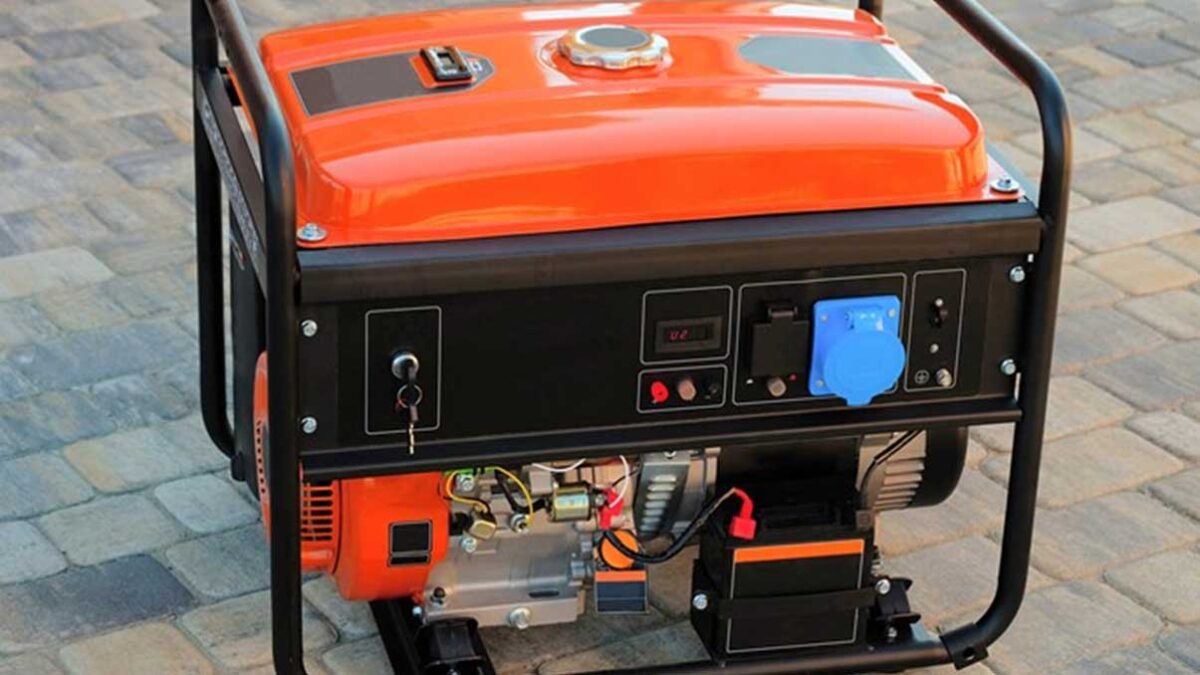
Power outages can occur for a variety of reasons, many of which are beyond our control; however, rather than sitting and waiting in the cold and dark for power to be restored, you should keep a portable generator on hand.
This fantastic and dependable equipment can power critical appliances and facilities until the main power supply is restored. See our step-by-step instructions for using your portable generator during a power outage.
How to use a generator during a power outage
1. Avoid overloading your generator
- Determine the amount of power required to run the items you intend to connect to the generator. The wattage of a light bulb indicates the amount of power required for lighting, and the power requirements of appliances and equipment are indicated on their labels.
- If you are unsure about how much power you will require, consult an electrician.
- Make sure your generator produces more power than the items you connect to it, including the initial surge when it is turned on. If your generator does not produce enough power to power everything at once, spread out your equipment’s use.
- If your equipment consumes more power than the generator can produce, you risk blowing a fuse or damaging the connected equipment.
2. Use your generator with caution
- Incorrect generator operation can result in CO poisoning from the toxic engine exhaust, electric shock or electrocution, and fire. Follow the instructions that came with the generator.
3. Never operate a portable generator inside
- Even with ventilation, never use a portable generator in a garage, carport, basement, crawl space, or other enclosed or partially enclosed area. Using fans or opening doors and windows will not prevent CO buildup in the home.
- If you begin to feel sick, dizzy, or weak while using a generator, get to fresh air as soon as possible!
- Install battery-powered or battery-backed CO alarms in your home. Batteries should be tested on a regular basis and replaced as needed.
4. Outdoor use of your generator
- Place the generator away from windows, doors, and vents where CO could enter the home.
- Generators should be kept at least 20 feet away from structures. Even from 20 feet away, air flow patterns can still blow carbon monoxide into homes through attic vents, windows, or doors, so having a working carbon monoxide detector inside the home is critical.
- Keep the generator dry to avoid electrocution. In wet or rainy weather, do not use it. Use it on a dry surface beneath a canopy-like structure. Before touching the generator, make sure your hands are dry.
5. Use and store generator fuel safely
- Turn off the generator and allow it to cool before refueling. Spilled gasoline on hot engine parts could ignite.
- Store generator fuel in an approved safety can outside of living areas in a locked shed or other protected area. Local laws may restrict the use or storage of fuel. For more information, contact your local fire department.
- If you spill fuel or fail to properly seal its container, invisible vapors can travel along the ground and be ignited by an appliance’s pilot light or arcs from electric switches in the appliance.
- Use the type of fuel specified in the generator’s instructions or on the label.
6. Connect your generator properly
- Connect appliances directly to the generator, or use a heavy-duty, outdoor-rated extension cord rated at least equal to the sum of the connected appliance loads (in watts or amps).
- Never try to power house wiring by plugging the generator into a wall outlet, which is referred to as “back feeding.” It has the potential to electrocute utility workers or neighbors served by the same utility transformer.
- A qualified electrician must install a power transfer switch to connect a generator to house wiring.
7. The most secure means of obtaining emergency power
- Stationary generators that are permanently installed are the best way to provide backup power to your home during a power outage.
Conclusion
In conclusion, a backup power source is the best way to deal with a power outage. Generators are great for this. They can keep your home or business running when the power goes out. The generator will kick on automatically when the power goes out, and it will keep your lights on, your water running, and your appliances working. It will even keep your refrigerator and freezer cool.
FAQs
How do I know when the generator is running out of power?
You can tell when the generator is running out of power because it will make a loud noise.
How long does it take to start a generator?
It depends on the type of generator you have. A portable generator takes about 10 minutes to start, while a central generator takes about 20 minutes.
How do I know if my generator is working?
The first thing you should check is the voltage of the generator. If it’s not working, the voltage will be low.
