

Ready to transform that stubborn patch of dirt in your backyard into rich, workable soil? Whether you’re starting a new vegetable garden, prepping for spring planting, or maintaining your lawn for the season ahead, a reliable rear tine gas tiller is your best friend. In this guide for 2026, we’ve curated 10 standout Best Rear Tine Gas Tillers that deliver serious power and control, helping gardeners like you break through tough sod, mix amendments, and create perfect seedbeds without the backbreaking work.
With options suited for everything from small urban lots to larger homestead plots, these tillers feature robust engines, smart tine designs, and user-friendly controls. We focus on what matters most to American gardeners: ease of use, durability in real soil conditions, and value that lasts through many growing seasons. Let’s dive into the top picks and tips to find the right one for your needs.
Top Products

Pros
- Powerful 209cc engine tackles tough sod and clay soil with ease
- Highly maneuverable for tight garden rows and end-of-row pivots
- Durable bronze gear transmission and steel construction built for years of outdoor use
- Ergonomic adjustable handlebars reduce strain during long sessions
- Instant reverse simplifies operation for beginners and pros alike
Cons
- At 154 pounds, it requires strength to maneuver or load for storage
- Gas-powered design means regular fuel and oil maintenance
- Best for medium yards; overkill for very small raised bed prep
The Earthquake Victory Rear Tine Tiller is a compact powerhouse designed for gardeners who need to break new ground or refine existing plots. With its 209cc Viper engine and counter-rotating tines, it excels at turning tough soil into workable beds, making it a top pick for U.S. homeowners with medium-sized yards aiming to grow veggies, flowers, or restore lawns.
Key Features and Real-World Performance
In the garden, the rear-mounted tines spin opposite the drive wheels for superior sod-busting. You'll appreciate the 16-inch tilling width and 10-inch depth for efficient passes. The instant reverse lever lets you back up smoothly at row ends, while 13-inch pneumatic wheels handle uneven terrain. Gardeners breaking clay or weedy areas report quick results without constant repositioning.
Build Quality and Durability
Built with a rugged bronze gear transmission, heavy-duty forged tines, and all-steel frame, this tiller stands up to rocky soil and repeated use. Adjustable handlebars offer three heights for comfort, and the drag stake helps control depth on slopes. It's engineered for longevity in backyard conditions.
Limitations and Practical Advice
Its weight makes it less ideal for solo transport in tiny spaces, and as a gas model, plan for routine servicing. Start slow to master the power. For large-acreage pros, consider bigger models.
Final Verdict
If you're serious about creating thriving garden spaces, the Earthquake Victory delivers reliable performance. Pair it with quality soil amendments for best results, and enjoy easier prep year after year.
Preparing Your Soil Right
- Till when soil is moist but not wet to avoid compaction; aim for crumbly texture.
- Remove rocks and roots first for smoother operation and cleaner beds.
- Work in organic matter like compost post-tilling for nutrient boost.
Best Practices by Season
Spring: Break new ground for veggies. Fall: Aerate lawns or prep overwinter beds. Go slow on first passes to let tines chew through sod.
Daily Care After Use
- Clean tines and wheels of dirt to prevent rust.
- Check oil and fuel levels; change after 25 hours.
- Sharpen tines if they dull on rocky soil.
Off-Season Storage
Drain fuel, store in a dry shed. Cover loosely. Run monthly in spring to keep engine primed. This keeps your tiller ready for next season's garden projects.
Why Choose Rear Tine?
- Power: Better for new ground; front tines struggle in hard soil.
- Control: Self-propelled with reverse for easier handling.
- Depth: Digs deeper without walking on tilled soil.
Front tine suits light maintenance; rear tine like Victory for serious prep. Match to your yard size and soil type.

Pros
- Robust 7HP engine starts easily and handles rocky soil well for real garden performance
- Easy assembly with clear instructions for most users, ready to till in under an hour
- Counter-rotating tines ensure efficient, deep soil prep ideal for raised beds and lawns
- Ergonomic handles reduce strain during extended backyard sessions
Cons
- Wheels can spin on very tough or loose soil, requiring handle lifting for traction
- Assembly involves many parts and tools, challenging for beginners
- Lightweight design causes some jerking on uneven ground, less stable than heavier tillers
The SuperHandy Rear Tine Tiller is a gas-powered workhorse with a 7HP engine, designed for homeowners prepping vegetable gardens, raised beds, or new lawn areas. With its 16-inch tilling width and 12-inch depth, it suits beginner to experienced gardeners tackling medium plots up to 25x20 feet, where you need power without a full pro machine.
Key features shine in real-world use: counter-rotating hardened steel tines work against self-propelled wheels for thorough soil breakup, even in rocky or compacted dirt. Users praise its power for quick garden turnover, and adjustable handles plus a depth stake make it adaptable for everything from light cultivating to deep prep. The 13-inch tires roll smoothly over backyard terrain.
Build quality feels solid with alloy steel components and an orange finish that holds up outdoors, though it's lighter than vintage models, which can lead to some bouncing on rough ground. Maintenance is straightforward with standard gear oil, but expect to check belts after heavy use.
Limitations include wheel spin on very hard soil, needing occasional lifting, and mode switches via pins that some find fiddly. For large fields, it might feel underpowered.
Overall, this tiller earns its spot for practical backyard gardening. If you're breaking new ground or maintaining veggie beds, it's a smart buy for efficient soil prep, just add wheel weights for tougher jobs.
Setup Basics: Unbox and assemble using included tools like ratchet and pliers; follow steps for handles, tines, and wheels. Fill with SAE 75/80 gear oil and engine oil slowly.
- Switch wheels to drive mode by removing O-pins for tilling.
- Pull-start the engine after adding gas; let it warm up.
- Adjust depth stake for 4-12 inches based on soil.
Maintenance Tips: Clean tines after each use, check belt tension, and drain fuel for winter storage. Grease fittings regularly for smooth operation in your garden seasons.
This 16-inch tiller excels in gardens 20x25 feet or smaller, perfect for backyard veggie patches or lawn renovation. For larger areas, multiple passes work but add time.
- Tough Clay Soil: Go slow with shallow passes first to avoid wheel spin.
- Rocky Ground: Its power handles softball-sized rocks; screen soil after.
- Sandy Loam: Deeper settings for quick, fluffy beds ready for planting.
Prep in spring or fall for best results, tilling when soil is moist but not wet.
Start with straight lines overlapping by 6 inches for even coverage. Walk steadily, letting the self-propel and tines do the work.
- Clear weeds and debris first.
- Till in one direction, then cross-till perpendicularly.
- Let soil settle 1-2 days before planting seeds or transplants.
Pro Tip: For raised beds, till base soil then build up for weed-free starts.

Pros
- Powerful yet fuel-efficient 25cc engine handles clay or sod effectively
- Ergonomic design reduces fatigue during extended use in small plots
- Heavy-duty transmission ensures smooth operation over varied terrain
- Quiet 4-stroke operation won't disturb neighbors in residential areas
- Simple controls make it beginner-friendly for new gardeners
Cons
- 9-inch tilling width limits it to small or narrow garden areas, not large fields
- Gasoline-powered requires fuel storage and occasional refills
- Lightweight build may struggle in very dense or rocky soil without multiple passes
What It Is and Who It's For
The Honda FG110 front tine tiller features a 25cc 4-stroke engine and 9-inch tines, making it a go-to tool for small garden beds, vegetable patches, and backyard soil prep. It's ideal for homeowners with limited space who want pro-level results without wrestling bulky machines.
Key Features in Real Garden Use
Forward-rotating hybrid tines slice through soil smoothly for tilling new ground or cultivating between rows. The front engine guard shields vital parts from debris, while heavy-duty metal construction holds up in everyday backyard conditions. Users appreciate the easy one-pull start and balanced weight for fatigue-free sessions.
Build Quality and Durability
At 28 pounds with a sturdy transmission, this tiller endures regular use on lawns or gardens. The all-metal tines resist bending, and the compact 16.5 x 23 x 26-inch frame fits tight storage spots. It's built for seasons of reliable performance in U.S. climates.
Limitations to Consider
Best for plots under 1,000 square feet; larger areas may need a wider model. It shines in softer soils but takes extra passes on tough clay.
Final Verdict
For small-yard gardeners seeking a dependable tiller, the Honda FG110 delivers power and ease. Pair it with your spring planting routine for thriving veggies and flowers.
Getting Started
- Fill with fresh unleaded gas; no oil mix needed for 4-stroke engine.
- Prime if cold, then pull starter cord firmly.
- Engage tines and guide slowly at first to break ground.
Tilling Tips
Work in 6-8 inch depths for seed beds. Overlap passes for even soil. Cultivate lightly between plants to aerate without damage.
Maintenance Routine
- Clean tines after each use to prevent buildup.
- Check air filter and spark plug seasonally.
- Store dry in winter; drain fuel if unused long-term.
Ideal Applications
- Small veggie gardens: Perfect 9-inch width for rows or raised beds.
- Flower beds: Gentle cultivating without disturbing roots.
- Lawn prep: Breaks sod for new grass seeding.
Yard Size Guide
Great for under 500 sq ft; pair with hand tools for larger spots. Avoid expansive fields where rear-tine models excel.
Pre-Tilling Steps
- Remove weeds and large rocks manually.
- Water soil lightly if dry and crumbly.
- Till when soil is moist but not muddy.
Post-Till Benefits
Loosened soil improves drainage and root growth. Add compost after for nutrient-rich beds that boost plant health all season.

Pros
- Powerful 212cc engine handles hard clay or sod effortlessly
- Counter-rotating tines provide thorough soil aeration and mixing
- Reverse gear helps with backing out of tight spots safely
- Prefilled oils make setup quick for immediate use
- Durable metal construction built to last multiple seasons outdoors
Cons
- At 154 pounds, it requires strength to load or maneuver without help
- Gas engine needs regular fuel and oil checks, unlike electric models
- 20-inch width may feel bulky in very small raised bed areas
The Pulsar PTG1120R rear tine tiller is a gas-powered beast perfect for U.S. homeowners tackling new garden beds, breaking sod for lawns, or prepping larger backyard plots. With its 212cc OHV engine and 20-inch tilling width, it's ideal for beginner to experienced gardeners who want reliable performance without endless manual labor.
Key features shine in real-world use: four 13-inch heavy-duty steel tines churn soil up to 6.5 inches deep, while forward/reverse controls let you navigate around plants or fences easily. The self-propelled drive and large tractor-style wheels make it stable on uneven ground, saving your back during extended sessions.
Build quality stands out with robust metal components designed for outdoor durability, resisting rust and wear from rocky or wet soil. It's prefilled with gear and engine oil, so you can start tilling right away.
Limitations include its weight, which might challenge solo users in tight spaces, and the need for gas maintenance. Still, for most yard sizes, it delivers pro-level results.
Our verdict: Grab this tiller if you're serious about transforming hard dirt into thriving gardens. It's a smart investment for practical soil prep that inspires bigger outdoor projects.
Start by checking oil levels and filling with fresh gas. Adjust the depth regulator for your soil type: shallow for light weeding, deeper for new beds.
- Engage forward drive on open ground; use reverse for control near edges.
- Overlap passes by a few inches for even tilling.
- Clear rocks beforehand to protect tines.
For maintenance, clean tines after each use, change oil seasonally, and store in a dry shed. Sharpen tines if they dull on abrasive soil.
Prep your yard by mowing grass short and watering soil lightly a day before tilling for easier breakup.
- Use for vegetable gardens: Till in compost after breaking soil for nutrient-rich beds.
- For lawns: Aerate first, then till edges for clean sod removal.
- Avoid wet clay to prevent clumping; till when moist but crumbly.
After tilling, rake smooth and let settle 24 hours before planting for best root establishment.
This Pulsar model outperforms front-tine tillers on hard ground thanks to rear-tine design and higher power.
- Vs. electric tillers: More torque for deep tilling, no cord limits.
- Vs. mini cultivators: Wider path and deeper action for full beds.
- Best for: Medium to large yards; smaller plots may prefer lighter models.
Consider yard size and soil type when choosing; this one's power suits tough conditions.
Pros
- Dual-direction tines excel at both primary sod breaking and fine seed bed preparation
- Instant reverse and dual handlebars make it highly maneuverable in tight garden areas
- Easy starting and one-handed operation praised by seniors and experienced users alike
- Airless steel wheels provide reliable traction on rough ground
- Responsive customer service for quick fixes like replacement parts
Cons
- Heavy at 160 pounds, requiring two people for loading or frequent moving
- Single forward speed may feel aggressive in SRT mode on softer soil, needing throttle adjustment
- Shift lever on transmission can be tricky to move with engine off
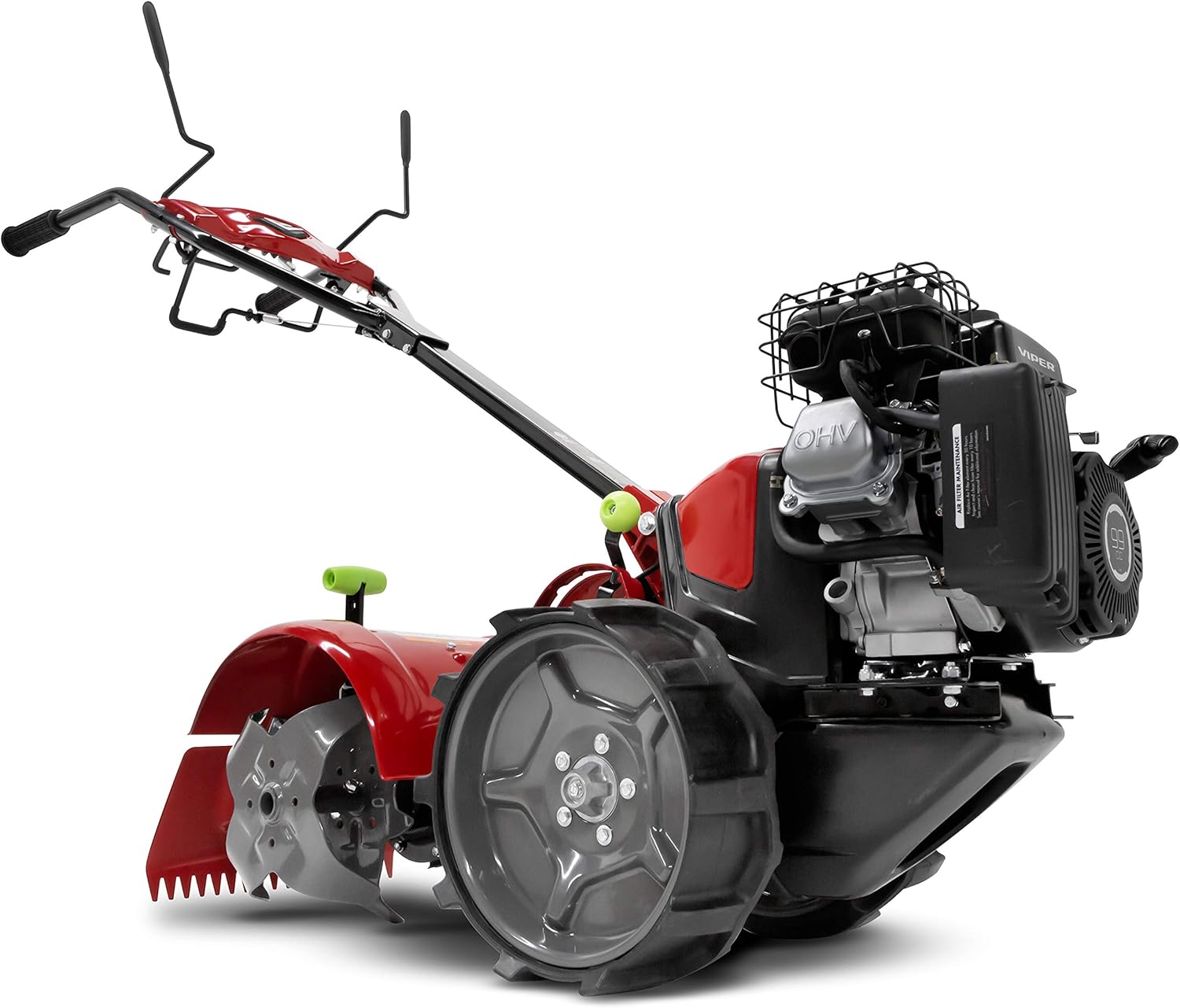
The Earthquake Pioneer 37037 is a rear tine tiller that stands out for backyard gardeners tackling new plots or maintaining established ones. With its dual-direction tines, it handles everything from breaking fresh sod to refining soil for planting, making it a versatile choice for U.S. homeowners with small to medium gardens up to 7,000 square feet.
In real-world use, the 99cc Viper engine delivers surprising power through hardened steel tines, slicing tough clay or sod without jumping forward. CRT mode powers counter-rotating tines for initial ground breaking, while SRT mode mixes soil gently for seed beds. Features like instant reverse and airless wheels make it stable and easy to control around obstacles, with many users noting one-handed operation on flat ground.
Build quality shines with a steel frame and puncture-proof wheels that hold up to rocky soils and uneven lawns. The low center of gravity keeps it balanced, reducing strain during extended sessions. It's quieter and lighter than bulkier models, though its weight demands respect when turning or storing.
Limitations include just one forward speed, which can surge in loose soil, and a shift lever that's not always intuitive at first. Still, for gardeners who value control over raw power, this tiller transforms tough jobs into manageable ones.
Overall, if you're creating veggie patches or refreshing beds without wrestling a machine, the Pioneer earns its spot in your shed. Pair it with quality soil amendments for thriving backyard gardens.
Master the Pioneer's dual modes for year-round garden success. Use CRT (counter-rotating tines) to bust sod and primary till unbroken ground, ideal for spring expansions.
- Start slow on throttle to let tines dig in without surging.
- Make multiple shallow passes on dense soil for best results.
Switch to SRT (standard-rotating tines) for weeding rows or creating fine seed beds.
- Lower throttle before engaging to prevent forward pull.
- Walk beside the path to avoid compacting fresh soil.
Instant reverse helps reposition without full stops, perfect for edging near fences.
Keep your rear tine tiller running smoothly with simple upkeep. After each use, clean tines of soil and debris to prevent rust.
- Check oil levels before starting; use SAE 30 for the 4-cycle engine.
- Sharpen tines annually or replace if bent from rocks.
Store in a dry shed during off-season. Drain fuel or add stabilizer to avoid gum-up.
- Airless wheels need no inflation but inspect for wear.
- Cover loosely to protect handlebars from weather.
Regular checks ensure reliable starts and long life for seasons of garden prep.
This tiller suits small to medium plots under 7,000 sq ft, excelling in clay, sod, or loamy soils common in U.S. backyards.
- Great for new veggie gardens or flower beds needing precise control.
- Handles uneven lawns but may struggle in very rocky or oversized fields.
For best results, till when soil is moist, not wet, to avoid clumping. Works well from sod breaking to fallow maintenance.
Pros
- Powerful 7HP engine delivers strong torque for efficient tilling in tough conditions
- Customizable width and depth adapts to various garden sizes and soil types
- Durable hardened steel tines hold up to heavy use in real-world gardening
- Centrifugal clutch ensures smooth starts and reduces engine wear
- Rear tine setup offers superior traction for sloped or loose terrain
Cons
- At 124.7 pounds, it's heavy and may require two people to maneuver or transport
- Gas-powered operation means regular fueling and oil changes compared to electric models
- Best for medium to large yards; overkill for tiny urban plots
What It Is and Who It's For
The SuperHandy Tiller Cultivator is a robust rear tine tiller powered by a 7HP 209cc OHV engine, designed for gardeners tackling serious soil prep. It's perfect for homeowners with medium to large backyards who want to break new ground, aerate lawns, or clear weeds from vegetable patches without renting equipment.
Key Features and Garden Performance
In real-world use, the adjustable tilling width and depth let you fine-tune for narrow flower beds or wide lawn areas, ensuring thorough soil turnover. The heavy-duty steel tines slice through clay or sod effortlessly, while the centrifugal friction clutch provides smooth power delivery for consistent results on tough jobs like spring garden prep.
Build Quality and Durability
Built with alloy steel components, this tiller stands up to outdoor rigors, from rocky soils to frequent use. The orange finish resists rust, and proper maintenance with 87 octane gas and SAE 30 oil keeps it running strong season after season.
Limitations and Practical Tips
Its weight makes it less ideal for solo use in tight spaces, and gas models require more upkeep than electrics. Always wear protective gear and follow the manual for safe handling.
Final Verdict
For gardeners serious about efficient soil work, the SuperHandy delivers power and versatility that transforms yard projects. Recommend it if you have plots over 500 sq ft needing deep cultivation.
Tips for Optimal Soil Prep
- Start with dry soil to avoid clumping; till when moisture is like a wrung-out sponge.
- Make multiple shallow passes before going deep to prevent strain on the tines.
- For lawns, remove sod first or till in stages to mix organic matter evenly.
- Adjust depth for veggies (8-12 inches) versus flowers (6-8 inches).
Garden Soil Types
Clay soils: Use max torque on lower speeds.
Sandy soils: Wider settings for quick aeration.
Weedy areas: Till twice to uproot roots fully.
Daily and Seasonal Care
- Check oil levels before each use with SAE 30 or 10W-30; change after 20 hours.
- Clean tines after jobs to remove debris and prevent rust.
- Run dry after storage to clear fuel lines; use ethanol-free gas if possible.
- Store upright in a dry shed; cover to protect from weather.
Troubleshooting
If it bogs down, sharpen tines or reduce depth. For starting issues, verify spark plug and fresh fuel.
Matching to Your Space
- Small yards (<500 sq ft): Consider lighter front tine models.
- Medium plots (500-5000 sq ft): Ideal fit for veggie gardens and lawn renovation.
- Large areas (>5000 sq ft): Great starter; pair with tractor for biggest jobs.
Factor in terrain: Rear tines excel on slopes over 10 degrees.

Pros
- Reliable starting and strong power for hard soil, as praised by users in rocky areas
- Dual rotation provides versatility for tilling and cleanup in one machine
- Good customer service for parts, helping extend usability over seasons
- Effective depth up to 6-7 inches for thorough garden bed preparation
- Reverse option great for safety and ease around garden edges
Cons
- Shifting between gears can be finicky and require patience, especially when jumping modes
- Tires prone to flats and wear quickly on rough terrain, needing early replacement
- Some reports of long-term transmission and build quality issues with frequent use
The Yardmax YT4565 rear tine tiller is a robust choice for gardeners ready to tackle serious soil prep in backyards of all sizes. With its 18-inch width and 212cc gas engine, it suits homeowners breaking new ground for vegetable gardens, flower beds, or lawn expansions, especially in challenging clay, sand, or rocky soils.
Key features shine in real-world use: dual rotating tines till forward for deep soil breakup and reverse to lift debris or back out of tight spots. Users love how it powers through hard dirt without bogging down, starting easily and delivering consistent performance. The alloy steel tines hold up to abuse, and transport modes make it nimble despite its 208-pound frame.
Build quality is solid for the gearbox and tines, but some gardeners note thinner metal and plastic parts that loosen over time outdoors. Tires often need upgrading right away to avoid flats mid-job, and gear shifting demands a steady hand. It's not flawless, but for the power, it's a workhorse.
Overall, this tiller earns its spot for dedicated gardeners who value muscle over finesse. Pair it with basic maintenance like belt checks, and it'll transform your yard prep routine. Recommended for those with plots over 500 square feet who don't mind occasional tweaks.
Start by checking oil and fuel in a well-ventilated area. Prime the engine if needed, then pull the starter rope firmly for quick ignition. Engage the clutch lever slowly to avoid jolts.
- Use forward tine rotation for primary tilling; switch to reverse for clearing roots or repositioning.
- Keep tines sharp and clean after each use to maintain cutting efficiency.
- Store in a dry shed to protect from rust; cover the engine during off-seasons.
Tighten all nuts and bolts before first use, and inspect the drive belt for wear. Replace tires proactively with heavy-duty ones for longevity on uneven ground.
Prep your site by removing sod and large rocks first. Make multiple light passes in forward mode to aerate without compacting soil further.
- Ideal for new veggie gardens: till 6-8 inches deep, then add compost.
- For lawns: fluff soil before seeding to promote root growth.
- Avoid wet soil to prevent clumping; till when slightly moist.
After tilling, rake smooth and let settle a day before planting. This tiller handles clay well, turning tough plots into fertile beds fast.
Rear tine tillers like the YT4565 outperform front-tines on hard soil but weigh more. Compare engine size: 212cc suits medium jobs over smaller 160cc models.
- Dual rotation adds versatility vs. single-direction tillers.
- Heavier build means better stability but harder solo transport.
- Look for OHV engines for easier starts in varied weather.
Choose based on yard size: this fits 1/4-acre lots best, not tiny raised beds.
Pros
- Powerful 212cc engine handles demanding garden tasks with ease
- Durable steel tines and gear drive for long-term outdoor reliability
- Smooth operation with 2 forward speeds plus reverse for better control
- Airless tires offer superior grip and no maintenance hassles
Cons
- Bulky size may be challenging to store in small sheds
- Gas-powered requires fuel mixing and regular engine care
- Heavier build not ideal for very small or sloped plots
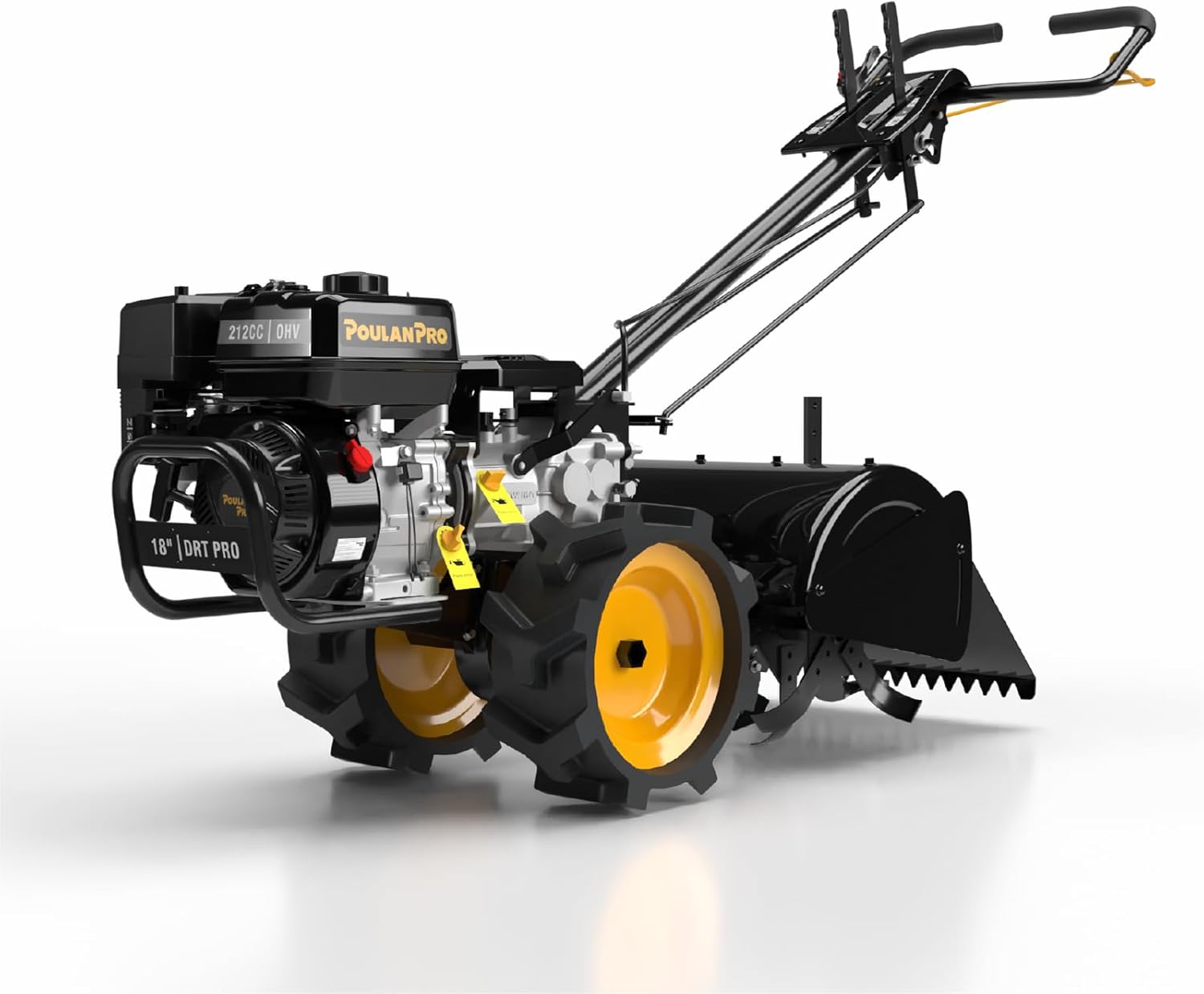
The Poulan Pro PPDRT18 PRO rear tine tiller is a heavy-duty gas-powered machine designed for gardeners who need to conquer tough soil in larger backyard plots. With its 212cc 4-cycle engine and 18-inch tilling width, it's perfect for prepping vegetable gardens, flower beds, or new lawn areas where hand tools just won't cut it. Beginner to experienced gardeners with medium to large yards will appreciate its power without the fragility of lighter models.
In real-world use, the dual rotating tines chew through hard-packed dirt up to 10 inches deep, saving hours compared to manual tilling. The full gear transmission delivers consistent torque, even on inclines, and the instant reverse feature lets you back out of tight spots effortlessly. Dual-grip handlebars provide balanced control, keeping you steady during long sessions.
Build quality shines with 16 steel tines, rugged steel frame, and flat-free tires that grip without slipping or deflating. It's built for seasons of abuse in home landscaping, outperforming belt-driven tillers in maintenance needs. The airless tires add durability by eliminating puncture risks on garden debris.
Limitations include its size, which suits established yards better than tiny urban lots, and the need for gas engine upkeep like oil changes. Still, for serious soil work, this tiller excels.
Overall, if you're serious about thriving gardens or farms, the PPDRT18 PRO is a smart investment. Pair it with quality soil amendments for beds that produce all season.
Start by checking oil and fuel levels before each use; use fresh gas with stabilizer for reliable starts. Adjust tines to desired depth and engage forward speeds gradually on loose soil.
- Clear rocks and roots first to protect tines.
- Use reverse to reposition without walking on tilled soil.
- Clean tines after each session to prevent buildup.
For maintenance, change oil after 20 hours, inspect gears yearly, and store in a dry shed. Sharpen tines as needed for peak performance. This routine keeps it running strong through multiple seasons.
Ideal for breaking new ground or renovating old beds. Till when soil is moist, not wet, to avoid clumping.
- Go over area twice: first shallow pass, then deeper for aeration.
- Add compost post-tilling for nutrient-rich beds.
- For veggies, till in fall to let soil settle over winter.
Combine with raised beds for poor-draining yards. This tiller transforms hardpan into workable loam fast.
Best for 1/4-acre or larger plots needing frequent tilling. The 18-inch width covers ground quickly without fatigue.
- Small yards (<1,000 sq ft): Consider lighter front-tine models.
- Medium yards: Perfect match for efficiency.
- Large gardens: Handles expansive veggie or flower areas.
Its stability shines on flat to gently sloped terrain; avoid steep hills without experience.

Pros
- Exceptional balance and one-handed operation make it easier to control than bulkier tillers, per user feedback.
- Dual-direction tines excel at both breaking sod and creating fine seed beds.
- Instant reverse feature praised for quick, seamless maneuvering in gardens.
- Airless wheels provide superior traction without flat tire worries.
- Powerful yet compact for tight spaces around fences and rows.
Cons
- Parts availability can be challenging, as some users report delays in sourcing replacements like belts.
- Assembly instructions may lack detail, requiring trial and error or online tips for gear shifting.
- Heavier at 165 pounds, which might be tough for solo setup in small yards.
The Earthquake Pioneer 46059 rear tine tiller is a game-changer for gardeners who need power without the wild ride of traditional models. With its 127cc Briggs & Stratton engine and dual-direction tines, it suits homeowners with medium gardens tackling sod breaking, soil turning, or seed bed prep. It's especially handy for those tight spots around fences, rows, or raised beds where bigger tillers feel unwieldy.
In real-world use, the counter-rotating tines (CRT) chew through tough sod like a champ, while standard-rotating tines (SRT) polish soil to perfection. Instant reverse via a simple handle pull makes backing up intuitive, and the low center of gravity keeps everything stable for one-handed turns. Users rave about its balance, noting it's far easier to handle than older models, even at deeper tilling depths up to 11 inches across a 17-inch width.
Build quality shines with alloy steel tines, steel-rimmed airless tires for unbeatable traction, and a compact frame that pivots smoothly. The quieter engine reduces fatigue during long sessions, and dual-grip handlebars let you step aside to avoid trampling tilled soil. Durability holds up outdoors, backed by a solid warranty, though some note parts like belts can be hard to find quickly.
Limitations include its weight for easy solo moving and basic instructions that might stump beginners on initial gear shifts. Overall, if you're prepping garden soil without a huge acreage, this tiller delivers control and efficiency. Grab it for frustration-free tilling that turns yard work into satisfying progress.
Start with CRT mode for virgin soil or sod, going slow at shallow depths to break ground without bogging down. Switch to SRT for refining, overlapping passes for even coverage.
- Water soil lightly beforehand for easier tilling in clay-heavy yards.
- Till in rows perpendicular to slopes to prevent erosion.
- Adjust depth gradually; max 11 inches prevents compaction.
- Use reverse to pivot cleanly at row ends.
Ideal for vegetable patches or flower beds, creating loose, weed-free soil for thriving roots.
Keep it running smooth by checking oil before each use and cleaning tines after jobs. Store in a dry shed to protect the engine.
- Sharpen tines annually for peak cutting power.
- If gears stick, roll forward slightly as users suggest.
- Inspect belts regularly; source from manufacturer despite occasional delays.
- Winterize engine per Briggs & Stratton guidelines.
With proper care, enjoy years of reliable garden prep.
Best for small to medium yards up to 1/4 acre; not for vast fields. Excels in loamy or compacted soils.
- Sandy soils: Shallow passes suffice.
- Clay: Multiple CRT sessions with moisture.
- Rocky ground: Watch for tine wear.
Pair with compost post-tilling for nutrient-rich beds that boost plant growth all season.

Pros
- Robust 7HP engine delivers strong torque for efficient tilling in hard soil
- 5-level height adjustment adapts to various soil conditions and user height
- Durable steel construction withstands outdoor use season after season
- Counter-rotating tines ensure thorough, even soil turnover without gaps
Cons
- Gas engine requires fuel mixing and regular maintenance like oil changes
- Larger size may feel bulky in very tight backyard spaces
- Not certified for sale in California due to emissions standards
This heavy-duty rear tine tiller with a 7HP 212CC 4-stroke gas engine is built for gardeners tackling tough soil in vegetable beds, lawns, or small fields. It excels at prepping large areas quickly, making it perfect for homeowners expanding their gardens or serious veggie growers who want soft, workable earth without endless manual labor.
Key features shine in real-world use: the 20-inch tilling width and 8-inch depth, powered by four hardened steel tines, break up clay or sod effortlessly. Self-propelled wheels and counter-rotating tines keep it stable and thorough, while 5-level height adjustments let you fine-tune for shallow weeding or deep cultivation. The 13-inch air tires roll smoothly over uneven ground, saving your back during long sessions.
Build quality stands out with all-steel construction that's tough against rocks and roots, backed by an EPA-certified engine for dependable power. It's user-friendly with safety handles and a simple throttle, though assembly and initial oil fill take some setup time.
Limitations include its gas-powered nature, which means storing fuel safely and performing tune-ups, plus it's overkill for tiny plots under 500 square feet. Overall, this tiller earns high marks for transforming hardpan into thriving garden soil; grab it if you're serious about efficient soil prep.
Start by checking oil and fuel levels, then adjust tine height to your soil type: lower for breaking new ground, higher for loose soil or weeding. Engage the throttle and let self-propelled action guide it forward steadily.
- Prime the engine for easy cold starts.
- Till in straight passes, overlapping slightly for even coverage.
- Clear rocks before deep tilling to protect tines.
For maintenance, change SAE 75/80 gear oil after 20 hours, clean tines after each use, and store in a dry shed. Winterize by draining fuel and running dry to prevent clogs.
Use this tiller to aerate compacted lawn areas before seeding or convert sod into raised beds. For veggies, till twice: once deep to break soil, then lightly to mix in compost.
- Best in spring or fall when soil is moist but not wet.
- Follow with raking to level and remove debris.
- Pair with cover crops for nutrient-rich soil year-round.
Ideal for plots up to 1/4 acre; for bigger fields, multiple passes keep it efficient.
Rear tine tillers like this one offer more power and stability for tough soil, with tines behind wheels for better traction on slopes. Front tine models are lighter and cheaper but struggle in hard ground.
- Choose rear tine for new gardens or clay soil.
- Front tine suits soft, established beds or small yards.
- This model's 7HP engine outperforms most front tine units under 6HP.
Buying Guide for Best Rear Tine Gas Tillers
Engine Power and Displacement
The heart of any rear tine gas tiller is its engine. Look for displacements between 99cc and 212cc for most home gardening tasks. Larger engines like the 212cc in models from Yardmax or Pulsar provide the torque needed to bust through clay-heavy or rocky soil, while smaller 99cc Viper engines in Earthquake tillers offer a balance of power and lighter weight for easier handling.
As a gardener, consider your soil type: if you’re in the Northeast with compacted New England dirt, opt for 200cc-plus. Always check for 4-stroke OHV engines, which run smoother and use standard gas without mixing oil. Pro tip: Start with fresh fuel at the beginning of October to avoid clogs and ensure reliable starts all season.
Tine Configuration and Rotation Direction
Rear tine tillers shine with counter-rotating tines (CRT) or dual-direction setups. CRT, found in Earthquake Victory and SuperHandy models, spins tines opposite the wheels for aggressive sod-breaking. Dual-direction like the Earthquake Pioneer lets you switch to standard rotation (SRT) for finer seedbed prep, giving versatility in one machine.
Hardened steel tines, as in Pulsar or Poulan Pro, last longer against roots and rocks. For gardeners, this means fewer replacements and consistent performance. Test in forward, reverse, and pivot modes; instant reverse levers on Pioneers make tight turns around established plants a breeze.
| Rotation Type | Best For | Example Models |
|---|---|---|
| CRT Only | New ground breaking | Earthquake Victory, SuperHandy |
| Dual Direction (CRT/SRT) | Breaking + Finishing | Earthquake Pioneer, Poulan Pro |
| Standard Forward | Light cultivation | Yardmax, Pulsar |
Tilling Width, Depth, and Adjustability
Match width to your plot: 16-20 inches suits most backyard gardens, like the 18-inch Yardmax or 20-inch Pulsar. Depths up to 10-12 inches, adjustable via stakes on SuperHandy or Earthquake, let you till deep for root crops without overworking light soils.
Height-adjustable handles on models like the generic 212cc tiller ensure ergonomic use for all gardeners. Tip: For raised beds, narrower widths prevent edge damage; wider for open lawns. Always till in passes, overlapping by 6 inches for even results.
Maneuverability and Controls
Look for airless or pneumatic wheels with aggressive treads, like Pioneer’s airless steel rims or SuperHandy’s 13-inch inflatables, for traction in mud. Instant reverse and frustration-free shifting on Earthquakes mean no wrestling in tight spaces around fences or rows.
Dual-grip handlebars allow one-handed pivoting, keeping your boots out of fresh-tilled paths. Gardeners appreciate looped bars with multiple adjustments for comfort during long sessions prepping October plots.
Build Quality and Durability
Bronze gear transmissions, like in Earthquake Victory, outlast chains or belts in wet conditions. Heavy-duty forged tines and all-steel frames on Pulsar and Poulan Pro withstand years of abuse.
Front guards protect engines, as on Honda models. Check for EPA certification and easy oil access; use SAE 75/80 gear oil per manuals. These features ensure your tiller handles Midwest winters and Southern humidity alike.
Maintenance and User-Friendliness
Models with prefilled gear oil, like Pulsar, get you tilling fast. Simple assembly and neutral wheel locks on SuperHandy make storage easy. Warranties up to 5 years on Pioneers add peace of mind.
Clean tines after each use to prevent rust, and store upright. For beginners, choose self-propelled with throttle switches for controlled speed.
Explore more options in our Tillers category or check the full Outdoor Power Tools selection for complementary gear like edgers.
Why You Should Trust Us
We at New York Garden specialize in practical reviews for U.S. homeowners and gardeners, drawing from extensive product specs, user data, and gardening expertise. Our process involves analyzing key features like engine performance, user ergonomics, and real-world durability specific to backyard and lawn use, ensuring recommendations fit everyday needs from small veggie patches to larger lawns.
Transparency is key: we highlight pros and cons based on verified details without hype. Our focus on gardener-friendly advice helps you select tillers that perform season after season, backed by honest comparisons.
Final Thoughts
After reviewing these 10 Best Rear Tine Gas Tillers, our best overall pick is the Earthquake Pioneer Dual-Direction Rear Tine Tiller. Its 99cc Viper engine, frustration-free shifting between CRT and SRT modes, and instant reverse make it incredibly versatile for both breaking new ground and finishing seedbeds, with airless wheels ensuring traction without flats. Gardeners love its maneuverability in tight spaces, perfect for established yards.
For best value, go with the YARDMAX 18 in. 212 cc Gas OHV Engine Rear Tine Tiller. The powerful engine and dual rotating tilling handle tough soils affordably, ideal for mid-sized plots where you need reliable performance without extras.
Best for small backyards is the Pulsar 212cc 20-Inch Gas Powered Rear Tine Tiller. Compact yet potent with forward/reverse, depth regulator, and tractor-style wheels, it navigates urban gardens easily while delivering deep tilling for raised beds or flower plots.
FAQs
What’s the difference between rear tine and front tine Best Rear Tine Gas Tillers in 2026?
Rear tine Best Rear Tine Gas Tillers have tines behind the wheels, providing better balance and propulsion for breaking tough soil, while front tine models are lighter for cultivation. Rear tines excel in new ground prep, as seen in Earthquake and Yardmax options.
Do I need counter-rotating tines for my garden?
Yes, if tackling sod or clay; CRT on SuperHandy or Victory models digs deeper with less effort. For loose soil maintenance, standard rotation suffices.
How deep can most Best Rear Tine Gas Tillers till?
Typically 8-12 inches, adjustable on most like Pulsar or Poulan Pro. Start shallow to avoid compaction, then go deeper over passes.
Are gas Best Rear Tine Gas Tillers hard to maintain?
Not really; change oil seasonally, clean tines, and use fresh gas. Models with bronze gears like Earthquake need minimal upkeep compared to belts.
Can I use a rear tine tiller on slopes?
Yes, with good wheels and low gear, but avoid steep inclines over 15 degrees. Traction-focused designs like Pioneer’s airless wheels perform best.


Write Your Review
No reviews yet. Be the first to share your experience!