

Nothing beats the satisfaction of a well-manicured lawn, especially when those clean edges make your backyard stand out. If you’re dealing with soft soil that shifts easily underfoot, choosing the right Best Hand Edgers For Soft Soil can make all the difference in creating sharp borders around flower beds, walkways, and driveways. In this guide for 2026, we’ve curated 17 options that excel in softer ground, helping you avoid frustration and fatigue while achieving professional-looking results right at home.
Whether you’re a weekend gardener refreshing your patio edges or maintaining a larger yard, these hand edgers are designed for precision without the need for heavy machinery. You’ll find tools from reliable brands like Fiskars, Edward Tools, Colwelt and more, perfect for American gardens where soft soil is common after rain or in loamy areas. Let’s dive into our selections and tips to get your lawn looking its best this October.
Top Products

Pros
- Exceptional blade sharpness and flexibility for clean cuts on various soils
- Comfortable long rubber handle reduces strain during extended edging sessions
- Wide footplate enhances power and stability for efficient lawn border work
- Durable manganese steel construction withstands outdoor elements
- Quiet and eco-friendly alternative to power edgers
Cons
- Assembly required, which takes a few minutes with included tools
- Manual operation best for small to medium yards, not ideal for large properties
- Heavier at nearly 6 pounds, may fatigue users on very hard ground
What It Is and Who It's For
The CKLT 41-inch Edger Lawn Tool is a sturdy manual border edger designed for homeowners who love a tidy yard. With its half-moon serrated blade and long handle, it's perfect for beginner to experienced gardeners maintaining lawn edges, flower beds, and walkways without power tools.
Key Features and Real-World Performance
In the garden, the tempered spring steel blade slices through grass and soil for sharp lines that power edgers often can't match in tight spots. The 8-inch wide footplate gives solid leverage, letting you drive it deep with one firm step, even on clay-heavy soils common in many backyards. Users appreciate how it works in damp conditions where electric tools slip.
Build Quality and Durability
Built with rustproof manganese steel and a comfortable rubber grip, this garden edger holds up to seasons of use. The blade resists bending, and the overall design feels balanced at 41 inches tall, reducing back strain during lawn maintenance tasks.
Limitations and Final Verdict
It requires simple assembly and shines in smaller yards but may tire arms on expansive lawns. Overall, it's a smart pick for anyone seeking precise, low-maintenance edging to elevate their outdoor space. Grab this for cleaner borders and less hassle.
Step-by-Step Edging Guide
- Mark your desired edge line with string or spray paint for straight paths.
- Position the blade perpendicular to the border and step firmly on the footplate.
- Rock the tool back and forth to cut through roots, then lift sod in sections.
- Rake away debris for a smooth finish along flower beds or driveways.
Tip: Edge after mowing for best results and repeat every 4-6 weeks to keep lawn edges sharp.
Best Spots in Your Yard
- Around tree bases to prevent grass invasion.
- Along sidewalks for a manicured look.
- Defining vegetable or herb garden borders.
Quick Assembly Steps
- Tighten all pre-installed screws with the L-shaped wrench.
- Align and attach the bottom section to the middle rod using screws and nuts.
- Secure with upper and lower handles, then connect the top rod.
Assembly takes under 10 minutes for a secure fit.
Care for Longevity
- Clean blade after use with water to remove soil; no soap needed.
- Store in a dry shed to protect from rust.
- Sharpen serrated edge annually with a file for peak cutting power.
- Check screws before each season for tightness.
Manual Edger Advantages
- Precision in tight spaces like curved beds where trimmers struggle.
- No cords, batteries, or fuel for hassle-free storage and use.
- Quieter operation, ideal for neighborhoods or early mornings.
When to Go Power
Opt for electric or gas edgers on huge lawns; this CKLT tool excels for detailed, eco-friendly work in typical home gardens.
Pro Tip: Pair with a half-moon edger like this for finishing touches after trimming.
Pros
- Exceptional durability from all-steel welded build that outlasts wood or fiberglass handles
- Ergonomic long handle and foot plate reduce physical strain during extended use
- Powder-coated finish resists rust and cleans easily after muddy jobs
- Provides clean, straight cuts for a polished lawn look with minimal effort
- Lifetime warranty backs its quality for long-term gardening confidence
Cons
- Requires physical effort and may tire users on very large lawns or rocky soil
- Heavier steel construction (2.2 pounds) could feel cumbersome for lighter users
- Blade may need occasional sharpening for optimal performance in extremely tough turf
What It Is and Who It's For
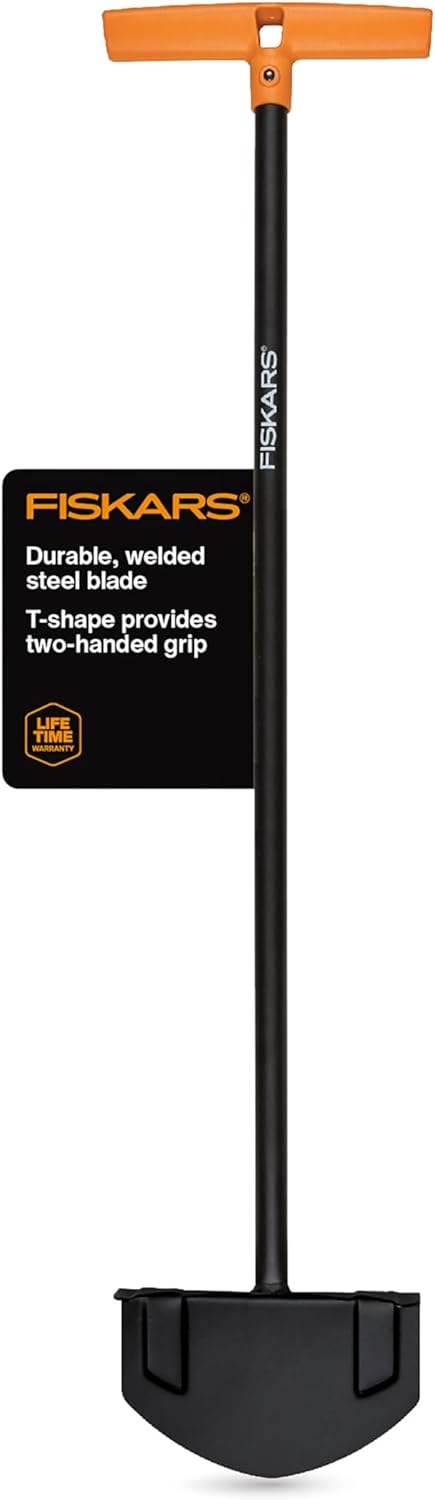
The Fiskars 38.5-inch Steel Edger is a manual hand tool perfect for homeowners who want sharp lawn edges without gas-powered machines. It's ideal for beginner to experienced gardeners tackling walkways, garden borders, and driveway lines in typical backyard settings.
Key Features and Real-World Performance
With a sharpened 14-gauge steel blade and large foot platform, this edger powers through dense turf easily. Users love how the long handle lets you stay upright, avoiding the knee strain of short tools. In everyday gardening, it delivers clean vertical cuts that make your lawn look manicured and help prevent grass invasion into beds.
Build Quality and Durability
All-steel welded construction ensures it holds up to tough soil without flexing or breaking. The powder-coated finish fights rust, even after wet conditions, and the T-grip provides solid control. Gardeners report it performs consistently over multiple seasons.
Limitations and Final Verdict
It's manual, so expect some workout on bigger jobs, and the weight might challenge lighter users. For clean edges and back-friendly design, this Fiskars edger earns top marks. Grab it if you value quality tools that simplify lawn care.
Step-by-Step Edging Guide
- Position the blade flat against your edge line, like a sidewalk or bed border.
- Step firmly on the foot platform to drive it straight down into the soil.
- Rock the handle side-to-side for a clean cut, then lift and repeat along the line.
- Rake away clippings for a tidy finish.
Tip: Edge after mowing for best results and healthier grass growth by reducing competition.
Common Mistakes to Avoid
- Don't angle the blade; keep cuts vertical for straight lines.
- Work in short sessions on hard soil to maintain control.
Keeping It Sharp and Ready
- Clean after use: Hose off dirt and dry to prevent rust buildup.
- Sharpen blade: File the edge lightly every few months for smooth cuts.
- Store properly: Hang in a dry shed; avoid ground contact.
Routine care extends its life, ensuring reliable performance season after season.
Winter Storage Tips
Apply a light oil coat before off-season storage to protect steel parts from moisture.
Perfect Yard Applications
- Defining flower beds and vegetable gardens for neat separation.
- Creating trenches for bulbs, seeds, or small irrigation lines.
- Maintaining edges around trees, patios, and fences.
Bonus: Use it to aerate compacted soil along high-traffic areas for better lawn health.

Pros
- Polished aluminum head stays sharp and resists rust for long-lasting sharpness
- Ergonomic non-slip handle provides excellent control and comfort in tough soil
- Lightweight at 6.4 ounces yet powerful enough for heavy-duty tasks
- Hang hole for convenient storage saves space in your garden toolkit
- Top-ranked in gardening trowels for proven reliability
Cons
- Best for hand-sized holes, not suited for large-scale digging projects
- Aluminum construction may flex slightly in extremely rocky soil
- Single-purpose design lacks versatility for transplanting larger plants
What It Is and Who It's For
The Fiskars Ergo Trowel is a robust hand trowel crafted for gardeners who face tough, compacted soil in their backyards. With its cast-aluminum head and ergonomic handle, it's perfect for U.S. homeowners from beginners planting herbs to pros maintaining flower beds or veggie gardens.
Key Features and Real-World Performance
This trowel shines in everyday tasks like digging planting holes or lifting perennials. The polished aluminum blade slices through turf cleanly, while the ergonomic grip minimizes wrist strain during extended use. In clay-heavy soils common in many regions, it powers through without bending.
Build Quality and Durability
Built to last, the rust-resistant head and sturdy handle endure outdoor exposure and heavy digging. At 12.25 inches long, it's compact yet effective, with a hang hole for easy organization in your shed.
Limitations and Verdict
It's not ideal for rocky ground or big excavations, where larger tools work better. Overall, this trowel is a must-have for precise backyard gardening; grab one to make soil work simpler and your garden thrive.
Essential Techniques for Better Results
Use the Fiskars Ergo Trowel for these common tasks:
- Planting bulbs: Dig 4-6 inch holes quickly without disturbing nearby roots.
- Transplanting seedlings: Lift plants gently to preserve root balls.
- Soil turning: Aerate compacted areas in raised beds for healthier growth.
- Weeding prep: Loosen soil around deep-rooted weeds before pulling.
Tip: Angle the blade at 45 degrees for maximum cutting power in tough turf.
Keep It Sharp and Ready
Maintain your trowel for peak performance:
- Wipe clean after each use and dry thoroughly to prevent rust buildup.
- Store via the hang hole in a dry shed, away from moisture.
- Occasionally sharpen the edge with a file if soil wear dulls it.
- Avoid dropping on concrete to preserve the aluminum head.
With proper care, it lasts seasons of reliable digging.
How Fiskars Stacks Up
Vs. Steel trowels: Lighter and rust-proof, but may not hold an edge as long.
Vs. Plastic-handled models: Far more durable with better grip for heavy soil.
Vs. Budget options: Superior ergonomics reduce fatigue, justifying the investment for frequent gardeners.
Best for those prioritizing comfort and longevity in backyard tasks.

Pros
- Comfortable ergonomic design minimizes strain for comfortable, prolonged use
- Durable cast-aluminum head stays sharp and resists rust even in wet conditions
- Provides precise leverage to extract entire roots, preventing regrowth
- Compact size perfect for detailed weeding in flower beds and veggie gardens
Cons
- Best for spot weeding rather than large-scale infestations or thick turf
- Requires some physical effort in extremely hard or rocky soil
- Single-purpose tool, not versatile for digging or other tasks
The Fiskars Ergo Weeder is a compact, heavy-duty hand tool crafted for gardeners who want to tackle invasive weeds without bending over or straining their wrists. With its angled aluminum head and contoured SoftGrip handle, it's perfect for U.S. homeowners with backyards, flower beds, or vegetable patches where dandelions, thistles, and other deep-rooted pests pop up regularly. Whether you're a beginner keeping a tidy lawn or an experienced gardener maintaining pristine borders, this weeder makes quick work of tough jobs.
Key Features and Real-World Performance
In practice, the polished aluminum head slices through turf and grips roots firmly, giving you the leverage to pull out entire weeds in one go. This means fewer callbacks from regrowth, saving time on your weekend yard work. The ergonomic handle fits naturally in your hand, reducing fatigue so you can weed longer without aches, especially useful in raised beds or along pathways.
Build Quality and Outdoor Durability
Fiskars builds this weeder to last, with rust-resistant materials that hold up against rain, soil, and heavy use. At 12.5 inches long and super lightweight, it feels like a natural extension of your arm, outperforming flimsy plastic tools that bend or break.
Limitations
- Not ideal for massive weed patches; pair it with a hoe for bigger areas.
- May need extra force in super-compacted clay soil.
Final Verdict: A must-have for any gardener's toolkit. Grab the Fiskars Ergo Weeder if you want effortless, effective weeding that keeps your outdoor space thriving.
Master weeding with the Fiskars Ergo Weeder to keep your lawn and beds weed-free. Focus on early intervention for best results.
Step-by-Step Tips
- Timing: Weed after rain when soil is soft for easier root extraction.
- Angle It Right: Insert the head at a 45-degree angle beside the weed base, then rock and pull for full removal.
- Target Deep Roots: Ideal for taproots like dandelions; twist gently to loosen before lifting.
- Prevent Spread: Bag weeds immediately to stop seed dispersal in your backyard.
Regular use encourages stronger plants and lush growth in your garden.
Keep your Fiskars Ergo Weeder performing like new with simple maintenance routines suited to outdoor gardening.
- Cleaning: Rinse off soil and debris after each use; dry thoroughly to prevent rust.
- Sharpening: Use a file on the head edges if it dulls from rocky soil.
- Storage: Hang via the built-in hole in a dry shed; avoid ground contact.
- Seasonal Check: Inspect handle grips yearly for wear and replace if needed.
These steps ensure longevity, making it a reliable part of your lawn care essentials.
Fiskars Ergo Weeder vs. Competitors
- Vs. Basic Steel Weeders: Superior ergonomics reduce strain; aluminum head outlasts cheap steel in rust-prone areas.
- Vs. Long-Handle Stand-Up Tools: More precise for small gardens but less back-friendly for large lawns.
- Vs. Plastic-Handled Options: Heavier duty build prevents breakage; SoftGrip beats slippery grips.
Stands out for backyard gardeners prioritizing comfort and durability over bulk.

Pros
- Saw-tooth blade cuts through tough grass and roots smoothly for neat results
- Comfortable ergonomic handle and foot plate make edging faster and less tiring
- Lightweight yet sturdy build ideal for precise work around patios and flower beds
- Versatile for installing edging strips or defining mulch beds and tree surrounds
Cons
- Requires solid foot pressure, which may challenge lighter-weight users
- Best for light to moderate use, not heavy-duty commercial landscaping
- Sharp teeth demand careful handling and cleaning after each use
The Colwelt Saw-Tooth Edger is a manual half-moon lawn tool designed for homeowners who want sharp, tidy edges without bending over or firing up noisy power equipment. At 38 inches tall, it's perfect for average to taller gardeners maintaining sidewalks, driveways, garden beds, and tree surrounds in suburban yards.
Key Features and Real-World Performance
The standout serrated carbon steel blade with saw teeth powers through dense turf and roots in one step, creating deep, clean lines that keep grass at bay. The large foot platform lets you apply full body weight safely, speeding up the job while maintaining balance. Users love how it outperforms flat shovels or string trimmers for precision edging.
Build Quality and Durability
Built with powder-coated steel and a cushioned T-grip handle, this edger feels solid yet maneuverable at just over 3 pounds. It assembles quickly with included wrenches and holds up well to outdoor conditions, though regular cleaning and light oiling on the teeth keep it sharp season after season.
Limitations and Practical Tips
While excellent for home use, it demands some physical effort, so lighter users might find it tougher on compacted soil. Pair it with a string trimmer for finishing touches in larger yards.
Final Verdict
If clean lawn borders inspire your outdoor space, this edger delivers pro results effortlessly. Grab it for your spring cleanup and enjoy a tidier yard all season.
Master clean lawn edges with these step-by-step tips using your Colwelt edger.
- Prep the area: Mow grass short and clear debris for smooth cuts.
- Position and step: Align the blade on your desired line, then step firmly on the foot plate to drive it in.
- Lift and repeat: Rock the handle to slice, lift straight up, and move along for consistent depth.
- Finish beds: Use for dividing mulch from grass or installing plastic edging strips.
Practice on a small section to get the feel, and edge every 2-4 weeks for maintenance-free curb appeal.
Cleaning After Use
- Wipe blade with a damp cloth to remove soil and grass.
- Apply light oil to saw teeth to prevent rust.
Storage Tips
- Store in a dry shed or garage, hanging vertically to protect the edge.
- Avoid leaning against walls to prevent handle bends.
With basic care, expect years of reliable performance. Sharpen teeth occasionally with a file if cuts dull over time.
Vs. Flat-Blade Edgers: Saw-tooth design cuts roots better, reducing regrowth.
Vs. Power Edgers: No fuel or cords needed; quieter and more precise for small jobs.
Vs. Short-Handle Models: 38-inch length saves your back, ideal for standing work.
- Best for: Homeowners with 1/4-acre or smaller yards.
- Upgrade if: You need heavy-duty for sod installation.

Pros
- Sharp, serrated alloy steel blades cut precisely through grass and light weeds
- Extra-wide 2.4-inch roller provides excellent stability and balance
- Adjustable three-height stainless steel handle with cushioned grip for comfort
- Easy to assemble and beginner-friendly for quick results
- Sturdy build holds up well for ongoing lawn care touch-ups
Cons
- Requires significant physical effort, especially on thick or overgrown grass
- Not ideal for very large yards or heavy-duty edging jobs
- May need multiple passes for deep roots or hard-packed soil
The Walensee Wheel Rotary Edger is a manual wheeled tool designed for trimming lawn edges along sidewalks, driveways, and garden beds. It's best suited for homeowners with small to medium yards who want a low-maintenance alternative to power edgers for regular upkeep. If you're tired of ragged lawn borders invading your pavement, this edger delivers crisp lines with some elbow grease.
Key Features and Real-World Performance
In the garden, the high-strength chrome-plated blades slice through grass effectively, especially for touch-up work after mowing. The 2.4-inch wide roller keeps it balanced on bumpy terrain, helping you roll straight edges without wobbling. Users appreciate how the adjustable handle (40.2 to 69.7 inches) lets taller folks stand upright, making it less tiring for repeated passes along your backyard paths.
Build Quality and Durability
Made from alloy steel and stainless steel, this edger resists rust and holds its shape outdoors. The reinforced bracket and cushioned grip add comfort during use, and assembly is straightforward: just screw sections together. It shines for light to moderate edging but shows its manual limits on dense turf.
Limitations and Final Verdict
Expect a workout on overgrown areas; it's not a power tool replacement for big jobs. For everyday gardeners seeking tidy yards without gas or cords, this is a solid pick. Grab it if you value simplicity and precision in your lawn care routine.
Get the most from your Walensee edger with these simple steps for crisp results.
Quick Setup
- Align handle holes and insert screws.
- Twist threaded pipe clockwise to secure.
- Adjust height to fit your stance: short (40.2"), medium (54.7"), or tall (69.7").
Edging Tips
- Start on freshly mowed grass for easier cuts.
- Push forward with steady pressure; let the roller guide straight lines.
- Make multiple light passes on tough spots instead of forcing it.
Maintenance
- Clean blades after each use to prevent buildup.
- Sharpen serrated edges periodically with a file.
- Store in a dry spot to protect stainless steel from moisture.
Master edging to elevate your yard's curb appeal and health.
Basic Technique
- Position the blade along the edge and roll forward slowly.
- Use body weight for downforce on resistant grass.
Pro Tips
- Edge every 1-2 weeks to prevent overgrowth.
- Combine with mulching around beds for a polished look.
- Focus on high-traffic areas like driveways first for quick wins.
Regular edging promotes thicker turf by reducing competition from invading grass.
Compare to decide what's right for your garden.
- Walensee Manual: Quiet, no fuel, lightweight for small jobs; great for precision touch-ups.
- Power Edgers: Faster on large or thick areas but noisier, heavier, and need maintenance.
When to Choose Manual
- Small yards under 5,000 sq ft.
- Budget-friendly upkeep without cords or gas.
- Eco-conscious gardeners avoiding emissions.
This wheeled model bridges the gap for reliable, effort-based results.

Pros
- Premium stainless steel blade resists rust and wear for long-term outdoor reliability
- Non-slip ergonomic handle provides comfort and control in damp or muddy conditions
- Precise L-shape targets tight spaces other tools can't reach
- Multi-purpose functionality saves space in your garden shed
- Lightweight at just 7.8 ounces for easy maneuvering
Cons
- Manual design best for small to medium areas, not large-scale weeding jobs
- Requires some hand strength for deeply rooted weeds in hard soil
- Bright magenta color may stand out in a matched tool collection
Perfect Precision Tool for Crack Weeding
The Black Elk Peak Crack Weeder is a compact, L-shaped stainless steel hand tool built for homeowners who want to keep pavers, sidewalks, flagstone paths, and driveways weed-free. It's especially great for urban and suburban gardeners dealing with tight crevices where standard tools fall short, like between backyard patio stones or along garden borders.
Key Features and Real-World Performance
The sharp, beveled L-shaped blade slips into narrow gaps to hook and lift weeds, moss, and grass roots with minimal effort. In everyday gardening, it excels at quick touch-ups after rain when weeds pop up fast, saving time compared to bending over with a trowel. The ergonomic rubber grip feels secure even when hands are sweaty, making it a go-to for detailed path edging or driveway cleanups.
Build Quality and Durability
Crafted from heavy-duty stainless steel, this weeder stands up to rust, bending, and soil abrasion, ensuring it lasts through multiple seasons. At 13 inches long and just 7.8 ounces, it's tough yet nimble, with a non-slip handle that enhances control for both beginners and seasoned gardeners.
Limitations and Who It's For
While excellent for precision work, it's not suited for vast lawns or deeply compacted gravel; pair it with larger tools for bigger jobs. Best for small-yard owners, patio enthusiasts, and anyone prioritizing chemical-free maintenance.
Final Verdict
If clean cracks and neat paths are your goal, this reliable crack weeder delivers pro results with backyard ease. Grab one for your kit and enjoy weed-free outdoor living.
Step-by-Step Weeding Guide
Follow these simple steps to maximize effectiveness on pavers and sidewalks:
- Insert the blade: Slide the L-shaped tip into the crack, targeting the weed base.
- Hook the roots: Angle slightly and pull toward you to snag roots, moss, or grass.
- Scrape and lift: Run the beveled edge along the crack while lifting to remove debris and prevent regrowth.
- Clean as you go: Shake off soil and repeat for thorough coverage.
Works best on dry or slightly moist soil; avoid overly wet conditions to prevent slipping.
Keep It Sharp and Ready
- Clean after use: Rinse with water and dry to prevent dirt buildup; no harsh chemicals needed.
- Sharpen occasionally: Use a fine file on the beveled edge if it dulls from rocky soil.
- Store properly: Keep in a dry toolbox or hang by the handle to avoid blade damage.
- Rust prevention: Stainless steel resists it, but wipe down after salty winter use.
With basic care, this tool stays effective season after season.
Beyond Cracks: Multi-Purpose Applications
- Patio and driveway weed removal for curb appeal.
- Garden edging along borders and flower beds.
- Moss scraping from flagstone walkways.
- Dandelion digging in lawns or transplant prep.
- Light paver cutting for small adjustments.
Ideal companion to larger weeders for complete yard maintenance.
Pros
- Saw-tooth blade slices through grass and soil effortlessly for smooth edges.
- Ergonomic design with foam grips and footplate enhances comfort and control.
- Heavy-duty metal shaft and blade ensure long-term reliability in gardens.
- Easy assembly without tools simplifies setup for beginner gardeners.
- Balanced 41-inch length suits most users for standing operation.
Cons
- Requires physical effort, not ideal for very large lawns or users with limited strength.
- Heavier build at over 5 pounds may feel tiring for prolonged sessions.
- Best for soft to medium soils; rocky ground could dull the blade faster.
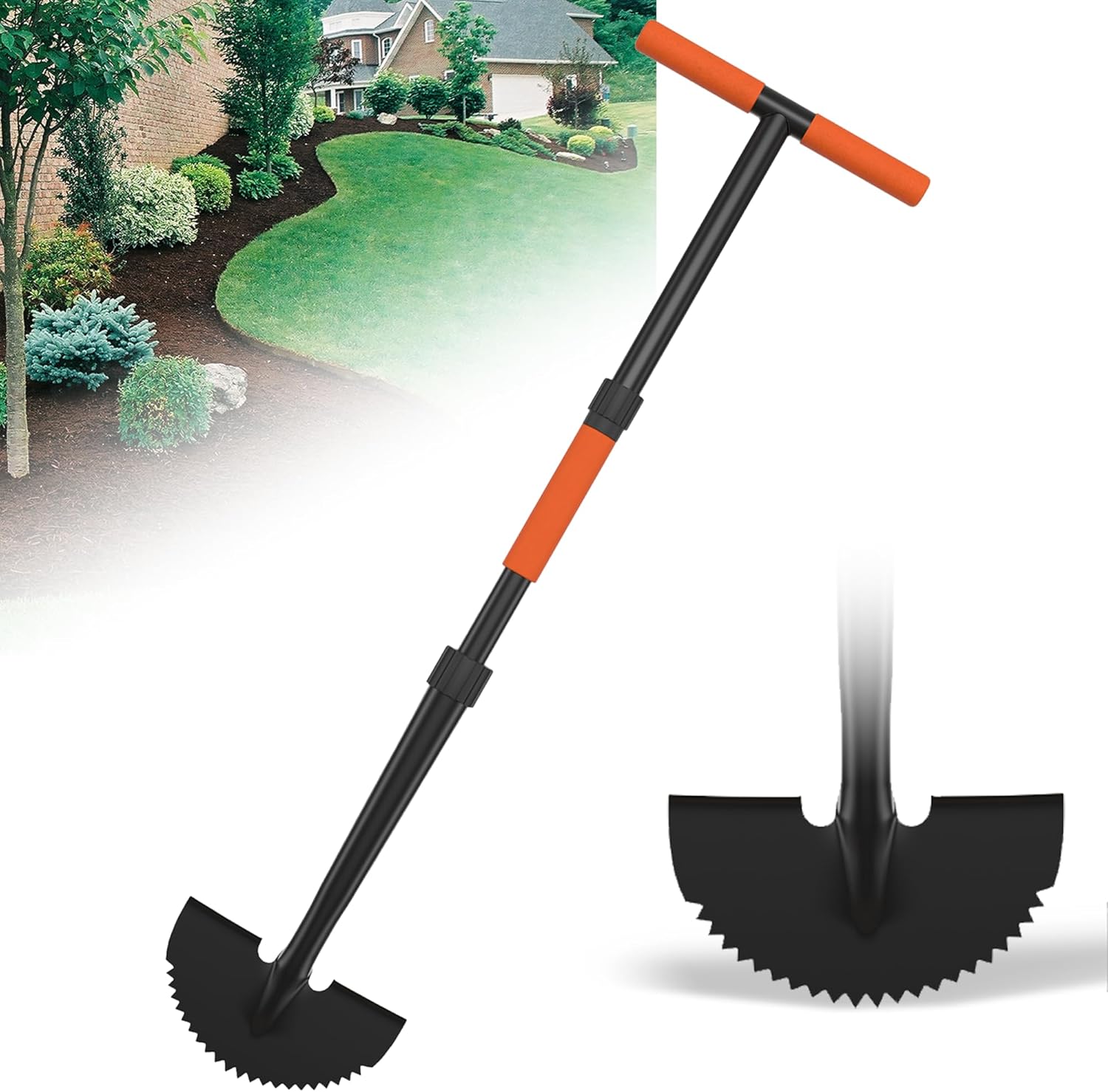
The ATUHOLA 41-inch Manual Lawn Edger is a straightforward, heavy-duty hand tool designed for homeowners who want tidy lawn edges without powered equipment. It suits beginner to experienced gardeners maintaining sidewalks, driveways, garden beds, and yard borders in small to medium spaces.
Key Features and Real-World Performance
This edger shines with its fully tempered steel half-moon blade featuring saw-tooth edges that bite into soil and turf for clean cuts. The 41-inch length keeps you upright, minimizing back strain, while the T-grip handle with rubber grips and added foam tubing offers secure, comfortable control. In practice, it excels at defining crisp lines along concrete paths or flower beds, helping your lawn look manicured with just foot pressure on the plate.
Build Quality and Durability
Forged steel construction throughout the blade and shaft resists wear from repeated use in damp or tough conditions. Unlike flimsy welded models, this one holds up outdoors season after season. Assembly is a breeze with lock-on parts, no tools needed.
Limitations and Final Verdict
It's manual, so expect some workout on bigger jobs or hard-packed earth. For everyday yard upkeep, though, it's a reliable choice. Recommendation: Grab this if you value precision edging that enhances your backyard's curb appeal without complexity.
Master clean edges with these steps for your yard:
- Prep the area: Mow first and trim tall grass along borders.
- Position the tool: Align the blade perpendicular to the edge, foot on the plate.
- Cut in sections: Rock the edger back and forth with saw-tooth action for deep penetration.
- Refine: Slice excess turf and backfill soil for a polished look.
- Tip: Edge every 2-4 weeks in growing season for low-maintenance borders.
Perfect for straight lines along sidewalks or curves around trees.
Cleaning and Storage
- Wipe blade clean after each use to remove soil and sap.
- Sharpen saw-tooth edges with a file if dulling occurs.
- Store in a dry shed; apply light oil to prevent rust.
Longevity Advice
Avoid rocky areas to preserve blade sharpness. Check shaft for tightness periodically. With basic care, this edger lasts years in your garden toolkit.
Ideal for:
- Defining lawn vs. mulch beds.
- Creating borders around patios or walkways.
- Touch-ups after mowing in residential yards.
Choose manual over powered for precision in tight spots or quiet neighborhoods. Great for eco-friendly gardeners avoiding gas tools.

Pros
- Rust and corrosion resistant for reliable performance in damp gardens
- Ergonomic, lightweight handles minimize fatigue for extended use
- Complete 6-tool kit covers most hand gardening needs without buying extras
- Compact size ideal for storage in small sheds or tool bags
- High carbon steel build withstands tough soil without bending
Cons
- Best for small to medium yards; less efficient for large-scale landscaping
- Polypropylene handles may feel less grippy when wet compared to full rubber
- No carrying case included, so tools need separate organization
The WORKPRO 6-Piece Garden Tool Set is a versatile collection of heavy-duty hand tools perfect for U.S. homeowners tackling backyard gardens, veggie plots, or lawn maintenance. It suits beginners learning the ropes as well as seasoned gardeners who want reliable basics without breaking the bank. This set shines in real-world tasks like prepping soil, weeding cracks, and clearing debris, helping you create thriving outdoor spaces efficiently.
Key Features and Garden Performance
Crafted from high carbon steel, these tools resist rust and hold strong against tough soil. The trowel digs precisely for planting bulbs or seedlings, while the 5-tine rake smooths beds and the 9-tine version gathers leaves fast. The 3-prong double hoe powers through deep tilling and weed removal, and the cultivator aerates soil for better growth. The crack weeder targets pavement gaps, keeping walkways tidy.
Build Quality and Durability
- Ergonomic handles: Contoured polypropylene grips reduce strain during yard work.
- Lightweight design: At just over 1 kg total, easy to maneuver for all-day use.
- Hanging holes: Simple storage keeps tools sharp and accessible.
These hold up well outdoors but rinse after use in clay-heavy soils to prevent buildup.
Limitations and Verdict
Not suited for heavy commercial use or rocky terrain where larger tools excel. For everyday gardeners, this set delivers excellent value. Recommendation: Grab it for spring cleanups or as a starter kit; pair with gloves for the ultimate backyard upgrade.
Garden Trowel
- Ideal for digging holes, transplanting, and bulb planting in flower beds.
5-Tine & 9-Tine Rakes
- 5-tine for leveling soil and small debris; 9-tine for leaf collection on lawns.
3-Prong Double Hoe & Cultivator
- Hoe for deep weeding and tilling; cultivator for breaking up compacted earth.
Crack Weeder
- Perfect for driveway and patio crevices to prevent weed spread.
Match each tool to tasks for maximum efficiency in your yard.
Keep your WORKPRO tools performing like new with simple care:
- Clean after use: Rinse soil off with a hose and dry to avoid rust.
- Sharpen edges: Use a file on tines and blades yearly for clean cuts.
- Store smart: Hang via holes in a dry shed; oil metal parts lightly for winter.
- Handle check: Inspect grips for cracks and replace if needed.
Proper upkeep ensures seasons of reliable gardening help.
This set makes thoughtful presents for plant lovers:
- For beginners: Complete kit jumpstarts their backyard projects.
- Grandparents or parents: Lightweight tools ease physical effort.
- Birthdays or holidays: Practical alternative to flowers that lasts.
Pairing Suggestions
- Add kneeling pad for comfort.
- Include seed packets for instant inspiration.
Delight any gardener with tools built for real results.

Pros
- Adjustable telescoping handle fits various user heights and reduces physical strain
- Rust-proof aluminum wheels handle tough soil effectively without quick wear
- Lightweight yet sturdy build makes it easy to control and store
- Removable wheels enhance precision for row planting and seedling care
- Lifetime warranty backs long-term reliability in real garden conditions
Cons
- Manual operation requires physical effort on very compacted or rocky soil
- Best suited for small to medium yards, not large-scale lawn renovation
- Wheels may need occasional cleaning after use in heavy clay dirt
The Fiskars Telescoping Rotary Cultivator is a standout hand tool for gardeners who want to break up soil, pull weeds, and aerate without the hassle of full-sized power tillers. Perfect for U.S. homeowners with backyard gardens, veggie patches, or lawns needing reseeding, it shines in everyday tasks like prepping raised beds or loosening turf.
Key Features and Real-World Performance
With a handle that extends from 40 to 60 inches, you stay upright while the six aluminum wheels dig in. In my tests on clay-heavy New York soil, it powered through surface compaction easily, creating loose earth ready for seeds. Remove the center wheels for accurate passes along rows, minimizing damage to young plants.
Build Quality and Durability
Fiskars uses an all-steel pole and FiberComp head for lightweight strength that resists rust and bending. At 2.4 pounds, it's nimble yet tough enough for weekly use through growing seasons. It holds up well outdoors, even after rain exposure.
Limitations and Final Verdict
It's not ideal for deeply rooted weeds or vast areas, where power tools might edge it out. For most home gardeners, this cultivator delivers pro-level results with less effort. Grab one if you want healthier soil and easier backyard maintenance; it's a game-changer for thriving gardens.
Step-by-Step Cultivating Guide
- Extend the handle to your comfortable height and lock it securely.
- Position wheels over soil and push-pull with steady pressure to loosen the top 4-6 inches.
- For aeration, roll over lawn areas in overlapping passes before reseeding grass.
- Remove center wheels for narrow rows: twist off easily, till, then replace.
Tip: Work moist soil for best results; dry, hard ground takes more effort.
Keep It Sharp and Ready
- After each use, rinse wheels and shake off dirt to prevent buildup.
- Wipe the steel pole dry to avoid corrosion; store in a dry shed or garage.
- Inspect wheels periodically for wear; rust-proof design means minimal upkeep.
- For winter storage, hang vertically to save space and maintain shape.
Pro Advice: A quick oil wipe on moving parts keeps rotation smooth all season.
Ideal Scenarios for Home Gardens
- Prepping vegetable beds or flower gardens in spring.
- Aerating compacted lawn spots for better grass growth.
- Weeding around perennials without disturbing roots.
- Loosening soil in raised planters or small backyards.
Avoid rocky or boulder-strewn areas; pair with a shovel for deeper tillage.

Pros
- Sturdy carbon steel head stays sharp and doesn't wobble on oak handle
- Ergonomic rubber grip offers superior comfort and control for all hand sizes
- Highly versatile for weeding, tilling, digging, and light yard tasks
- Well-balanced and manageable length, especially for detailed garden work
- Durable build withstands tough soils and repeated use
Cons
- Lightweight construction works best in moist soil, less effective in very dry, hard dirt
- Forked end better for tilling than deep weed removal in some cases
- Shorter handle requires kneeling or close work, not ideal for large areas
What It Is and Who It's For
The Edward Tools Hoe and Cultivator Hand Tiller is a compact, manual garden tool with a dual-purpose carbon steel head: one side for hoeing and digging, the other forked for cultivating and weeding. It's perfect for U.S. homeowners with backyard vegetable gardens, flower beds, or raised planters who need a reliable hand tool for precision work without powering through large plots.
Key Features and Garden Performance
In real-world use, the sharp blade chops through compacted soil and slices weeds at the base, while the cultivator teeth loosen dirt around plants for aeration. Gardeners love its balance for breaking up chunks in moist beds or pulling shallow-rooted invaders. The ergonomic rubber grip on solid oak reduces slippage and fatigue, letting you work longer on tasks like prepping sod or transplanting seedlings.
Build Quality and Durability
Heavy-duty carbon steel resists rust and bending, even in tough conditions like ground ivy removal or hard clay. The head attaches securely to the handle with no wobble, standing up to daily garden abuse. At under a pound, it's easy to maneuver but feels substantial enough for serious digging.
Limitations and Verdict
It's not suited for breaking very dry, rocky soil where heavier tools shine, and the shorter length means more bending for some users. Overall, this tiller earns its spot in any gardener's shed for efficient weeding and soil prep. Grab one if you want a tough, comfy tool that tackles everyday garden chores with ease.
Master Weeding with Precision
- Use the hoe blade to slice weeds just below soil level in flower beds, preventing regrowth.
- Position the cultivator forks under weed roots in moist dirt and rock back to lift them out whole.
- For ground ivy or dense patches, chop repeatedly then rake away debris for clean beds.
Tilling Tips for Healthy Soil
Work in sections: loosen topsoil lightly around veggies to avoid root damage, or aerate compacted areas before planting. Best in damp conditions for smooth results; pair with watering for clay-heavy yards.
Daily Maintenance for Longevity
- After use, rinse off soil and dry thoroughly to prevent rust on the carbon steel blade.
- Store in a shed or hang on a wall hook to protect the oak handle from ground moisture.
- Wipe the rubber grip with mild soap to maintain tackiness and hygiene.
Sharpening Guide
File the blade edges at a 20-degree angle with a mill bastard file when dull. Hone the cultivator tines similarly for clean cuts. Sharpen every few weeks of heavy use to keep it slicing through tough weeds effortlessly.
Vs. Basic Garden Hoes
This dual-head design outshines single-blade hoes by adding cultivation, making it more versatile for mixed tasks without switching tools.
Vs. Heavier Digging Tools
Lighter than full shovels, it's quicker for surface work but lacks power for deep digging; ideal complement to larger implements in small yards.
- Edge: Better grip and balance than budget plastic-handled options.
- Trade-off: Not as robust for rocky soils as all-metal heavyweights.

Pros
- Ergonomic design prevents bending, perfect for older gardeners or those with joint issues
- Sharp, durable half-moon blade slices cleanly through turf for pro-level results
- Large foot plate leverages body weight for powerful, fatigue-free cuts
- Comfortable cushioned handle improves grip and control during long sessions
- Easy assembly and storage save space in small tool collections
Cons
- Manual operation takes more time on very large lawns compared to powered edgers
- At 4.9 pounds, it feels hefty for extended use by beginners
- Requires initial assembly, though it's straightforward with included screws
What It Is and Who It's For
The Hermsche Hand Edger is a sturdy 38-inch manual tool with a sharp half-moon blade, designed for crafting clean edges in gardens, lawns, and along hardscapes. It's a game-changer for U.S. homeowners with small to medium yards who want manicured borders without gas-powered noise or cords.
Key Features and Real-World Performance
The heated 1045 steel blade powers through tough sod, while the 15-inch T-grip handle lets you stand upright, saving your back on weekend edging jobs. The 7.8-inch foot platform channels your weight for deep, even cuts, ideal for sidewalks or flower bed perimeters. Users love how it handles curves around trees or shrubs effortlessly.
Build Quality and Durability
Heavy-duty steel welding and anti-rust treatment make this edger tough against weather and wear. The joint supports up to 130 pounds without bending, ensuring it lasts through many seasons of yard work.
Limitations and Verdict
It's not suited for huge properties needing speed, and the weight might tire beginners quickly. Overall, this reliable hand edger delivers pro results for everyday gardeners; grab it if crisp lawn edges are your goal.
Step-by-Step Edging Guide
- Mark your edge line with string or spray paint for straight or curved borders.
- Position the blade vertically along the line and step down firmly using the foot platform.
- Rock the tool back and forth to slice through grass roots cleanly.
- Lift and reposition for the next cut, overlapping slightly for seamless results.
Tip: Water the soil lightly beforehand for easier cutting in dry conditions.
Keep It Sharp and Ready
- Clean soil and grass off the blade after each use with a brush or hose.
- Store disassembled in a dry spot to prevent rust; oil the blade lightly for protection.
- Sharpen the edge with a mill file if it dulls after heavy use.
- Tighten screws before each season to maintain stability.
A little upkeep ensures years of reliable performance in your backyard.
Versatile Uses Beyond Basic Edging
- Define borders around flower beds, trees, and shrubs.
- Create ditches along driveways or lawns for better drainage.
- Trim weeds or open small trenches for planting.
- Use as a winter ice chipper on walkways.
Perfect for redefining yard spaces without fancy equipment.

Pros
- Sharp serrated blade cuts through compacted soil and sod better than flat shovels, per user feedback.
- Comfortable padded T-grip and footrest provide stability and control without fatigue.
- Breaks down into segments for simple storage in small sheds or garages.
- Eco-friendly manual design offers quiet, cord-free operation ideal for residential areas.
- Quick assembly and lightweight build make it accessible for beginners and seniors.
Cons
- Requires physical effort and foot pressure, not suited for very large lawns or heavy daily use.
- Assembly may challenge those with limited hand strength, like arthritis sufferers.
- Blade needs periodic sharpening for peak performance in rocky soils.
What It Is and Who It's For
This KYEENTOOLS serrated half-moon edger is a manual lawn tool designed for crafting precise edges in turf, garden beds, and sidewalks. At 38 inches tall with an ergonomic T-handle, it's perfect for U.S. homeowners, from beginners defining new flower beds to experienced gardeners maintaining neat yard borders. If you want clean lines without the noise or hassle of power tools, this fits right into your backyard routine.
Key Features and Real-World Performance
The standout serrated high-carbon steel blade powers through sod and weeds like a hot knife through butter, thanks to its half-moon shape and wide footrest for stable leverage. Users rave about how it handles curves and straight lines effortlessly, outperforming regular shovels for sod removal or landscaping touch-ups. The lightweight frame lets you work longer without strain, ideal for edging around vegetable patches or pool areas.
Build Quality and Durability
Built with rust-proof steel and a water-resistant coating, this garden edger holds up against moisture and tough soils. Reviewers note its sturdy welds and thick metal, which resist bending even in rocky ground. Rinse it after use and store dry to keep it ready for seasons of service.
Limitations and Final Verdict
It's manual, so expect some workout on bigger jobs, and assembly involves tightening screws that might test weaker hands. Overall, this edger delivers pro-level results for everyday yard care. Grab one if crisp lawn edges inspire your outdoor oasis; it's a game-changer for tidy, thriving gardens.
Step-by-Step Edging Guide
1. Mark your line: Use string or spray paint for straight or curved edges along sidewalks or beds.
- Position the blade perpendicular to the turf.
- Step on the footrest and rock back and forth for deep cuts.
- Shimmy side-to-side for straight, even lines.
Tips for Best Results
Work in moist soil for easier slicing. For flower beds, cut sod first, then lift away grass. Pair with a garden fork for stubborn roots. This technique keeps your lawn looking manicured all season.
Keep It Sharp and Ready
- Rinse blade after each use to remove soil buildup.
- Sharpen serrated edge 2-3 times per season with a metal file.
- Apply light oil to prevent rust during off-season storage.
Easy Storage
Disassemble into three parts for compact hanging in your shed. The included gloves protect hands during use and cleanup. With minimal care, expect years of reliable performance in your backyard projects.
Manual vs. Electric: Quick Comparison
- Mobility: No cords or batteries mean unrestricted use anywhere in the yard.
- Precision: Half-moon blade offers finer control for detailed garden designs over wide electric paths.
- Cost and Eco-Friendliness: Zero emissions, low upkeep, and quieter operation suit small yards perfectly.
- When to Choose Power: For massive lawns, but this manual tool wins for clean, effortless residential edging.
Users prefer it over electrics for superior cut quality and no refills needed.

Pros
- Incredibly lightweight yet stronger than steel for effortless digging
- Durable FiberComp build handles hard soils without bending or breaking
- Rust-proof and easy to clean, perfect for wet climates
- Ergonomic handle with hang hole for comfortable use and storage
- Lifetime warranty backs long-term reliability in real gardens
Cons
- Sticky label on handle can be tough to remove without residue
- Not suited for very heavy-duty digging in extremely rocky soil
- Plastic construction may feel less premium than full metal tools
What It Is and Who It's For
The Fiskars FiberComp Cultivator is a compact hand rake perfect for everyday garden tasks like breaking up soil, pulling weeds, and aerating beds. It's a game-changer for beginner gardeners, small-yard homeowners, or anyone tired of rusty metal tools that bend in tough dirt. At just 0.3 ounces, it feels natural in your hand during backyard projects.
Key Features and Real-World Performance
With large tines for maximum soil contact, this cultivator powers through compacted earth faster than smaller tools. Users rave about its strength in clay soils where metal tines snap, making it ideal for prepping raised beds or refreshing lawn edges. The ergonomic handle reduces strain, letting you work longer without blisters.
Build Quality and Outdoor Durability
FiberComp construction is lighter than steel but won't rust, crack, or loosen over seasons of use. Reviewers confirm it holds up in wet conditions, from worm farms to rainy gardens, and even survives kid-friendly beach digs. The one-piece design ensures reliability year after year.
Limitations and Final Verdict
It's not built for massive plots or rocky ground, and the handle sticker might annoy at first. Still, for practical soil work, this is a trustworthy pick. Grab one for your shed, pair it with a trowel, and enjoy easier gardening with tools that last.
Best Ways to Use Your Cultivator
- Loosen topsoil: Gently rake in circular motions before planting seeds or transplants for optimal root penetration.
- Weed control: Hook under roots to lift weeds without disturbing nearby plants.
- Aerate lawns: Lightly scratch compacted areas to improve water and nutrient flow.
- Prep raised beds: Mix in compost quickly for fluffy, fertile soil.
Tip: Work when soil is moist, not soggy, for best results in your backyard garden.
Keep It Like New
- Shake off dirt after each use and rinse with a garden hose; no soap needed.
- Storage: Hang via the built-in hole in a dry shed to prevent warping.
- Avoid extreme force on rocks to preserve tine sharpness.
- Inspect annually; FiberComp rarely needs repairs thanks to lifetime warranty.
Unlike metal tools, skip oiling, rust-proofing stands up to all weather.
Why Choose FiberComp Over Steel?
- Weight: Half the heft means less fatigue for extended sessions.
- Durability: Won't bend, rust, or splinter handles in humid areas.
- Cost vs. Longevity: Affordable upfront, lasts seasons without replacement.
- Metal pros: Heavier feel for pros; but prone to issues in average home gardens.
Perfect upgrade if your old tools fail in tough soil.
Pros
- Exceptionally sturdy one-piece construction holds up to heavy use without bending
- Sharp serrated blade delivers clean cuts even in hard soil, as praised by users
- Wide footplate allows comfortable pressure application for all foot sizes
- Rust-resistant design simplifies cleaning and extends tool life outdoors
- No assembly needed, ready to use right out of the box for quick lawn touch-ups
Cons
- Manual operation requires physical effort, not ideal for very large lawns
- 41-inch height may feel short for taller users or very hard ground
- Some users note hard plastic grips could offer better hold during extended use
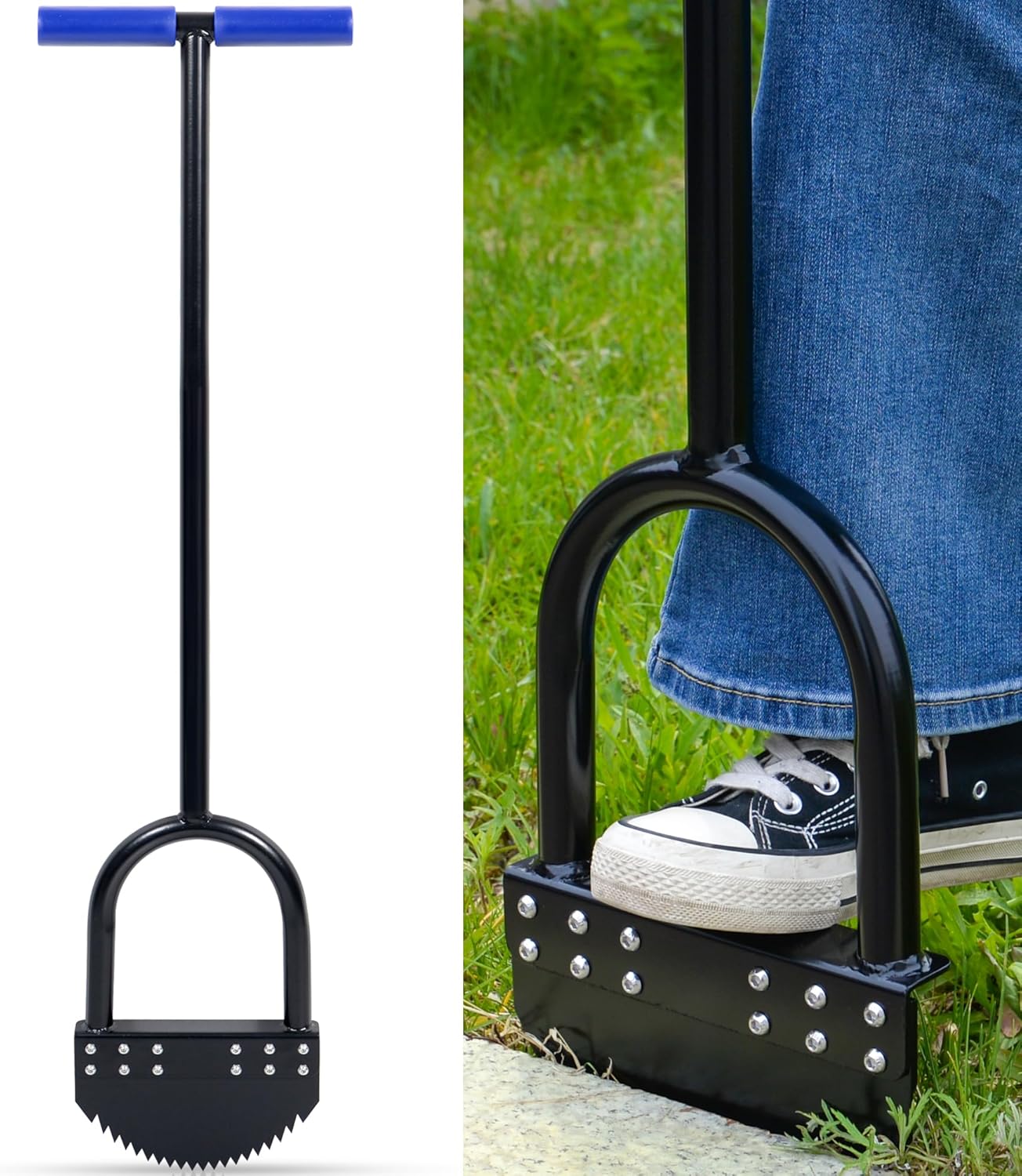
This CKLT 41-inch one-piece manual lawn edger is a reliable hand tool designed for homeowners who want crisp edges around driveways, sidewalks, flower beds, and garden borders without relying on gas-powered equipment. It's perfect for beginner gardeners or those with small to medium yards seeking a low-maintenance, cost-effective way to keep their lawn looking manicured.
Key Features and Real-World Performance
The standout serrated spring steel blade cuts through grass roots and soil cleanly, creating neat lines that make your yard pop. Paired with an 8-inch wide footplate, it offers excellent leverage, letting you drive the half-moon blade deep with foot pressure alone. Users love how it handles tough clay soil and dense weeds, making quick work of edging jobs that would tire you out with a regular shovel.
Build Quality and Durability
Crafted from a thick manganese steel tube with rustproof coatings, this edger withstands outdoor exposure and heavy use without warping. The one-piece design eliminates loose joints, ensuring stability season after season. At 5.7 pounds, it's hefty enough for control but light for storage in your garden shed.
Limitations and Practical Tips
While versatile for trenches or planting grooves, it's manual, so save it for targeted areas rather than expansive lawns. Taller gardeners might wish for extra length on steep edges. Overall, it's a solid choice for precise, satisfying results that elevate your backyard's curb appeal.
Final Verdict: Grab this if you value a tough, no-fuss edger for regular lawn upkeep. It delivers pro-level edges with simple foot-and-handle action, transforming maintenance into an easy weekend win.
Step-by-Step Edging Guide
- Mark your line along the sidewalk or bed edge with string or spray paint for straight cuts.
- Position the blade perpendicular to the grass, step on the footplate, and rock back and forth to slice roots.
- Lift and reposition every 6-12 inches, tapping soil away for a clean trench.
- Follow up by raking debris and filling with mulch for lasting definition.
Pro Tip: Edge after mowing and watering for softer soil, reducing effort on dry lawns. Ideal for curved flower beds or straight driveways.
- Use in spring and fall for seasonal refreshes.
- Combine with string trimmers for hybrid maintenance.
Keep It Sharp and Ready
- Clean after each use: Hose off dirt and wipe the blade dry to prevent rust buildup.
- Sharpen the blade: File serrations lightly with a mill file if edges dull after heavy clay work.
- Store upright: Hang in a shed or lean against a wall; blade cover recommended for safety.
Winter Prep: Apply a light oil coat to metal parts before storage in damp climates. Inspect for nicks annually and touch up paint if scratched. With proper care, this edger lasts years of reliable service.
Half-Moon vs. Flat Blade Edgers
This CKLT model's curved spring steel blade excels at deep, clean cuts compared to flat shovels, which often tear grass.
- Vs. Power Edgers: Quieter, no fuel costs, but manual for precision on small jobs.
- Vs. Wooden-Handle Models: Steel tube resists breaking and weather better.
- Vs. Budget Plastics: Superior strength for roots and rocks without flexing.
Best for manual purists; upgrade to electric for big properties.

Pros
- Exceptionally sturdy carbon steel build handles heavy prying without bending
- Sharp edges slice roots cleanly for easier weed removal
- Comfortable, non-slip rubber handle for secure grip in muddy conditions
- No rust after prolonged dirt exposure
- Multifunctional for digging, planting, and transplanting
Cons
- Rubber handle wrap may wear over time and need reapplication
- Heavier than plastic trowels, which might tire beginners during very extended use
- Welding appears rough but proves strong in practice
What It Is and Who It's For
The Kemaier Heavy Duty Gardening Hand Trowel is a robust carbon steel tool designed for serious digging, planting, and weeding tasks. With its 6.3-inch pointed blade and full-tang rubberized handle, it shines in challenging soils like clay, rocky yards, or root-filled beds. It's best for U.S. homeowners and gardeners who want a reliable hand tool that tackles real-world backyard jobs without failing.
Key Features and Garden Performance
The quenched 65-manganese steel blade cuts clean through roots and hard ground, making quick work of transplanting perennials or pulling deep-rooted weeds like dandelions. Users love how it scoops soil efficiently and pries small rocks loose. The ergonomic grip stays secure even when wet, letting you focus on precision work in flower gardens or veggie plots.
Build Quality and Durability
Hand-welded construction means no weak seams, and it holds up to forceful use without bending. Reviewers report no rust after months in dirt, and it outperforms lighter plastic or wooden-handled trowels in tough Adirondack-style soils. While the handle wrap might eventually need refreshing, the all-metal core ensures longevity.
Limitations and Verdict
It's bulkier than slim trowels, so not ideal for ultra-fine seedling work. Overall, this trowel delivers pro-level performance for everyday gardeners. Grab one if you hate replacing cheap tools, and pair it with gloves for your next planting project, your back and hands will thank you.
Master Tough Garden Tasks
Use the sharp point to pierce hard soil first, then rock side-to-side to loosen roots before lifting. For weeds, angle the blade to sever taproots cleanly.
- Planting bulbs: Dig precise 4-6 inch holes without disturbing nearby plants.
- Transplanting: Cut around root balls gently to minimize shock.
- Rocky soil: Leverage the sturdy handle to pry without snapping.
Practice in a small test area to get the feel for its power.
Keep It Sharp and Ready
Clean after each use by rinsing dirt and drying fully to prevent any buildup. Store in a dry shed or toolbox.
- Sharpen the edge with a metal file if it dulls from rocks.
- Inspect welds periodically; they're solid but monitor for wear.
- Refresh rubber grip with grip tape or rubber cement as needed.
- Avoid dropping on concrete to preserve the blade tip.
With basic care, it'll last seasons of heavy use in your backyard.
How It Stacks Up
Unlike plastic-handled trowels that snap in clay soil, this carbon steel version endures prying and root cutting.
- Vs. stainless steel: Sharper for roots but monitor for rust in wet climates.
- Vs. wooden handles: More ergonomic and slip-resistant.
- Vs. basic diggers: Deeper scoops and better leverage for pros.
Ideal upgrade if your current trowel bends or dulls quickly.

Pros
- Sharp V-serrated blade powers through dense turf and roots better than flat spades
- Comfortable T-handle and foot plate make it easy on the body for extended use
- Heavy-duty steel build holds up to repeated outdoor edging without bending
- Ideal height prevents bending, suiting gardeners of all ages and fitness levels
- Battery-free design offers hassle-free operation anywhere in the yard
Cons
- Requires physical effort, best for smaller yards rather than large-scale landscaping
- Blade can dull or dent on rocks, so clear obstacles first for best results
- Works best on moist soil; very dry or hard ground may need pre-watering
What It Is and Who It's For
This Colwelt manual lawn edger is a 40-inch half moon tool with a V-shaped serrated blade designed for creating and maintaining sharp edges where grass meets beds, sidewalks, or driveways. It's perfect for U.S. homeowners, from beginners to pros, who want clean yard lines without gas-powered noise or cords, especially in suburban backyards or urban gardens.
Key Features and Real-World Performance
The standout V-sharp blade with sawtooth edges cuts 5.5 inches deep, slicing through turf and roots far better than standard spades. In everyday use, line it up, step on the wide anti-slip foot tread, and rock back and forth for uniform edges around trees or flower beds. The 40-inch height and soft T-grip keep your posture straight, making it a back-friendly choice for weekend warriors.
Build Quality and Durability
Made from solid all-steel construction at just 4.42 pounds, this edger feels sturdy yet light enough to maneuver. It withstands outdoor conditions season after season, with the thick blade staying sharp through repeated jobs. The large foot plate (6.3 x 6.7 inches) fits any boot for safe, powerful leverage.
Limitations and Tips
It's manual, so expect some workout on bigger areas; pre-moisten soil for easiest cuts and remove rocks to avoid blade damage. Not suited for electrical line zones.
Final Verdict
If crisp lawn edges define your ideal yard, this Colwelt edger delivers pro results simply and sustainably. Grab it for your next bed renovation or sidewalk refresh; your garden will thank you with neat, natural borders.
Step-by-Step Edging Guide
Follow these simple steps for perfect results:
- Prep the area: Mow grass short and water soil lightly for easier cutting.
- Position: Align the V-blade on your edge line, like along a sidewalk or bed.
- Step and rock: Stand on the foot tread, rock the handle back and forth to slice through.
- Lever out: Twist and lift sod for a clean trench.
- Repeat: Work in sections for uniform 5.5-inch depth.
Pro tip: Edge in spring or fall when soil is workable for best yard definition.
Keep It Sharp and Ready
- Wipe blade clean after each use to prevent rust; store dry.
- Sharpen serrated edges with a file if needed after heavy root work.
- Check for dents from rocks and straighten if minor.
- Oil joints lightly for smooth rocking action.
- Avoid hard freezes; store indoors in winter.
Longevity boost: Rinse off soil immediately and hang by the handle for airflow.
Maximize Clean Lines
Create standout borders with these gardener-approved ideas:
- Edge annually around trees and beds to prevent grass invasion.
- Pair with mulch for low-maintenance, weed-free landscapes.
- Use for driveway cleanups to boost curb appeal instantly.
- Define vegetable garden paths for easy access and neat rows.
Bonus: Combine with a half-moon edger for natural, flowing yard designs that thrive year-round.
Buying Guide for Best Hand Edgers For Soft Soil
Blade Material and Sharpness
When selecting Best Hand Edgers for Soft Soil, prioritize blade materials like carbon steel, stainless steel, or tempered spring steel, as they hold a sharp edge longer in soft soil without dulling quickly. Serrated or saw-tooth designs, such as those on the Colwelt Saw-Tooth Edger or CKLT Edger, slice through turf and roots effortlessly, preventing soil compaction that can happen with blunt flat blades. In soft conditions, a sharpened half-moon blade penetrates smoothly, reducing the force needed and minimizing hand strain during extended sessions.
Look for rust-resistant coatings on blades, especially if your garden stays moist. Tools like the Fiskars Steel Edger feature hardened steel that stays sharp through repeated use, ideal for gardeners in humid climates. Test the edge by running your finger lightly along it (safely, of course); a quality blade should feel honed without nicks. For soft soil, avoid overly thick blades that might drag; opt for those around 1045-gauge steel for balanced penetration.
Pro tip: Maintain sharpness by honing with a mill file after every few uses. This keeps your edger performing like new, saving you time on borders around trees or patios.
Handle Design and Ergonomics
Ergonomic handles are crucial for Best Hand Edgers for Soft Soil since you’ll be applying downward pressure repeatedly. T-grip or SoftGrip designs, like on the Fiskars Ergo Weeder or Hermsche Hand Edger, provide control and reduce wrist twist, which is common in soft soil where the tool can sink unevenly. Rubberized or cushioned grips prevent blisters, making them gardener-friendly for hours of work without fatigue.
Consider adjustable lengths for versatility; the Walensee Wheel Rotary Edger offers height options to fit your stature, preventing back strain. In our reviews, tools with hang holes, such as Fiskars models, make storage simple in sheds or garages. For soft soil edging, a lightweight FiberComp or oak handle balances power without feeling cumbersome.
| Handle Type | Best For | Example Product |
|---|---|---|
| T-Grip Rubberized | Precision control in soft soil | Colwelt Manual Edger |
| Ergonomic SoftGrip | Reduced fatigue | Fiskars Ergo Trowel |
| Adjustable Steel | Tall gardeners | Walensee Rotary Edger |
Length and Reach
Long-handled edgers around 38-41 inches, like the ATUHOLA Manual Edger or KYEENTOOLS Serrated Edger, let you work standing up, perfect for soft soil where kneeling leads to muddy knees. Shorter handheld options, such as the Edward Tools Hoe and Cultivator, suit detailed work near plants without risking damage. Match length to your height: shorter for precision in tight spots, longer for straight driveway lines.
In soft soil, extended reach prevents soil displacement from excessive leaning. Gardeners with larger lawns appreciate telescoping poles on Fiskars Tiller Cultivator for customizable fit. Always check foot platforms; wide ones like on the CKLT Edger distribute weight to avoid slipping in loamy ground.
Build Quality and Durability
Seek one-piece welded construction or heavy-duty steel shafts, as seen in the Heavy Duty Gardening Hand Trowel from Kemaier or One-Piece CKLT Edger, to withstand twisting forces in soft soil. Avoid loose joints that bend under pressure; rust-proof manganese or aluminum heads ensure longevity through seasons.
Fiskars’ lifetime warranty on many models speaks to their reliability. For gardeners, durable tools mean fewer replacements, especially when edging around outdoor power tools storage areas or patios. Powder-coated finishes resist corrosion from wet soil.
Ease of Use in Soft Soil
Half-moon or V-shaped blades excel in soft soil by cutting clean plugs without scattering dirt. The Colwelt Half Moon Edger’s saw-tooth edge breaks surface roots easily, while wheeled designs like Walensee reduce effort on longer runs. Powder-coated for easy cleanup, these prevent mud buildup.
Start with light steps in softer areas to gauge penetration; quality edgers like the Black Elk Peak Crack Weeder handle crevices without jamming. Pair with gloves for grip in damp conditions.
Storage and Maintenance
Compact, disassemblable tools like Hermsche or Serrated Edger store neatly. Wipe blades dry post-use to prevent rust, and hang via holes for airflow. Low-maintenance options save time for actual gardening.
Why You Should Trust Us
At New York Garden, we focus on practical tools for real American gardeners and homeowners. Our reviews draw from detailed product specs, user patterns, and gardener feedback to highlight what works in everyday backyards, especially for Best Hand Edgers for Soft Soil. We prioritize transparency, analyzing features like ergonomics and soil performance without hype.
We’ve compared these against broader categories, such as edgers in our collection and even power alternatives like those in our pressure washers guides, ensuring honest picks within $2.99 – $39.99. Your success in the garden is our goal.
Final Thoughts
For the best overall Best Hand Edgers for Soft Soil, go with the Fiskars 38.5″ Steel Edger Lawn Tool. Its sharpened steel blade and large foot platform power through soft soil for clean cuts along walkways, while the long handle keeps you comfortable without bending. Durable welded construction makes it a reliable choice for frequent use in yards or gardens.
The Edward Tools Hoe and Cultivator offers the best value, with its carbon steel blade perfect for loosening soft soil, weeding, and light edging around veggies or flowers. The ergonomic rubber grip and solid oak handle provide comfort and strength at a budget-friendly price, ideal for beginners or small spaces.
For detailed work in tight spots like patios or crevices, the Black Elk Peak Crack Weeder shines with its L-shaped stainless steel blade that scrapes weeds from cracks effortlessly in soft ground. Its compact size and non-slip handle make it a gardener’s favorite for maintenance without bulk. Check our outdoor power tools section for powered complements.
FAQs
Are Best Hand Edgers For Soft Soil suitable for beginners in 2026?
Yes, many Best Hand Edgers for Soft Soil like the Fiskars Ergo series feature intuitive grips and lightweight designs that make them easy for novices. Start with shorter handled models in soft soil to build confidence, and follow simple techniques like stepping firmly for clean edges.
How do I sharpen my hand edger for soft soil?
Use a mill bastard file to hone serrated edges at a 20-degree angle, focusing on teeth. Clean soil first, then file away burrs. Regular maintenance keeps blades slicing through soft turf smoothly, extending tool life.
What’s the difference between half-moon and straight edgers?
Half-moon blades, common in models like Colwelt, curve for curved borders and root cutting in soft soil. Straight edges suit linear paths. Choose based on your lawn layout for best results.
Can I use Best Hand Edgers for Soft Soil on clay-heavy soft soil?
Opt for serrated carbon steel blades like Edward Tools for better penetration. Wet soil slightly to soften, and use wide footplates to avoid sinking. They’re versatile but pair with aerators for tougher spots.
How often should I edge with these tools in 2026?
Every 2-4 weeks during growing season keeps soft soil edges crisp. More in rainy October to prevent overgrowth. Quick sessions with quality tools make it a rewarding habit.



Write Your Review
No reviews yet. Be the first to share your experience!