

Planting trees in your backyard or lawn can transform your outdoor space, but it starts with the right tool for digging those perfect holes and tackling tough roots. Whether you’re a seasoned gardener sprucing up your property or a homeowner adding shade and beauty this 2026, choosing the right garden shovel makes all the difference. Our guide to the 10 Best Garden Shovels For Tree Planting highlights durable, ergonomic options designed specifically for tree planting tasks, helping you avoid sore backs and broken tools.
From serrated blades that cut through roots like butter to sturdy handles that provide leverage for deep digs, these shovels are gardener-tested favorites. We focus on practical features that suit American yards, where soil can range from clay-heavy to rocky. Dive in to find the perfect match for your next planting project and elevate your gardening game.
Top Products

Pros
- Sharp serrated edge cuts roots cleanly on the first try, saving time in dense gardens
- Comfortable O-handle grip improves control and power for precise digging
- Heavy-duty construction holds up to repeated use in clay or rocky soil
- Lightweight yet strong resin-encased shaft balances durability with ease of use
Cons
- Not designed for prying rocks or heavy leverage, which could bend the blade
- V-tip requires a short learning curve for optimal root-cutting technique
- Heavier than basic plastic shovels, better for targeted tasks than all-day large-scale digging
The Radius Garden Root Slayer 22011 is a specialized serrated garden shovel built for tackling tough soil and roots that plague many backyard gardens. It's ideal for U.S. homeowners, from beginners expanding flower beds to experienced gardeners renovating landscapes with tree roots or compacted clay.
Key features shine in real-world use: the inverted V-shaped tip and serrated edges slice through dense ground and fibrous roots like butter, making hole-digging for shrubs or veggies far less frustrating. The ergonomic O-handle offers excellent leverage, letting you drive the blade deep with minimal strain on hands and wrists, perfect for those weekend yard projects.
Build quality stands out with its heavy-duty carbon steel blade and rust-resistant powder coat, ensuring it endures outdoor exposure, wet soil, and frequent use. The resin-encased steel shaft adds strength without excess weight, though it's best for cutting and digging rather than prying.
Limitations include avoiding excessive leverage, as it's not meant for rock-breaking, and it may feel hefty for very light tasks. Overall, this root-cutting shovel earns high marks for transforming challenging digs into manageable jobs; grab it if your garden has tough soil.
Maximize the Root Slayer's power with these practical techniques:
- Position the V-tip at a 45-degree angle to pierce roots cleanly before twisting gently.
- Rock the shovel side-to-side after insertion to loosen packed dirt around tree roots.
- For garden beds, dig in short strokes to avoid fatigue and maintain blade sharpness.
- Pair with watering soil beforehand for easier penetration in dry, hard ground.
These methods make root removal quicker and safer for healthier plantings.
Keep your Root Slayer performing like new:
- Clean off soil and roots after each use with a hose or brush to prevent rust buildup.
- Apply a light oil coat on the blade for storage, especially in humid areas.
- Hang by the handle in a dry shed or garage to avoid blade dulling on concrete floors.
- Sharpen serrated edges annually with a file for ongoing root-cutting efficiency.
Proper care ensures decades of reliable digging service.
Compared to standard round-point shovels:
- Root cutting: Serrated V-blade outperforms flat edges on fibrous roots.
- Ergonomics: O-handle beats D-grips for leverage in compact soil.
- Durability: Carbon steel with powder coat lasts longer than basic steel in wet conditions.
- Best for targeted yard work; traditional shovels suit loose soil better.
Choose Root Slayer for root-heavy gardens over everyday spades.

Pros
- Razor-sharp serrated blade cuts roots cleanly on the first pass
- Lightweight fiberglass handle with non-slip grip for comfortable all-day use
- Widened, textured foot steps prevent slipping and add pushing power
- Durable steel head with powder coating resists corrosion and wear
- Compact narrow design perfect for precision work in small yards
Cons
- At 4.4 pounds, it feels heavier than basic garden trowels for light tasks
- 44-inch length may be unwieldy for shorter users or very confined areas
- Narrow blade not suited for scooping or moving large volumes of loose soil
This HANTOP Drain Spade is a specialized narrow shovel with a serrated edge, perfect for gardeners dealing with root-bound soil, tight planting spots, or trenching projects in backyards. It suits beginner to experienced homeowners who want a reliable tool for transplanting trees, digging narrow ditches for irrigation, or clearing roots without a full-sized shovel.
Key features shine in real garden work: the sharp 1050MN steel blade with side serrations powers through fibrous roots and hard-packed earth, while the 7-inch narrow head slips easily between plants. The fiberglass handle offers strength without the weight of wood, and the D-shaped PP grip plus widened foot pedals make it comfortable for repeated use in veggie patches or lawn edges.
Build quality impresses with tempered steel that's powder-coated for rust resistance, embossed neck for grip, and overall durability that holds up in wet New York soils. It's not prone to bending like cheaper spades, ensuring longevity through seasons of landscaping.
Limitations include its weight for casual light digging and the long handle, which might not fit storage in tiny sheds. For broad soil moving, opt for a round-point shovel instead.
Overall, this is a top pick for practical gardeners needing precision and power; grab it if roots or trenches are your frequent foes for thriving outdoor spaces.
Master tough digs with these gardener-tested techniques using your drain spade:
- Start at an angle to sever roots near the surface, then go deeper for clean lifts.
- For trenches, rock the blade side-to-side with serrations to slice soil evenly.
- Water soil a day before to soften roots, making cuts 30% faster.
- Transplant by circling roots fully before prying up to minimize plant shock.
- Pair with gloves for safety when tackling thick tree roots.
Ideal for installing soaker hoses or edging beds without disturbing lawns.
Keep your serrated spade sharp and ready for the next season:
- Clean blade after each use with a hose to remove dirt and sap.
- Apply light oil to serrations and pivot areas to prevent rust.
- Store upright in a shed or hang by the handle to avoid blade dulling.
- Sharpen teeth with a file if needed, focusing on the cutting edge.
- Avoid sandpaper on powder coating to maintain its soil-shedding finish.
With proper care, expect years of reliable performance in rainy climates.
This spade excels in these common backyard scenarios:
- Digging narrow trenches for landscape fabric or drip lines.
- Cutting roots when dividing perennials or moving established plants.
- Planting bulbs, small shrubs, or veggies in confined raised beds.
- Clearing sod strips for new pathways or borders.
Great for urban gardens where space is tight and precision matters most.

Pros
- Polished aluminum head stays sharp and resists rust for long-lasting sharpness
- Ergonomic non-slip handle provides excellent control and comfort in tough soil
- Lightweight at 6.4 ounces yet powerful enough for heavy-duty tasks
- Hang hole for convenient storage saves space in your garden toolkit
- Top-ranked in gardening trowels for proven reliability
Cons
- Best for hand-sized holes, not suited for large-scale digging projects
- Aluminum construction may flex slightly in extremely rocky soil
- Single-purpose design lacks versatility for transplanting larger plants
What It Is and Who It's For
The Fiskars Ergo Trowel is a robust hand trowel crafted for gardeners who face tough, compacted soil in their backyards. With its cast-aluminum head and ergonomic handle, it's perfect for U.S. homeowners from beginners planting herbs to pros maintaining flower beds or veggie gardens.
Key Features and Real-World Performance
This trowel shines in everyday tasks like digging planting holes or lifting perennials. The polished aluminum blade slices through turf cleanly, while the ergonomic grip minimizes wrist strain during extended use. In clay-heavy soils common in many regions, it powers through without bending.
Build Quality and Durability
Built to last, the rust-resistant head and sturdy handle endure outdoor exposure and heavy digging. At 12.25 inches long, it's compact yet effective, with a hang hole for easy organization in your shed.
Limitations and Verdict
It's not ideal for rocky ground or big excavations, where larger tools work better. Overall, this trowel is a must-have for precise backyard gardening; grab one to make soil work simpler and your garden thrive.
Essential Techniques for Better Results
Use the Fiskars Ergo Trowel for these common tasks:
- Planting bulbs: Dig 4-6 inch holes quickly without disturbing nearby roots.
- Transplanting seedlings: Lift plants gently to preserve root balls.
- Soil turning: Aerate compacted areas in raised beds for healthier growth.
- Weeding prep: Loosen soil around deep-rooted weeds before pulling.
Tip: Angle the blade at 45 degrees for maximum cutting power in tough turf.
Keep It Sharp and Ready
Maintain your trowel for peak performance:
- Wipe clean after each use and dry thoroughly to prevent rust buildup.
- Store via the hang hole in a dry shed, away from moisture.
- Occasionally sharpen the edge with a file if soil wear dulls it.
- Avoid dropping on concrete to preserve the aluminum head.
With proper care, it lasts seasons of reliable digging.
How Fiskars Stacks Up
Vs. Steel trowels: Lighter and rust-proof, but may not hold an edge as long.
Vs. Plastic-handled models: Far more durable with better grip for heavy soil.
Vs. Budget options: Superior ergonomics reduce fatigue, justifying the investment for frequent gardeners.
Best for those prioritizing comfort and longevity in backyard tasks.

Pros
- Strong cold-rolled steel blade cuts through tough soil effectively
- Ergonomic D-handle and foot pedals improve leverage and comfort
- Versatile for multiple tasks from gardening to snow shoveling
- Lightweight yet sturdy build suits beginner and experienced gardeners
- Long wooden handle offers good reach without feeling heavy
Cons
- Wooden handle may require occasional sealing to prevent weathering
- Blade shape best for softer soils, less ideal for extremely rocky ground
- Fixed 41-inch length might feel short for very tall users
This VNIMTI round point shovel is a versatile 41-inch garden tool with a D-shaped wooden handle, perfect for homeowners who handle diverse yard projects from planting to snow removal. It suits beginner gardeners and outdoor enthusiasts needing a reliable all-season digger for small to medium lots.
The drop-shaped blade slices into packed soil smoothly, aided by foot fins for stepping down hard. Use it for digging holes, transplanting, edging lawn borders, or trenching irrigation lines; its light weight keeps you going without fatigue during backyard makeovers.
- Steel head quenched for hardness resists deformation on stones.
- Wood handle feels natural and durable in outdoor conditions.
While excellent for most soils, it shines brightest in loamy or clay mixes rather than pure rock. Overall, this shovel earns high marks for everyday reliability; grab it if you want one tool for year-round garden maintenance.
Recommendation: Ideal starter shovel for U.S. homeowners building thriving lawns and gardens.
Master garden digging with this round point shovel by starting with moist soil for easier penetration. Angle the blade at 45 degrees to slice roots cleanly when transplanting perennials or veggies.
- For lawn edging, follow curves smoothly to create neat borders.
- Trench for bulbs or hoses by rocking the blade side-to-side.
- In fall, clear leaves or stumps without damaging turf.
Practice leverage on the D-handle to save your back during big projects like shrub planting.
Keep your shovel sharp and ready by cleaning off dirt after each use and storing it dry. Oil the steel blade lightly to prevent rust in humid climates.
- Sand wooden handle annually and apply linseed oil for weather protection.
- Avoid leaning against fences to prevent handle bends.
- Sharpen edges with a file for better soil cutting over time.
With basic care, it lasts seasons of heavy garden work.
Leverage this shovel's versatility across seasons: spring for pits and transplants, summer for gravel moving, fall for weed clearance, winter for driveway snow.
- Beach or camp trips: packs easily for sand digging.
- Survival kit essential for emergency trenching.
- Repair lawn edges post-storm quickly.
One tool simplifies storage and reduces clutter in your shed.
Pros
- Serrated edge excels at root cutting and bag opening for efficient bed prep
- Extra-deep scoop holds more soil with less mess during transport
- Lightweight yet durable alloy construction feels sturdy without tiring hands
- Comfortable non-slip grip supports all-day use in various weather
- Lifetime guarantee adds peace of mind for serious gardeners
Cons
- Oversized design may feel bulky for very small pots or delicate transplanting
- Serrated tip requires occasional cleaning to maintain sharpness
- Not suited for heavy clay or rocky soil without additional leverage
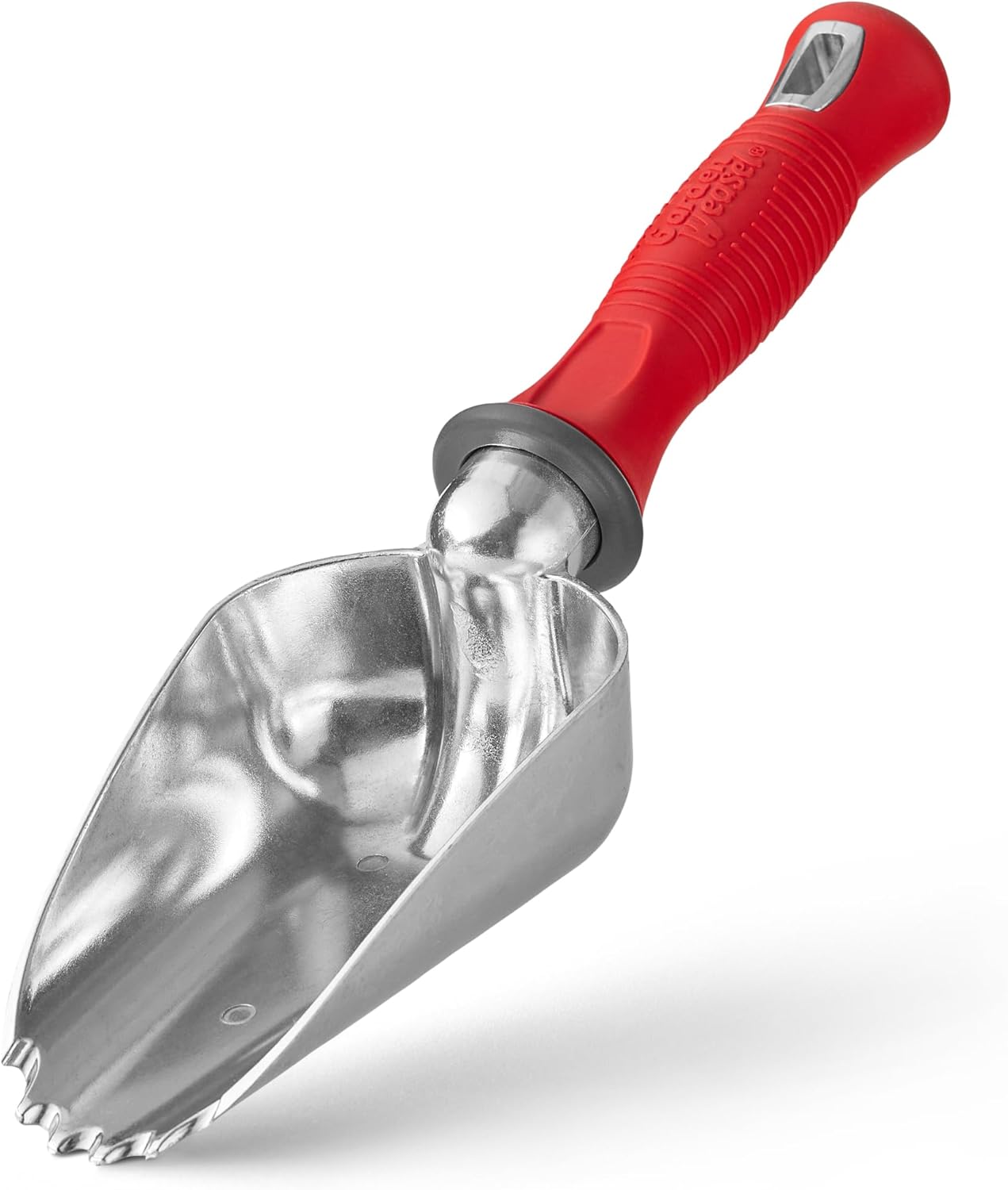
The Garden Weasel Oversized Potting Scoop is a heavy-duty hand shovel perfect for homeowners tackling potting, planting, and soil work in backyards or raised beds. It's especially handy for beginner to intermediate gardeners who want one tool to dig, cut, and scoop without switching between trowels and knives.
Key features shine in real gardens: the serrated tip slices roots and opens seed bags effortlessly, while the 1.25-inch deep scoop grabs generous amounts of soil or compost with minimal spillage. The ergonomic 6-inch rubberized grip lets you lever into tough dirt using your forearm, reducing strain during extended sessions prepping veggie patches or flower borders.
Built from proprietary Aluminiron alloy, it resists rust and stays lightweight for years of reliable use. A quick rinse keeps it ready for the next job, holding up well against daily outdoor exposure. While versatile, it's best for smaller-scale tasks rather than large excavation.
Overall, this potting scoop boosts efficiency for everyday gardening. Grab it if you plant frequently or manage containers; pair with gloves for the ultimate hand-tool setup.
Grip like a hammer for control: drive the scoop with wrist and forearm, then palm-push the end for leverage in firm soil.
- Use the serrated tip to score and break hard clumps before scooping.
- Transfer soil from bags directly to holes to save steps.
- For roots, angle the edge and rock back and forth gently.
- Ideal for potting mixes in raised beds or starting seeds indoors.
Avoid over-forcing to prevent fatigue; it's designed for precision over power.
Keep your scoop performing like new with simple habits.
- Rinse off soil and debris after each use; air dry to prevent rust.
- Sharpen the serrated edge occasionally with a file if it dulls on tough roots.
- Store hanging via built-in eyelets in a dry shed spot.
- Wipe the grip with mild soap for lasting non-slip traction.
This routine ensures decades of service from the durable Aluminiron construction.
Tailor this scoop to your setup:
- Vegetable gardens: Prep beds by cutting roots and scooping amended soil.
- Container planting: Transfer potting mix without mess.
- Compost handling: Scoop and spread mulch efficiently.
- Flower beds: Dig precise holes for bulbs or perennials.
Great for urban yards or patios where space limits full shovels.

Pros
- Serrated edges shred roots and tough soil effortlessly, as praised by gardeners removing shrubs and ferns
- Sturdy carbon steel build holds up to heavy use without bending or rusting
- Comfortable, grippy handle reduces fatigue for seniors and shorter users alike
- Lightweight at 1 kg yet powerful for digging post holes and tunnels
- Sharpens easily with a grinder for long-term edge retention
Cons
- Foot ledge is narrow, making it tricky for larger feet when pushing down hard
- Can deform if used as a pry bar on very large stumps instead of digging around roots
- Requires occasional sharpening for thick roots over 1/2 inch
What It Is and Who It's For
The Root Assassin 48" Shovel/Saw is a specialized garden shovel with a narrow, serrated carbon steel blade and long handle, perfect for U.S. homeowners facing root-heavy soil, stumps, or weeds in backyards and lawns. It's ideal for beginner to experienced gardeners who want one tough tool for landscaping jobs that regular shovels can't handle, like removing small stumps or transplanting in compacted dirt.
Key Features and Real-World Performance
This root cutting shovel shines with its sharp serrated edges on both sides, curved pointed tip, and enhanced blade structure that slices through obstructions like butter. Gardeners report it powers through tree roots, fibrous plants like foxtail ferns, and even black bamboo clumps with less effort. The 48-inch length gives great leverage for deep digs, while the red rubber-coated D-handle ensures a secure, comfortable grip even when soil is wet.
Build Quality and Durability
Made of durable carbon steel with a sturdy metal handle, this tool withstands rugged conditions without chipping or rusting. Users in tough spots like Colorado mountains call it a 'work horse' for oak roots and mole tunnels. The lifetime replacement guarantee backs its reliability for years of outdoor use.
Limitations and Tips
It's not a pry bar, so avoid levering huge stumps to prevent bending. The foot ledge could be wider for better stepping. Pair it with clippers for roots thicker than 1/2 inch.
Final Verdict
If your yard battles roots or hard soil, the Root Assassin shovel saw is a game-changer that saves time and back pain. Grab it for smarter gardening and thriving outdoor spaces.
Step-by-Step for Stumps and Weeds
1. Circle the target: Use the pointed tip to outline around the stump or weed base, letting serrated edges cut initial roots.
- Work in a circle to loosen the entire root ball.
- Apply steady foot pressure, avoiding prying.
2. Dive deeper: Leverage the long handle to penetrate compacted soil and slice fibrous roots.
3. Lift and extract: Rock gently to pop out the plant, then shake off dirt for transplanting or composting.
Pro Tip
For tree roots, dig a trench first and saw through horizontally. This method works great for backyard cleanups and healthier lawns.
Keep It Sharp and Ready
- Clean after use: Rinse soil off the blade and dry to prevent rust; store in a shed.
- Sharpen serrations: Use a bench grinder or file on edges every few months, focusing on both sides of the blade.
- Handle care: Wipe rubber coating; inspect for cracks from heavy impacts.
Avoid rocky soil to preserve the edge. With basic upkeep, this carbon steel shovel stays effective for seasons of digging.
Winter Storage
Hang vertically in a dry spot; lightly oil the blade for protection against moisture.
Why This Wins for Tough Jobs
- Edge advantage: Serrated blade cuts roots vs. standard flat shovels that bounce off.
- Leverage boost: 48" handle beats short garden trowels for deep backyard digs.
- Versatility: Handles stumps and weeds where round-point shovels fail in clay soil.
Regular shovels suit loose dirt planting; Root Assassin excels in root-choked lawns and landscaping overhauls.

Pros
- Serrated rip-saw teeth cut roots effortlessly for smoother digging
- Ergonomic O-handle improves control and comfort during long sessions
- Lightweight yet sturdy build suits beginners and pros in confined areas
- Narrow blade allows precise work around existing plants
- Fiberglass shaft resists rust and flex for reliable outdoor use
Cons
- Smaller size limits efficiency for large-scale digging or big lawns
- Requires occasional sharpening to maintain peak cutting performance
The Radius Garden Root Slayer 23311 Perennial Shovel is a compact powerhouse for gardeners tackling perennials, raised beds, and tight spaces. It's perfect for U.S. homeowners with small yards or flower gardens who need a tool that cuts roots without the hassle of switching implements.
Key features shine in real-world use: the inverted V-tip with ripsaw teeth powers through stubborn roots and sod, making transplanting or dividing plants quicker and less frustrating. The ergonomic O-handle offers superior grip over standard D-handles, giving better leverage so you dig deeper with less effort, even in compact soil. At 43.5 inches overall, its fiberglass shaft keeps it light at 3.25 pounds while providing reach for backyard chores.
Build quality stands out with a powder-coated carbon steel blade and reinforced shaft that withstands tough outdoor conditions, from damp gardens to dry lawns. It's nimble for precise work but holds up to daily demands like landscaping or campground setups.
Limitations include its smaller blade, which isn't suited for massive earth-moving jobs. Still, for most home gardeners, this versatility outweighs any drawbacks.
Final verdict: Grab this if you battle roots in perennials or raised beds. It's a reliable, user-friendly addition that boosts efficiency and comfort in your garden routine.
Maximize the Root Slayer's potential with these practical tips for tough garden tasks.
- Position the serrated edge against roots and rock back and forth to saw through without jamming.
- For transplanting, outline the plant first with the V-tip to lift intact root balls cleanly.
- In raised beds, angle the blade vertically for narrow trenches that spare neighboring plants.
- Use the O-handle leverage to pry sod in lawns, starting at edges for easy rollout.
Practice in soft soil first to master the cutting action for faster results.
Keep your perennial shovel performing like new with simple maintenance.
- Clean blade after each use by hosing off soil and wiping dry to prevent rust.
- Sharpen serrated teeth with a fine file, matching the factory angle every few months.
- Store upright in a shed or hang by the handle to avoid blade damage.
- Inspect fiberglass shaft for cracks annually; it's tough but avoid extreme impacts.
With basic care, this tool delivers years of reliable root-cutting service.
Here's how the Root Slayer 23311 stacks up against standard garden shovels.
- Vs. Traditional Spade: Adds root-cutting teeth and O-handle for easier leverage in tough soil.
- Vs. Full-Size Root Slayer: Lighter and more compact for small spaces, but same blade strength.
- Vs. Mini Diggers: Longer shaft provides reach without sacrificing maneuverability.
Choose this for precision over bulkier options in perennial or bed work.

Pros
- Razor-sharp edges make slicing roots and soil faster and easier
- High-strength manganese steel ensures long-lasting toughness
- Smooth fiberglass handle offers secure, comfortable hold
- Ideal length for standing upright while digging deep holes
- Lightweight at 4.4 lbs for its power and reach
Cons
- Narrow 2-inch blade best for precision work, not broad shoveling
- 4.4 lb weight may feel heavy for lighter-duty or elderly users
- Long handle can be tricky in tight garden spaces
This HANTOP drain spade is a heavy-duty digging shovel designed for serious garden tasks like trenching, transplanting shrubs, and root removal. With its narrow, edged blade, it excels in compact spaces where wider shovels struggle, making it perfect for urban backyard gardeners or those with established lawns needing precise digs.
The standout features shine in real-world use: the sharpened tip and sides powered by 1050 manganese steel slice through compacted soil and thick roots with minimal effort, while the 44-inch fiberglass handle gives excellent leverage for deep holes without bending over. It's built for versatility, from prepping raised beds to cleaning drainage ditches.
Build quality impresses with a tempered, powder-coated head that fights rust and wear, paired with a smooth, durable handle that stays comfortable even when wet. At 4.4 lbs, it's sturdy without being overly burdensome for most users.
Limitations include its narrow profile, which isn't suited for moving large piles of loose dirt, and the length that might feel awkward in very confined areas. Still, for targeted digging, it outperforms basic garden spades.
Overall, grab this drain spade if you tackle tough soil regularly; it's a reliable workhorse that boosts efficiency in everyday gardening and lawn projects.
Maximize your drain spade's power with these gardener-approved methods:
- Root cutting: Angle the blade to slice under roots, rocking gently for clean removal without damaging nearby plants.
- Trenching: Start shallow and work deeper, using the edges to define straight lines for irrigation or edging.
- Transplanting: Circle the plant base, then lever out with the long handle for minimal disturbance.
- Tip: Keep soil moist for easier penetration in clay-heavy yards.
Keep your drain spade sharp and ready all season:
- Wipe clean after each use and dry thoroughly to prevent rust.
- Store in a dry shed or hang vertically to protect the handle.
- Sharpen edges occasionally with a mill file for peak cutting performance.
- Avoid leaning against walls to prevent blade bends.
Winter prep: Coat with light oil and cover the head for protection against moisture.
This tool fits best when:
- You need precision over volume, like narrow trenches or root work.
- Standard shovels bounce off tough soil or sod.
- You're prepping for trees, bulbs, or deep-rooted veggies in raised beds.
Opt for wider blades for loose dirt hauling or lighter fiberglass for all-day weeding.
Pros
- High-efficiency spiral design digs faster than manual tools
- Versatile for planting, tilling, mixing, and more garden tasks
- Fits standard 3/8-inch hex chucks on common drills
- Durable construction holds up to repeated outdoor use
- Easy to clean and maintain for long-term performance
Cons
- Requires an 18V or higher drill to handle tougher soils effectively
- May bind or struggle in very rocky or heavily compacted ground
- Needs thorough cleaning after each use to prevent rust or buildup
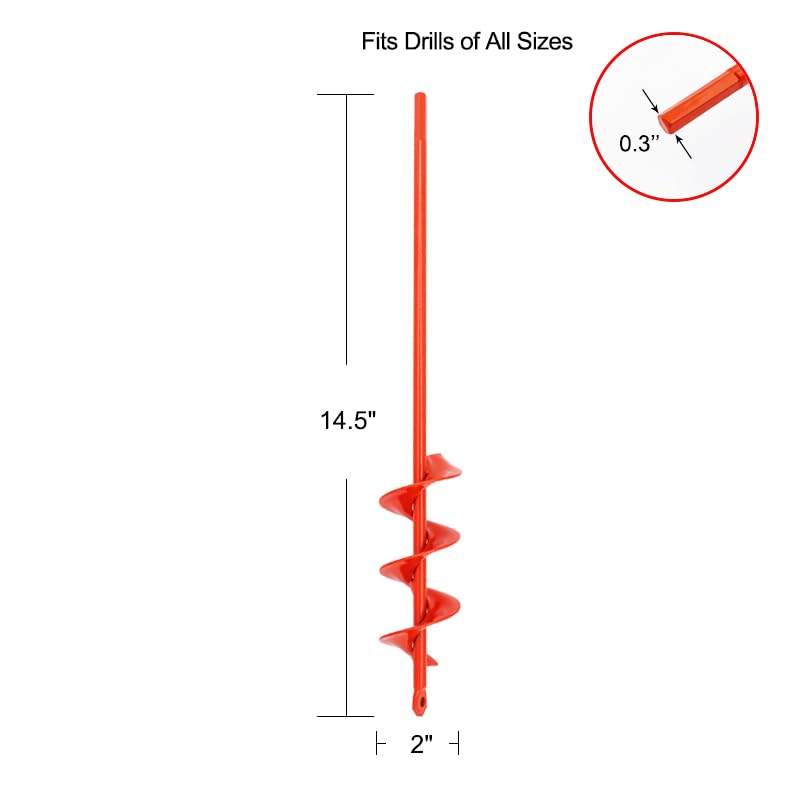
This MAXCCINO Auger Drill Bit turns your cordless drill into a speedy hole digger, perfect for U.S. homeowners planting bulbs, veggies, potted plants, bare-root trees, or shrubs in backyards and raised beds. It's a game-changer for beginner gardeners tired of manual digging and experienced ones prepping larger areas efficiently.
Key features shine in real-world gardening: the 2-inch diameter and 14.5-inch length handle most planting depths, while upgraded blades and spiral flutes pull soil up smoothly for quick, clean holes. Use it to till planter boxes, mix seed-starting soil, or even blend fertilizer batches. In loamy or sandy garden soil, it outperforms hand tools every time.
Built from high-carbon steel, it withstands outdoor rigors when cleaned properly, and the non-slip 3/8-inch hex shank fits securely in any compatible drill. Pair it with an 18V model for best results in clay-heavy yards.
Limitations include needing a powerful drill and avoiding rocky soil, where it might snag. Still, for everyday garden tasks, it's reliable without the hassle of big machinery.
Overall, grab this auger if you want faster planting and less strain. It's a must-have for thriving lawns and gardens, highly recommended for practical outdoor living.
Attach the auger to your 3/8-inch hex chuck drill securely. Use an 18V or higher cordless model for power.
- Mark your hole spot and start the drill at low speed to penetrate soil.
- Apply steady downward pressure while drilling; let the spiral do the work.
- Lift periodically to clear soil buildup, especially in clay.
- For planting, drill to desired depth, then drop in bulbs or roots.
- Clean immediately after use with a brush and water; dry fully to prevent rust.
Tip: Test in soft soil first to get the feel, and wear gloves for safety.
This auger excels in common gardening scenarios:
- Bulb and flower planting: Perfect 2-inch holes for tulips, daffodils in fall beds.
- Vegetable starts: Quick digs for tomatoes, peppers in rows or containers.
- Tree and shrub holes: Efficient for bare-root stock in lawn edges.
- Soil prep: Tills raised beds or mixes amendments evenly.
- Beyond garden: Post holes for trellises or sandbox anchors.
Great for small yards where manual tools tire you out fast.
Keep your auger sharp and ready with simple care.
- Remove all soil and debris right after use using a stiff brush.
- Wash with mild soap and water; avoid harsh chemicals.
- Dry completely and apply light oil to the shaft and blades.
- Store in a dry shed or garage, hung to prevent bending.
- Inspect for wear before each season; contact support if needed under warranty.
Proper upkeep ensures years of reliable digging performance.

Pros
- Ergonomic handle prevents slips and eases force for better control in small areas
- Durable thickened blade excels at digging, trenching, and weeding in various soils
- Compact and lightweight for easy transport to gardens, campsites, or beaches
- Multi-season utility from spring planting to winter snow removal
Cons
- Small size limits it for large-scale digging or deep trenches in big yards
- May feel short for taller users during prolonged standing tasks
- Metal handle lacks adjustability, best for average-height gardeners
This DIOVPLX 31-inch small garden shovel is a compact, heavy-duty mini spade designed for precise digging in confined spaces. It suits beginner gardeners, small-yard homeowners, and families who want a versatile tool for backyard tasks, camping, or kids' play without taking up much room.
Key features like the ergonomic curved D-handle with foam padding make it comfortable for applying leverage, while the sharpened, thickened blade powers through soil for weeding, transplanting, and trenching. In real-world garden use, it excels at tight spots around raised beds or perennials, saving time on small jobs that full-size shovels can't reach.
Built entirely from sturdy metal, it withstands outdoor rigors like rocky soil and moisture, promising longevity with basic care. However, its petite size means it's not ideal for major excavation projects.
Overall, this portable shovel earns a strong recommendation for everyday gardeners seeking a reliable, space-efficient digger that handles year-round chores with ease.
Maximize your DIOVPLX small garden shovel with these practical techniques for healthier soil and plants.
- Start with short, angled strokes to loosen compacted dirt around roots or in narrow beds.
- For transplanting, dig a clean circle to preserve root balls, then gently lift.
- Weed efficiently by inserting the blade under roots and twisting for full removal.
- In sandy soils, use the curved handle for better leverage during deeper digs.
- Pair with a kneeling pad for low-level work to avoid back strain in veggie gardens.
Keep your DIOVPLX garden shovel performing like new through simple upkeep routines tailored for outdoor enthusiasts.
- After each use, rinse off dirt and dry to prevent rust on the metal blade and handle.
- Sharpen the edge periodically with a file for smoother cutting through tough ground.
- Store in a dry shed or hang upright to avoid bending the handle over time.
- Apply light oil to the blade seasonally for corrosion protection in humid climates.
- Inspect foam padding on the D-handle; replace if worn to maintain grip safety.
Discover how this mini spade adapts to common small-space gardening challenges.
- Perfect for urban patios: Dig holes for container plants or bulbs without full tools.
- Camping companion: Handle tent stakes, fire pits, or beach digs on trips.
- Kid-friendly: Safe size for teaching children real gardening or sandbox play.
- Winter aid: Clear snow from driveways or tires in narrow areas.
- Composting helper: Turn piles or mix amendments in tight compost bins.
Buying Guide for Best Garden Shovels For Tree Planting
Blade Material and Durability
When selecting a garden shovel for tree planting, the blade material is key to handling tough soil and roots without bending or dulling quickly. Carbon steel blades, like those on the Root Slayer shovels from RadiusGarden, offer superior strength and edge retention, ideal for repeated digs in compacted earth. Look for powder-coated finishes to prevent rust, ensuring your tool lasts through multiple seasons of heavy use.
Heavy-duty cast aluminum, as seen in the Fiskars Trowel, provides rust resistance and lightness without sacrificing power. For tree planting, test the blade’s thickness; thicker edges hold up better against rocks and roots common in backyard soils. A practical tip: sharpen the blade annually with a mill file to maintain cutting efficiency, extending its life significantly.
Compare blade types in this quick table:
| Material | Pros | Cons |
|---|---|---|
| Carbon Steel | Sharp, durable | Needs rust protection |
| Cast Aluminum | Light, rust-resistant | Less edge retention |
Serrated Edges for Root Cutting
Serrated or saw-like edges are a game-changer for tree planting, especially in established lawns where roots lurk underground. Tools like the ROOT ASSASSIN 48″ Garden Shovel/Saw feature curved, serrated tips that slice through fibrous roots effortlessly, saving you time and frustration. This design mimics a root assassin, perfect for precise cuts without disturbing surrounding plants.
The Root Slayer 22011 from RadiusGarden has an inverted V-shaped tip with ripsaw teeth, engineered to penetrate dense soil and sever roots cleanly. Gardeners in clay-heavy areas appreciate how these edges reduce strain compared to straight blades. Pro tip: angle the shovel at 45 degrees when slicing roots to maximize leverage and minimize blade wear.
Without serrations, you risk dulling a smooth blade quickly. Prioritize shovels with reinforced serrated sections for longevity during transplanting or new tree installations.
Handle Type and Ergonomics
Ergonomic handles prevent blisters and back pain during deep digging for trees. D-shaped or O-handle designs, like on the Root Slayer perennial shovel, offer better grip and control than straight handles. Fiberglass or wooden handles with non-slip coatings, such as the rubber-coated D-handle on ROOT ASSASSIN, absorb shock and reduce vibration.
Curved D-handles on smaller shovels like the DIOVPLX 31-inch model provide comfort for shorter users or tight spaces. For taller gardeners planting larger trees, opt for full-length fiberglass handles on drain spades from HANTOP for stability. Always choose handles with foot steps or flanges to step down firmly without slipping.
A good grip means less fatigue; test by holding the shovel upright, it should feel balanced at the 12-inch mark from the blade.
Size, Weight, and Length
Tree planting demands shovels scaled to the job: narrow, long blades like the 44-inch drain spades excel for deep, precise holes without widening excessively. Compact options, such as the Garden Weasel Potting Scoop, suit smaller trees or root balls in raised beds. Aim for weights around 3-5 pounds for maneuverability without fatigue.
Full-size shovels like the 48-inch ROOT ASSASSIN handle large saplings, while 31-inch minis from DIOVPLX are portable for spot planting. Lighter tools prevent strain during extended sessions; heavier ones offer more digging power for rocky soil. Measure your height: handles should reach your mid-chest for optimal posture.
For backyard tree projects, balance is crucial, link to our Gardening Hand Tools category for more sizes.
Rust Resistance and Maintenance
Rust ruins shovels fast, so prioritize polished aluminum or powder-coated carbon steel like in Fiskars and RadiusGarden models. These resist moisture from wet soil during spring planting. Store upright in a shed, and oil the blade after use to maintain performance.
Fiberglass handles on HANTOP drain spades won’t splinter like wood in humid climates. Easy-clean designs with hang holes simplify upkeep. Gardeners report these lasting years with minimal care, essential for 2026’s variable weather.
Versatility for Multiple Tasks
The best shovels multitask beyond tree planting, like trenching for roots or transplanting with the VNIMT round shovel. Serrated scoop designs in Garden Weasel handle soil transfer too. Check for pointed tips for breaking ground and wide footsteps for power.
Auger bits for drills offer speed for multiple holes, pairing well with hand shovels. Versatile tools save space in your shed; see our Gardening Shovels page for more options.
Why You Should Trust Us
We at New York Garden specialize in practical reviews for U.S. gardeners and homeowners, drawing from extensive product data, user feedback, and gardening expertise. Our analysis focuses on real-world performance for tasks like tree planting, prioritizing ergonomics, durability, and value without hype.
Transparency is key: we evaluate features from manufacturer specs and aggregated insights, ensuring honest recommendations. Whether you’re in suburban lawns or urban patios, our guides help you choose tools that work. Explore our guide on spades for soil turning for related digging advice.
Final Thoughts
After reviewing these 10 options, the Root Slayer 22011 Garden Shovel with Serrated Blade from RadiusGarden stands out as our best overall pick. Its heavy-duty carbon steel blade, V-shaped root-cutting tip, and ergonomic design make it perfect for demanding tree planting in tough soil, reducing strain while delivering precise digs.
For best value, go with the ROOT ASSASSIN 48″ Garden Shovel/Saw. The serrated carbon steel edge and lifetime guarantee offer pro-level root slaying at an accessible price, ideal for homeowners tackling multiple trees without breaking the bank.
The Root Slayer 23311 Perennial Garden Shovel is best for small backyards or precise work. Its compact fiberglass shaft and lighter weight allow maneuvering in tight spaces around existing plants, making it a favorite for urban gardeners planting shrubs or young trees. Check spades for flower beds for complementary tools.
FAQs
What makes a good Best Garden Shovels for Tree Planting for beginners?
A good beginner Best Garden Shovels for Tree Planting features an ergonomic D-handle, serrated blade for roots, and lightweight design under 5 pounds. Options like the Fiskars Trowel offer rust resistance and easy control, helping new gardeners dig tree holes confidently without fatigue this 2026.
How deep should I dig for tree planting with these shovels?
Dig twice as wide and as deep as the root ball, typically 2-3 feet for small trees. Narrow drain spades like HANTOP models excel here, preventing over-widening. Loosen soil sides post-dig for root growth.
Are serrated Best Garden Shovels for Tree Planting better for clay soil?
Yes, serrated edges on ROOT ASSASSIN or RadiusGarden shovels break clay clumps and cut roots effectively. They provide better penetration than smooth blades, making tree planting in heavy soils much easier.
Can I use these shovels for transplanting mature trees?
For mature trees, choose long-handled, heavy-duty models like 48-inch ROOT ASSASSIN for leverage. Combine with root pruning first using serrated tips to minimize shock during relocation.
How do I maintain my Best Garden Shovels for Tree Planting after use?
Clean off soil, dry thoroughly, and apply oil to the blade. Store hanging via the hole to prevent rust. Sharpen serrations yearly for peak tree-planting performance.


Write Your Review
No reviews yet. Be the first to share your experience!