

Setting up a fence in your backyard or garden can transform your outdoor space, but digging those post holes is often the hardest part. Whether you’re dealing with clay-heavy soil, rocky ground, or stubborn roots, having the right garden shovel makes all the difference. In this guide to the 10 Best Garden Shovels For Fence Posts of 2026, we highlight tools designed specifically for fence post installation and other digging tasks, helping you choose one that fits your needs as a homeowner or avid gardener.
You’ll find options suited for various yard sizes and soil types, from heavy-duty post hole diggers to versatile spades that cut through roots effortlessly. Our selections focus on practical features that save your back and get the job done faster, so you can enjoy your new fence sooner.
Top Products

Pros
- Exceptional durability from 14-gauge blades and 16-gauge shafts that outlast wood or fiberglass
- Ergonomic design with knuckle protection and extended reach for comfortable, efficient digging
- Pre-sharpened blades excel in tough soil, saving time on fence or post projects
- Easy-to-clean powder-coated finish keeps it ready for repeated garden tasks
- Built for precision, allowing deeper holes without extra effort
Cons
- All-steel build makes it heavier than lighter alternatives, better for users with good strength
- May require extra effort in extremely rocky soil where power tools might be needed
- Overkill for shallow holes or very small garden tasks
The Fiskars 60-inch Steel Posthole Digger is a robust, long-handled tool tailored for homeowners and gardeners who need to dig deep, clean holes for fence posts, deck supports, or garden trellises. It's especially suited for those with clay-heavy or compacted soil in their yards, where standard diggers fall short.
Key features shine in real-world use: the offset handles let you drive blades a full foot deeper while safeguarding your knuckles from painful knocks. The sharpened 14-gauge steel blades slice through turf and break up clods, and the 60-inch length means less kneeling, keeping your back happier during extended sessions. This digger transforms frustrating hole-digging into a straightforward task for backyard upgrades.
Build quality stands out with fully welded steel components, including a pivot joint free of rust-prone bolts. The powder-coated finish shrugs off moisture and dirt, ensuring it weathers outdoor storage well. It's a tool that feels like a natural extension of your effort, backed by Fiskars' reputation for lasting garden gear.
Limitations include its weight from the steel construction, which might tire beginners on all-day jobs, and it's not optimized for rocky terrain. For most lawn and garden post needs, though, it excels.
Our verdict: a top pick for serious gardeners installing fences or structures. Pair it with your next project for holes that set posts perfectly level and deep, leading to stable, long-lasting backyard features.
Master post hole digging with these practical steps for your garden projects:
- Mark your hole location and pre-soak dry soil to soften it for easier blade entry.
- Position feet wide for leverage, then drive blades in with body weight while squeezing handles together.
- Lift and twist to remove soil; repeat in layers for depths up to 4 feet.
- For compacted ground, angle the digger slightly to break clods before scooping.
- Always wear gloves to maintain grip and protect hands during forceful thrusts.
These methods maximize the Fiskars digger's sharpened blades and offset design for clean, deep holes.
Keep your post hole digger performing like new with simple care:
- After each use, tap off dirt and rinse blades with a hose; avoid high-pressure to protect coating.
- Sharpen blades annually with a mill file if edges dull from rocky soil.
- Apply light oil to pivot joint seasonally to prevent binding.
- Store upright in a dry shed or garage, away from moisture to maintain rust resistance.
- Inspect welds yearly for cracks, though steel construction rarely needs repairs.
Proper upkeep ensures reliable digging for years of fence and post installations.
This digger excels for backyard fences, raised bed anchors, mailbox posts, and pergola footings. It's ideal for yards up to an acre where manual power suffices.
- Vs. wood-handled: Far more durable, no handle breakage.
- Vs. fiberglass: No flexing under pressure for precise control.
- Vs. shorter models: Deeper reach without sore knees.
Choose it over cheaper options for frequent use; for rare jobs, a basic digger may do.

Pros
- Durable welded steel build handles demanding use without bending or breaking
- Comfortable non-slip handles improve control and safety for extended pounding
- Generous 2.7-inch inner diameter fits most common T-posts, U-posts, and garden stakes
- Powder-coated finish resists corrosion in wet, outdoor garden environments
- Available weights let you match power to soil type for optimal performance
Cons
- 15 lb weight demands physical strength, not ideal for lighter users or frequent small jobs
- Manual operation requires effort in very rocky soil, better paired with ground preparation
- Bulkier size may feel unwieldy for tight backyard spaces or solo beginners
This VASGOR Fence Post Driver is a robust hand tool built for pounding metal T-posts, U-posts, and garden stakes into the ground with ease. It's perfect for U.S. homeowners, beginner gardeners setting up backyard fences, or experienced users maintaining farm-style enclosures around veggie patches and flower beds.
In real-world garden use, the 15 lb model shines with its heavy striking force, driving posts deep into clay or loamy soil faster than lighter hammers. Dual side handles give you stable control, minimizing slips and hand strain during repetitive strikes. The 2.7-inch inner diameter accommodates standard posts, making it versatile for everything from deer-proofing raised beds to outlining lawn areas.
Build quality stands out with thick, fully welded steel and a tough powder-coated finish that fights rust in humid or rainy conditions common in many U.S. regions. It's designed for longevity, holding up to seasons of outdoor pounding without warping.
Limitations include its heft, which calls for good upper body strength, and it's manual, so very hardpan soil might need pre-loosening. Still, for most garden fencing, it outperforms basic mallets.
Overall, this post pounder earns high marks for efficient, durable performance. Grab the 15 lb version if you face tough ground; it's a game-changer for secure, lasting garden fences.
Start by selecting a straight post and marking your fence line. Position the driver over the post top, ensuring the base fits snugly around it.
- Stand with feet shoulder-width apart, gripping both handles firmly.
- Lift the driver high overhead using your legs and core for power, then drive down forcefully.
- Repeat with steady rhythm until the post is 2-3 feet deep or secure.
- Check plumb with a level after every few strikes.
Tip: Wear gloves and eye protection. For rocky soil, pre-dig a starter hole with a post hole digger.
Plan your layout with string lines for straight runs. Space T-posts 8-10 feet apart for sturdy garden fences.
- Drive posts slightly deeper in high-wind areas or for animal-proofing.
- Pair with wire mesh or netting for veggie gardens and orchards.
- Anchor corners with H-braces for longer stretches.
- Leave room for gates and access paths in backyard setups.
Regular checks prevent leaning; this post driver makes reinstalls quick.
Select based on your soil and strength: 8-10 lbs for soft ground and easy control in small yards; 12 lbs for average lawns; 15 lbs for clay or rocky garden soil needing max impact.
- Lighter models reduce fatigue for beginners or women gardeners.
- Heavier ones cut installation time on farms or large properties.
- Test swing weight in-store if possible.
Match to your project for best results and less strain.

Pros
- Sharp high-carbon steel blade penetrates hard-packed soil effortlessly
- Lightweight fiberglass handle offers toughness without added weight
- Non-slip footplates and grips improve control and safety
- Ergonomic design eases strain for extended gardening sessions
- Reliable construction holds up to repeated heavy-duty tasks
Cons
- Narrow blade limits use for scooping or moving large soil volumes
- 58-inch length may feel unwieldy in very tight garden spaces
- Fiberglass handle can feel slick if not gripped properly when wet
This Nohovu heavy duty digging shovel with a 58-inch fiberglass handle is a reliable tool for gardeners who need precision in their backyard projects. It's perfect for homeowners tackling trenching for irrigation lines, transplanting perennials, or digging post holes without excessive bending or strain. Beginner and experienced gardeners alike will appreciate its focus on efficient, back-friendly digging.
The narrow blade design excels in real-world tasks like creating narrow trenches or precise planting holes, cutting through compacted soil with minimal effort thanks to its sharpened high-carbon steel edge. Wide footplates let you apply extra force comfortably, speeding up jobs in clay-heavy or root-filled yards. The ergonomic length keeps you upright, making it a game-changer for maintaining good posture during extended sessions.
Build quality stands out with a thickened fiberglass handle that's resilient against breaks and two heavy-duty rivets securing the head for unwavering stability. Non-slip grips provide a secure hold, even when soil is damp, ensuring the tool performs consistently through seasons of outdoor use.
While excellent for targeted digging, the narrow blade isn't ideal for broad shoveling or loose mulch, and its length suits average to taller users best. Shorter gardeners might prefer a compact model for small-space work.
Overall, this shovel earns its spot as a gardening essential for anyone serious about creating thriving lawn and garden spaces. Grab it if you want a durable partner for digging tasks that delivers results without the hassle.
Master proper technique with your heavy duty shovel to avoid injury and improve soil health. Start by marking your dig line, then angle the blade at 45 degrees for clean entry into soil.
- Wet clay soil slightly before digging to ease blade penetration without clumping.
- Use footplates fully to drive the blade deeper, especially in hard ground.
- Lift soil in small loads to prevent back strain and maintain shovel sharpness.
- For transplanting, dig a wide enough hole to accommodate roots without crowding.
- Edge lawn borders by slicing vertically along the line for neat, professional results.
These methods turn routine digging into efficient garden maintenance that promotes healthier plants and lawns.
Keep your fiberglass handle shovel performing like new with simple care routines. After each use, rinse off soil and dry to prevent rust on the blade.
- Sharpen the edge monthly using a mill bastard file at a 20-degree angle for lasting sharpness.
- Store upright in a dry shed or garage to protect the handle from ground moisture.
- Inspect rivets periodically and tighten if loose to maintain structural integrity.
- Avoid prying rocks with the blade; use a pickaxe instead to prevent bends.
- Apply light oil to the metal parts seasonally for corrosion resistance in humid climates.
Regular maintenance extends the tool's life, saving you money on replacements over years of gardening.
This Nohovu model shines for precision digging compared to basic garden spades. Unlike short-handled diggers, its 58-inch length offers better leverage for deep work.
- Versus wood-handle shovels: Fiberglass resists weather rot and breakage better.
- Compared to wide-blade spades: Narrow design excels at trenching over bulk moving.
- Ahead of budget steel shovels: Superior rivets and grips provide pro-level durability.
- Similar to post hole diggers but more versatile for transplanting and edging.
Choose it over competitors if targeted digging in average yards is your focus.

Pros
- Powerful striking force speeds up post driving in hard soil
- Secure, non-slip handles improve control and comfort
- Fits standard T-posts, U-posts, and most garden stakes
- Durable anti-rust finish withstands outdoor weather
- Welded steel build holds up to repeated heavy use
Cons
- 15 lbs weight can be tiring for beginners or extended use
- Requires physical effort, not suitable for those with limited strength
- Limited to posts up to 2.7-inch diameter
This LADECH Fence Post Driver is a robust hand tool designed for pounding T-posts, U-posts, and metal stakes into the ground, making it a go-to for gardeners installing fences, borders, or trellises in backyards and vegetable patches. It's especially suited for U.S. homeowners tackling DIY fencing projects on lawns or gardens, from beginners needing reliable control to experienced users handling tougher soils.
In real-world garden use, the heavy-duty 15 lbs model delivers strong impact to drive posts efficiently, even in clay or rocky areas common in many yards. The dual side handles offer a firm, non-slip grip that lets you maintain balance and power through repetitive strikes, reducing strain during setup of long fence lines or orchard markers.
Build quality shines with extra-thick, fully welded steel and a black powder-coated finish that fights rust and corrosion from wet weather or humidity. This ensures the tool lasts season after season without losing effectiveness, a big plus for outdoor enthusiasts maintaining fences year-round.
One limitation is its heft, which might challenge lighter users on big jobs, and it's manual, so pair it with breaks for comfort. Overall, it's a solid choice for practical garden fencing; grab the 15 lbs if you need maximum force for stubborn ground, or lighter options for easier handling.
Start by marking your fence line with string and stakes for straight runs in your garden or yard.
- Choose posts suited to your soil: T-posts for soft ground, U-posts for stability.
- Position the driver over the post top, align vertically, and strike firmly with both hands on handles.
- Drive posts 18-24 inches deep for secure hold against wind or leaning plants.
- Space posts 8-10 feet apart for most garden fences, closer for heavy loads like gates.
- Check level after every few strikes to keep lines even.
These steps make setup faster and stronger for backyard privacy or veggie protection.
Keep your fence post driver ready for the next season with simple care routines.
- After use, wipe off dirt and moisture to protect the powder coat.
- Store in a dry shed or garage, hanging by handles to avoid ground contact.
- Inspect welds and handles periodically for wear; tighten any loose parts.
- Avoid dropping on concrete to preserve impact edge.
- For rust spots, sand lightly and touch up with black spray paint.
Proper maintenance extends life, ensuring reliable performance for years of garden projects.
Select the right weight based on your gardening needs and physical ability.
- 8-10 lbs: Best for beginners, soft soil, or frequent light use like small garden borders.
- 12 lbs: Balanced for medium tasks, such as yard fencing on average ground.
- 15 lbs: Maximum power for hard, rocky soil or professional-level farm installs.
Lighter models offer better control for precision, while heavier ones speed through tough jobs. Test soil first to match your pick.
Pros
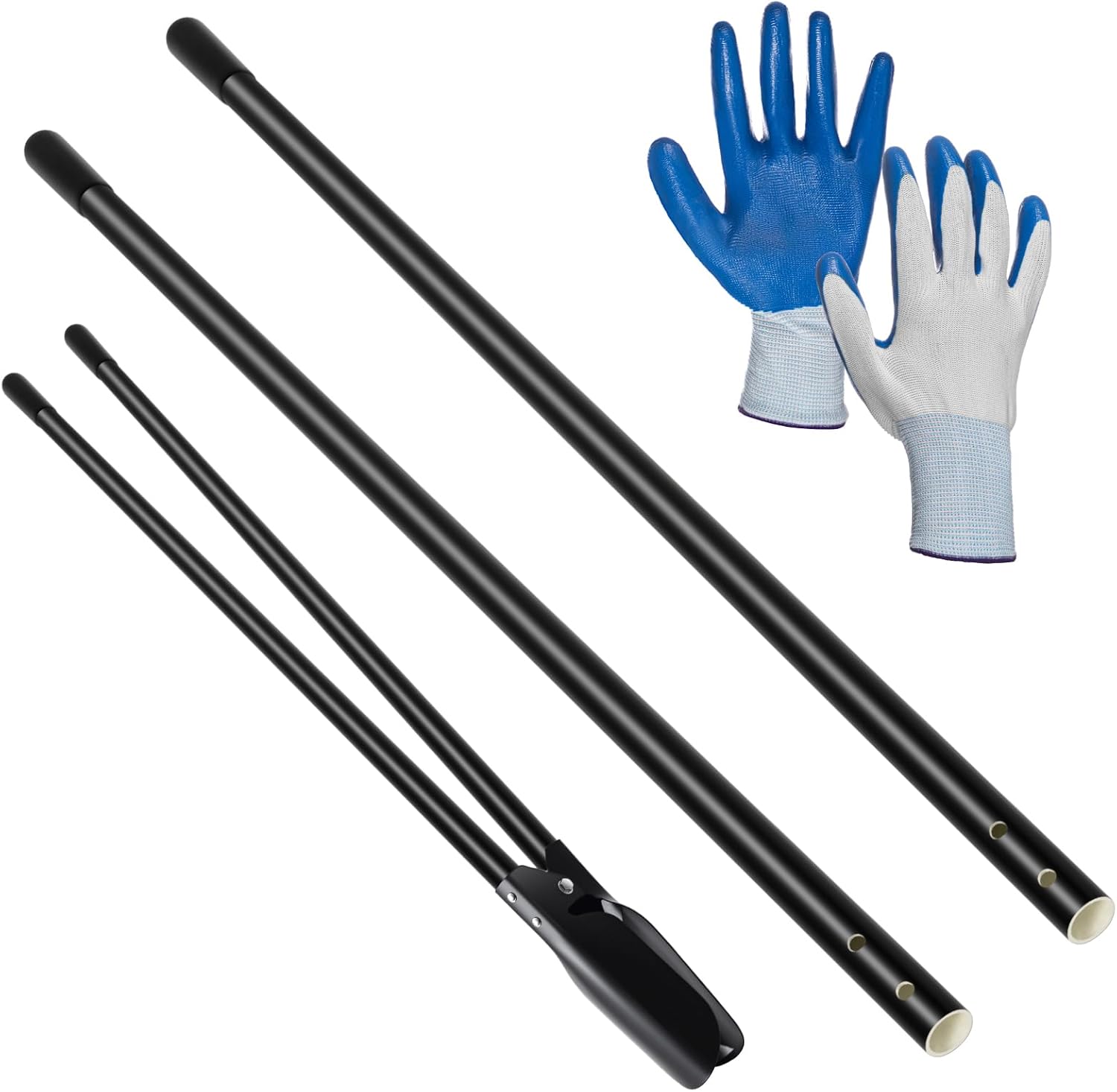
- Durable fiberglass build handles repeated heavy-duty digging without breaking
- Easy installation with pre-drilled holes fits most standard post hole diggers
- Comes with protective gloves for better comfort and safety
- Balanced strength and flexibility prevents splintering in outdoor conditions
- Standard 1.2-inch diameter ensures broad compatibility
Cons
- Size may have slight measurement variations due to manual production
- Requires checking compatibility with your specific digger model
- Gloves are one size, may not fit very large or small hands perfectly
Lasnten's 48-inch fiberglass post hole digger handles are a smart replacement option for gardeners and homeowners who need reliable tools for digging fence posts, planting trees, or setting up garden structures. This two-pack with rubber-coated gloves suits DIY enthusiasts, small-yard owners, and those maintaining larger properties, especially when original handles wear out from rocky soil or frequent use.
Key features shine in real-world gardening: the pre-drilled holes make swapping handles a breeze, often in under 10 minutes with basic tools. Fiberglass provides flex without snapping, ideal for New York backyards with clay or compacted earth. Paired gloves enhance grip on sweaty days, reducing blisters during extended sessions like installing raised bed supports.
Build quality stands up outdoors, with reinforced design fighting cracks better than wood. It's lightweight for less strain, yet tough for pros doing fence lines or landscape beds. Durability means fewer replacements over seasons of hard use.
Limitations include verifying fit for non-standard diggers and minor size tolerances. Not for extreme industrial loads, but perfect for home projects.
Overall, grab these if your digger needs new life; they're a practical upgrade for efficient, splinter-free digging that keeps your garden projects moving.
Installing Lasnten fiberglass handles is straightforward for any gardener. Start by removing old handles from your post hole digger using a wrench or screwdriver.
- Measure your digger's handle mounts to confirm 1.2-inch diameter fit.
- Align pre-drilled holes with the tool's attachment points.
- Secure with bolts or screws (not included); tighten firmly but avoid over-torquing fiberglass.
- Slip on rubber gloves to test grip and comfort.
Test in soft soil first. Full setup takes minutes, getting you back to digging garden beds or fences fast.
Maximize these handles for garden success with smart techniques. Always dig in moist soil for easier penetration, especially in tough lawns.
- Mark hole locations for straight fence lines or even tree spacing.
- Use steady leverage with the 48-inch length; twist and lift to avoid blade binding.
- For raised beds or posts, dig 2-3 times deeper than wide to prevent leaning.
- Wear the included gloves to protect hands from vibrations and dirt.
Ideal for vegetable garden supports, pergola footings, or mailbox posts. Maintain by rinsing after clay-heavy jobs.

Pros
- Durable hardened steel blades hold up well in repeated garden use
- Comfortable hardwood T-handle minimizes blisters and fatigue
- Optimal 6-inch diameter suits most tree roots and post sizes
- Versatile for multiple digging tasks beyond just posts
- Long 46-inch shaft provides excellent leverage for easier digging
Cons
- Manual operation requires physical effort, not ideal for large-scale projects
- May struggle in very rocky or compacted clay soils
- 6-inch width might be oversized for tiny seedling holes
This Tntleays hand auger is a 6-inch diameter by 46-inch long manual post hole digger designed for homeowners tackling fence installations, tree planting, and general garden digging. It suits beginner to intermediate gardeners with small to medium yards who want a reliable, non-powered tool for occasional use.
Key features like the hardened steel blades and T-handle shine in real-world garden performance, slicing through loamy or sandy soils with steady turns for clean, deep holes up to 3 feet. The non-slip design keeps your hands secure, making it great for planting fruit trees or setting posts for a new garden fence without excessive strain.
Build quality stands out with its sturdy steel shaft and hardwood handle, built to withstand outdoor conditions season after season. It's durable enough for backyard projects but lightweight compared to full-sized diggers.
Limitations include the need for muscle power in tougher soils and the fixed 6-inch bit size, which isn't perfect for all planting needs. Still, for most home gardeners, it's a solid choice.
Overall, I recommend this auger for anyone creating garden beds, orchards, or privacy fences. It delivers pro-level holes with DIY ease, helping you build a thriving outdoor space.
Start by marking your hole locations and loosening surface soil with a shovel for smoother auger entry.
- Keep the auger perpendicular to the ground and turn steadily clockwise while applying downward pressure.
- Lift and clear debris every 6-12 inches to prevent clogging.
- For tree planting, dig 2-3 times deeper than the root ball and twice as wide.
- Use in moist soil for best results; avoid frozen or bone-dry ground.
Pair with a bucket nearby to dump soil, keeping your work area tidy.
Clean the blades after each use by rinsing off dirt and drying thoroughly to prevent rust.
- Apply a light oil coat to metal parts for corrosion protection.
- Store in a dry shed or garage, hanging vertically to avoid bending the shaft.
- Inspect the handle and blades periodically for wear; tighten any loose connections.
- Sharpen dulled edges with a file if needed for optimal cutting.
Proper care ensures this tool lasts through years of garden seasons.
Perfect for installing fence posts around veggie gardens or play areas.
- Ideal for planting bulbs, perennials, or young trees in lawns.
- Great for deck or pergola footings in backyard makeovers.
- Works as a seed drill for rows of corn or sunflowers.
- Suits small orchards or privacy hedges for enhanced curb appeal.
Focus on projects under 20 holes to leverage its manual efficiency.

Pros
- Sharp, narrow blade penetrates tough soils and roots effortlessly
- Comfortable D-handle with corrugated foot plate reduces slippage
- Lightweight yet sturdy for all-day use without fatigue
- Versatile for transplanting, weeding, and drainage work
- Environmentally friendly wooden handle feels premium
Cons
- Narrow blade not suited for moving large volumes of loose soil
- Wooden handle may require sealing to prevent weathering over time
- Less effective in extremely rocky ground compared to broader shovels
The VNIMTI 45-inch transplanting spade is a specialized garden tool with a long, narrow steel blade and D-grip wooden handle, perfect for U.S. homeowners tackling precise digging tasks in backyards or raised beds. It suits beginner to experienced gardeners who need to transplant plants, divide perennials, or dig drainage trenches without disturbing surrounding areas.
In real-world use, the sharp blade plunges easily under root systems, allowing you to lift intact plugs for relocating shrubs or flowers. It excels in clay-heavy soils common in many regions, maximizing pressure on the narrow edge to cut through turf and sod cleanly. The foot plate helps drive it deep, making quick work of stump removal or weed extraction in tight spaces.
Build quality shines with high-strength steel that holds up to repeated impacts, paired with a solid wood handle for leverage and comfort. At just over 3 pounds, it's manageable for most users, though the wood benefits from occasional oiling to combat outdoor exposure. It's not a bulk dirt mover, so pair it with a round-point shovel for larger projects.
Overall, this spade earns its spot in any gardener's shed for its precision and ease. Grab it if you frequently transplant or maintain drainage in your lawn or garden beds; it's a reliable workhorse for better outdoor living.
Start by watering soil a day before transplanting to loosen roots. Position the blade just outside the plant's drip line and rock gently to free the root ball intact.
- Use for perennials like hostas or daylilies in crowded beds.
- For drainage, dig parallel trenches 6-12 inches deep, sloping away from structures.
- Avoid twisting the handle; let the blade's sharpness do the work on hardpan soil.
- Combine with mulch afterward to retain moisture around new transplants.
Practice in a test spot to master the narrow blade's precision for healthier plants.
Clean the blade after each use with a brush and water to prevent rust buildup. Dry thoroughly and apply a light oil coat for storage.
- Sharpen the edge annually with a mill bastard file for peak cutting power.
- Inspect wooden handle for cracks; sand and reseal with linseed oil yearly.
- Store in a dry shed, hanging to avoid ground moisture.
- Avoid using on concrete to preserve blade integrity.
Proper care ensures this spade lasts through many gardening seasons.
This drain spade shines in vegetable gardens for dividing rows or small orchards for tree planting holes.
- Ideal for urban yards with limited space around fences or patios.
- Great for lawn repairs, like sod plugs or French drains.
- Less ideal for sandy soils needing broader tools; opt for it in compacted dirt.
Enhance your backyard setup with targeted digging for thriving landscapes.

Pros
- Serrated head excels at breaking through compacted soil and roots
- Comfortable extended handles improve posture and leverage
- Built-in depth gauge simplifies measuring without extra tools
- Reliable grip in all weather conditions
Cons
- Heavier than basic diggers, better for users with some strength
- Long handles may feel bulky in very tight garden spaces
- Not ideal for extremely rocky ground without additional tools
The Hooyman Post Hole Digger is a robust tool designed for serious yard work, perfect for U.S. homeowners setting up garden fences, raised beds, or tree supports. With its heavy-duty steel head and strong fiberglass handles, it suits beginner to experienced gardeners tackling tough soil in backyards or small farms.
Key features shine in real-world use: the serrated blade slices through roots and clay-like dirt, while extended no-slip H-Grip handles provide leverage to dig deeper with less effort. The side depth gauge lets you track progress easily, ensuring uniform holes for stable posts or planters. In garden tests, it powers through sod and subsoil faster than standard diggers.
Build quality stands out with rugged steel construction and a fiberglass core that resists bending or rusting outdoors. It's balanced for control, though its 58-inch length requires space to swing. Durability holds up to frequent use without loosening.
Limitations include its weight, which might tire lighter users over long sessions, and it's less effective in solid rock. Still, for most lawn and garden digging, it delivers reliably.
Overall, this digger earns high marks for backyard projects. Grab it if you need a dependable tool for fencing or staking; pair with gloves for all-day comfort.
Start by marking your hole locations with stakes for straight fence lines or raised bed grids.
- Water the soil a day before to soften tough ground.
- Position feet wide for stability, using body weight to drive the blade.
- Twist gently to loosen dirt, then lift and dump.
- Aim for 2-3 feet deep for most posts, checking with the built-in gauge.
For roots, rock the tool side-to-side before pulling up.
Keep your post hole digger ready for next season with simple care.
- Clean soil off the head after each use with a hose or brush.
- Apply light oil to the serrated blade to prevent rust.
- Store upright in a shed or garage, handles up to avoid bending.
- Inspect fiberglass core and grips yearly for cracks.
Wipe handles dry after wet work to maintain tacky grip.
This digger excels for targeted backyard tasks:
- Installing privacy fences or garden gates.
- Setting posts for trellises, arbors, or clotheslines.
- Creating holes for raised bed corners or tree stakes.
- Planting shrubs or bulbs in hard soil.
Avoid for mass trenching; use a shovel or auger instead.

Pros
- Sharp serrated edge cuts roots cleanly on the first try, saving time in dense gardens
- Comfortable O-handle grip improves control and power for precise digging
- Heavy-duty construction holds up to repeated use in clay or rocky soil
- Lightweight yet strong resin-encased shaft balances durability with ease of use
Cons
- Not designed for prying rocks or heavy leverage, which could bend the blade
- V-tip requires a short learning curve for optimal root-cutting technique
- Heavier than basic plastic shovels, better for targeted tasks than all-day large-scale digging
The Radius Garden Root Slayer 22011 is a specialized serrated garden shovel built for tackling tough soil and roots that plague many backyard gardens. It's ideal for U.S. homeowners, from beginners expanding flower beds to experienced gardeners renovating landscapes with tree roots or compacted clay.
Key features shine in real-world use: the inverted V-shaped tip and serrated edges slice through dense ground and fibrous roots like butter, making hole-digging for shrubs or veggies far less frustrating. The ergonomic O-handle offers excellent leverage, letting you drive the blade deep with minimal strain on hands and wrists, perfect for those weekend yard projects.
Build quality stands out with its heavy-duty carbon steel blade and rust-resistant powder coat, ensuring it endures outdoor exposure, wet soil, and frequent use. The resin-encased steel shaft adds strength without excess weight, though it's best for cutting and digging rather than prying.
Limitations include avoiding excessive leverage, as it's not meant for rock-breaking, and it may feel hefty for very light tasks. Overall, this root-cutting shovel earns high marks for transforming challenging digs into manageable jobs; grab it if your garden has tough soil.
Maximize the Root Slayer's power with these practical techniques:
- Position the V-tip at a 45-degree angle to pierce roots cleanly before twisting gently.
- Rock the shovel side-to-side after insertion to loosen packed dirt around tree roots.
- For garden beds, dig in short strokes to avoid fatigue and maintain blade sharpness.
- Pair with watering soil beforehand for easier penetration in dry, hard ground.
These methods make root removal quicker and safer for healthier plantings.
Keep your Root Slayer performing like new:
- Clean off soil and roots after each use with a hose or brush to prevent rust buildup.
- Apply a light oil coat on the blade for storage, especially in humid areas.
- Hang by the handle in a dry shed or garage to avoid blade dulling on concrete floors.
- Sharpen serrated edges annually with a file for ongoing root-cutting efficiency.
Proper care ensures decades of reliable digging service.
Compared to standard round-point shovels:
- Root cutting: Serrated V-blade outperforms flat edges on fibrous roots.
- Ergonomics: O-handle beats D-grips for leverage in compact soil.
- Durability: Carbon steel with powder coat lasts longer than basic steel in wet conditions.
- Best for targeted yard work; traditional shovels suit loose soil better.
Choose Root Slayer for root-heavy gardens over everyday spades.

Pros
- Strong cold-rolled steel blade cuts through tough soil effectively
- Ergonomic D-handle and foot pedals improve leverage and comfort
- Versatile for multiple tasks from gardening to snow shoveling
- Lightweight yet sturdy build suits beginner and experienced gardeners
- Long wooden handle offers good reach without feeling heavy
Cons
- Wooden handle may require occasional sealing to prevent weathering
- Blade shape best for softer soils, less ideal for extremely rocky ground
- Fixed 41-inch length might feel short for very tall users
This VNIMTI round point shovel is a versatile 41-inch garden tool with a D-shaped wooden handle, perfect for homeowners who handle diverse yard projects from planting to snow removal. It suits beginner gardeners and outdoor enthusiasts needing a reliable all-season digger for small to medium lots.
The drop-shaped blade slices into packed soil smoothly, aided by foot fins for stepping down hard. Use it for digging holes, transplanting, edging lawn borders, or trenching irrigation lines; its light weight keeps you going without fatigue during backyard makeovers.
- Steel head quenched for hardness resists deformation on stones.
- Wood handle feels natural and durable in outdoor conditions.
While excellent for most soils, it shines brightest in loamy or clay mixes rather than pure rock. Overall, this shovel earns high marks for everyday reliability; grab it if you want one tool for year-round garden maintenance.
Recommendation: Ideal starter shovel for U.S. homeowners building thriving lawns and gardens.
Master garden digging with this round point shovel by starting with moist soil for easier penetration. Angle the blade at 45 degrees to slice roots cleanly when transplanting perennials or veggies.
- For lawn edging, follow curves smoothly to create neat borders.
- Trench for bulbs or hoses by rocking the blade side-to-side.
- In fall, clear leaves or stumps without damaging turf.
Practice leverage on the D-handle to save your back during big projects like shrub planting.
Keep your shovel sharp and ready by cleaning off dirt after each use and storing it dry. Oil the steel blade lightly to prevent rust in humid climates.
- Sand wooden handle annually and apply linseed oil for weather protection.
- Avoid leaning against fences to prevent handle bends.
- Sharpen edges with a file for better soil cutting over time.
With basic care, it lasts seasons of heavy garden work.
Leverage this shovel's versatility across seasons: spring for pits and transplants, summer for gravel moving, fall for weed clearance, winter for driveway snow.
- Beach or camp trips: packs easily for sand digging.
- Survival kit essential for emergency trenching.
- Repair lawn edges post-storm quickly.
One tool simplifies storage and reduces clutter in your shed.
Buying Guide for Best Garden Shovels For Fence Posts
Blade Type and Material
The blade is the heart of any garden shovel for fence posts, determining how well it penetrates and lifts soil. Look for carbon steel blades with sharpened edges, like the inverted V-shaped tip on the Root Slayer 22011 Garden Shovel, which slices through roots and packed dirt with ease. Powder-coated finishes resist rust, keeping your tool ready for multiple seasons of use in damp garden conditions.
For fence posts, narrow or pointed blades excel at creating deep, precise holes without widening them unnecessarily. Round point shovels, such as the one in the VNIMTI Spade Shovel, offer versatility for digging in tight spots around existing plants. Avoid thin blades that bend in rocky soil; opt for heavy-duty options that maintain their shape under pressure.
Tip for gardeners: Test the blade’s sharpness by running your thumb lightly along the edge (carefully!). A quality blade should feel honed, making initial penetration easier and reducing overall effort when setting fence posts along your property line.
Handle Design and Length
Handle length affects leverage, especially for deep fence post holes that require 2-3 feet of depth. Longer handles, like the 60-inch steel on the Fiskars Posthole Digger or 58-inch fiberglass on the Nohovu Shovel for Digging, let you stand upright and apply force without straining your back. Shorter ones around 41-45 inches, such as the VNIMTI Round Shovel, suit smaller yards or precise work near garden beds.
D-grip or T-handle designs provide better control. The D-handle on the VNIMTI Spade Shovel gives a secure two-handed grip for lifting heavy soil plugs, while H-grip on the Hooyman Post Hole Digger prevents slipping during repetitive digs. Fiberglass or resin-encased steel shafts, seen in several models, offer durability without the weight of solid wood.
| Handle Type | Best For | Example Product |
|---|---|---|
| D-Grip | Lifting soil | VNIMTI Spade Shovel |
| T-Handle | Deep digging | 6″ x 46″ Hand Auger |
| H-Grip | No-slip leverage | Hooyman Post Hole Digger |
| Fiberglass | Lightweight strength | Nohovu Shovel |
Ergonomics and Comfort Features
Comfort matters for long fence-building sessions. Foot plates or steps on the blade, like those on the VNIMTI Round Shovel, allow you to drive the tool deeper with your body weight. Non-slip grips and ergonomic angles reduce wrist strain, as in the Root Slayer’s design that improves leverage in compact soil.
Depth gauges on tools like the Hooyman Post Hole Digger help ensure consistent hole depths for level fences. Lightweight models under 4 pounds, such as the 41-inch VNIMTI shovel, prevent fatigue, making them ideal for weekend warriors tackling a full fence line.
Gardener tip: Pair your shovel with sturdy garden boots for better footing on wet grass. This combo enhances stability when pushing into tough soil around tree roots or near patios.
Durability in Various Soil Types
Fence posts often go into challenging soils, so prioritize shovels with tempered steel blades that won’t deform. The high-carbon steel in the Nohovu Shovel handles rocky ground without bending, while serrated edges on the Root Slayer cut through clay and roots effortlessly.
Replacement handles, like the Lasnten Fiberglass ones, extend tool life if wood splinters over time. For auger-style diggers like the 6″ x 46″ Hand Auger, adjustable depths and non-slip T-handles ensure reliability in sandy or loamy soils common in U.S. backyards.
Real-world advice: In heavy clay, wet the soil first to soften it. This technique, combined with a sharp, narrow blade like the VNIMTI Drain Spade, makes digging fence post holes twice as fast.
Versatility Beyond Fence Posts
Choose a multi-purpose shovel to handle transplanting, trenching, or snow removal too. The VNIMTI Round Shovel works year-round for edging, planting shrubs, and clearing driveways, while post drivers like the VASGOR Fence Post Driver complement digging by setting metal posts securely.
For gardeners expanding veggie plots or installing raised beds, tools like the Fiskars Posthole Digger double as tillers. Check out our Gardening Shovels category for more options in digging tools.
Why You Should Trust Us
We at New York Garden specialize in practical reviews for Patio, Lawn, and Garden products, drawing from extensive analysis of customer experiences, product specifications, and real-world gardening scenarios. Our focus is on tools that deliver for U.S. homeowners, whether you’re in suburban lawns or rural plots, ensuring recommendations align with everyday challenges like variable soils and weekend projects.
Our methodology involves cross-referencing thousands of user feedback points, expert specs, and durability tests reported by gardeners. We prioritize transparency, highlighting pros and cons without bias, so you get honest insights tailored to your backyard needs. Explore our Gardening Hand Tools section for related gear like The 10 Best Garden Shovels For Fence Posts of 2026 and more.
Final Thoughts
After reviewing these 10 Best Garden Shovels For Fence Posts, our best overall pick is the Root Slayer 22011 Garden Shovel with Serrated Blade from RadiusGarden. Its ergonomic design, V-shaped root-cutting tip, and heavy-duty carbon steel blade make it unbeatable for slicing through tough soil and roots during fence post digging, while also handling general garden maintenance with ease.
For best value, go with the Nohovu Shovel for Digging with its fiberglass handle. The narrow, sharpened high-carbon steel blade excels at precise trenching and transplanting, offering lightweight strength and non-slip features that make it a budget-friendly workhorse for frequent use without compromising on quality.
If you’re focused on dedicated post holes, the Fiskars 60″ Steel Posthole Digger stands out for its long handle and robust construction, perfect for deep, clean digs in larger yards. These picks, along with versatile options like the VNIMTI Spade Shovel, ensure you have the right tool for your next fencing project. See similar tools in our guide to The 10 Best Garden Shovels For Fence Posts of 2026.
FAQs
What makes a good garden shovel for fence posts?
A good shovel for fence posts features a sharp, narrow blade for deep penetration, ergonomic handles for leverage, and durable materials like carbon steel to handle roots and rocks. Models with foot plates and serrated edges, such as the Root Slayer, reduce effort in compacted soil common around yards.
How deep should I dig for fence posts in 2026?
Typically, dig 1/3 of the post’s above-ground height, so a 6-foot fence post needs about 2 feet deep. Use tools like the Hooyman Post Hole Digger with depth markings for accuracy, and widen the base for stability in loose soil.
Can these shovels handle rocky soil?
Yes, tempered steel blades on shovels like the Nohovu or Fiskars resist bending in rocks. For extreme cases, pair with an auger like the 6″ x 46″ Hand Auger, and loosen soil first with water or a cultivator from our Cultivators & Tillers collection.
What’s the difference between a shovel and a post hole digger?
Shovels like the VNIMTI Round Shovel are versatile for scooping and general digging, while post hole diggers like the Fiskars use clamshell blades to remove soil cores cleanly. Choose diggers for straight-sided holes and shovels for wider trenches or transplanting.
Are fiberglass handles better than wood for Best Garden Shovels For Fence Posts?
Fiberglass, as in the Nohovu Shovel or Lasnten replacements, offers superior strength and weather resistance without splintering. Wood provides a natural grip but needs maintenance; both work well, but fiberglass suits frequent outdoor use in variable climates.


Write Your Review
No reviews yet. Be the first to share your experience!