

Are you looking to shelter your seedlings from early frosts, create a cozy habitat for beneficial insects, or add a charming touch to your backyard oasis? Our guide to the 10 Best Garden Houses Under $1000 of 2026 has you covered. These compact garden houses, mini greenhouses, and pollinator shelters are perfect for American gardeners wanting to extend their growing season or boost biodiversity on patios, lawns, or small plots. With options suited for beginners and seasoned growers alike, you’ll find practical solutions that fit right into your daily gardening routine.
In 2026, protecting tender plants and inviting nature’s helpers has never been easier or more affordable. Whether you’re starting seeds indoors, shielding veggies from pests outdoors, or attracting bees and butterflies, these Best Garden Houses Under $1000 deliver real value. We dove deep into features like durability, setup ease, and garden-friendly designs to bring you selections that work hard for your green space. Ready to upgrade your garden? Let’s explore the top contenders.
Top Products
Pros
- Compact footprint fits patios, decks, or sunrooms without taking much space
- Locking wheels provide stability and easy repositioning for optimal light
- Roll-up door allows quick access for watering and ventilation
- Durable powder-coated steel frame resists rust for outdoor use
- Versatile for indoor seed starting or outdoor plant protection
Cons
- Shelves spaced for small to medium plants, limiting larger pots
- PVC cover may wear with prolonged heavy wind or intense sun exposure
- Not suited for high-volume commercial growing due to size
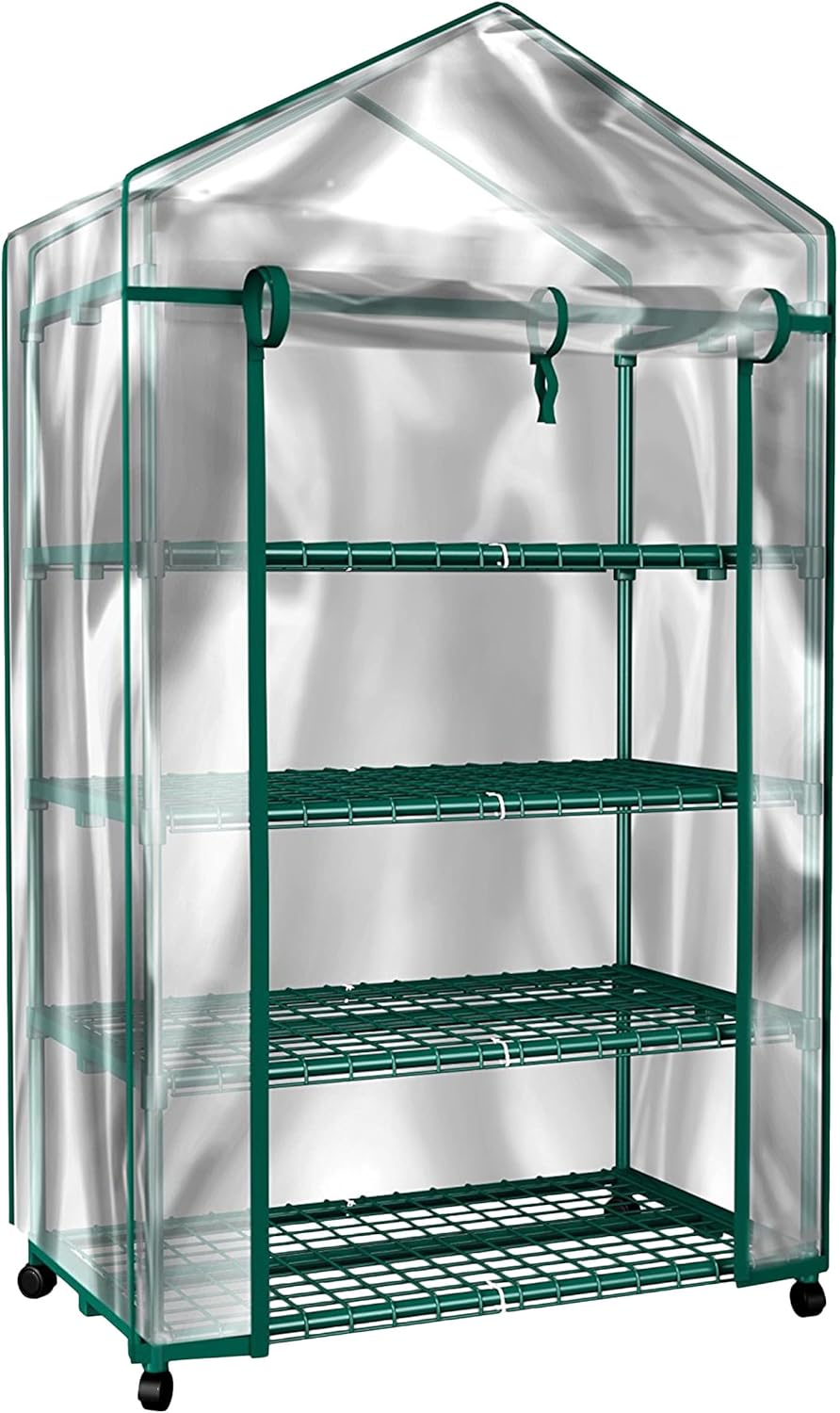
This 4-tier mini greenhouse from Pure Garden is a game-changer for gardeners with limited space, like those in urban backyards or apartments with balconies. Measuring just 27 by 19 by 63 inches, it offers four sturdy shelves that each hold up to 24 pounds, perfect for seed trays, herb pots, or small vegetable starts. Whether you're a beginner nurturing your first tomatoes or an experienced grower extending the season, this portable unit helps create a controlled environment right where you need it.
In real-world gardening, the powder-coated steel frame and clear PVC cover shine by trapping warmth and shielding plants from frost, pests, and light chills. The zippered roll-up door makes daily care simple, allowing fresh air circulation on warm days while keeping humidity in. Locking wheels let you roll it to sunnier spots as seasons change, and you can remove them for a fixed setup indoors during harsh winters.
Build quality feels solid for the price, with corrosion-resistant materials that stand up to outdoor exposure better than cheaper plastic alternatives. It's easy to assemble without tools, getting you growing fast. That said, the compact size means it's best for small-scale projects, not towering plants or bulk propagation.
Overall, if you're looking to boost your home garden's productivity without a big investment, this mini greenhouse delivers reliable performance. Pair it with grow lights for indoor use, and you'll enjoy fresh produce longer. Highly recommend for practical, space-saving gardening.
Maximize success with your Pure Garden mini greenhouse by following these steps for healthy seedlings.
- Fill trays with moist seed-starting mix and plant at recommended depths for veggies like peppers or herbs.
- Position near a south-facing window or under grow lights for 14-16 hours of daily light.
- Keep temperatures between 65-75°F by venting the door on warmer days.
- Water from the bottom to prevent damping-off disease, and thin seedlings as they grow.
- Harden off plants outdoors gradually before transplanting to your garden beds.
Get your mini greenhouse up and running smoothly with these practical pointers.
- Assemble on a level surface; snap-together frame requires no tools and takes under 30 minutes.
- Place in a sheltered spot to avoid wind damage to the PVC cover.
- Clean the cover regularly with mild soap to maintain light transmission.
- Check zippers and wheels monthly; lubricate as needed for longevity.
- Store disassembled in a dry area during off-seasons to prevent rust.
Thrive in this compact space with these gardener favorites.
- Herbs: Basil, mint, and parsley love the humidity and warmth.
- Vegetables: Tomatoes, lettuce, and peppers start strong here before garden transplant.
- Flowers: Petunias, marigolds, and impatiens for colorful displays.
- Perennials: Overwinter salvia or hostas safely from cold snaps.
Avoid overcrowding; rotate plants for even growth.

Pros
- Lightning-fast assembly praised by users for solo setup in under 30 minutes
- Exceptional clarity and warmth extend growing seasons effectively
- Stellar customer service with free replacements for covers and frames
- Fits raised planters perfectly, maximizing small garden spaces
- Survives storms when secured, protecting plants through ice and hail
Cons
- Lightweight design requires stakes, weights, or wall placement in windy areas
- Zippers feel delicate and need gentle handling to avoid wear
- Cover straps are short; extra clips recommended for secure fit
This Quictent Mini Greenhouse is a compact, portable shelter perfect for beginner and space-limited gardeners who want to start seeds or overwinter tender plants without a full backyard setup. Measuring 71 by 36 by 36 inches with a raised base, it fits neatly on patios, decks, balconies, or even tabletops, making it a go-to for urban homeowners or those with small yards.
Key features like the clear PVC cover with 98 percent light transmission create a warm, bright environment that speeds plant growth significantly. Users report thriving seedlings, protected annuals through winter, and even survival in ice storms when placed smartly. Zipper doors and roll-up vents provide simple access for watering and air circulation, while the powder-coated steel frame holds up well outdoors.
Build quality impresses at this size, with reinforced waterproof material and quick connectors for easy assembly. It handles rain, hail, and cold snaps effectively, though securing it against wind is essential for longevity. Some note minor shipping dings or zipper sensitivity, but responsive support ensures quick fixes.
Limitations include its lightweight nature, best suited for sheltered spots rather than open fields, and occasional need for extra clips. Overall, it's a smart, affordable choice for practical gardeners seeking better seed starts and plant protection; pair it with a mylar base for extra winter insulation and watch your garden thrive.
Assembly takes 10-15 minutes solo: connect poles with snap-in fittings, no tools required. Lay out parts on calm days, adjust frame gently to fit the cover without stretching.
- Secure base with included stakes or bricks on hard surfaces.
- Use extra stainless clips for cover adherence in breezes.
- Roll vents for airflow; zip doors fully to block pests.
For maintenance, wipe cover monthly, store disassembled in off-seasons. Check zippers gently; contact support for any wear as lifetime parts are available.
Ideal for tomatoes, peppers, herbs, and flowers; high light lets seedlings grow strong indoors before transplanting.
- Place under grow lights for 30 percent faster results.
- Water every few days via zip access; maintain humidity by closing vents at night.
- Overwinter potted annuals or perennials with mylar below and hand warmers on frigid nights.
- Fits four raised planters; elevate pots on blocks for airflow.
Protects from deer, hail, and frost, turning patios into productive starters.
Great for patios, decks, or apartments: shields balcony herbs from wind, creates micro-greenhouse for veggies.
- Set against walls under overhangs for storm protection.
- Use indoors near sunny windows for year-round starts.
- Doubles as pet shelter for small dogs in bad weather.
Versatile for urban gardeners maximizing every square foot without permanent structures.
Pros
- Super easy to assemble in under 15 minutes, even for gardening newbies.
- Holds up well to wind and PNW winters when staked properly, per user experiences.
- Generous size fits multiple trays of seedlings or small plants comfortably.
- Roll-up doors make tending plants simple without full disassembly.
- Affordable entry into season extension without permanent structures.
Cons
- Zippers and seams may wear after one season, needing tape repairs.
- Stakes struggle in soft soil; extra anchors or rocks recommended for stability.
- Plastic connectors can be brittle during assembly if not handled carefully.
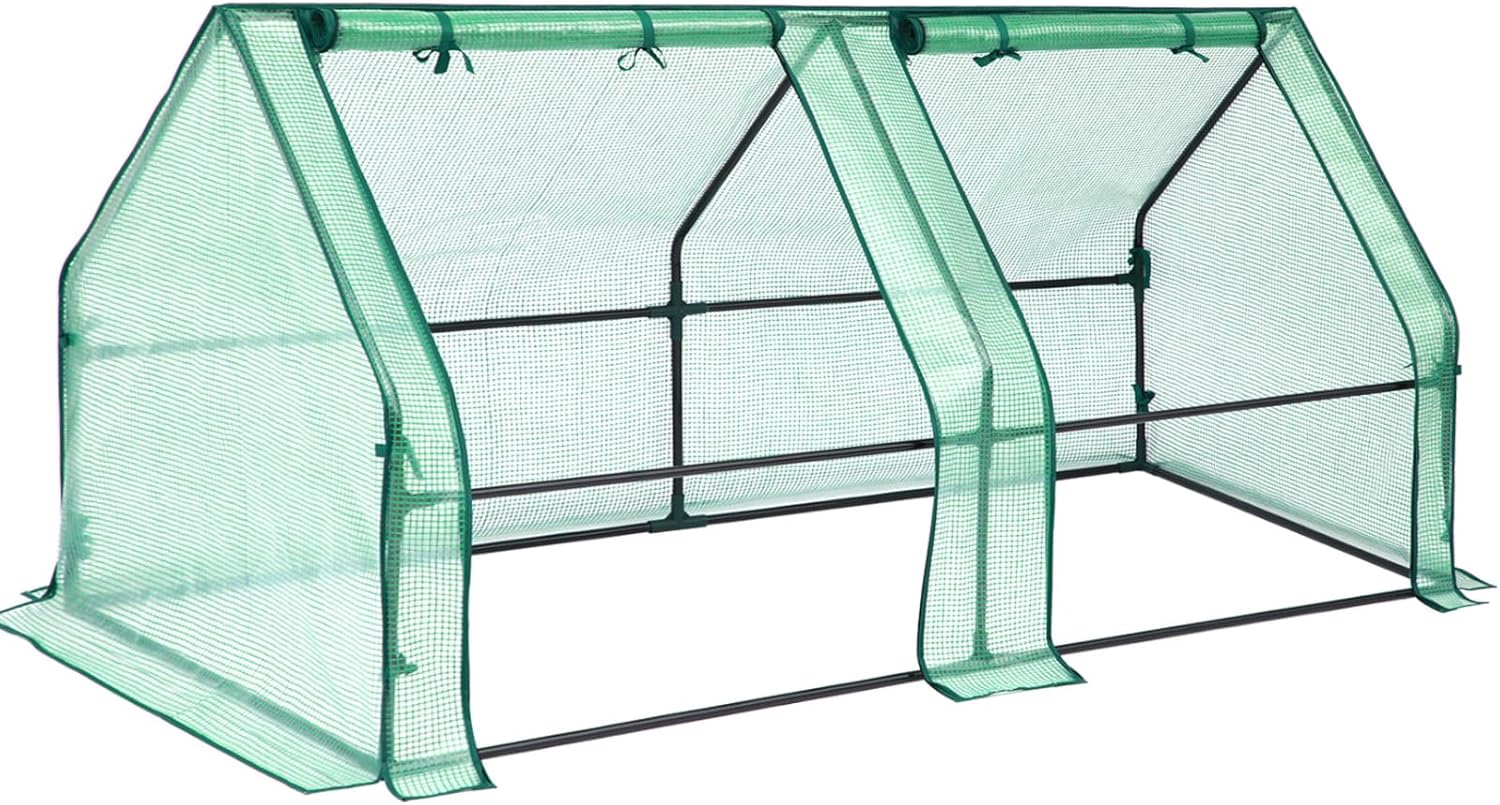
The Ohuhu Portable Mini Greenhouse is a compact, walk-in shelter perfect for U.S. homeowners with limited space who want to start seeds early or protect plants from unpredictable weather. At 71 inches long, 36 inches wide, and 36 inches high, it fits nicely on patios, balconies, or next to raised garden beds, making it a go-to for beginner to intermediate gardeners extending their growing season.
Key features like the pointed roof shed rainwater effectively, while the heavy-duty iron frame and anti-UV PE cover create a stable, light-filled environment. Dual large zipper doors roll up for ventilation and easy access, helping maintain warmth inside without overheating. In real-world use, gardeners report noticeable plant improvements in just days, with better growth for herbs, veggies, and flowers during cool springs or falls.
Build quality shines in durability against wind and rain when properly anchored, though some note zipper wear or fragile connectors over time. It's tough for its size but best as a seasonal tool rather than year-round in extreme conditions. For backyard setups, pair it with ground stakes or rocks for extra hold in softer soils.
Limitations include not suiting very tall plants or high-wind areas without reinforcements, and it may need seam repairs after heavy use. Overall, this mini greenhouse delivers reliable protection and convenience for small-space gardening; we recommend it for anyone kickstarting their veggie patch or overwintering tender perennials.
Assemble on a flat surface in under 15 minutes: connect iron tubes with plastic joints, drape the PE cover, and secure with built-in straps. Use provided stakes in firm ground or add rocks/bricks for wind-prone spots.
- Site selection: Choose sunny, sheltered areas away from trees to avoid debris.
- Ventilation: Roll up doors on warm days to prevent mold; close at night for frost protection.
- Maintenance: Check zippers monthly; tape seams proactively. Disassemble and store dry in off-season to extend life.
- Winter prep: Remove snow buildup gently; reinforce base if needed.
This size thrives with compact crops needing warmth and protection. Ideal for seed starting or hardening off transplants in early spring.
- Vegetables: Tomatoes, peppers, lettuce, spinach for frost-free growth.
- Herbs: Basil, cilantro, parsley to keep fresh through cooler months.
- Flowers: Petunias, marigolds, or perennials like pansies.
- Overwintering: Succulents, citrus starts, or tropicals in milder zones.
Space trays efficiently inside; aim for 6-8 inches between plants for air flow. Monitor soil moisture to avoid damping off.
Designed for rain, wind, and light snow, but reinforce for storms. Users in rainy PNW report success with extra anchors.
- Frost defense: Traps daytime heat, raising internal temps 10-20°F.
- Wind resistance: Sturdy frame, but guy lines help in gusts over 30mph.
- UV shield: Prevents scorching while transmitting 80-90% light.
- Limitations: Not for heavy ice; dismantle in hurricanes.
Combine with row covers inside for ultimate seedling survival.

Pros
- Solar-powered for effortless setup and eco-friendly operation
- Charming, detailed design elevates garden aesthetics instantly
- Waterproof and weather-resistant for reliable outdoor use
- Long-lasting battery provides consistent evening illumination
- Lightweight and stable for easy repositioning in the yard
Cons
- Small size limits use as a focal point in large gardens
- Light output is soft and ambient, not bright for task lighting
- Requires direct sunlight for optimal daily charging
This Darkdec garden house statue is a solar-powered resin figurine resembling a quaint cottage with glowing windows and lantern. It suits beginner gardeners and outdoor enthusiasts who want low-effort ways to add whimsy and light to patios, flower beds, or pathways without dealing with cords or outlets.
Key features include a solar panel that charges during the day and automatically illuminates the interior and exterior lights at dusk for 8-10 hours. In real gardens, it performs well by casting a warm, candle-like glow that highlights plants and creates inviting evening strolls. The open-door design adds playful detail, making it a standout in mixed borders or near veggies.
Built from handmade, environmentally friendly resin, it's IP65 waterproof and holds up to rain, frost, and sun exposure. At 7 inches long, it's sturdy yet lightweight at 12 ounces, resisting tip-overs on uneven ground. Wipe it clean to maintain its mossy roof charm.
Limitations include its modest size, best for accents rather than big yards, and softer light that's more decorative than illuminating. Direct sun is key for full charge, so shaded spots may dim results.
Overall, this statue is a practical pick for cozy garden vibes. Place it where it catches sun, and enjoy hassle-free magic that inspires outdoor living year-round.
Position this solar house statue in sunny spots for best charging and glow:
- Along pathways or walkways to guide evening steps with soft light.
- In flower beds or herb gardens as a whimsical accent among plants.
- Near patio seating or poolsides for ambient backyard atmosphere.
- Cluster with other figurines for a fairy village effect in borders.
Avoid deep shade to ensure consistent nighttime performance.
Keep your garden statue shining brightly with simple upkeep:
- Wipe resin surface clean with a damp cloth to remove dirt or pollen.
- Ensure solar panel faces south for maximum daily charge in U.S. yards.
- Store indoors during extreme winters if heavy snow accumulates.
- Check battery annually; it's rechargeable NI-MH for long life.
- Turn switch off for storage to preserve power.
This figurine makes a thoughtful present for:
- Mom or Grandma on Mother's Day for her flower garden glow.
- Beginner gardeners starting their first backyard oasis.
- Anniversaries or holidays, pairing with plants for instant charm.
Its handmade details and easy solar setup delight anyone enhancing outdoor spaces.

Pros
- Ultra-flexible hybrid polymer won't kink under pressure, making watering hassle-free
- Lighter than standard hoses for easier carrying and maneuvering in tight spaces
- Durable aluminum fittings and abrasion-resistant cover for long-term outdoor reliability
- Extreme all-weather performance stays pliable down to freezing temperatures
- Zero memory allows it to coil neatly and lay flat without twisting
Cons
- 50 ft length best for medium yards, may need extension for larger properties
- Bright chartreuse color stands out visually, not ideal if you prefer subtle tones
- Higher initial weight than shorter hoses, though still lighter than rubber alternatives
What It Is and Who It's For
The Flexzilla Garden Hose is a 5/8-inch by 50-foot premium hybrid polymer hose designed for everyday gardeners. It's perfect for U.S. homeowners with medium-sized backyards who want a reliable tool for watering lawns, flower beds, and vegetable patches without the frustration of kinks or stiffness.
Key Features and Real-World Performance
This hose shines with its zero-memory design that lets it lay flat wherever you position it, ideal for moving sprinklers across the lawn or snaking around shrubs. The lightweight build makes dragging it from the spigot to the far garden corner a breeze, and it remains flexible even in cooler mornings. In practice, it delivers steady water flow at up to 150 PSI, keeping your plants hydrated efficiently.
Build Quality and Durability
Built with an abrasion-resistant outer layer and crush-proof anodized aluminum fittings, it holds up against yard wear like scraping on fences or driveway edges. The superior O-ring ensures drip-free connections season after season, while the hybrid polymer shrugs off sub-zero cold without cracking.
Limitations and Final Verdict
At 50 feet, it's not suited for sprawling estates needing longer reach. Overall, this award-winning hose earns top marks for transforming routine watering into a smooth task. Grab it if you hate fighting tangles; your garden routine will thank you.
Vegetable Gardens
- Use a gentle spray nozzle to avoid washing away soil around roots; this hose's steady flow prevents overwatering tomatoes or peppers.
- Water deeply in the morning for better absorption.
Lawns and Flowers
- Position sprinklers for even coverage; zero memory keeps them stable.
- Adjust pressure for delicate flowers versus thirsty grass.
Trees and Shrubs
Coil loosely around bases for targeted deep soaking, leveraging the hose's flexibility to reach without strain.
Daily Care
- Drain water after use to prevent freezing damage.
- Coil loosely on a reel or over a hook; zero memory makes it simple.
- Wipe down to remove dirt, extending the abrasion-resistant cover's life.
Winter Prep
Store indoors or in a shed, keeping it flexible for spring startup. Inspect O-rings and fittings annually for wear.
Longevity Tips
Avoid dragging over sharp rocks; rinse inside yearly to clear mineral buildup.
Basic Backyard System
- Connect to a timer for automated lawn watering.
- Pair with quick-connect nozzles for fast swaps between sprinkler and wand.
Garden Bed Layouts
Run along raised beds for soaker hose-style drip; flexibility hugs contours perfectly.
Multi-Zone Options
Use the 3 ft lead-in hose variant for spigot splits, creating zones for veggies and flowers without kinks.

Pros
- Easy assembly and versatile staking or hanging for any garden spot
- Butterflies and even hummingbirds actively use the feeder and shelter
- Compact size works well in small backyards without overcrowding
- Natural look enhances garden aesthetics seamlessly
Cons
- Paint can peel in windy or wet conditions, may need touch-up
- Wood lacks full sealing, prone to rot or cracking over seasons outdoors
- Feeder tray may rust or overflow in heavy rain or sprinkler areas
This UQM Butterfly House and Feeder is a wooden 2-in-1 habitat designed for gardens, perfect for homeowners wanting to boost pollinators in backyards or flower beds. It suits beginner to experienced gardeners aiming to create thriving ecosystems without much effort.
Key features include a nectar tray for food, slatted shelter for resting, and a metal stake for ground placement, plus hooks for hanging. In real gardens, users report butterflies entering the house and sipping from the puddler, especially near flowers, while hummingbirds sometimes join in. The stake holds steady in soil, resisting light winds better than hanging styles.
Built from natural pine, it looks rustic and blends with plants, but some note the paint fades quickly and wood shows rot after months exposed. The 2-pound lightweight design assembles simply, and detachable parts allow thorough cleaning to prevent mold.
Limitations include vulnerability to harsh weather without extra sealing and occasional tray issues in rainy spots. It's more decorative for some than a butterfly magnet if not placed near blooms.
Overall, a solid choice for inviting butterflies to pollinate your space; position near nectar-rich plants, refresh paint yearly, and enjoy a lively garden. Great starter for pollinator habitats.
To maximize visitors, fill the tray with shallow water, fruit slices, or sugar-water nectar weekly. Place near milkweed, coneflowers, or lantana for best results.
- Choose sunny spots sheltered from strong winds.
- Avoid pesticides that repel pollinators.
- Refresh offerings daily to draw more species.
- Plant host plants nearby for egg-laying.
Patience pays off; butterflies may take a week to discover it.
Assemble stake first, then attach house. Push into soft soil 6-8 inches deep, or use hook on trees/walls. Keep 2-3 feet off ground near flowers.
- Clean monthly: detach base, rinse with mild soap, dry fully.
- Seal wood annually with outdoor varnish for longevity.
- Store indoors in winter to prevent rot.
- Secure saucer with glue if windy.
Minimal upkeep keeps it functional season after season.
Pair this house with native plants for a full habitat. Add bee hotels or bird baths for biodiversity.
- Zone it in veggie patches to aid pollination yields.
- Cluster multiple units 10 feet apart for variety.
- Incorporate in kids' gardens for educational fun.
Transforms ordinary yards into buzzing wildlife oases effortlessly.
Pros
- Variety of hollow tubes and pre-drilled blocks successfully attracts mason and leafcutter bees
- Solid pine wood construction feels sturdy and chemical-free according to users
- Simple hanging design gets it up fast near your garden plants
- Cute teal color adds charm to backyard setups
- Proven to draw tenants in wildflower areas and veggie gardens
Cons
- Hanging string feels flimsy and may need replacement for windy spots
- Paint can chip after one season of outdoor exposure
- Bee attraction depends on local populations and placement, not instant results
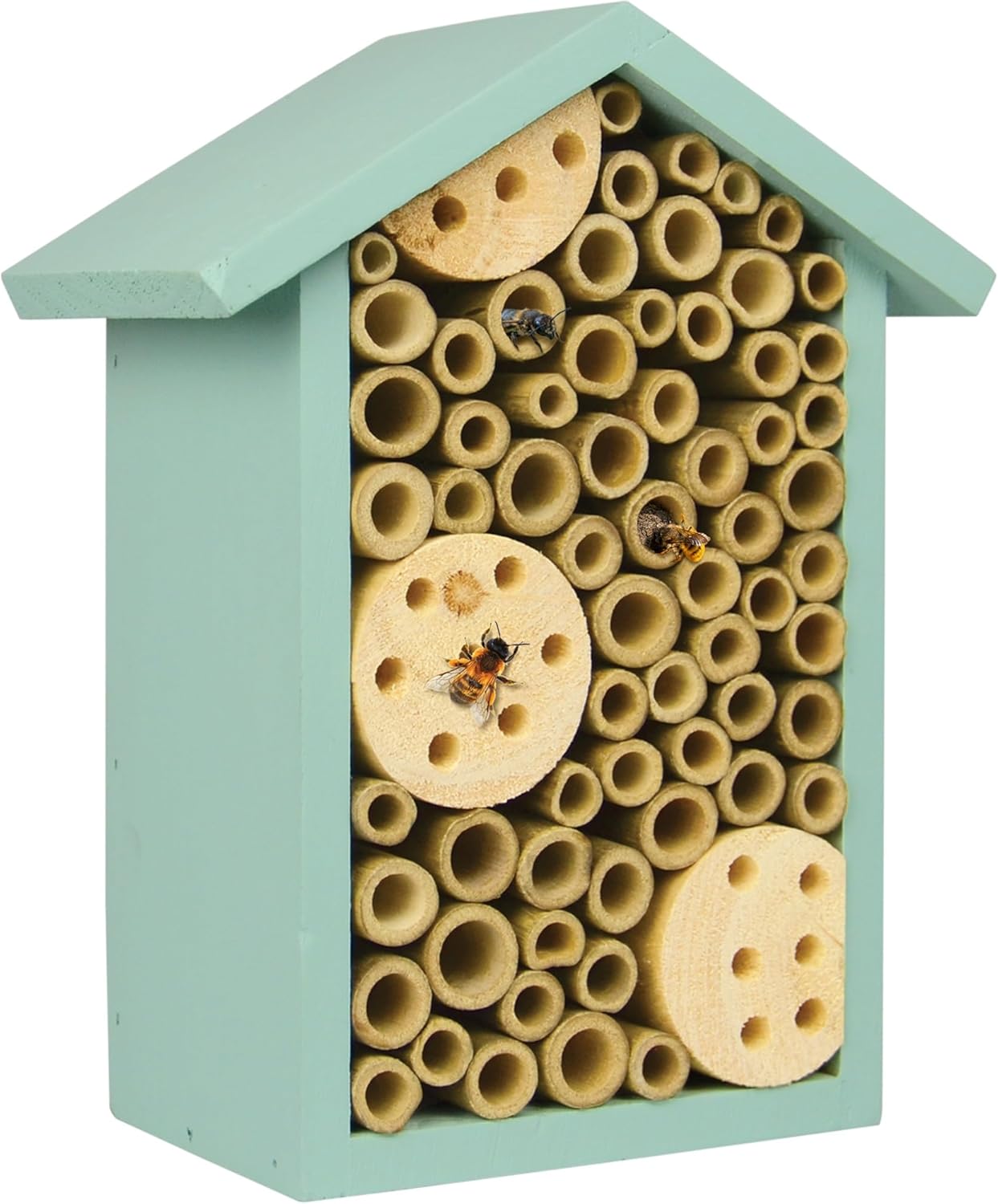
The Nature's Way PWH1-C Teal Bee House is a small insect hotel designed to shelter solitary pollinators like mason bees and leafcutter bees. It suits beginner gardeners, vegetable growers, and anyone with a modest backyard wanting to skip chemicals and invite natural helpers for better blooms and harvests.
Key features include bamboo tubes of varying diameters and pre-drilled pine wood blocks, mimicking natural nesting sites. In real gardens, users report these draw in gentle bees that pollinate up to 20 times more flowers than honeybees, leading to healthier plants and fuller veggie yields. Hang it near your desired pollination zone for targeted results.
Build quality uses rot-resistant pine with a pre-installed hanger, making it straightforward for outdoor use. Many find it solid and smooth-edged, though some note joints loosening or paint fading after a season in harsh weather.
Limitations include no guaranteed immediate occupancy, as success relies on sunny, sheltered spots and local bee activity. Relocate if needed after monitoring.
Overall, this bee house earns a strong recommendation for practical pollinator support in home gardens. Pair it with native flowers for the best natural boost to your outdoor space.
Position your bee house near flower beds, veggie patches, or fruit trees where you want extra pollination help. Aim for eye level on a fence or post, facing morning sun and sheltered from wind and rain.
- Choose a warm, dry spot with plenty of sunlight to warm bees early.
- Secure with the included hanger, reinforcing the string if windy.
- Monitor for 2-3 weeks; relocate to another sunny area if no activity.
- Avoid areas with heavy rain patterns hitting the front.
This setup maximizes visits from mason bees and leafcutters right where your garden needs them.
Boost occupancy by planting nectar-rich flowers like lavender, sunflowers, or berries nearby. These gentle solitary bees thrive without honeybee competition.
- Plant early bloomers for spring hatching mason bees.
- Provide mud or leaf litter sources for nesting seals.
- Avoid pesticides to keep your new tenants safe.
- Group with other pollinator plants for a bee-friendly zone.
Users see success in wildflower mixes and veggie gardens, turning backyards into thriving ecosystems.
Check seasonally for activity and clean gently if needed, but avoid disturbing active nests. Pine wood holds up outdoors, but touch up paint or seal joints for longevity.
- Inspect hanger and reinforce as needed after storms.
- Leave in place over winter for overwintering bees.
- Wipe dust from tubes without chemicals.
- Store indoors only if relocating long-term.
Simple care keeps it functional for years of pollinator support.

Pros
- Flexible rods assemble into sturdy hoops that withstand high winds and heavy rain per user feedback.
- Ample pieces cover multiple raised beds, with easy customization for different sizes.
- Clips hold netting securely, even in windy areas, as noted by gardeners in tough climates.
- Reusable for multiple seasons, providing long-term value for vegetable patches.
Cons
- Clips can be tricky to install and may damage thin netting materials.
- Some users report poles snapping in extreme wind or fitting issues with connectors.
- No netting included, requiring separate purchase for full protection.
These FuBegi garden hoops for raised beds are a kit of 36 fiberglass rods and 24 clips designed to build protective grow tunnels over your vegetable rows or raised planters. They suit home gardeners who want to shield crops from bugs, birds, frost, and scorching sun, especially those with standard 3ft or 4ft wide beds looking to extend their harvest season.
In real-world use, the rods connect via included metal pieces to form adjustable arches up to 3.8ft high, bending easily into shape and pushing into soil for stability. Gardeners praise their performance in windy spots and storms, holding row covers taut to let plants breathe while blocking threats. The lightweight build makes them portable for small backyards or community plots.
Built from double-layer fiberglass, they resist rust, oxidation, and bending fatigue better than cheap plastics, standing up to rain, heat, and cold snaps. Most users find them durable for repeated use, though clips require careful handling to avoid tearing delicate fabrics.
Limitations include the need for separate netting or plastic sheeting and occasional connector fit issues that demand minor adjustments. Overall, this is a practical, affordable tool for thriving gardens; grab it if you battle pests or unpredictable weather in your veggie patch.
Start by connecting 4-6 rods per hoop using the metal connectors for your bed width; bend gently and insert ends 6-8 inches into soil every 2ft along the row.
- Use 17-inch rods for 3ft wide beds or combine more for taller tunnels.
- Snap clips over rods to secure row cover, adding clothespins for bed edges if needed.
- Adjust height mid-season by adding sections as plants grow.
Disassemble by pulling rods from connectors for easy storage. No tools required, setup takes minutes.
These hoops excel at creating mini greenhouses to safeguard veggies like tomatoes, lettuce, and peppers from frost, insects, and deer.
- Pair with frost cloth in spring/fall to trap warmth and block cold snaps.
- Use insect netting in summer to stop bugs without sprays.
- Shade cloth prevents sun scorch on tender seedlings.
Ideal for organic growers; tunnels improve air flow to reduce disease while extending harvests into winter in milder zones.
Customize beyond raised beds: frame chicken runs, support peonies, or arch flower rows.
- Build low tunnels for strawberries or high ones for beans.
- Combine with plastic for winter greens in cold climates.
- Scale for kids' gardens or balcony planters.
Experiment with shapes for fun, functional backyard oases that boost yields organically.
Pros
- Sturdy cedar wood holds up well to wind and rain in outdoor settings
- Charming rustic look that complements garden decor
- Simple no-assembly setup with included stake
- Quickly attracts pollinators according to many users
- Versatile for ground, hanging, or tabletop use
Cons
- Stake may rot over time with prolonged ground exposure
- Insects not always attracted immediately, depending on location
- Roof assembly can loosen after heavy rains in some cases
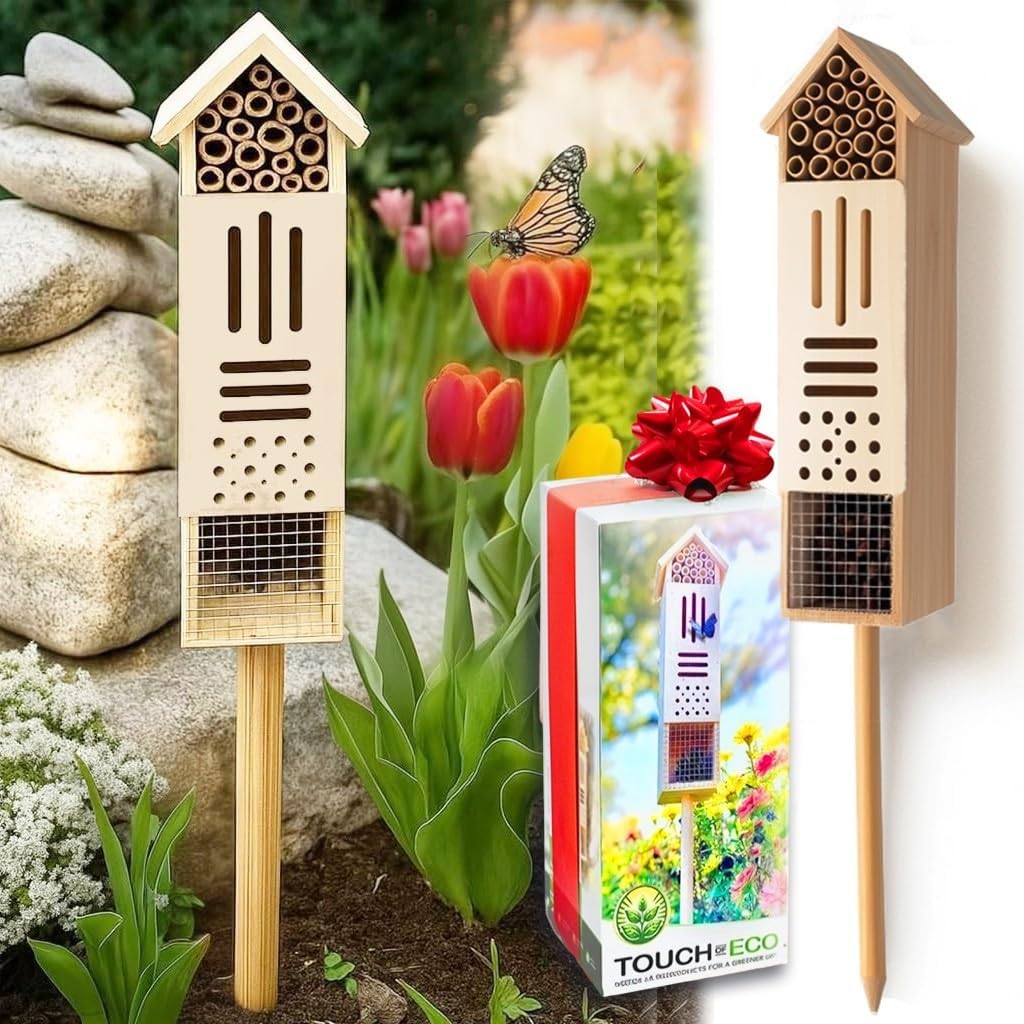
This wooden insect house is a natural habitat designed for beneficial bugs like bees, butterflies, ladybirds, and lacewings, making it ideal for U.S. homeowners who want to support pollinators in their backyards or veggie patches. At 24 inches tall, it suits beginner gardeners with small to medium yards looking to boost natural pollination without chemicals.
Key features include multiple compartments with varied slat sizes crafted from durable cedar, bamboo, and pine cones, perfect for different insect needs. In real gardens, it performs well near flowers or herbs, where users report bees moving in within weeks, leading to better plant health and yields.
- Ground stake ensures stable placement facing south for sun exposure.
- Hanging chain allows elevation away from ground moisture.
Build quality feels solid with rustic charm, weathering rain effectively, though some note stake rot after years or minor roof shifts. It's not suited for very large properties needing multiple units.
Overall, this insect hotel earns a strong recommendation for eco-conscious gardeners; place it strategically for the best results and watch your garden thrive.
To maximize residents in your insect house, position it 3-6 feet off the ground in a sunny, sheltered spot near nectar-rich plants like lavender or sunflowers.
- Plant pollinator-friendly blooms such as bee balm, coneflowers, and herbs nearby.
- Avoid pesticides to let beneficial insects thrive.
- Patience pays off; it may take weeks for bees or butterflies to discover it.
Native mason bees and ladybugs will help pollinate veggies and control aphids naturally.
Choose a location protected from strong winds but with morning sun. Use the stake for ground install or hang from a shepherd's hook.
- Clean compartments annually in late winter by brushing out debris.
- Check stake for rot and replace if needed after 2-3 seasons.
- Refresh with new twigs or cones if filling decreases.
Winter storage indoors extends life; otherwise, it withstands most weather.
Beneficial insects from this hotel improve garden health by pollinating crops and preying on pests like aphids.
- Bees boost tomato and squash yields up to 30%.
- Ladybugs eat hundreds of pests daily.
- Butterflies add beauty while aiding cross-pollination.
Integrate into organic gardening for sustainable, low-effort results.

Pros
- Versatile zones for multiple beneficial insects like mason bees, ladybugs, and butterflies
- Durable, natural wood build with waterproofing for reliable outdoor use
- Promotes natural pollination and pest control, enhancing garden health
- Compact size fits small spaces without overwhelming garden aesthetics
- No assembly required for quick setup
Cons
- Compact dimensions best for small to medium gardens, not ideal for large properties
- May take time for insects to discover and populate in new locations
- Lacks included mounting hardware, requiring basic garden hooks or screws
The UUMENHA Insect Hotel is a multi-functional haven for beneficial garden insects, combining a mason bee house, ladybug nooks, and butterfly shelters in one sturdy pine wood unit. It's perfect for U.S. homeowners, from beginners to seasoned gardeners, who want to invite pollinators into their backyards for healthier plants and higher yields.
Key features shine in real-world gardening: reed tubes draw in mason bees for superior pollination of crops like tomatoes and berries, while cozy crevices shelter ladybugs that devour aphids naturally. The waterproof sloped roof and chemical-free materials hold up outdoors, resisting rot and keeping residents safe through seasons.
Build quality feels solid for the cottage-style design, with a footprint under 11 inches tall that tucks neatly into flower beds or fences. It's versatile for hanging or freestanding use, though its smaller size suits modest yards best rather than expansive lawns.
Limitations include slower initial insect attraction, so patience pays off when paired with nearby nectar-rich flowers. Overall, this bug hotel earns high marks for fostering biodiversity; we recommend it for anyone building an eco-friendly garden.
Mount your insect hotel 3-5 feet off the ground in a sunny, sheltered garden spot facing southeast for morning sun. Secure with screws or brackets to a fence, tree, or post, ensuring it's level and stable against wind.
- Choose locations near pollinator-friendly plants like lavender or fruit trees.
- Avoid direct afternoon shade or windy exposures to keep it inviting.
- Space multiple units 10-15 feet apart for broader insect coverage.
Check seasonally: clean out old nests in late winter to refresh for spring arrivals.
Hosting mason bees and ladybugs naturally boosts pollination by up to 30% for veggies and fruits, while controlling pests without sprays. This supports organic backyard gardening and healthier soil ecosystems.
- Plant companion flowers like bee balm or coneflowers nearby to speed attraction.
- Observe activity in spring; mason bees emerge early for fruit set.
- Combine with birdhouses for full wildlife balance in your lawn and garden.
Track benefits through better harvests and fewer bugs on plants over time.
Keep your bee house thriving with minimal effort: inspect annually in dormant season, removing debris gently with a soft brush. Wipe wood with mild soap if needed, but avoid chemicals.
- Replace reeds every 1-2 years for mason bee hygiene.
- Store indoors during extreme winters if in harsh climates.
- Monitor for mold; ensure good airflow by not overcrowding compartments.
This low-maintenance design rewards with ongoing pollinator support.
Best Garden Houses Under $1000 Buying Guide
Size and Portability
When picking a garden house, start with size and how easy it is to move around your yard. Mini greenhouses like the Quictent Mini Greenhouse or PureGarden 4 Tier Mini Greenhouse measure around 71″x36″x36″ or 27″x19″x63″, making them ideal for tabletops, patios, or tight backyard corners. These compact designs let you wheel them indoors during harsh weather or position them near your raised beds for quick access.
Portability shines in models with locking wheels or lightweight frames, such as the PureGarden unit. Gardeners love staking insect houses like the Nature’s Way Teal Bee House or UQM Butterfly House directly into soil for stability without bulk. Consider your space: tabletop versions suit balconies, while hoop kits like FuBegi’s Garden Hoops expand to cover row crops in larger plots. Always measure your setup area first to avoid surprises.
Pro tip: For urban gardens, opt for stackable or foldable options. This ensures you can store them off-season without hogging garage space, keeping your gardening workflow smooth year-round.
Material Durability and Weather Resistance
Durable materials separate fleeting buys from garden staples. Look for powder-coated steel frames and UV-protected PVC covers in greenhouses like the Ohuhu Portable Mini Greenhouse, which stand up to rain, wind, and sun. Insect hotels from brands like UUMENHA or GardeningProducts4Less use natural cedar wood with waterproof roofs, resisting rot while blending into your landscape.
Fiberglass hoops from FuBegi offer rust-free flexibility, bending without breaking during storms. Avoid thin plastics that crack; prioritize abrasion-resistant hybrids like those in Flexzilla hoses if pairing with watering setups. These materials ensure your garden house lasts multiple seasons, saving you money on replacements.
| Material Type | Best For | Example Products |
|---|---|---|
| Powder-Coated Steel + PVC | Greenhouses | Quictent, Ohuhu, PureGarden |
| Natural Cedar Wood | Insect Houses | Nature’s Way, UQM, GardeningProducts4Less |
| Fiberglass | Hoops/Tunnels | FuBegi |
Ventilation and Access Features
Good airflow prevents mold and overheating, crucial for healthy plants. Zippered roll-up doors and vents on the Quictent and Ohuhu models allow easy watering and air circulation. Roll-up sides let you adjust for October’s temperature swings, keeping seedlings thriving.
For pollinator houses, slatted designs in the UUMENHA Insect Hotel provide natural ventilation while sheltering bees. Dual doors on some greenhouses mean hands-free access when carrying trays. Test zippers for smoothness during setup; sturdy ones withstand frequent use by busy gardeners.
Ease of Assembly and Setup
No one wants a weekend lost to instructions. Snap-together poles and connectors in Quictent and Ohuhu greenhouses assemble in 10-15 minutes without tools. Insect houses like the Darkdec Garden House Statue simply stake in place, while FuBegi hoops clip together for custom tunnels.
Beginners appreciate included stakes and clips for ground security. Practice on a calm day, and you’ll be protecting plants by afternoon. Modular designs let you expand later, adapting to your garden’s growth.
Pollinator and Plant Protection
Garden houses excel at dual roles: shielding plants and drawing helpers. Bee houses like Nature’s Way attract mason bees for superior pollination, while butterfly feeders from UQM provide nectar stations. Combine with greenhouses to create micro-ecosystems boosting yields naturally.
UV protection in PVC covers extends seed starting, and raised bases keep out ground moisture. Place near flowers for max pollinator traffic, turning your yard into a buzzing haven.
Why You Should Trust Us
At New York Garden, we specialize in practical reviews for U.S. homeowners and gardeners. Our team analyzes product specs, user experiences, and real-world gardening needs to highlight what truly works for lawns, patios, and veggie patches. We focus on transparency, prioritizing durable, user-friendly options without hype.
We draw from extensive data on categories like Outdoor Storage & Housing and compare across brands such as Flexzilla, QUICTENT, and PureGarden. Our goal? Help you choose garden houses that fit your lifestyle and deliver results season after season.
Final Thoughts
After reviewing these 10 Best Garden Houses Under $1000, the Quictent Mini Greenhouse stands out as our best overall pick. Its quick setup, high light transmission, and versatile indoor/outdoor use make it a gardener’s dream for seed starting and plant protection. The powder-coated frame and waterproof cover handle weather well, while vents ensure healthy growth.
For best value, go with the Nature’s Way Teal Bee House. This compact pollinator shelter draws solitary bees that outperform honeybees, naturally enhancing your garden’s productivity. Easy to mount and blending seamlessly, it’s a low-effort win for any yard.
The PureGarden 4 Tier Mini Greenhouse is ideal for small backyards or balconies. With sturdy shelves holding plenty of trays and locking wheels for mobility, it maximizes vertical space perfectly. If you’re eyeing larger setups, explore The 10 Best Garden Houses Under $1000 of 2026 or our Tiny House Kits collection for backyard expansions.
FAQs
What are Best Garden Houses Under $1000 best for?
Best Garden Houses Under $1000 like mini greenhouses and insect hotels protect seedlings from frost and pests while attracting pollinators. They’re great for extending your growing season in 2026, especially on patios or small lawns where space is limited.
How do I choose the right size garden house for my yard?
Measure your available space and plant needs. Tabletop minis suit seed starts, while hoop tunnels cover rows. Portable wheels or stakes add flexibility for seasonal moves.
Are these Best Garden Houses Under $1000 easy to assemble?
Most snap together in under 15 minutes without tools, like the Quictent or Ohuhu models. Follow included instructions, and use stakes for wind resistance.
Can Best Garden Houses Under $1000 withstand harsh weather?
Yes, with UV-protected covers, rust-free frames, and reinforced materials. Place in sheltered spots during extreme storms for longevity.
Do garden houses help with pollination?
Absolutely, bee and butterfly houses like Nature’s Way or UUMENHA draw essential pollinators, improving fruit set and flower yields naturally.


Write Your Review
No reviews yet. Be the first to share your experience!