

Whether you’re breaking up compacted clay in your vegetable patch or aerating lawn soil for new plantings, having the right cultivator makes all the difference in your gardening success. Our guide to the 10 Best Cultivators For Heavy Duty Use of 2026 highlights practical tools that stand up to heavy-duty tasks, helping you save time and effort while achieving healthier soil for thriving plants. These selections cater to backyard gardeners across the U.S., from small raised beds to larger lawn areas.
In this review, we focus on cultivators that deliver reliable performance for demanding jobs like deep tilling, weed removal, and soil mixing. With options ranging from manual hand tools to powerful electric and gas models, you’ll find gear suited to your garden size and physical needs. Let’s dive into our top picks and tips to choose the perfect one for your setup.
Featured Products
Pros
- Powerful 15A motor outperforms many gas tillers in small areas without fuel hassles
- Handles tough soil and small rocks well, as noted by users with clay dirt
- Easy assembly and lightweight for one-person operation in home gardens
- Versatile for trenches, beds, and aeration with adjustable depth control
Cons
- Corded design requires managing an extension cord, which can be tricky in larger areas
- May bounce on very hard ground until it breaks in, needing firm control
- Safety switch position can feel awkward for quick restarts during big jobs
What It Is and Who It's For
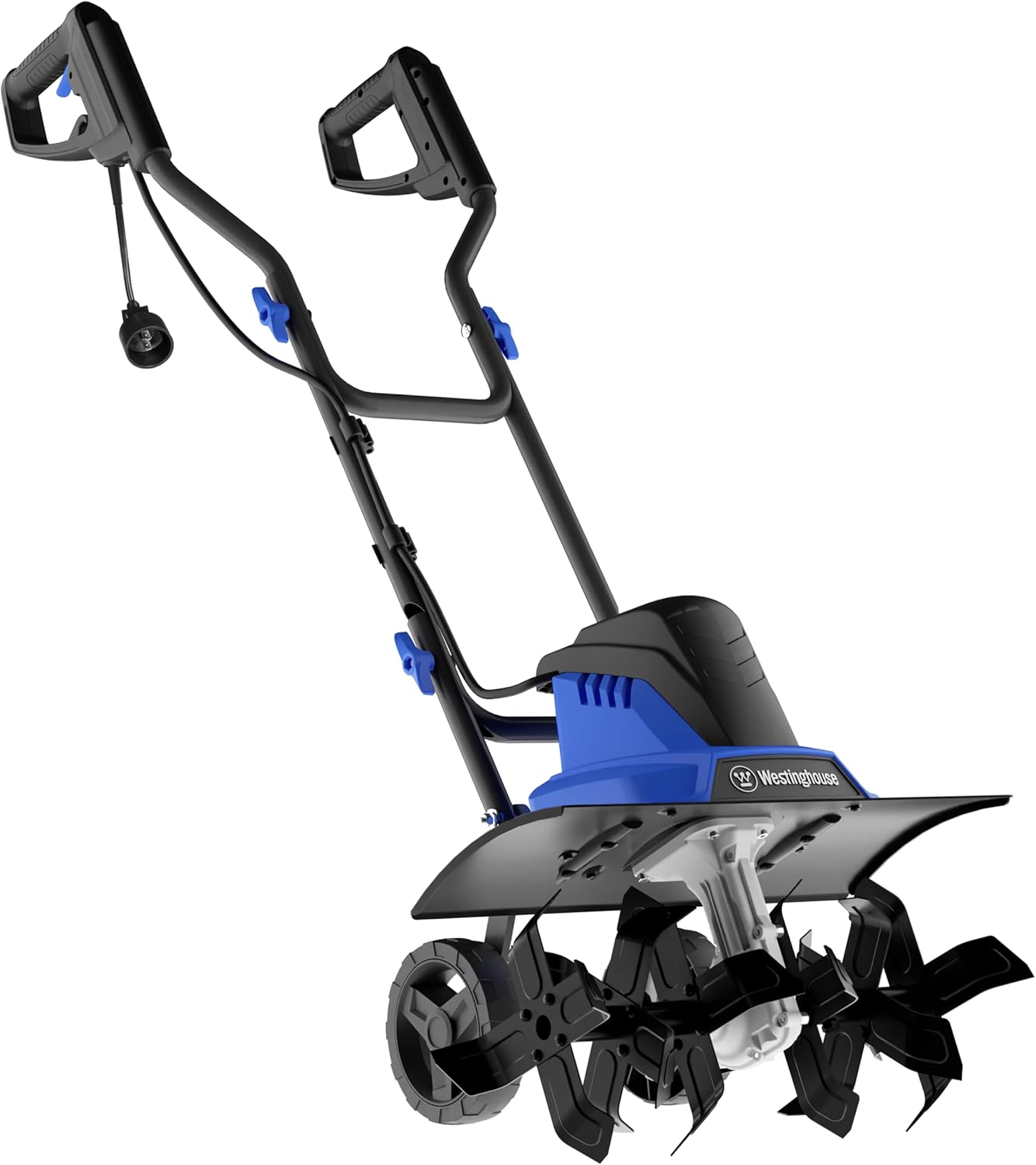
The Westinghouse W18TCAC is a corded electric tiller cultivator with an 18-inch working width, perfect for homeowners tackling small to medium garden beds, veggie patches, or flower areas. At just 24 pounds, it's a breeze for beginners or anyone wanting a no-fuss alternative to heavy gas models, especially in backyards where you need quick soil prep without the mess of fuel.
Key Features and Garden Performance
Powered by a 15-amp motor spinning up to 400 RPM, this tiller chews through compacted clay and tough soil fast, with six steel blades turning over ground up to 9 inches deep. Users rave about its power in real dirt, like digging trenches along driveways or prepping raised beds, often doing in hours what gas tillers took days. The ergonomic handles help you guide it smoothly, even when it kicks up rocks.
Build Quality and Durability
Built with high-strength steel tines and a sturdy frame, it holds up for seasonal use in home gardens. The folding design makes storage simple, and while most find it reliable, watch for overload in rocky soil to avoid strain. Backed by solid construction, it's ready for repeated jobs like aerating lawns or starting new plots.
Limitations and Practical Tips
It's not suited for huge fields due to the cord, and it can bounce initially on unbroken ground, so start shallow. The safety switch might need a hand adjustment for frequent stops. Pair it with a heavy-duty extension cord rated for outdoors.
Final Verdict
If you're a U.S. homeowner with a modest yard looking to break ground efficiently, this electric tiller delivers pro-level results without the upkeep. Grab it for your next garden refresh and enjoy healthier soil for thriving plants.
Getting Started
- Assemble handles and attach a 12-14 gauge outdoor extension cord long enough for your area.
- Start on loose soil or shallow passes to break ground gradually.
- Hold the safety bar firmly and squeeze the throttle for smooth operation.
Tilling Tips
Adjust depth wheel for 2-4 inches initially in hard soil, then go deeper. Work in straight lines, overlapping passes for even coverage. Clear large rocks to prevent strain.
Maintenance
- Clean tines after each use to remove dirt and debris.
- Store folded in a dry shed; check blades for wear seasonally.
- No oil or gas needed, just inspect cord for damage before use.
Pre-Tilling Prep
Water soil lightly a day before to soften compacted areas. Remove weeds and large debris for smoother tilling.
After Tilling
- Rake smooth and add compost or fertilizer for nutrient-rich beds.
- Ideal for veggies like tomatoes or flowers needing loose, aerated soil.
- Retill every spring to maintain healthy root zones.
Garden Applications
Use for new beds, lawn aeration, or trench digging. Enhances drainage in clay-heavy yards common in many U.S. regions.
Why Choose Electric?
- Pros: Instant power, no fumes, lighter weight, low maintenance.
- Great for small yards under 1/4 acre.
Gas Advantages
Gas models suit large plots but add weight, fuel mixing, and starting issues.
Best Fit
This Westinghouse shines for quick jobs where cord reach works, saving time over manual tools or finicky gas units.

Pros
- Easy 10-20 minute assembly with no tools needed
- Surprisingly powerful for an electric model, outperforming some gas tillers in small jobs
- Lightweight at 27 pounds for easy handling by one person
- Durable steel tines stand up to rocks, concrete, and heavy clay
- Compact and foldable for hassle-free storage
Cons
- Requires careful cord management to avoid running over the extension cord
- Can bounce on very rough terrain or thick roots, needing pauses to clear tines
- Best for small to medium areas, not ideal for large fields
What It Is and Who It's For
The Sun Joe TJ604E is a corded electric tiller designed for everyday gardeners tackling small to medium yard projects. With a 13.5-amp motor spinning at 370 RPM, it slices through soil up to 16 inches wide and 8 inches deep. It's perfect for U.S. homeowners with backyard gardens, flower beds, or lawn refresh areas, especially beginners who want reliable power without gas maintenance.
Key Features and Real-World Performance
Six angled steel tines dig aggressively into clay-heavy or root-filled soil, making quick work of prepping new beds or breaking up sod. Users rave about its ability to handle North Carolina clay or rocky yards, loosening soil for raking and planting. The foldable handle and adjustable wheels let you navigate tight spots and control depth easily, turning hours of shovel work into minutes.
Build Quality and Durability
At 27 pounds, it's lightweight yet sturdy with alloy steel construction that withstands outdoor abuse. It powers through glass shards or concrete without damage, though thick roots may wrap tines, requiring short stops to clear. Store it folded in a dry spot, and it'll be ready season after season.
Limitations and Practical Tips
Cord management is key; use a heavy-duty outdoor extension cord and plan your path. It bounces slightly on uneven ground, so firm handling helps. Not suited for acres, but shines in yards under 1,000 square feet.
Final Verdict
If you're building raised beds, starting veggie patches, or reviving mulched areas, this tiller delivers pro results for home use. Grab it for satisfying, sweat-free soil prep that sets up your best garden yet.
Quick Assembly
- Attach the two handle sections with included bolts; no tools required, done in under 10 minutes.
- Unfold and adjust wheels to your preferred height.
Getting Started
- Plug into a grounded outdoor outlet with a 12-14 gauge extension cord.
- Hold the safety button, then squeeze the trigger to start.
- Start shallow passes, increasing depth as soil loosens.
Pro Tip: Pre-loosen sod with a shovel for smoothest results. Clear tines after each pass on root-heavy ground.
Daily Care
- Hose off tines after use to remove soil and debris.
- Inspect for wrapped roots or damage; straighten bent tines if needed.
Storage
Fold the handle and store in a dry shed or garage. Wipe down with a cloth to prevent rust.
Long-Term Tips
- Keep cord coiled loosely to avoid kinks.
- Check motor vents for clogs before each season.
- Avoid wet conditions to protect electrical components.
Regular cleaning keeps it running like new for years of garden projects.
Ideal Uses
- Prepping vegetable garden beds or raised planters.
- Breaking up sod for new lawns or flower patches.
- Weeding and refreshing mulched shrub areas.
- Loosening soil around trees for planting.
Yard Size Fit
Great for plots up to 500-1,000 sq ft. For larger areas, pair with a walk-behind model.
Bonus: Excellent for urban backyards or sloped yards where gas tillers are cumbersome.

Pros
- Sturdy all-metal construction feels solid and lasts outdoors
- Quick assembly with included wrenches and spare parts
- Comfortable grips and foot plate make tilling efficient even on hard soil
- Versatile for weeding, aerating, and soil amendment mixing
- Lightweight at 4.66 pounds for easy maneuvering in tight spaces
Cons
- Handle height may require bending for users over 6 feet tall
- Takes more effort on very dry clay unless soil is pre-moistened
- Not suited for large areas or replacing powered tillers
The Jardineer Hand Tiller Cultivator is a manual garden claw designed for twisting into soil to loosen, aerate, and turn it over. It shines in small-scale gardening like raised beds, flower boxes, and veggie patches, making it a go-to for homeowners who want precise control without gas-powered tools. Beginner and experienced gardeners alike appreciate its focus on tight spaces where big tillers can't reach.
Key Features and Real-World Performance
Standout elements include the anti-slip foot plate for easy penetration and razor-sharp tines that grab and twist compacted soil effectively. In everyday use, it breaks up clay-heavy ground after a quick watering, aerates for better drainage, and mixes in compost seamlessly. Users report it excels at prepping beds for planting and pulling weeds by the roots, promoting vigorous plant growth.
Build Quality and Durability
Constructed from powder-coated steel, this tiller withstands outdoor conditions and repeated twisting without bending. The ergonomic curved handle minimizes strain, and padded grips stay comfortable during long sessions. At 37 inches tall and 4.66 pounds, it's maneuverable yet robust for seasons of service.
Limitations to Consider
Taller gardeners might find the height limiting, requiring some bending. It performs best on softer or moistened soil; very rocky or bone-dry clay demands extra passes. Assembly is straightforward but needs the provided wrenches for secure tightening.
Final Verdict
If you're tending raised beds or flower boxes, this twist tiller delivers reliable results with less physical effort. Grab it for your next soil prep project; it's a smart addition to any gardener's shed for healthier, thriving outdoor spaces.
Assemble in minutes using the included wrenches: attach the handle sections with bolts and nuts, then secure the tiller head. Tighten firmly to prevent wobbling during use.
Step-by-Step Tilling
- Water dry soil lightly to soften it.
- Position foot plate on ground and step down firmly.
- Grip handles and twist clockwise to penetrate and loosen.
- Rock side-to-side for aeration, then lift and repeat.
- Mix in amendments by twisting through the soil.
Tip: Multiple passes work best on tough spots. Clean after each use to keep tines sharp.
Keep your Jardineer tiller ready for the next season with simple care. Rinse off dirt and debris right after use, then wipe dry to prevent rust.
- Sharpen tines occasionally with a file if they dull on rocky soil.
- Store in a dry shed; apply light oil to metal parts for protection.
- Check bolts monthly and tighten as needed.
- Avoid bare-hand assembly; always use wrenches for safety.
Proper maintenance extends its life, ensuring consistent performance in your garden beds.
This tiller transforms raised bed gardening by making soil prep fast and effective. Use it to break up last year's compaction before planting veggies or flowers.
Pro Tips
- Ideal for 4x8 foot beds or smaller flower boxes.
- Combine with compost for nutrient-rich soil.
- Aerate lawns edges or mix peat moss for moisture retention.
- Great for clay soils common in many U.S. yards.
Results in looser, better-draining soil for stronger plants all season.

Pros
- Powerful 360RPM motor handles tough soil and roots in small areas effectively
- Cordless freedom lets you till anywhere without extension cords or gas fumes
- Easy assembly and adjustable handles suit gardeners of all ages and heights
- Comes ready to use with two charged batteries and long runtime per charge
- Quiet operation compared to gas models, great for neighborhood backyards
Cons
- Battery indicator not always accurate, so monitor runtime in larger jobs
- Best for small to medium gardens; struggles in very hard or rocky soil without prep
- May clog with thick weeds, requiring occasional stops to clear tines
What It Is and Who It's For
This Alloyman 20V cordless tiller cultivator is a compact, battery-powered tool designed for breaking up soil, weeding rows, and prepping small garden spaces. At 14 pounds with a 9-inch tilling width and 6.6-inch depth, it's perfect for beginner gardeners, homeowners with raised beds, flower gardens, or narrow veggie rows who want hassle-free soil work without gas or cords.
Key Features and Real-World Performance
The 360RPM motor with four anti-rust steel tines powers through compacted dirt and grass roots, making quick work of new flower beds or lawn aeration. Users love its cordless convenience for tight spots around shrubs or between plants. Dual 4.0Ah batteries deliver about 45 minutes each, enough for most small jobs, and the ergonomic handle adjusts to your height for comfortable use over longer sessions.
Build Quality and Durability
Lightweight aluminum construction holds up outdoors, with detachable tines for easy cleaning of stuck weeds. The double safety switches add peace of mind, and while blades are sturdy, some note the pin connection wears with heavy use, so gentle handling extends life. It outperforms many electrics in soft to medium soil without the maintenance of gas tillers.
Limitations and Tips
Not ideal for large fields or extremely rocky ground; pre-loosen tough spots with a shovel for best results. Battery life suits small yards but plan swaps for bigger tasks. Overall, it's a reliable pick for everyday gardening that saves your back and time.
Final Verdict
If you're tilling small gardens or maintaining beds, this tiller delivers pro-level results with backyard ease. Grab it for soil prep that turns chores into quick wins.
Getting Started
- Assemble handles securely and charge batteries fully before first use.
- Press both safety switch and trigger to start; grip firmly with both hands.
- Till in passes: let tines bite 2-4 inches deep, then move slowly forward.
Tips for Best Results
Prep soil: Remove large rocks or sod first. Rake debris between passes to avoid clogs. For deeper tilling, go over areas twice.
Clean after use: Detach tines, rinse off dirt, and dry to prevent rust. Store batteries in a cool, dry place.
Battery Care
- Monitor runtime; swap batteries mid-job if needed.
- Avoid full discharge; recharge promptly for longer life.
Ideal Applications
- Raised beds and flower gardens: Loosen soil evenly for healthy roots.
- Veggie rows: Weed between plants without damaging crops.
- Lawn prep: Aerate or break sod for new seeding.
- Weeding and edging: Trench around shrubs or paths.
Garden Size Guide
Perfect for plots under 1,000 sq ft. For larger areas, pair with a full-size tiller or multiple battery swaps. Excels in soft to medium soil; use for maintenance over initial heavy breaking.
Pro tip: Till when soil is moist, not wet or bone-dry, for smoothest results.
Why Choose Cordless?
- No gas mixing, pull-starts, or fumes for cleaner, quieter operation.
- Lighter and easier to store in sheds or garages.
- Instant start with safety switches beats carburetor issues.
When Gas Might Be Better
For very large yards or rocky soil, gas offers unlimited runtime. This electric shines in convenience for weekly upkeep.
Power Comparison
360RPM rivals small gas models in soft soil, with less vibration for all-day comfort.

Pros
- Sturdy cast-aluminum construction stays sharp and durable through tough jobs
- Comfortable grip provides excellent control and leverage for weed removal
- Versatile for aerating, digging, and weeding in lawns and garden beds
- Lightweight at 8 ounces yet powerful for everyday use
- Easy to store with built-in hang hole
Cons
- Requires bending over, which may strain backs during extended use
- Best in softened soil; harder in very dry or rocky ground
- Some users find it slightly large for very delicate tasks
What It Is and Who It's For
The Fiskars Ergo Cultivator is a compact, heavy-duty hand tool with three sharp tines perfect for breaking up soil, aerating lawns, and extracting weeds by the root. It's ideal for beginner gardeners, busy homeowners, and outdoor enthusiasts maintaining small to medium backyards, vegetable patches, or flower beds.
Key Features and Garden Performance
Its cast-aluminum head and polished tines slice through tough turf and compacted dirt effortlessly, making soil prep quicker and more effective. The ergonomic handle offers a secure, non-slip grip that minimizes fatigue, so you can weed your lawn or loosen soil around plants without sore hands. Gardeners praise its leverage for popping out dandelions whole, leaving minimal holes to refill.
Build Quality and Durability
Built to last with rust-resistant materials, this cultivator withstands heavy use across seasons without bending or dulling. At just 8 ounces, it's lightweight yet robust enough for rocky soil, backed by a lifetime warranty for reliable outdoor performance.
Limitations and Verdict
It shines in softened soil but takes more effort in dry conditions, and bending is needed for ground-level work. Overall, this is a must-have for practical backyard gardening; add it to your toolkit for easier weeding and healthier soil.
Effective Weeding Techniques
- Center the tines around weed stems, push 1-1.5 inches deep, then lever back gently to extract full roots.
- Use after rain or watering when soil is soft for easiest removal with less lawn damage.
- Pat disturbed soil flat immediately to avoid bare patches.
Aerating Your Lawn or Beds
- Work in sections to loosen compacted areas, improving water and nutrient flow to roots.
- Combine with mulch for better moisture retention in garden beds.
- Avoid over-aerating to prevent plant stress.
These steps help create thriving outdoor spaces with less effort.
Cleaning and Maintenance
- Rinse off dirt and debris after each use; dry thoroughly to prevent rust.
- Sharpen tines occasionally with a file if needed for peak performance.
- Store in a dry place, hanging via the built-in hole to avoid clutter.
Longevity Tips
Avoid prying on very hard surfaces to preserve the tines. With basic care, this Fiskars tool will serve your garden for years, reducing the need for replacements.
Why Fiskars Ergo Stands Out
- Vs. Basic Steel Cultivators: Aluminum resists rust better for humid climates.
- Vs. Stand-Up Weeders: Smaller holes and no plugs mean less lawn repair.
- Vs. Plastic Tools: Far more durable for tough soils without breaking.
Its ergonomic design and precision make it a top pick for hands-on gardeners seeking value and reliability.

Pros
- Ergonomic adjustable handle minimizes strain for comfortable extended use
- Versatile 2-in-1 design handles tilling, weeding, and edging effectively
- Rust-resistant materials ensure longevity in outdoor conditions
- Sharp star tines and steel blade cut through soil and roots efficiently
- Lightweight at 5 pounds yet sturdy for small to medium garden tasks
Cons
- Manual operation requires physical effort, not ideal for very large yards
- May struggle with extremely rocky or clay-heavy soil without pre-softening
- Initial assembly takes a few minutes despite included instructions
The Walensee Rotary Cultivator is a manual garden tool designed for homeowners with small lawns, vegetable gardens, or flower beds who want to loosen soil, aerate turf, and remove weeds without heavy machinery. It's perfect for beginners or those avoiding back strain, offering a practical alternative to basic hand tools for tasks like reseeding bare patches or prepping seedbeds.
Key Features and Real-World Performance
Four interlocking star-shaped wheels with sharp teeth roll easily to break compacted ground and mix in amendments, speeding up lawn repair or planting prep. The included manganese steel weeder blade flexes to dig out deep roots and edge borders precisely. In everyday use, it excels at turning hard dirt into fluffy soil for better root growth, especially in raised beds or tight yard spaces.
Build Quality and Durability
- Stainless steel pole and hardened wheels resist rust for season-after-season reliability.
- Non-slip ergonomic grip stays comfortable even when soil is damp.
- Detachable design allows height adjustments from 73 inches down for versatile garden work.
Limitations and Final Verdict
While powerful for its size, it demands some effort on tougher soils and suits smaller areas best. Overall, this hand tiller earns high marks for usability and value; grab it if you need a reliable tool for soil aeration, weeding, and lawn care without the hassle of gas-powered options. Your back and garden will thank you.
Maximize results with these simple steps for your Walensee Rotary Cultivator.
Basic Tilling
- Adjust handle to waist height for comfort.
- Roll slowly back and forth over 6-12 inch sections to loosen soil.
- Work moist ground for easiest penetration; avoid wet mud.
Weeding and Aeration
- Switch to weeder blade for roots: Angle into soil and twist to pull.
- For lawn aeration, lightly roll over grass to improve water flow without damaging turf.
- Tip: Till in compost afterward for nutrient-rich beds.
Practice in a small test area to get the feel, and you'll prep perfect seedbeds fast.
Keep your cultivator sharp and ready with easy care routines suited for busy gardeners.
- Clean after each use: Rinse dirt off tines and blade with a hose; dry to prevent rust.
- Inspect for wear: Tighten connections and check teeth sharpness periodically.
- Store upright in a shed or garage; disassemble pole for compact space-saving.
- Oil joints lightly if squeaking occurs during storage.
Seasonal Prep
Before spring, test roll on soft soil. For winter, wipe down and hang to avoid ground moisture. Proper upkeep ensures years of reliable performance in your backyard tasks.
This tiller shines in these common scenarios for U.S. homeowners.
- Lawn repair: Loosen soil over bare spots before overseeding grass.
- Vegetable plots: Break clumps and mix fertilizer for straight rows.
- Flower beds: Aerate around perennials without disturbing roots.
- Raised beds: Adjustable height makes edge work painless.
Not suited for big fields, but ideal for urban or suburban yards under 1/4 acre needing spot treatment.

Pros
- Powerful 7HP engine delivers strong torque for efficient tilling in tough conditions
- Customizable width and depth adapts to various garden sizes and soil types
- Durable hardened steel tines hold up to heavy use in real-world gardening
- Centrifugal clutch ensures smooth starts and reduces engine wear
- Rear tine setup offers superior traction for sloped or loose terrain
Cons
- At 124.7 pounds, it's heavy and may require two people to maneuver or transport
- Gas-powered operation means regular fueling and oil changes compared to electric models
- Best for medium to large yards; overkill for tiny urban plots
What It Is and Who It's For
The SuperHandy Tiller Cultivator is a robust rear tine tiller powered by a 7HP 209cc OHV engine, designed for gardeners tackling serious soil prep. It's perfect for homeowners with medium to large backyards who want to break new ground, aerate lawns, or clear weeds from vegetable patches without renting equipment.
Key Features and Garden Performance
In real-world use, the adjustable tilling width and depth let you fine-tune for narrow flower beds or wide lawn areas, ensuring thorough soil turnover. The heavy-duty steel tines slice through clay or sod effortlessly, while the centrifugal friction clutch provides smooth power delivery for consistent results on tough jobs like spring garden prep.
Build Quality and Durability
Built with alloy steel components, this tiller stands up to outdoor rigors, from rocky soils to frequent use. The orange finish resists rust, and proper maintenance with 87 octane gas and SAE 30 oil keeps it running strong season after season.
Limitations and Practical Tips
Its weight makes it less ideal for solo use in tight spaces, and gas models require more upkeep than electrics. Always wear protective gear and follow the manual for safe handling.
Final Verdict
For gardeners serious about efficient soil work, the SuperHandy delivers power and versatility that transforms yard projects. Recommend it if you have plots over 500 sq ft needing deep cultivation.
Tips for Optimal Soil Prep
- Start with dry soil to avoid clumping; till when moisture is like a wrung-out sponge.
- Make multiple shallow passes before going deep to prevent strain on the tines.
- For lawns, remove sod first or till in stages to mix organic matter evenly.
- Adjust depth for veggies (8-12 inches) versus flowers (6-8 inches).
Garden Soil Types
Clay soils: Use max torque on lower speeds.
Sandy soils: Wider settings for quick aeration.
Weedy areas: Till twice to uproot roots fully.
Daily and Seasonal Care
- Check oil levels before each use with SAE 30 or 10W-30; change after 20 hours.
- Clean tines after jobs to remove debris and prevent rust.
- Run dry after storage to clear fuel lines; use ethanol-free gas if possible.
- Store upright in a dry shed; cover to protect from weather.
Troubleshooting
If it bogs down, sharpen tines or reduce depth. For starting issues, verify spark plug and fresh fuel.
Matching to Your Space
- Small yards (<500 sq ft): Consider lighter front tine models.
- Medium plots (500-5000 sq ft): Ideal fit for veggie gardens and lawn renovation.
- Large areas (>5000 sq ft): Great starter; pair with tractor for biggest jobs.
Factor in terrain: Rear tines excel on slopes over 10 degrees.

Pros
- Powerful 4-cycle engine starts easily and runs smoothly with low emissions
- Durable 6x4 steel tines handle compacted dirt and weeds effectively
- Ergonomic handles and wheels boost comfort and maneuverability
- Foldable design saves storage space in small backyards
- Versatile for tilling, weeding, and ditching in gardens or farms
Cons
- Gas-powered requires fuel management and occasional oil checks
- At 76 pounds, it may feel heavy for users with limited strength
- Best suited for small to medium plots, not ideal for large-scale farming
What It Is and Who It's For
The BILT HARD 46cc 4-Cycle Gas Powered Tiller Cultivator is a front-tine rototiller built for homeowners who want pro-level soil prep without the hassle. With its 16-inch tilling width and 8-inch depth, it shines for vegetable gardeners, flower bed enthusiasts, and backyard farmers turning over soil for new plantings or weed control. Beginners appreciate the easy-start system, while experienced users value its power on tough jobs.
Key Features and Garden Performance
The 1.9HP 4-cycle engine delivers steady torque at up to 9200 RPM, slicing through clay or root-filled soil like butter. Six heavy-duty steel tines with 4-angle design mix soil evenly for better seedbeds. In real gardens, it excels at prepping raised beds, loosening compacted lawn edges, or maintaining orchard rows, with adjustable wheels for transport and cushioned grips for all-day comfort.
Build Quality and Durability
Made with metal construction, this tiller stands up to outdoor rigors, from wet spring soil to dry summer dust. The full-crank engine reduces vibration for longer life, and features like the automatic choke make it reliable season after season. Foldable handles keep it compact for storage, fitting tight spaces in your garden shed.
Limitations and Final Verdict
It's not lightweight, so plan for some muscle on bigger jobs, and gas refills add a step compared to electrics. Overall, this tiller earns top marks for everyday garden warriors. Grab it if you need a dependable workhorse for thriving backyard spaces; your soil will thank you with bumper crops.
Getting Started
- Fill the 28 oz fuel tank with unleaded gas (no mixing needed) and 3.4 oz oil.
- Prime the choke, pull the starter cord with one-hand control for quick ignition.
- Adjust wheels to raised position for transport, lower for tilling.
Best Practices
Start on loose soil, then tackle tougher spots. Use shallow passes first to avoid clogs. For vegetable gardens, till when soil is moist but not soggy. Angle tines for weeding rows or ditching paths.
- Tip: Wear gloves and sturdy boots for safety on slopes.
Daily Care
- Clean tines after each use to remove dirt buildup.
- Check oil levels before starting; change every 25 hours.
- Sharpen tines if they dull on rocky soil.
Off-Season Storage
Drain fuel, fold handles, and store upright in a dry shed. Cover to protect from dust. Winterize by running dry or adding stabilizer. This keeps your tiller ready for next spring's garden revival.
Ideal Plot Sizes
- Perfect for under 1/4 acre: veggie patches, flower beds, small orchards.
- Good for medium yards up to 1/2 acre with multiple passes.
- Avoid for large fields; consider bigger rear-tine models.
Vs. Electric Tillers
Gas power beats electrics on unlimited runtime and tough soil, but electrics are lighter and cordless options suit tiny plots. Choose this for backyard pros needing depth and width without outlets.

Pros
- Sturdy carbon steel head stays sharp and doesn't wobble on oak handle
- Ergonomic rubber grip offers superior comfort and control for all hand sizes
- Highly versatile for weeding, tilling, digging, and light yard tasks
- Well-balanced and manageable length, especially for detailed garden work
- Durable build withstands tough soils and repeated use
Cons
- Lightweight construction works best in moist soil, less effective in very dry, hard dirt
- Forked end better for tilling than deep weed removal in some cases
- Shorter handle requires kneeling or close work, not ideal for large areas
What It Is and Who It's For
The Edward Tools Hoe and Cultivator Hand Tiller is a compact, manual garden tool with a dual-purpose carbon steel head: one side for hoeing and digging, the other forked for cultivating and weeding. It's perfect for U.S. homeowners with backyard vegetable gardens, flower beds, or raised planters who need a reliable hand tool for precision work without powering through large plots.
Key Features and Garden Performance
In real-world use, the sharp blade chops through compacted soil and slices weeds at the base, while the cultivator teeth loosen dirt around plants for aeration. Gardeners love its balance for breaking up chunks in moist beds or pulling shallow-rooted invaders. The ergonomic rubber grip on solid oak reduces slippage and fatigue, letting you work longer on tasks like prepping sod or transplanting seedlings.
Build Quality and Durability
Heavy-duty carbon steel resists rust and bending, even in tough conditions like ground ivy removal or hard clay. The head attaches securely to the handle with no wobble, standing up to daily garden abuse. At under a pound, it's easy to maneuver but feels substantial enough for serious digging.
Limitations and Verdict
It's not suited for breaking very dry, rocky soil where heavier tools shine, and the shorter length means more bending for some users. Overall, this tiller earns its spot in any gardener's shed for efficient weeding and soil prep. Grab one if you want a tough, comfy tool that tackles everyday garden chores with ease.
Master Weeding with Precision
- Use the hoe blade to slice weeds just below soil level in flower beds, preventing regrowth.
- Position the cultivator forks under weed roots in moist dirt and rock back to lift them out whole.
- For ground ivy or dense patches, chop repeatedly then rake away debris for clean beds.
Tilling Tips for Healthy Soil
Work in sections: loosen topsoil lightly around veggies to avoid root damage, or aerate compacted areas before planting. Best in damp conditions for smooth results; pair with watering for clay-heavy yards.
Daily Maintenance for Longevity
- After use, rinse off soil and dry thoroughly to prevent rust on the carbon steel blade.
- Store in a shed or hang on a wall hook to protect the oak handle from ground moisture.
- Wipe the rubber grip with mild soap to maintain tackiness and hygiene.
Sharpening Guide
File the blade edges at a 20-degree angle with a mill bastard file when dull. Hone the cultivator tines similarly for clean cuts. Sharpen every few weeks of heavy use to keep it slicing through tough weeds effortlessly.
Vs. Basic Garden Hoes
This dual-head design outshines single-blade hoes by adding cultivation, making it more versatile for mixed tasks without switching tools.
Vs. Heavier Digging Tools
Lighter than full shovels, it's quicker for surface work but lacks power for deep digging; ideal complement to larger implements in small yards.
- Edge: Better grip and balance than budget plastic-handled options.
- Trade-off: Not as robust for rocky soils as all-metal heavyweights.

Pros
- Sturdy steel construction holds up to tough weeding jobs
- Comfortable rubber grips reduce hand fatigue during long sessions
- Simple 3-step use for fast soil turning in moist conditions
- Quick assembly with basic tools for immediate garden work
- Versatile for large patches or tight spots like flower beds
Cons
- Requires some upper body strength for hard, dry clay soil
- Not powerful enough for breaking rocky or cemented ground
- Best on looser soils; may stick in very compacted areas
What It Is and Who It's For
The Walensee Twist Tiller is a hand-powered garden claw cultivator designed for turning, aerating, and weeding soil without gas or electricity. With its long 35-inch handle and wide, sharp tines, it's a game-changer for U.S. homeowners tending small gardens, raised beds, or lawn edges. Beginner gardeners love how it simplifies prep work, while experienced folks appreciate it for spot treatments around established plants.
Key Features and Real-World Performance
Four curved tines penetrate soil easily when twisted clockwise, loosening dirt in seconds for better root growth. Users rave about its effectiveness in raised beds and under trellises, where traditional tools fall short. In moist soil, it pulls weeds roots and all, promoting healthier yards with improved air and water flow. The T-shaped grip distributes effort evenly, making it less tiring than short-handled claws.
Build Quality and Durability
Made from powder-coated steel with ABS grips, this tiller resists rust and stands up to outdoor storage. At 4.5 pounds, it's lightweight yet tough, outlasting plastic alternatives. Reviewers confirm it handles daily use in flower beds and veggie patches without bending.
Limitations to Consider
It shines on loose to medium soils but demands elbow grease on hard clay, so wet the ground first. Skip it for large fields or virgin land; pair with a shovel for bigger jobs.
Final Verdict
If you're building thriving raised beds or maintaining a cozy backyard garden, grab the Walensee Twist Tiller. It's a reliable, back-friendly tool that delivers pro results for everyday gardening.
Simple 3-Step Operation
- Position tines on soil surface, holding handles near your body.
- Press down while twisting clockwise to penetrate and loosen.
- Lift, shake off debris, and repeat for even aeration.
Pro Tips for Best Results
Moisten soil beforehand for smoother twisting in clay-heavy yards. Use body leverage, not just arms, to avoid strain. For weeds, twist 90 degrees to grab roots fully. Short users may need to bend slightly, but the height suits most gardeners.
Perfect For These Spots
- Raised bed planters: Loosens soil without damaging edges.
- Narrow flower beds and trellises: Reaches where hoes can't.
- Lawn aeration: Improves grass health around trees or paths.
- Veggie gardens: Preps soil for tomatoes, cucumbers, and more.
Ideal for small to medium yards; combine with mulch for weed-free beds that thrive all season.
Keep It Like New
- Wipe tines clean after each use to prevent rust.
- Store dry in a shed; disassembles easily for compact fit.
- Inspect bolts periodically and tighten as needed.
Weather-resistant powder coating means it lasts years with basic care, ready for spring planting every time.
Buying Guide for Best Cultivators For Heavy Duty Use
Power Source: Manual, Electric, or Gas
Choosing the right power source depends on your garden size and how much physical effort you want to put in. Manual cultivators like the Fiskars Ergo Cultivator or Edward Tools Hoe and Cultivator are ideal for small areas or spot work, offering precision without cords or fuel. They rely on your strength but build up quickly for light to medium heavy-duty use in flower beds or raised planters.
For larger plots, electric models such as the Sun Joe TJ604E or Westinghouse 18-Inch Tiller shine with consistent power via a corded 13.5-amp or 15-amp motor. These handle tough soil at high RPMs without the hassle of gas maintenance, perfect for homeowners tilling lawns or veggie gardens weekly. Cordless options like the Alloyman 20V Tiller add mobility for hard-to-reach spots.
Gas-powered beasts like the BILT HARD 46cc or SuperHandy 7HP models deliver unmatched torque for very heavy-duty jobs on big yards or farms. They plow through rocky soil but require fuel mixing or separate oil and more upkeep. Consider your storage space and noise tolerance when picking; start with electric if you’re new to power tillers. Check our Gardening Hand Tools category for more powered options.
Tine Material and Durability
Heavy-duty use demands tines that resist bending, rust, and dulling. Look for polished aluminum, carbon steel, or powder-coated steel like in the Fiskars Ergo Cultivator or Edward Tools model. These materials stay sharp longer, even in wet clay soils common in many U.S. regions.
Steel tines with angled or star-shaped designs, as seen in the Sun Joe with 6 steel tines or Walensee Rotary Cultivator’s star wheels, provide better soil penetration and longevity. For gas tillers, hardened steel like in the BILT HARD ensures they withstand rocky ground without frequent replacements. Always rinse tines after use in salty or acidic soils to extend life.
| Material | Best For | Example Product |
|---|---|---|
| Polished Aluminum | Rust-prone areas | Fiskars Ergo Cultivator |
| Carbon Steel | Heavy weeding | Edward Tools Hoe |
| Powder-Coated Steel | Deep tilling | Jardineer Hand Tiller |
Tilling Width, Depth, and Adjustability
Match tilling specs to your space: narrow 9-inch widths like the Alloyman suit raised beds, while 16-18 inch widths on Sun Joe or Westinghouse cover lawns efficiently. Depth up to 8-9 inches breaks compaction for root veggies or grass reseeding.
Adjustable features, such as foldable handles on Sun Joe or height-adjustable poles on Walensee Rotary, make maneuvering easy. For heavy-duty, prioritize models with 6+ tines for uniform results. Test on moist soil first to gauge coverage in your yard.
Ergonomics and Handle Design
Comfort prevents back strain during long sessions. Ergonomic grips like the non-slip rubber on Fiskars or T-shaped handles on Walensee Twist Tiller reduce twisting effort. Long handles (35+ inches) on Jardineer or Alloyman let you stand upright, ideal for seniors or those with joint issues.
Foldable, cushioned designs on BILT HARD enhance storage and control. Anti-slip foot plates on Jardineer maximize leverage without slipping. Pair with gloves for all-day use in your patio garden.
Maintenance and Versatility
Easy-clean tines and simple assembly, as in Walensee models, keep downtime low. Electric tillers need minimal upkeep beyond cord management, while gas ones require oil checks. Versatile tools like Walensee Rotary with weeder blade handle tilling plus edging.
Seek rust-resistant builds for humid climates. These Best Cultivators for Heavy Duty Use double as aerators or weeders, fitting various tasks from lawn repair to flower box prep. Explore related precision tools in our Bonsai Tools section for finer garden work.
Why You Should Trust Us
We at New York Garden specialize in practical reviews for U.S. gardeners, analyzing specs, user feedback, and real-world gardening needs to bring you honest recommendations. Our team dives deep into product data like tine strength and motor power, focusing on what works for backyard lawns, patios, and veggie plots without hype.
Transparency is key: we prioritize durable, gardener-tested features from brands you know, helping you avoid common pitfalls like weak tines or poor ergonomics. Visit our Cultivators & Tillers page for more category insights tailored to your outdoor space.
Final Thoughts
After reviewing these 10 Best Cultivators For Heavy Duty Use, our best overall pick is the Sun Joe Corded Electric Garden Tiller & Cultivator. Its 13.5-amp motor and 16-inch width power through heavy soil effortlessly, with steel tines and foldable handle making it a versatile workhorse for medium to large gardens. Gardeners love its speed for lawn prep and weed control without gas fumes.
For best value, go with the Fiskars Ergo Cultivator. This heavy-duty hand tool’s cast-aluminum head cuts tough soil precisely, with ergonomic grip reducing fatigue for daily weeding or aerating small beds. It’s a budget-friendly essential that lasts seasons of hard use.
The Jardineer Hand Tiller Cultivator excels as best for raised beds and flower boxes, thanks to its anti-slip foot plate and razor-sharp tines that penetrate compacted soil easily. Seniors and those avoiding power tools appreciate the back-saving design for mixing amendments or loosening tight spaces. See more hand tools like precision pruners in our collection.
FAQs
What makes a cultivator suitable for heavy-duty use in 2026?
Heavy-duty Best Cultivators for Heavy Duty Use feature robust steel or aluminum tines, powerful motors over 13 amps for electrics, or 46cc+ engines for gas, plus ergonomic designs to handle tough soils like clay without breaking. Prioritize rust resistance and depth over 6 inches for real performance in demanding gardens.
How do I choose between manual and electric Best Cultivators for Heavy Duty Use?
Manual options suit small areas under 100 sq ft where precision matters, like the Edward Tools for weeding. Electric models like Westinghouse are better for larger lawns needing speed and power without physical strain. Consider your outlet access and plot size.
Can these Best Cultivators For Heavy Duty Use handle rocky or clay soil?
Yes, models with angled steel tines like Sun Joe or BILT HARD excel in rocky clay by breaking clumps effectively. Water soil first to soften, and use gas power for extremes. Avoid thin tines that bend easily.
Are cordless Best Cultivators for Heavy Duty Use powerful enough for heavy duty?
Cordless like Alloyman 20V offer good power at 360 RPM for medium tasks, with batteries lasting 45 minutes. They’re mobile but best for under 500 sq ft; supplement with corded for all-day heavy work.
How do I maintain my heavy-duty cultivator?
Clean tines after each use, store dry to prevent rust, and sharpen as needed. For electrics, check cords; gas models need oil changes per manual. Regular care ensures years of reliable gardening performance.


Write Your Review
No reviews yet. Be the first to share your experience!