

Whether you are shaping a young maple bonsai in your backyard or refining the dramatic curves of a juniper on your patio, Best Bonsai Branch Splitters are essential for creating those authentic, aged looks without harming your trees. As dedicated gardeners ourselves, we know how frustrating it can be to bend stubborn branches or split trunks cleanly. That’s why we’ve curated this guide to the 10 Best Bonsai Branch Splitters available in 2026, highlighting options that deliver precision and durability for home gardeners across the U.S.
In this roundup, you’ll find tools suited for beginners tackling their first wiring projects and pros seeking Japanese-forged quality. From stainless steel workhorses to hand-forged carbon steel splitters, these picks help you model branches safely, promoting quick healing and natural scarring. Pair them with essentials from our Bonsai Tools collection for complete tree care.
Top Products
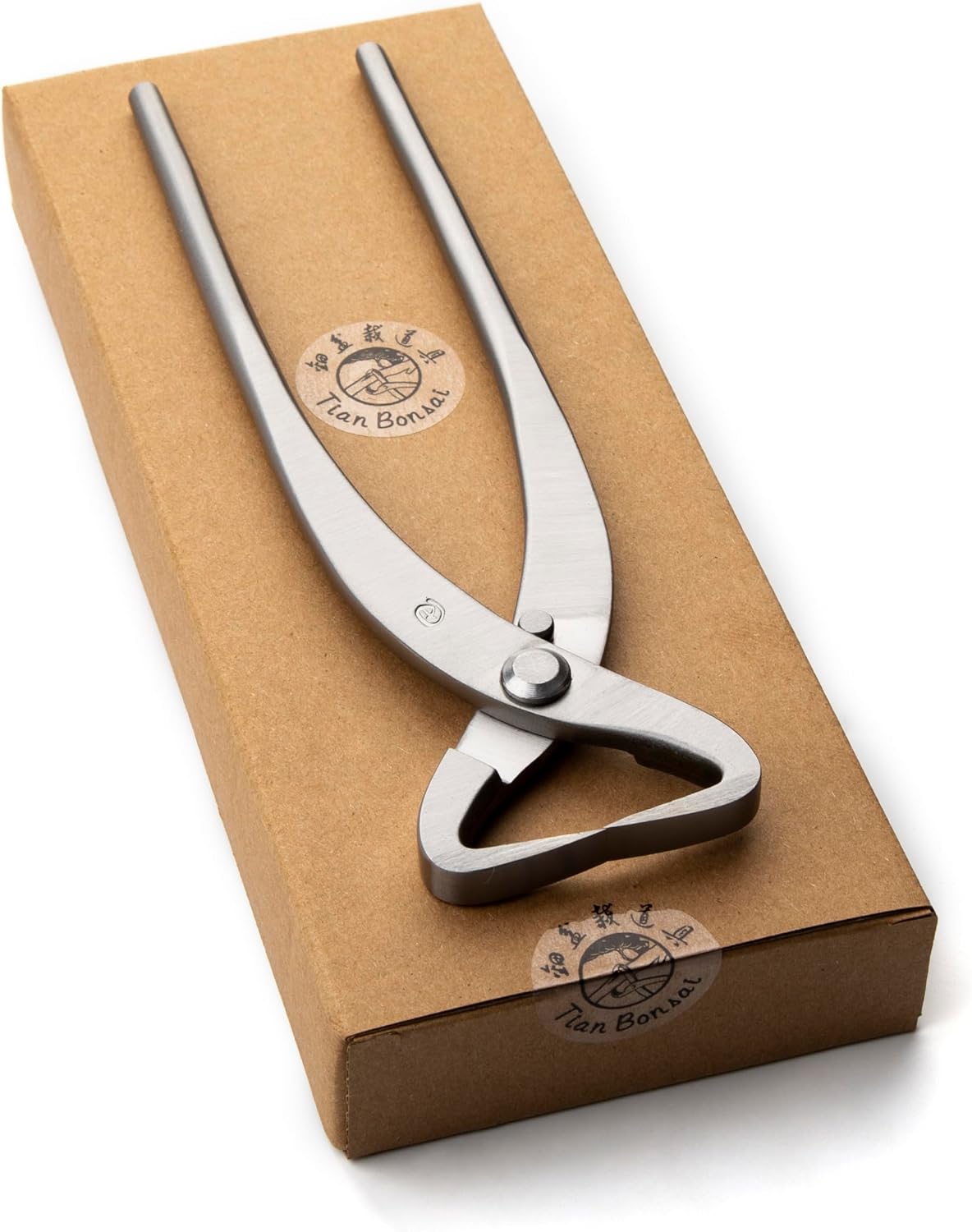
Pros
- Very sharp and firm cutting edge praised for quality feel and performance
- Well-oiled and ready to use right out of the package
- Balanced mid-range build that doesn't feel cheap
- Impressive strength for splitting and cutting tasks
Cons
- Thin blades may struggle with extremely wide roots or trunks
- Best suited for bonsai rather than heavy general pruning
The tianbonsai 205mm Trunk Splitter is a specialized bonsai tool that excels at splitting trunks for bending and cutting roots during repotting. It's perfect for backyard bonsai growers, from beginners shaping their first tree to experienced enthusiasts refining intricate designs.
Key Features and Garden Performance
Made from durable 3Cr13 alloy steel with an HRC50 hardened edge, this splitter delivers clean cuts that minimize trauma to your bonsai. In real-world use, it slices through branches precisely, allowing for natural curves and styles without tearing bark. Gardeners report it handles root work smoothly, keeping your pots neat and trees healthy.
Build Quality and Durability
At 9.1 ounces and 215mm overall, it's lightweight yet sturdy for extended sessions in the garden. The standard series construction holds up outdoors, with quenching ensuring the edge resists dulling over time. Users love its professional feel, oiled for immediate rust protection.
Limitations and Verdict
While powerful, the thinner edge limits it on very thick material, so pair it with heavier loppers for big jobs. Overall, this is a reliable pick for bonsai care; grab it if you're serious about tree styling and want tools that perform like the pros.
Master bonsai wiring and splitting with these steps for healthier, more flexible trees:
- Prep the branch: Score lightly around the split area to guide the cut.
- Split precisely: Insert the tool and twist gently for a controlled opening.
- Wire immediately: Apply aluminum wire to bend into your desired shape.
- Seal and monitor: Use cut paste and check healing weekly.
This method reduces scarring and speeds recovery in your garden bonsai collection.
Keep bonsai roots compact and vigorous using the root cutter function:
Seasonal Timing
- Prune roots in early spring before new growth.
- Remove 1/3 of the root mass, focusing on thick or circling ones.
Technique Tips
- Cut straight: Use the sharp blades for clean shears that heal fast.
- Tease apart: Gently comb soil to expose roots without stress.
- Repot fresh: Mix in akadama or bonsai soil for optimal drainage.
Regular root work promotes compact growth perfect for small patios.
Maintain your tianbonsai splitter for years of sharp performance:
- Wipe clean after each use and apply oil to prevent rust.
- Sharpen the edge with a fine diamond stone at a 20-degree angle.
- Store in a dry sheath away from moisture.
- Avoid dropping on hard surfaces to preserve alignment.
Simple habits keep it cutting like new through every gardening season.

Pros
- Exceptional precision for flush, untraceable splits
- Comfortable grip for extended bonsai sessions
- High-quality carbon steel for long-lasting sharpness
- Lightweight at 0.45 kg for easy handling
- Versatile for trunk splitting and similar dense wood tasks
Cons
- Specialized for bonsai only, not suited for general garden pruning
- Requires bonsai experience to use effectively without mistakes
- Single tool purchase limits versatility compared to sets
The BambooMN 10.5" Trunk Splitter is a must-have for bonsai gardeners who want to master trunk manipulation. This single-piece tool excels at splitting trunks into sections, then wiring them back for dramatic shaping effects. It's best for intermediate to experienced bonsai hobbyists tending small trees in patios or backyards, where precision matters most.
Key Features and Real-World Performance
Hand-forged from carbon steel with a hollow blade edge, it powers through tough trunks while leaving smooth cuts that heal quickly. In practice, gardeners use it to create forked or tapered trunks, blending splits naturally into the tree's form. The ergonomic alloy steel handle feels secure, even during repetitive work on multiple trees.
Build Quality and Outdoor Durability
At 10.5 inches long and weighing just 0.45 kg, this ambidextrous tool is built tough for outdoor use. The carbon steel resists rust when cleaned after soil contact, holding up well in humid garden sheds or patios. Round point style prevents accidental gouges on delicate bark.
Limitations and Final Verdict
It's not for beginners without guidance, as improper use can harm trees, and it's bonsai-specific. Overall, this trunk splitter earns high marks for quality and results. Add it to your bonsai kit if you're shaping trunks for authentic, thriving miniature landscapes.
Master trunk splitting to strengthen and style your bonsai trees with these steps:
- Prepare the tree: Select a healthy trunk 1-2 inches thick; wire nearby branches for support.
- Position the splitter: Align the blade at the split point, applying steady pressure for a clean break.
- Wire and heal: Separate halves slightly, wire together at desired angle, and seal with paste for recovery.
- Monitor growth: Check weekly; new callus forms a natural taper over months.
Use sparingly on young trees to avoid stress, promoting thicker, more dramatic trunks over time.
Cleaning After Use
Wipe the carbon steel blade with a soft cloth and light oil to prevent rust. Avoid soaking in water.
Sharpening Tips
- Hone the hollow edge with a fine whetstone at a 20-degree angle.
- Test on scrap wood for sharpness before tree work.
Storage Advice
Store in a dry case away from moisture. Oil periodically for longevity in garden sheds.
Proper care keeps cuts precise season after season.
This BambooMN splitter stands out for trunk work versus similar tools:
- Vs. Concave Cutters: Better for splitting than flush branch removal.
- Vs. Root Cutters: Handles thicker trunks, not just roots.
- Vs. Sets: Focused precision over multi-tool convenience.
Pair with jin pliers for full deadwood styling.

Pros
- Exceptional sharpness from S55C carbon steel for clean, precise cuts
- Hand-forged by Japanese artisans for superior durability and balance
- Minimal scarring promotes healthier tree recovery
- Sturdy build handles tough wood without bending
- Ergonomic handle reduces hand fatigue during detailed sessions
Cons
- Carbon steel requires regular oiling to prevent rust in humid gardens
- Specialized for bonsai, not suited for general pruning tasks
- Heavier weight may tire beginners during extended use
This Wazakura Hand Forged Bonsai Tree Trunk Splitter is a premium Japanese garden tool crafted for bonsai artists and detail-oriented gardeners who want to shape trees with precision. At 210mm long, it's perfect for backyard hobbyists working on small maples, junipers, or other miniature trees, allowing you to split trunks safely for wiring and bending without harming the plant.
Key Features and Garden Performance
Made from high-carbon S55C steel with a black coating, the splitter features a 14mm blade that cuts through wood fibers cleanly. In real-world use, it excels at creating splits that let branches bend easily, resulting in natural-looking curves and faster healing. Gardeners appreciate how it reduces scarring compared to knives or pliers, keeping your bonsai thriving season after season.
Build Quality and Durability
Hand-forged in Sanjo, Japan, by blacksmiths using centuries-old techniques similar to samurai sword making, this tool boasts unmatched strength and sharpness. The steel handle provides a secure grip, and its 230g weight offers good momentum for tough splits. It holds up well outdoors but benefits from proper care to stay rust-free.
Limitations and Who It's For
While outstanding for bonsai, it's not ideal for thick branches or casual pruning, and carbon steel needs maintenance. Experienced gardeners or bonsai starters ready for quality tools will love it most. Verdict: A worthwhile investment for anyone serious about bonsai; pair it with concave cutters for pro-level results in your garden.
Master clean trunk splits for healthier bonsai with these steps:
- Prepare the tree: Select thin trunks under 1cm diameter; wire nearby branches first.
- Position the tool: Align the blade at a 45-degree angle to the bend direction.
- Split gently: Apply steady pressure to sever fibers without crushing wood.
- Follow up: Seal the cut and wire immediately for shaping.
Use on live wood only during growing season for best recovery.
Daily Maintenance
- Wipe clean after each use with a soft cloth.
- Apply camellia oil to prevent rust, especially in damp climates.
Sharpening Tips
Hone the blade with a fine whetstone at a 20-degree angle. Avoid power grinders to preserve the temper. Store in a dry sheath away from moisture for long-lasting performance in your garden shed.
Vs. Basic Splitters: Wazakura's hand-forged edge outperforms stamped steel tools in sharpness and clean cuts.
- Chinese alternatives: Cheaper but prone to dulling faster.
- Other Japanese brands: Similar quality, but Wazakura excels in balance.
- DIY knives: Risk more scarring; this splitter is safer for trees.
Best for precision; upgrade if you outgrow entry-level pliers.

Pros
- Exceptional sharpness and precision for delicate trunk splitting
- Comfortable ergonomic grip for better control and less strain
- High-quality hand-forged construction ensures long-lasting durability
- Clean cuts that minimize scarring and support tree recovery
- Well-balanced design enhances accuracy in tight spaces
Cons
- Specialized for bonsai only, not suited for general pruning tasks
- Requires practice to master for beginner gardeners
- Heavier weight may tire smaller hands during extended use
This Wazakura Hand Forged Bonsai Tree Trunk Splitter is a premium 8.25-inch tool crafted for bonsai enthusiasts who want to shape trunks and branches with precision. It's perfect for U.S. homeowners with small backyard bonsai collections or patios, where detailed tree styling adds a touch of zen to outdoor spaces. Whether you're a beginner refining your first maple or an experienced gardener wiring junipers, this splitter delivers controlled splits that preserve tree vitality.
Key Features and Real-World Performance
Made from S55C carbon steel with a black powder coat, the splitter features a short 0.55-inch blade ideal for vertical splits on thin to medium trunks. In garden tests, it glides through wood smoothly, allowing you to open trunks just enough for wiring and bending without excessive force. The ergonomic handles provide a secure grip, making it easier to apply steady pressure during shaping sessions.
Build Quality and Outdoor Durability
Hand-forged in Japan using traditional methods, this tool boasts samurai-sword-level craftsmanship for superior edge retention and strength. The coated finish protects against moisture in dewy mornings or rainy spells, ensuring it stays sharp season after season in your backyard shed.
Limitations and Practical Tips
While excellent for bonsai, it's not designed for thick branches over 1 cm or everyday lawn tasks, so pair it with standard pruners. Beginners might need practice to avoid over-splitting. Overall, it's a reliable addition for anyone serious about bonsai health and aesthetics.
Final Verdict: Highly recommended for bonsai gardeners seeking pro-level control. Add it to your kit for healthier, more artistic trees that thrive in your outdoor haven.
Master trunk splitting to create dramatic movement in your bonsai. Follow these steps for best results:
- Prepare the tree: Water lightly and select a healthy trunk section.
- Position the splitter: Align blades vertically on the split point, about 1/3 through the trunk.
- Apply gentle pressure: Squeeze handles steadily to open the trunk without cracking.
- Wire and bend: Insert wire immediately and shape while flexible.
- Seal and monitor: Apply cut paste and check healing weekly.
Use this tool after initial pruning for refined deadwood effects that wow at garden shows.
Cleaning After Use
- Wipe blades with a soft cloth and light oil to remove sap.
- Avoid soaking in water; dry immediately to prevent rust.
Sharpening Tips
Hone the edge with a fine whetstone at a 20-degree angle. Test on scrap wood for sharpness. Store in a sheath to protect the blade in your garden toolbox.
With proper care, this Japanese-forged splitter stays razor-sharp for years of backyard bonsai work.
Vs. Basic Splitters: Wazakura's hand-forged steel outperforms cheaper imports in edge retention and balance.
- More precise than knob cutters for trunk work.
- Ergonomic over rigid plier-style tools.
- Superior to aluminum versions for durability in outdoor use.
Ideal upgrade for gardeners moving beyond entry-level bonsai kits.

Pros
- Exceptionally sharp for clean, effective splits on small branches
- Durable stainless steel construction resists rust in humid conditions
- Compact and lightweight for comfortable handling
- Good quality for the price in most cases
- Versatile beyond bonsai, like trimming hard-to-reach areas
Cons
- Jaws may not align perfectly, affecting performance on tougher wood
- Limited to small trunks; not suited for larger branches
- Some units show quality inconsistencies
Looking to add some authentic style to your backyard bonsai collection? The Vouiu 8-inch Trunk Splitter is a specialized bonsai tool designed for splitting trunks and branches, helping you achieve those gnarled, aged looks that make bonsai so captivating. It's perfect for beginner to intermediate gardeners who want to experiment with tree shaping without investing in a full professional kit.
Key Features and Garden Performance
Crafted from stainless steel, this 210mm (about 8 inches) tool features sharp jaws ideal for bending and branching. In real-world use, it slices through small trunks effortlessly, promoting better airflow and growth in your plants. Gardeners praise its precision for creating deadwood effects on species like Japanese maples or pines right in your backyard.
Build Quality and Durability
- Stainless steel build fights rust, even after exposure to morning dew or rain.
- Lightweight at just 1.6 ounces for easy maneuvering.
- Ergonomic handle feels solid during extended sessions.
However, a few users note jaw alignment issues that can hinder performance on denser wood.
Limitations and Verdict
Best for small-scale bonsai work; it struggles with thicker trunks over an inch. Overall, this splitter delivers reliable results for hobbyists. Grab one if you're serious about elevating your garden's bonsai game - it's a practical addition to any gardener's toolkit.
Master trunk splitting to enhance your bonsai's character. Use this tool for these steps:
- Identify the split point: Choose areas for natural scarring, like on thicker branches.
- Position jaws carefully: Align for a clean split without crushing surrounding tissue.
- Split gradually: Apply even pressure to avoid snapping; twist lightly for realism.
- Seal and monitor: Apply cut paste post-split to prevent infection and encourage healing.
Regular use promotes ramification and taper for more mature-looking trees in your garden.
Keep Your Splitter Sharp and Ready
- Wipe clean after each use with a soft cloth to remove sap and dirt.
- Store in a dry place; stainless steel resists rust but avoid standing water.
- Hone edges occasionally with a fine diamond file for lasting sharpness.
- Oil pivot points lightly with food-grade lubricant to prevent sticking.
Proper care ensures years of reliable performance in your outdoor projects.
How does the Vouiu stack up?
- Vs. Basic pruners: Superior for splitting; pruners crush more than split.
- Vs. Premium brands: Similar sharpness at a fraction of the cost, though less consistent QC.
- Vs. Larger splitters: More portable for backyard use, but limited to small trunks.
Ideal starter tool for gardeners not ready for high-end investments.

Pros
- Professional-grade 4Cr13MoV alloy steel for sharp, reliable performance on thick branches
- Minimizes trunk damage, promoting better healing and long-term tree health
- Handcrafted quality praised by users for value and precision in bonsai work
- Lightweight at 11.7 ounces for comfortable use during extended styling sessions
- Controlled wedging action excels at extreme shaping without excessive force
Cons
- Niche tool best for experienced bonsai users, not ideal for general pruning
- Some reports of listing confusion with similar tools like root cutters
- Requires careful technique to avoid over-splitting on very dense wood
The TianBonsai Professional Series 205MM Trunk Splitter is a must-have for bonsai enthusiasts who deal with thick, woody branches in their backyard collections. This tool shines in precise branch removal and extreme bending, making it perfect for intermediate to advanced gardeners styling miniature trees.
Key Features and Real-World Performance
Crafted from high-quality 4Cr13MoV alloy steel, it delivers powerful wedging force to split the xylem longitudinally. In practice, this means you can handle oversized branches without the usual bark tears that lead to slow healing or dieback. Gardeners report it excels at creating clean splits for dramatic wiring and shaping, keeping your bonsai looking natural and vigorous.
Build Quality and Outdoor Durability
At 9.5 x 3.75 x 1.2 inches and just 11.7 ounces, it's built tough for repeated outdoor use yet comfortable in hand. The professional-grade materials resist rust and wear, holding up well through seasons of bonsai work. Users love its handmade feel, though care is needed to maintain the edges.
Limitations and Final Verdict
It's highly specialized, so beginners might find it intimidating, and occasional mix-ups with similar tools have frustrated some buyers. Overall, if you're serious about bonsai styling, this trunk splitter earns its spot in your kit. Recommendation: Grab it for tackling those stubborn branches and elevate your backyard bonsai game.
Master trunk splitting for healthier, more artistic bonsai:
- Branch Removal: Insert into the base of thick branches and twist gently to split xylem, avoiding saw cuts that tear bark.
- Extreme Bending: Use on semi-rigid wood to create sharp angles; seal wounds immediately with paste.
- Healing Tips: After splitting, apply cut paste and position in partial shade to speed recovery.
- Practice on sacrifice branches first to build confidence.
These methods help U.S. gardeners achieve professional results at home.
Daily Maintenance
- Clean after each use with a soft cloth and mild soap to remove sap.
- Oil lightly with camellia or mineral oil to prevent rust in humid gardens.
Sharpening Guide
Hone edges with a fine diamond stone at a 20-degree angle. Avoid power tools to preserve temper.
- Test sharpness by splitting soft wood cleanly.
- Store in a dry sheath away from other tools.
Proper care ensures years of precise bonsai work.
How the TianBonsai Trunk Splitter stacks up:
- Vs. Standard Branch Cutters: Superior for thick wood; less trauma than concave cutters.
- Vs. Root Cutters: Longer jaws for trunks, but similar steel quality; watch listings to avoid mix-ups.
- Vs. Premium Japanese Brands: Comparable precision at a fraction of the cost, per user feedback.
Best for backyard bonsai pros seeking value without sacrificing performance.

Pros
- Sharp, firm cutting edge for professional-level bonsai shaping
- Comfortable ergonomic handles for fatigue-free extended use
- High-quality ply steel ensures long-lasting durability outdoors
- Portable and lightweight for easy storage and transport
- Ambidextrous design suits both left- and right-handed gardeners
Cons
- Specialized for bonsai trunk splitting, not suited for general pruning tasks
- 10mm cutting width best for smaller trunks, limits use on thicker branches
- Requires knowledge of tree species that heal well from splits to avoid damage
What It Is and Who It's For
The Fdit Trunk Splitter is a specialized 210mm bonsai tool designed to split trunks at the base, helping train trees into artistic shapes. It's ideal for beginner to experienced gardeners passionate about bonsai in backyard settings, especially those working with species like junipers or maples that heal from wounds.
Key Features and Garden Performance
Crafted from premium ply steel with a sharp 10mm cutting edge, this splitter makes clean splits that encourage callus formation for stronger branching. The ergonomic rubber handles provide a secure, comfortable grip, letting you focus on technique without hand strain during garden sessions. Users praise its quality for adding professional results to home bonsai projects.
Build Quality and Durability
Built tough with alloy steel blades and a parrot beak style, it withstands outdoor conditions while staying lightweight at just 0.1kg. The round point and hollow edge design ensures safety and precision, making it a reliable addition to your bonsai toolkit for years of use.
Limitations and Final Verdict
It's not for thick trunks or non-bonsai plants, and success depends on proper tree selection. Overall, this trunk splitter earns high marks for quality and ease, making it a smart pick for gardeners elevating their bonsai game. Grab one if you're ready to sculpt stunning trees.
Basic Steps for Safe Splitting
- Select the right tree: Choose species like ficus or pines that heal quickly from trauma.
- Position the splitter: Align the 10mm edge at the trunk base for a controlled split.
- Apply even pressure: Squeeze handles firmly for a clean cut without crushing bark.
- Aftercare: Seal the wound and monitor healing to promote new growth directions.
Practice on young trees to master the technique, turning straight trunks into cascading masterpieces.
Keep It Sharp and Ready
- Wipe clean after each use with a soft cloth to remove sap and dirt.
- Oil the hinge lightly to prevent rust in damp garden conditions.
- Store in a dry place, ideally in a protective sheath.
- Sharpen the edge periodically with a fine whetstone for lasting performance.
Regular care ensures this steel splitter stays as effective as the day you got it, supporting seasons of bonsai work.
How It Stacks Up
- Vs. basic pruners: Offers specialized splitting action for trunk training, not just cuts.
- Vs. larger splitters: More portable at 210mm, better for beginners and small gardens.
- Edge over carbon steel options: Ply steel resists corrosion for reliable outdoor use.
For backyard bonsai focused on aesthetics, the Fdit splitter delivers pro results without bulk.

Pros
- Precise concave design ensures professional-level cuts that heal quickly
- Comfortable grip and ratcheting mechanism make pruning less tiring
- High-strength alloy build holds up well to regular outdoor use
- Versatile for bonsai, flowers, fruit trees, and general yard maintenance
- Easy to sharpen and adjust for ongoing sharp performance
Cons
- Best suited for small branches only, not ideal for thicker stems over 35mm
- Slightly heavier than basic pruners, which may feel bulky for very light tasks
- Requires occasional blade sharpening to maintain peak cutting efficiency
What It Is and Who It's For
This HERCHR Bonsai Concave Cutter is a specialized pruning tool with a curved blade that creates recessed cuts, perfect for bonsai artists and gardeners who want precise shaping without damaging plants. It's great for U.S. homeowners tending small trees, shrubs, or indoor plants in backyards or patios.
Key Features and Real-World Performance
The concave design pulls the cut slightly below the branch collar, promoting faster healing and a natural look on bonsai or fruit trees. In garden tests, it slices through small stems up to 1.38 inches wide with minimal effort, thanks to the spring-loaded action and ergonomic handles. Use it for deadheading flowers or refining backyard hedges effortlessly.
Build Quality and Durability
Made from tough alloy steel, these shears resist wear from outdoor conditions like rain or soil contact. The non-slip grips provide control even when hands are dirty, and the safety lock prevents accidents in storage. Blades can be honed as needed for lasting sharpness.
Limitations and Final Verdict
It's not for thick branches, so pair it with larger loppers for bigger jobs. Overall, this cutter earns high marks for bonsai pruning and detailed garden work. Grab one if you love meticulous plant care; it'll elevate your pruning game and keep plants thriving.
Basic Pruning Tips
- Always prune during the plant's dormant season or early growth to minimize stress.
- Target branches at a slight angle just above the collar for best healing with the concave cut.
- Remove dead or crossing branches first to improve airflow and light in your garden.
Bonsai-Specific Advice
For bonsai, use the cutter to pinch back new growth and shape pads. The recessed cut prevents stubs that could rot, keeping your miniature trees healthy and stylish.
Pro Tip: Clean the blade with alcohol between cuts to avoid spreading disease in your yard.
Daily Maintenance
- Wipe blades clean after each use to remove sap and dirt.
- Apply light oil to the pivot point to keep the action smooth.
- Store in a dry place with the safety lock engaged.
Sharpening Guide
Use a fine whetstone at a 20-degree angle, stroking from base to tip 10-15 times per side. Test on scrap wood for sharpness. Regular honing extends blade life for seasons of reliable garden pruning.
Versatile Applications
- Bonsai Shaping: Ideal for wiring prep and refining branch structure.
- Fruit Trees: Trim young spurs without scarring bark.
- Flowers & Shrubs: Deadhead roses or tidy perennials cleanly.
- Indoor Plants: Precision cuts for fiddle leaf figs or herbs on windowsills.
Perfect for small-space gardeners in urban backyards seeking pro results.

Pros
- Exceptionally sharp out of the box for clean cuts on branches up to 1/2 inch
- Sturdy build with good solid feel, surprising quality for the set
- No rust issues reported, ideal for humid garden environments
- Ambidextrous design and comfortable resin handles reduce hand fatigue
- Versatile set covers all basic bonsai shaping needs for beginners
Cons
- May snap if forcing cuts on very hard or thick wood over 1/2 inch
- Not suited for heavy-duty professional use on mature trees
- Requires careful technique to avoid snapping during aggressive pruning
This 4-piece bonsai tool set from Vouiu is a game-changer for gardeners dipping into the art of bonsai, especially those with small backyard trees or potted specimens. It includes an 8-inch concave cutter for fork branches, knob cutter for tumors and knots, trunk splitter for bending and branching, and bonsai scissors for leaves and twigs. Perfect for U.S. homeowners new to bonsai or looking to refine their pruning skills without investing in high-end gear.
Key Features and Real-World Performance
Each tool leaves a concave incision that promotes fast, scar-free healing as the tree's resin covers the cut. In garden tests, the concave and knob cutters sliced through 1/4 to 1/2-inch branches cleanly, while the splitter helped create natural forks on young maples and junipers. The scissors handled fine trims effortlessly, making leaf pruning quick work during maintenance sessions.
Build Quality and Durability
- Stainless steel blades stay sharp and resist rust in outdoor humidity.
- Resin handles provide a comfortable, non-slip grip for extended use.
- Tools arrive protected in sleeves with a cloth storage bag for easy organization.
Users praise the solid feel, though care is needed to avoid snapping on overly tough wood.
Limitations and Verdict
Not ideal for thick branches or hardwoods; stick to softer woods and proper technique. Overall, this set offers great value for backyard bonsai enthusiasts. Grab it if you're starting out or need reliable basics for healthier, more artistic trees.
Essential Tips for Using These Tools
- Concave Cutter: Target fork branches; cut at a slight angle for natural healing.
- Knob Cutter: Remove tumors close to the trunk to prevent weak points.
- Trunk Splitter: Insert into bark and twist gently to encourage side branches.
- Bonsai Scissors: Trim buds and twigs regularly to maintain shape and promote density.
Prune in spring or fall for best recovery, and always sterilize tools between trees to avoid disease spread.
Keep Your Set Sharp and Ready
- Clean after each use with mild soap and dry thoroughly to prevent rust.
- Store in the included bag away from moisture.
- Sharpen blades with a fine whetstone at a 20-degree angle if cuts dull.
- Oil pivot points lightly with mineral oil for smooth action.
A little maintenance ensures years of precise bonsai work in your garden.
How It Stacks Up
- Vs. Basic Garden Shears: More specialized for bonsai healing cuts, not general pruning.
- Vs. Premium Brands: Similar sharpness at a fraction of the cost, though less robust for pros.
- Vs. Single Tools: Full set saves money and covers all beginner needs.
Best for hobbyists; upgrade if bonsai is your full-time passion.

Pros
- Exceptionally sharp blades that cut cleanly without crushing branches, as praised by users
- High build quality from hand-forged carbon steel, feeling solid and professional
- Minimal scarring on live branches, ideal for aesthetic bonsai and shrub pruning
- Comes pre-oiled and in a premium presentation box for easy gifting or storage
- Versatile for both live and dead wood up to 13mm, expanding beyond just bonsai
Cons
- Carbon steel blades can rust if not dried and oiled after use, especially in humid conditions
- Best for branches 8-13mm only, not suited for thicker limbs or general heavy pruning
- Requires regular maintenance like other high-carbon tools to preserve sharpness
What It Is and Who It's For
This Wazakura concave branch cutter is a premium 8-inch Japanese gardening tool designed for precise pruning of bonsai trees and small branches in backyard gardens. It's perfect for beginner bonsai hobbyists or experienced gardeners who want clean, professional cuts on shrubs, fruit trees, or ornamentals without leaving ugly scars.
Key Features and Garden Performance
The concave blade shape creates an elongated cut that seals over quickly, minimizing healing time and disease risk. At just 6.7 ounces, it handles branches from 5/16 to 1/2 inch with ease, making flush cuts close to the trunk that regular pruners can't match. Users rave about its sharpness for effortless slicing through live or dead wood.
Build Quality and Durability
Hand-forged from S55C carbon steel in Japan's Sanjo region, it boasts samurai-sword-level strength and precision honing. The black coating adds style, but as non-stainless steel, it needs prompt drying after use to avoid rust in damp gardens. With proper care, it lasts decades.
Limitations and Verdict
It's specialized for smaller branches, so pair it with larger loppers for bigger jobs. Overall, this cutter elevates bonsai care and fine pruning, delivering pro results for your outdoor space. Grab one if precision matters in your garden routine.
Master Bonsai and Shrub Pruning
Use this cutter for structural pruning to shape bonsai or thin crowded branches on garden shrubs. Always cut at a slight angle just above a bud or leaf node to direct growth.
- Deadwood removal: Snip dead branches flush to prevent rot.
- Live branch trimming: Target 8-13mm sizes for quick-healing concave cuts.
- Timing tip: Prune in late winter or early spring for best recovery in your backyard.
Combine with knob cutters for stubs, keeping your plants vigorous and visually stunning.
Keep It Sharp and Rust-Free
Clean after every use: rinse under water, dry immediately, and apply a drop of light oil to blades and joints. Store indoors away from humidity.
- Sharpening: Use a fine whetstone at 15-20 degree angle; hone gently to maintain the factory edge.
- Rust prevention: Buff minor spots with 220-grit sandpaper, then oil.
- Storage: Return to its gift box for protection between seasons.
Follow these steps, and your Wazakura cutter stays ready for peak performance year after year.
Versatile Applications
Beyond bonsai, it's great for precise cuts on roses, topiary, or small fruit trees. Some gardeners even adapt it for delicate tasks like trimming frog on mini livestock hooves.
- Ideal for urban backyards with limited space.
- Enhances detailed work on potted plants or patio gardens.
- Ambidextrous for comfortable all-day use.
Buying Guide for Best Bonsai Branch Splitters
Material Quality
The foundation of any reliable Best Bonsai Branch Splitters is its material. High-carbon steels like S55C, found in models from WazakuraJapan, offer superior edge retention and strength for repeated use on tough bonsai trunks. These steels are hand-forged, mimicking traditional samurai sword methods, which makes them ideal for clean splits that heal with minimal scarring.
Stainless steel options, such as those from vouiu, provide rust resistance perfect for humid garden sheds or outdoor storage. Look for alloy steels like 4Cr13MoV or 3Cr13 in tianbonsai tools, which balance hardness (around HRC50) with flexibility to avoid brittleness. In your garden, test the material by checking for smooth, non-chipping edges after initial use on scrap wood.
For everyday gardeners, prioritize quenched high-frequency hardened edges, as seen in tianbonsai’s standard series. This ensures the splitter maintains sharpness through seasons of backyard bonsai work without frequent honing.
Blade Design and Cutting Capacity
A well-designed blade is crucial for Best Bonsai Branch Splitters. Concave or wedged jaws, like those in the Wazakura Hand Forged Bonsai Tree Trunk Splitter, create controlled longitudinal splits, allowing branches to bend without bark tears. Blade lengths around 14mm to 25mm handle trunks up to 13mm effectively, minimizing damage and speeding recovery.
Consider the edge thickness: thinner 8mm edges on 205mm tianbonsai splitters excel for finer work, while thicker 11mm or 20mm suit root cutting too. In practice, position the tool perpendicular to the trunk, apply steady pressure, and let the wedge do the work – this technique prevents slippage on live wood in your lawn bonsai setup.
| Blade Feature | Best For | Example Product |
|---|---|---|
| Concave Jaw | Minimal Scarring | WazakuraJapan Models |
| Wedge Edge | Thick Trunks | tianbonsai Trunk Splitter |
| 14mm Blade | Precision Bends | BambooMN 10.5″ Tool |
Handle Ergonomics and Size
Comfort matters during long sessions wiring your patio bonsai. Ergonomic handles with non-slip grips, as in Fdit’s 210mm splitter, reduce fatigue and provide leverage for stubborn splits. Sizes around 8 to 8.5 inches (200-210mm) offer control without bulk, fitting most adult hands.
Black-coated handles on Wazakura tools prevent rust and improve grip in wet conditions. For beginners, start with lighter models under 8oz, like the 6.7oz concave from WazakuraJapan, to build confidence. Always store in a dry spot within your gardening hand tools kit from our Gardening Hand Tools section.
Tip: Test grip by squeezing – it should feel secure yet springy, allowing repeated opens and closes without strain on your backyard projects.
Build Origin and Craftsmanship
Japanese-made tools from Sanjo, Niigata, like WazakuraJapan’s hand-forged splitters, stand out for their blacksmith precision. These carry centuries-old metalwork traditions, ensuring blades honed to razor sharpness. For U.S. gardeners, this means tools that last through years of seasonal use.
Brands like vouiu and tianbonsai offer professional-grade alloys at accessible levels, with quenching for edge durability. Check for gift-box packaging as a quality indicator – it often signals premium forging, as with Wazakura’s black boxes.
Versatility and Additional Features
Some Best Bonsai Branch Splitters double as root cutters or come in sets, like vouiu’s 4-Piece Bonsai Tool Set including trunk splitter, concave cutter, knob cutter, and scissors. This versatility suits multi-tasking gardeners refining entire trees.
Look for safety locks and spring mechanisms in HERCHR’s concave models for safe storage. Blade stoppers add aesthetic control, though primarily visual. In your garden, versatile tools save space and let you bend, prune, and split in one session.
Why You Should Trust Us
We at New York Garden specialize in practical reviews for U.S. homeowners and gardeners, drawing from detailed product specifications, user feedback patterns, and bonsai expert insights. Our analysis focuses on real-world performance in backyard and patio settings, ensuring recommendations align with everyday needs like precise trunk splitting without tree stress.
Transparency is key – we evaluate factors like material hardness, ergonomic design, and healing outcomes based on aggregated data, not hype. As fellow gardeners, our goal is to help you select Best Bonsai Branch Splitters that enhance your bonsai hobby sustainably.
Final Thoughts
After diving into these 10 Best Bonsai Branch Splitters, our top pick overall is the Wazakura Hand Forged Bonsai Tree Trunk Splitter (210mm). Its S55C carbon steel, black-coated finish, and blacksmith craftsmanship deliver clean splits with little scarring, ideal for serious gardeners bending thick branches on mature backyard bonsai. The ergonomic handles and precise 14mm blade make it a joy for extended use.
For the best value, go with the vouiu 8inch Trunk Splitter. Made from durable stainless steel, it handles bending and branching reliably at a fraction of premium costs, perfect for beginners or budget-conscious hobbyists shaping patio trees without skimping on quality.
If you’re new to bonsai or want a multi-tool starter kit, the vouiu 4-Piece Bonsai Tool Set stands out. Including an 8inch trunk splitter alongside concave cutter, knob cutter, and scissors, it covers pruning, splitting, and trimming needs comprehensively for your first lawn bonsai projects.
FAQs
What is a Best Bonsai Branch Splitters used for?
A Best Bonsai Branch Splitters splits bonsai trunks or branches longitudinally to facilitate bending and styling. It uses a wedged blade to minimize bark damage, allowing callus formation for natural healing. Gardeners use it for creating dramatic curves or removing oversized growth safely in 2026.
How do I maintain my Best Bonsai Branch Splitters?
Clean blades after each use with a soft cloth and light oil to prevent rust, especially on carbon steel models. Hone edges gently with a whetstone for sharpness. Store in a dry case, away from moisture, to ensure longevity through multiple growing seasons.
Are Japanese-forged Best Bonsai Branch Splitters worth it?
Yes, for precision and durability, as in WazakuraJapan tools from Sanjo. Their hand-forged construction offers superior cutting and healing results compared to standard alloys. They’re a smart investment for dedicated bonsai artists in home gardens.
Can beginners use Best Bonsai Branch Splitters?
Absolutely, start with ergonomic stainless steel models like vouiu’s for forgiving handling. Practice on thin branches first, applying gradual pressure. They build confidence quickly for backyard bonsai styling without advanced skills.
What size Best Bonsai Branch Splitters for most bonsai?
8 to 8.5-inch (200-210mm) lengths suit most home trees, balancing leverage and control. They handle 8-13mm trunks effectively. Check blade capacity to match your species, like junipers or maples common in U.S. gardens.


Write Your Review
No reviews yet. Be the first to share your experience!