

Are you ready to elevate your gardening game this season? Best Fabric Raised Bed Kits offer a fantastic way to create productive growing spaces right in your backyard, patio, or even balcony. Whether you are a seasoned gardener or just starting out, these kits provide the perfect blend of convenience, breathability, and durability for healthy plant roots and bountiful harvests. In this guide, updated for 2026, we review 10 top options to help you find the right fit for your lawn and garden needs.
Imagine skipping the backbreaking digging and heavy lumber hauling. Fabric raised bed kits promote superior air flow to roots, prevent soil compaction, and drain excess water efficiently, leading to stronger plants and fewer weeds. Perfect for urban dwellers or anyone with limited space, they fold away for off-season storage. We have curated this list based on real gardener feedback, focusing on practical features that make home gardening simpler and more rewarding.
Our Featured Best Fabric Raised Bed Kits

Pros
- Lightweight and portable for easy repositioning to chase sunlight
- Excellent drainage and breathability lead to thriving plants per user feedback
- Internal dividers prevent root tangling in multi-plant setups
- Durable fabric withstands seasons of moisture and UV exposure
- Great value for small-space gardening without assembly hassles
Cons
- Leaks water through fabric, best used outdoors or with a drip tray
- Flimsy when empty, requires soil fill to maintain shape
- Limited size suits small plants, not ideal for large veggies or trees
What It Is and Who It's For
The Back to the Roots Breathable Raised Bed is a rectangular fabric planter holding 3 cubic feet of soil, perfect for homeowners with limited space like patios, balconies, or small backyards. It's a game-changer for beginner gardeners or urban folks wanting fresh veggies and herbs without permanent structures.
Key Features in Real Gardens
Breathable fabric walls let oxygen reach roots better than solid wood beds, promoting air pruning for denser root systems and healthier plants. Internal partitions keep roots from tangling, so you can grow multiple varieties side-by-side. Users love starting seeds directly—no transplant shock—and report great results with tomatoes, peppers, carrots, and herbs.
Build Quality and Outdoor Durability
Made from premium, washable fabric with strong stitching, it stands up to rain, sun, and repeated use. Once filled, it holds shape well, though it's lightweight and foldable for storage. Drainage prevents soggy soil, but place it where water runoff won't be an issue.
Limitations and Verdict
Its compact size limits bigger plants, and the fabric wets through, so indoors needs caution. Overall, this is a top pick for portable, low-effort raised bed gardening. Grab one if you want thriving plants in small spots—pair with quality soil for best yields.
Choosing the Right Soil
- Use a well-draining potting mix amended with compost for veggies; aim for 50/50 blend to retain moisture without waterlogging.
- Avoid garden soil alone—it compacts in fabric beds and blocks airflow.
Planting Steps
- Fill gradually: Add soil in layers to avoid tipping; moisten as you go.
- Seed or transplant: Sow directly into sections; space plants per variety (e.g., 4-6 herbs per compartment).
- Water deeply: Fabric drains fast, so check soil daily first few weeks.
Fertilize lightly every 4 weeks with organic options for steady growth.
Small Space Setups
- Line up 2-3 beds along a sunny fence for a mini veggie patch.
- Elevate on cinder blocks for better ergonomics and pest control.
Companion Planting Tips
Pair tomatoes with basil in one section, carrots with onions in another—partitions make it easy. Rotate crops yearly to refresh soil nutrients.
Expansion Hacks
- Cluster with pots for a full patio garden.
- Winterize by emptying soil or covering to protect fabric.
Why Fabric Wins for Portability
- Lighter: 1 lb vs 50+ lbs for wood—move anytime.
- Breathable: Better root oxygenation than wood's solid sides.
Wood Advantages It Lacks
Wood offers more rigidity for larger beds but needs assembly and rots over time.
Best Choice
Pick fabric for renters, small yards, or testing gardens; upgrade to wood for permanent big plots.

Pros
- Quick tool-free setup praised by users for simplicity
- Sturdy once filled with soil, providing stable support for heavy plants
- Galvanized finish resists corrosion for long-term outdoor use
- Spacious 12-foot length fits double rows without wasting yard space
- Safety pads on corners prevent injuries during use
Cons
- Thin metal panels feel wobbly before adding soil
- Sharp edges during assembly require careful handling despite included gloves
- Not heavy-duty enough for dumping wheelbarrows directly into the bed
What It Is and Who It's For
This DIIYIV kit delivers two galvanized steel raised garden beds, each 12 feet long, 4 feet wide, and 1 foot high, perfect for U.S. homeowners with narrow yards or patios wanting to grow veggies, herbs, or flowers without tilling soil. It's a top pick for beginners or space-limited gardeners seeking an easy entry into raised bed planting.
Key Features and Garden Performance
The galvanized metal won't rust or break down, ensuring safe food growing with better drainage than wood or plastic. Users love the narrow shape for easy reach across rows, and it firms up nicely once filled with mulch and soil. Plant carrots along the length or cluster herbs in sections for steady harvests all season.
Build Quality and Durability
Polished edges and corner pads make it family-friendly, while the improved screw design cuts assembly time. It's lightweight for repositioning but holds shape outdoors through rain and sun. Reviewers note it stands up well filled, though empty panels flex a bit.
Limitations and Verdict
Watch for occasional mismatched nuts and handle panels carefully pre-assembly. Overall, this kit earns high marks for value and ease, ideal for starting a thriving backyard garden. Grab it if you want reliable raised beds that boost your outdoor living without hassle.
Prepping Your Raised Bed
Fill the bottom third with mulch or compost for moisture retention and organic matter, then add a 6-inch layer of loamy garden soil mix. Aim for well-draining soil to prevent root rot in veggies like peppers or basil.
Best Plants for Success
- Vegetables: Tomatoes, lettuce, radishes thrive in the deep space.
- Herbs: Basil, cilantro, mint for easy access rows.
- Flowers: Marigolds or zinnias to attract pollinators.
Space seeds 6-12 inches apart in double rows along the 12-foot length for max yield. Water deeply weekly and mulch to cut weeding.
Custom Configurations
Use the two beds side-by-side for a 12x8-foot veggie plot, or connect ends for an L-shape around a patio. Stack with bricks for extra height if needed.
Backyard Integration Tips
- Place in full sun for 6+ hours daily.
- Pair with trellises for vining crops like beans.
- Line with landscape fabric to block weeds without blocking drainage.
Paint with rust-resistant spray for custom color, blending into farm-style or modern lawns seamlessly.
Galvanized Steel vs. Alternatives
- Vs. Wood: No rot, chemicals, or pests; lasts 10+ years longer.
- Vs. Plastic: More rigid and UV-resistant, won't crack in sun.
- Vs. Cedar: Cheaper upfront, zero maintenance for busy gardeners.
This metal option shines for edibles due to food-safe galvanization, holding up in harsh weather better than treated lumber.

Pros
- Quick assembly in 15-30 minutes with clear instructions and all parts included
- Stable U-shape outperforms A-frames for dual-side planting and wind resistance
- Durable frame holds heavy loads like mature cucumbers and tomatoes
- Bonus fabric bed and accessories like ties enhance plant growth and ease of use
- Thoughtful extras like gloves make setup gardener-friendly
Cons
- May wobble with very heavy plants or strong winds; staking recommended
- Netting is functional but could be thicker for long-term durability
- Height suits most climbers but taller varieties may need extensions
What It Is and Who It's For
This LifeisLuck U-Shape Cucumber Trellis combines a sturdy metal arch frame, nylon netting, and fabric raised garden bed into one kit, measuring 65 inches high by 50 inches wide. It's perfect for backyard vegetable gardeners with limited space who want to grow climbers like cucumbers, peas, tomatoes, squash, or grapes without sprawling on the ground.
Key Features and Garden Performance
The U-shape design lets you plant on both sides for double the yield in tight spots. The included netting and ties guide vines up easily, improving airflow to cut down on mildew. Users rave about bigger harvests and healthier plants thanks to the elevated fabric bed, which drains excess water while holding moisture.
Build Quality and Durability
Plastic-coated steel tubes resist rust through rain, sun, and snow. At just 2 pounds assembled, it's lightweight yet holds up in storms when staked. Reviewers confirm reusability across seasons, though some note minor flex under extreme loads.
Limitations and Final Verdict
It's not ideal for super-tall plants without tweaks, and netting may need replacing after years. Overall, this is a smart pick for beginner to experienced gardeners chasing efficient vertical gardening. Grab it if you want an easy, space-saving boost to your veggie patch.
Top Picks for Maximum Yield
- Cucumbers: Vines thrive with ample support; pick straight varieties for easy harvest.
- Tomatoes: Indeterminate types climb high for straighter fruits and fewer pests.
- Peas and Pole Beans: Netting catches tendrils perfectly for steady growth.
- Squash and Grapes: Handles weight well; train young for best coverage.
Start seeds in the fabric bed for strong roots, then guide up as they grow.
Easy Assembly Steps
- Sort tubes and connectors per manual.
- Build base frame, add uprights and curved top.
- Attach netting securely with clips and ties.
- Place over fabric bed; stake legs in soil.
Seasonal Care
- Clean: Hose off dirt post-season; store dry.
- Winter: Disassemble if needed; netting lasts 1-2 years.
- Extend Life: Tighten connections yearly; replace worn netting.
Assemble in sections for transport to garden beds.
Prep the Fabric Raised Bed
Fill with a mix of 60% garden soil, 30% compost, 10% perlite for drainage. The fabric promotes air pruning of roots for healthier plants.
Planting Tips
- Space seeds 6-8 inches apart at base.
- Water deeply but infrequently; bed retains moisture well.
- Fertilize with balanced veggie food every 4 weeks.
- Train vines weekly with included ties.
Ideal for urban yards or patios turning into veggie oases.

Pros
- Easy to assemble solo with included tools and clear instructions
- Sturdy construction holds up well with no signs of rusting
- Great value for two beds, allowing multiple planting zones
- Good drainage and root growth lead to healthier plants
- Included gloves make setup safer and more comfortable
Cons
- Metal is thinner than premium brands, may dent over time
- 12-inch height requires less soil but limits deep-rooted plants
- Bare metal could overheat soil in intense summer sun
What Are These Raised Garden Beds and Who Are They For?
The Vengarus 6x3x1FT galvanized raised garden beds come as a 2-pack of rectangular metal planters, each 72 inches long by 36 inches wide and 12 inches high. Perfect for U.S. homeowners with limited space, these suit beginner to intermediate gardeners wanting to grow vegetables, herbs, or flowers without tilling tough yard soil. They're especially handy for patios, balconies, or small backyards where traditional in-ground gardening isn't feasible.
Key Features and Real-World Performance
Made from thick galvanized steel with three horizontal stabilizing rods, these beds offer robust support once filled with soil. The open base allows roots to spread freely and ensures superior drainage, reducing waterlogging issues common in clay-heavy soils. Users rave about assembling them quickly, often alone, thanks to included gloves, screws, and simple instructions. In everyday gardening, they create neat, contained spaces that make weeding and harvesting a breeze.
Build Quality and Outdoor Durability
Galvanized finish provides rust resistance, holding up through seasons of rain and sun. Plastic corner caps prevent scratches, adding safety for family gardens. While the metal is sturdy, it's thinner than high-end competitors, so handle with care during setup. Reviewers confirm no rust after months of use, making them a solid choice for long-term backyard setups.
Limitations and Final Verdict
At 12 inches high, they're best for shallow-rooted crops; deeper plants may need extensions. Potential for soil overheating in direct sun calls for mulch or shade cloth. Overall, these beds deliver excellent value for easy, productive gardening. Recommendation: Grab this 2-pack if you're starting a veggie garden on a budget; pair with quality soil for thriving results.
Preparing Your Raised Beds
Fill with a mix of 60% topsoil, 30% compost, and 10% perlite for optimal drainage and nutrients. Aim for 12 inches deep to match bed height.
Best Plants for 6x3 Beds
- Vegetables: Lettuce, radishes, spinach, peppers (plant 6-8 per bed)
- Herbs: Basil, cilantro, parsley (edge plantings)
- Flowers: Marigolds for pest control
Tips for Success
Space plants 8-12 inches apart. Water deeply but infrequently; mulch to retain moisture. Rotate crops yearly to prevent soil depletion.
Layout Configurations
Place two beds side-by-side for a 12x3 foot veggie row or apart for herb and flower zones. Elevate on legs for wheelchair access.
Companion Planting
- Tomatoes with basil to deter pests
- Carrots with onions for natural pest control
Expansion Tips
Connect multiple packs for larger plots. Add trellises to long sides for vining plants like beans or cucumbers.
Galvanized Steel vs. Others
- Vs. Wood: No rot or warping; lasts longer outdoors
- Vs. Plastic: More rigid, won't crack in sun
- Vs. Premium Metal: Thinner gauge but far more affordable
Best for rust-prone areas; clean annually with vinegar to maintain finish.

Pros
- No assembly required; unfolds and ready to fill in minutes for quick starts
- Sturdy, thick fabric holds shape well when filled, with excellent airflow for thriving plants
- Bonus small bag and tools add value for small spaces like balconies or porches
- Great drainage keeps soil healthy, as noted by users growing veggies successfully
Cons
- Dividers not sealed at the bottom, allowing some soil mixing between sections
- Bags are floppy during initial filling, requiring careful soil addition to shape them
- Included tools are small, better for light tasks than heavy digging
This LifeisLuck fabric raised garden bed set brings square-foot gardening to life with a large 6x3x1 ft rectangular bag (128 gallons) featuring multiple grids and a bonus 4-grid square bag, plus handy tools. It's perfect for U.S. homeowners with limited space, beginners skipping traditional raised beds, or anyone wanting portable planters for veggies, flowers, or herbs on patios, decks, or lawns.
Key Features and Real-World Performance
The breathable fabric excels in everyday gardening by allowing air and water to reach roots, reducing overwatering risks and promoting vigorous growth. Users love how it eliminates weeding and digging, letting you focus on planting carrots, peppers, zucchini, or greens. The grids help separate plants to manage pests or growth rates, though soil can shift slightly between sections.
Build Quality and Outdoor Durability
Made of thick, durable fabric, these bags stand up to outdoor use, folding flat for storage and washing clean after seasons. They're lighter than wood or metal alternatives, making them easy to reposition before filling. Once soil-packed, they hold firm, but elevate on pallets in wet areas to avoid saturation.
Limitations and Practical Tips
The closed bottom suits contained growing but limits deep-rooted plants; opt for shallower veggies. Tools are compact for precision work, not large jobs. For best results, fill gradually to maintain shape.
Final Verdict
A smart pick for easy, effective raised bed gardening. If you want low-effort, high-reward outdoor spaces, grab this set and start harvesting fresh produce soon.
Choosing the Right Soil
- Use a mix of 50% garden soil, 30% compost, and 20% perlite or vermiculite for optimal drainage in fabric bags.
- Avoid heavy clay soils; aim for lightweight potting mix to ease filling and promote aeration.
Filling and Planting Steps
- Place bag on level ground or pallets; unfold and shape sides.
- Add soil in layers, starting center grids, tamping gently to avoid air pockets.
- Plant seeds or seedlings per grid: 1-4 plants per section based on mature size (e.g., 1 tomato, 4 lettuce heads).
- Water deeply initially, then maintain even moisture.
Tip: Label grids with included markers for crop rotation tracking.
Fabric vs. Traditional Raised Beds
- Fabric (like LifeisLuck): Breathable for healthier roots, lightweight/portable, no assembly, folds for storage, budget-friendly.
- Wood: Sturdy long-term but rots over time, needs building, heavier.
- Metal/Galvanized: Durable and pest-resistant but conducts heat/cold, pricier, assembly required.
Fabric shines for beginners or temporary setups, preventing common issues like poor drainage in rigid beds. It's ideal for testing garden spots before committing to permanent structures.
Maximize Your Grids
- Large bag: Plant intensively like 16 carrots, 9 spinach, or 1 pepper per square foot.
- Small 4-grid bag: Perfect for herbs (basil, mint) or flowers on balconies.
- Companion plant: Pair tomatoes with basil to deter pests naturally.
Crop Ideas
Vegetables: Zucchini, cucumbers, potatoes. Flowers: Sunflowers, borage. Rotate seasonally to enrich soil.
Pro Tip: Harvest regularly to encourage production in compact spaces.

Pros
- Thick galvanized steel for long-lasting rust resistance outdoors
- Easy assembly with included tools, gloves, and instructions
- Open bottom promotes deep roots and higher yields
- Stable design with inner bars handles full soil loads
- Plastic corner caps add safety and finished look
Cons
- 34-pound weight makes it hard to move once assembled
- 1-foot height may need soil amendments for deeper-rooted plants
- Specific 9x3 size limits options for very large gardens
The Vengarus 2-Pack 9x3x1FT Galvanized Raised Garden Beds deliver two sturdy rectangular steel planters, each measuring 108 inches long by 36 inches wide by 12 inches high. They're a smart pick for U.S. homeowners with patios, small yards, or urban gardens who want to grow veggies, herbs, or flowers without tilling native soil. Beginner and experienced gardeners alike appreciate how these beds simplify setup and improve growing conditions.
Key Features and Garden Performance
Built from thick galvanized steel, these beds resist rust and hold up against wind, rain, and temperature swings common in backyards. The open base allows roots to spread freely while ensuring top-notch drainage, which means healthier plants and fewer waterlogged issues. Six horizontal stabilizing rods reinforce the frame, preventing wobbles when packed with soil.
Build Quality and Durability
Assembly takes under an hour with the included gloves, tools, screws, and manual. Plastic caps cover sharp corners for safety, and the black finish blends nicely into garden landscapes. At 34 pounds per set, they're solid but best placed permanently.
Limitations and Final Verdict
These aren't suited for massive plots or plants needing more depth without added extensions. For everyday gardeners chasing fresh produce or tidy flower beds, they're a winner. Grab this kit if you want reliable raised beds that perform season after season.
Choosing the Right Soil Mix
- Mix 60% topsoil, 30% compost, and 10% perlite for optimal drainage and nutrients in these galvanized beds.
- Avoid heavy clay; the open base works best with loose, well-aerated blends.
Planting Tips
Fill to 10 inches deep. Space veggies like tomatoes 18-24 inches apart; herbs can go denser. Start with shallow-rooted crops like lettuce in year one.
- Water deeply but infrequently to encourage strong roots.
- Mulch topsoil to retain moisture and suppress weeds.
Layout Inspiration
Place the two 9x3 beds end-to-end for a 18x3 linear veggie row, or side-by-side for a 9x6 herb corner. Elevate on bricks for extra drainage in wet areas.
Customization Hacks
- Add trellises along the long sides for climbing peas or beans.
- Line the bottom with landscape fabric if pests are an issue, but keep it open for roots.
- Pair with companion planting: tomatoes with basil in one bed, carrots with onions in the other.
These beds shine in patio gardens or as lawn borders for low-maintenance beauty.
Galvanized Steel vs. Wood or Plastic
- Steel: Tops wood in durability (no rot) and outlasts plastic in heat; cleans easily.
- Wood: Cheaper upfront but needs yearly sealing against pests and weather.
- Plastic: Lightweight and cheap, but warps in sun and lacks strength for heavy soil.
Vengarus steel strikes the balance for serious gardeners wanting low upkeep and pro results.

Pros
- Exceptionally sturdy construction holds heavy soil without bowing, even after heavy rain
- Easy assembly with clear instructions and extras like gloves and anti-corrosion hardware
- Back-friendly height reduces bending, perfect for comfortable extended gardening sessions
- Durable powder coating prevents rust and retains heat to boost early-season plant growth
- Spacious oval design offers ample room for mixed plantings like veggies, herbs, and flowers
Cons
- Support brackets may dent corrugated walls if over-tightened during assembly
- Large footprint best suits medium to big yards, not tiny urban spaces
- Heavier when filled, so plan for stable ground placement
What It Is and Who It's For
This ANLEOLIFE raised garden bed is an 8x4-foot oval galvanized steel kit standing 24 inches tall, designed for outdoor vegetable, flower, and herb gardens. It's perfect for U.S. homeowners wanting a low-maintenance way to grow deep-root crops in backyards, patios, or courtyards without tilling poor soil.
Key Features and Garden Performance
The bottomless structure allows roots to access natural earth layers, improving drainage and reducing compaction for healthier plants. Corrugated panels and internal braces handle wet soil loads effortlessly, while the eco-friendly powder coating resists rust in rainy climates. Gardeners love how it warms soil faster in spring, speeding up growth for tomatoes, lettuce, and more.
Build Quality and Durability
At 0.8mm thick with reinforced edges, this bed feels premium and safe, with curled corners preventing cuts. Dacromet hardware outlasts standard bolts outdoors. Users report no warping after seasons of use, though careful bracket installation avoids minor dents.
Limitations and Verdict
Its size demands space, and assembly needs a steady hand on bolts. Overall, this is a top pick for sturdy, stylish raised bed gardening. Set it up on level ground, fill with quality soil, and enjoy bountiful harvests with less back strain.
Preparing Your Raised Bed
Fill with a mix of 60% topsoil, 30% compost, and 10% perlite for optimal drainage and nutrients. Avoid pure garden soil to prevent compaction.
Planting Tips
- Deep roots like carrots or potatoes thrive at 24 inches; shallow herbs need less fill.
- Space veggies 12-18 inches apart in the 8x4 oval for airflow and easy reach.
- Mulch topsoil to retain moisture and suppress weeds.
Water deeply but infrequently; the metal conducts heat for even warming.
Creative Backyard Setups
Pair two ovals for a pathway garden or cluster with rectangular beds for zoned planting: veggies in one, flowers in another.
Enhancement Ideas
- Add trellises along sides for vining plants like beans.
- Line with landscape fabric if pests are an issue, though bottomless design works best bare.
- Paint or stencil for custom looks while protecting the coating.
Ideal for sloped yards; level with gravel base for stability.
Galvanized Steel vs. Wood or Plastic
- Steel Pros: Lasts decades without rot; rodent-proof; modern aesthetic.
- Vs. Wood: No annual sealing needed; holds shape better under soil weight.
- Vs. Plastic: Thicker, sturdier; better heat retention for growth.
Quartz grey finish hides dirt and complements any landscape. Eco-powder coating ensures longevity without chemicals leaching into soil.

Pros
- Sturdy non-woven fabric that's breathable and durable for multiple seasons
- Includes 12 clips and gloves for immediate, secure installation
- Promotes better plant growth through improved air and water flow
- Flexible fit for rectangular 4x2x1 ft raised beds or custom frames
- Lightweight at 2.1 pounds, easy to maneuver in tight backyard spaces
Cons
- Liners only; no raised bed frames included, which may confuse shoppers expecting a full kit
- Fabric may feel thin to some users preferring heavier-duty plastic liners
- Best for standard 4x2x1 ft sizes; may need trimming for non-standard beds
What Are These Liners and Who Needs Them?
These Mizelu raised garden bed liner bags are rectangular fabric pouches designed specifically for 4x2x1 ft raised beds. They're a smart add-on for any gardener with existing frames, whether wood, metal, or DIY builds. If you're growing veggies in your backyard or herbs on a patio, these liners keep soil contained while letting roots breathe, making them perfect for beginner to experienced homeowners aiming for low-maintenance outdoor spaces.
Key Features and Real-World Performance
Crafted from black non-woven fabric, the liners offer excellent breathability and permeability, which means better oxygen to roots and excess water drains away to prevent rot. Users love how the 12 included clips snap them securely in place, turning setup into a quick task. In everyday gardening, this setup shines for veggies like tomatoes or peppers, as it isolates soil from the frame and promotes vigorous growth without constant monitoring.
Build Quality and Outdoor Durability
The material feels reliable and holds up to filling with soil and conditioners, standing firm through watering and weather exposure. It's tough enough for balcony or backyard use but flexible for temporary setups too. Gardeners report easy seasonal removal for cleaning, ensuring they last multiple years with basic care.
Limitations and Practical Tips
Keep in mind these are liners only, so pair them with your own bed frame. Some find the fabric lighter than plastic alternatives, better suited for contained soil rather than rocky bases. Measure your bed precisely before buying to avoid trimming hassles.
Final Verdict
A solid choice for protecting your raised beds and boosting plant health. Grab these if you want an affordable way to upgrade your garden setup and enjoy bountiful harvests with less effort.
Preparing Your Liner for Planting
- Bottom Layer: Add cardboard or landscape fabric as a weed barrier inside the liner before soil.
- Soil Mix: Use 50% garden soil, 30% compost, and 20% perlite for drainage in breathable liners.
- Filling Tip: Fill halfway, settle with water, then add more to avoid air pockets.
Best Plants for 4x2x1 ft Liners
- Leafy greens like lettuce and spinach for quick harvests.
- Compact veggies such as bush beans or radishes.
- Flowers like petunias or herbs for mixed beds.
Aim for 8-12 inches of soil depth for most roots; these liners excel with deep watering routines.
Simple Frame Builds for These Liners
- Wood Frame: Use 2x10 lumber cut to 4x2 ft sides, screw together, drop in liner.
- Metal Option: Repurpose galvanized troughs; clips hold liner snugly.
- No-Dig Setup: Stack cinder blocks, line with fabric for instant beds.
Placement Tips
- Choose sunny spots with 6+ hours of light for veggies.
- Elevate on legs for balcony gardening to improve drainage.
- Space beds 2-3 ft apart for easy access and wheelbarrow paths.
These liners make DIY projects forgiving, as they contain soil spills and protect frames.
Non-Woven Fabric vs. Other Liners
- Vs. Plastic: More breathable for roots, less water pooling, but may tear easier on sharp edges.
- Vs. Geotextile: Similar durability, but black color blocks weeds better and warms soil faster.
- Vs. Bare Frames: Prevents soil loss and frame rot, ideal for longevity.
For humid backyards, fabric wins for aeration; opt for thicker plastic if you have heavy, rocky soil.
Pros
- Superior airflow and drainage promote faster, healthier plant growth
- No tools or assembly required for instant use on grass, concrete, or patios
- Spacious size fits multiple plants like eggplants, peppers, and herbs comfortably
- Portable and foldable for easy relocation and winter storage
- Durable non-woven fabric holds up to outdoor conditions when properly filled
Cons
- Flimsy sides can fold in during filling, needing temporary support like stakes
- May sag or push out when fully loaded with soil, affecting neat appearance
- Not rigid enough for very heavy, waterlogged soils without reinforcement
What It Is and Who It's For
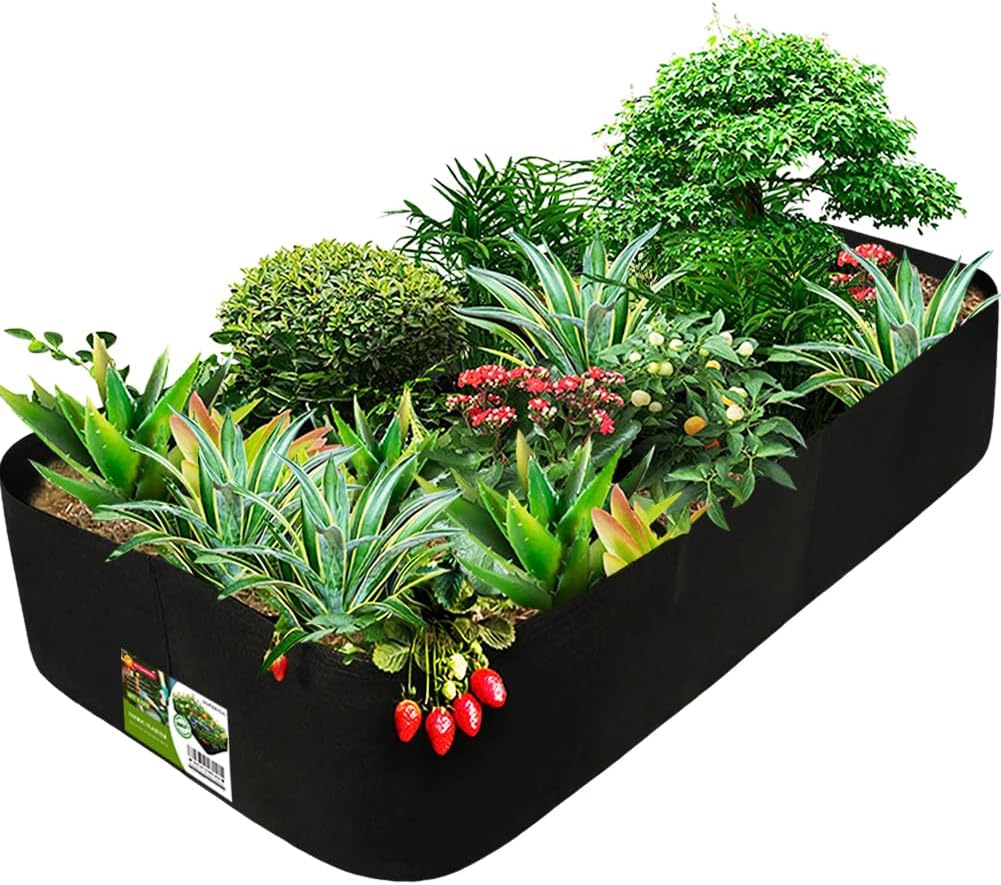
This Roveinsia fabric raised garden bed is a 3x6 ft rectangular planter divided into 3 grids, perfect for growing vegetables, herbs, and flowers in limited spaces. It's a game-changer for beginner gardeners, urban homeowners, or anyone with a patio, balcony, or small yard who wants raised bed gardening without the hassle of wood kits.
Key Features and Garden Performance
The breathable non-woven fabric allows excellent air flow to roots and quick drainage to avoid waterlogging, helping plants thrive in spring warmth or summer heat. Users love filling it with soil for eggplants, peppers, and more, with the grids keeping sections neat for crop rotation. Just unfold, fill, and plant on any flat surface.
Build Quality and Durability
At 11.8 inches high, it's lightweight yet reinforced for reuse, standing up to outdoor use if supported during setup. The UV-resistant material handles sun exposure well, but some note the floppy sides need props like PVC pipes when filling to maintain shape.
Limitations and Verdict
It's not ideal for sloppy, heavy soils that push walls out, and filling solo can be tricky without help. Overall, this is a practical, affordable entry to raised bed gardening. Grab it if you want portable veggie growing that stores flat; reinforce sides for best results and enjoy fresh harvests all season.
Best Soil Mix for Optimal Growth
Use a light, well-draining mix like 50% garden soil, 30% compost, and 20% perlite or vermiculite to maximize the fabric's breathability. Fill each 3-grid section evenly to about 10 inches deep for root space.
What to Plant Where
- Grid 1: Root veggies like potatoes or carrots for deep drainage.
- Grid 2: Leafy greens, herbs like basil or salad leaves.
- Grid 3: Vining plants such as peppers, tomatoes, or flowers.
Plant in spring after last frost, space seeds 6-12 inches apart, and water deeply but infrequently to encourage strong roots.
Enhance Stability and Style
Support floppy sides with 1-inch PVC pipes or wooden stakes inserted through fabric loops during filling. Line the bottom with cardboard to suppress weeds if on grass.
Creative Backyard Setups
- Place two beds side-by-side for a larger plot chasing 6+ hours of sun.
- Elevate on cinder blocks for better ergonomics and pest control.
- Group with pots for a balcony farm: veggies in the bed, flowers around edges.
Pair with mulch on top to retain moisture and add a pop of color with companion planting like marigolds near tomatoes.
Fabric vs. Traditional Raised Beds
- Fabric (like Roveinsia): Breathable, foldable, lightweight; best for portability and root health but less rigid.
- Wood: Sturdy shape, natural look; heavier, needs assembly, rots over time.
- Plastic/Metal: Durable, easy clean; poor aeration, can overheat roots.
Fabric wins for small-space gardeners wanting low-maintenance, reusable options that promote vigorous growth through superior drainage.
Pros
- Super easy to assemble with provided tools, often in under 30 minutes per bed
- Sturdy once filled with soil, holding up well for vegetable gardens
- Rust-resistant galvanized finish looks great and lasts in various climates
- Generous size and depth ideal for larger crops without crowding plants
- Folded edges prevent cuts during handling and assembly
Cons
- Thin metal can flex if soil is added too aggressively, so fill gently
- May need extra bracing for very heavy soil loads in windy areas
- Not as thick as premium beds, better for budget-conscious gardeners
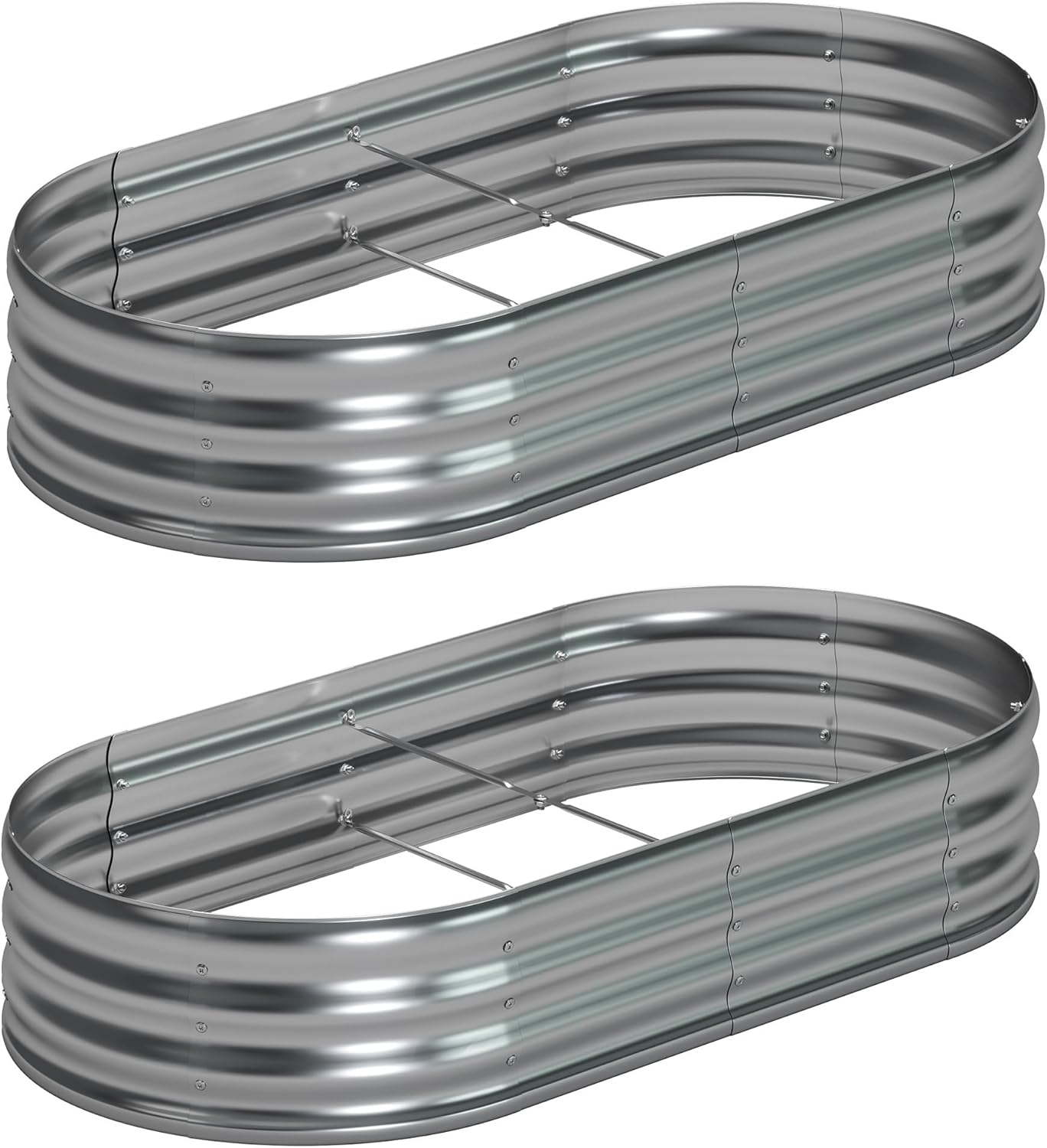
This Foxlang 2-pack of 8x4x1ft galvanized oval raised garden beds is a smart choice for U.S. homeowners starting or expanding vegetable gardens in backyards or patios. Measuring 96 by 48 inches with 12-inch depth, these silver planters suit beginners and experienced gardeners alike who want sturdy, movable beds without breaking the bank.
Key Features and Garden Performance
The open base allows excess water to drain freely, protecting roots from rot while letting you position beds anywhere in your yard. Users love how the thickened sheets and heavy-duty rods create ample space for deep-rooted plants like carrots, peppers, or herbs. In real-world use, they hold soil securely once filled, making them perfect for thriving veggie patches.
Build Quality and Outdoor Durability
Galvanized steel with zinc coating fights rust and corrosion, ideal for humid or rainy regions. Assembly is a breeze with upgraded screws, middle rods, and included gloves plus tools, though a drill speeds things up. Reviewers note they're lightweight for solo setup but firm up nicely with dirt inside.
Limitations and Practical Tips
Some find the metal thin, prone to flexing during filling, so add soil gradually. Not suited for extremely heavy loads without support. For best results, place on level ground.
Final Verdict
These beds deliver great value for everyday gardening, especially if you're growing veggies on a budget. Highly recommend for small to medium yards chasing better yields and easier maintenance.
Fill your Foxlang raised beds with a mix of 60% topsoil, 30% compost, and 10% perlite or vermiculite for excellent drainage and nutrients.
Planting Tips
- Vegetables: Space tomatoes 18-24 inches apart; plant carrots in rows for straight growth.
- Herbs: Basil and cilantro thrive in full sun; group shallow-rooted ones near edges.
- Flowers: Mix marigolds with veggies to deter pests naturally.
Water deeply but infrequently, checking soil moisture 2 inches down. Mulch tops to retain moisture and suppress weeds.
Maximize your Foxlang beds with these simple backyard setups.
Layout Options
- Side-by-side for a 16x4 veggie row, or connect into one large unit for flowers.
- Place along fences for trellises supporting peas or beans.
- Elevate on legs for mobility if you have mobility issues or poor soil.
Enhancements
Add corner braces for extra stability, or line bottoms with landscape fabric to block weeds while keeping drainage open. Pair with drip irrigation for low-water gardens.
Galvanized Steel vs. Others
- Vs. Wood: No rot or splinters; lighter and rust-resistant for wet climates.
- Vs. Plastic: More durable and stylish, holds shape better under soil weight.
- Vs. Cedar: Budget-friendly alternative without chemical treatments needed.
Best for humid areas; cleans easily with soap and water each season.
Buying Guide for Best Fabric Raised Bed Kits
Size and Capacity
Choosing the right size for your Best Fabric Raised Bed Kits depends on your available space and what you plan to grow. Smaller beds around 3 square feet work great for herbs or flowers on patios, while larger ones up to 8×4 feet suit vegetable plots in bigger yards. Consider root depth too, deeper beds like 24 inches tall accommodate carrots or potatoes better.
For example, the Back to the Roots Breathable Raised Bed offers 3 cubic feet, ideal for beginners testing the waters. Larger options like the AAnleolife 8x4x2ft kit hold massive volumes for family-sized harvests. Always measure your spot first and think about access for watering and weeding. A good rule from the University of Minnesota Extension on raised bed sizing is to keep widths under 4 feet for easy reach.
Tip for gardeners: Start small if unsure, then expand. Multi-grid designs, like the Roveinsia 128 Gallon 3 Grids bed, let you organize crops to avoid overcrowding and pests spreading.
Material Quality
Best Fabric Raised Bed Kits come in breathable fabrics or sturdy galvanized metal, each with pros. Fabric versions, such as the LifeisLuck 6x3x1 FT bag, are lightweight and promote air pruning for healthier roots. Metal kits like Vengarus 6x3x1FT packs resist rot and last years longer in wet climates.
Look for UV-resistant, non-woven fabrics or thick galvanized steel (0.8mm+) to withstand sun and rain. Avoid thin materials that tear easily. Check for reinforced stitching or powder coatings, as seen in the DIIYIV 12x4x1FT kit, for longevity.
| Material | Pros | Cons |
|---|---|---|
| Fabric | Breathable, portable | May need liners |
| Galvanized Metal | Durable, pest-proof | Heavier |
Drainage and Breathability
Superior drainage is key to prevent root rot, especially in rainy areas. Fabric walls naturally allow air pruning and moisture escape, as in the Back to the Roots model with internal partitions. Open-bottom metal designs, like Foxlang 8x4x1ft, let roots access ground soil while draining well.
Gardeners swear by these for better oxygenation. Pair with quality soil mixes for best results. The Penn State Extension guide to raised bed drainage recommends elevated positions on grass or gravel for optimal flow.
Pro tip: Add mulch on top to retain needed moisture without sogginess. Kits with built-in grids, like Roveinsia, enhance organization and airflow between plants.
Ease of Setup and Portability
No one wants hours of assembly. Look for no-tool setups like unfolding fabric bags or screw-together metal panels with gloves included, as in LifeisLuck U-Shape Trellis kit. Fabric folds flat for storage, metal stays put but weighs more.
Portable designs shine for balconies. The Mizelu liner bags clip easily onto frames, saving soil spills. Always unfold on flat ground to avoid warping.
Durability and Weather Resistance
Season after season use demands tough builds. Premium fabrics resist UV and tears, metals with anti-rust coatings handle winters. Vengarus packs use extra rods for stability against wind.
Check warranties; some offer years of coverage. Store fabric dry to extend life. Old Farmer’s Almanac on raised bed durability stresses quality materials for low maintenance.
Real-world advice: Position away from tree roots and overhead drips for max lifespan.
Additional Features
Bonus perks like partitions, trellises, or tools set winners apart. LifeisLuck includes netting for climbers, Back to the Roots has dividers against tangling. Liners like Mizelu protect frames.
These make gardening efficient. For veggies, grids prevent cross-contamination. Always match features to your crops.
Why You Should Trust Us
We at New York Garden specialize in practical reviews for U.S. homeowners and gardeners, drawing from extensive product data, user insights, and gardening expertise. Our focus is on real-world performance for lawns, patios, and veggie patches, analyzing specs like breathability and setup ease without hype. Transparency is key; we highlight fits and limitations honestly.
Updated regularly with 2026 data, our guides help you avoid common pitfalls. We prioritize gardener-friendly advice, backed by sources like university extensions, to ensure you get reliable, actionable info for thriving gardens.
Final Thoughts
After diving into these 10 Best Fabric Raised Bed Kits, our best overall pick is the Back to the Roots Breathable Raised Bed. Its lightweight design, internal partitions, and superior oxygen flow make it ideal for herbs, veggies, and flowers in any space, promoting healthier growth without assembly hassles.
For best value, go with the Roveinsia Fabric Raised Garden Bed 128 Gallon 3 Grids. This rectangle offers ample room, breathability, and easy storage at a budget-friendly level, perfect for organized planting of multiple crops on patios or yards.
Best for large-scale gardening is the AAnleolife 8x4x2ft Galvanized Raised Garden Bed Kit. Its deep capacity, sturdy metal build, and critter-resistant height suit serious veggie growers, providing back-friendly height and organic soil freedom per Colorado State Extension recommendations.
FAQs
What are the main benefits of Best Fabric Raised Bed Kits?
Best Fabric Raised Bed Kits improve soil aeration, drainage, and root health compared to ground planting. They warm up faster in spring, extend seasons, and suit poor native soil. Portable fabrics store easily, while metals offer permanence for hassle-free gardening.
How do I choose the right size Best Fabric Raised Bed Kits for my garden in 2026?
Assess space and crop needs: small for herbs (3 sq ft), large for veggies (8×4 ft). Ensure 12-24 inch depths for roots. Test layouts first. Oregon State Extension sizing tips help match to sunlight and access.
Do Best Fabric Raised Bed Kits work well for vegetables?
Absolutely, especially breathable fabrics for tomatoes, peppers, and greens. They prevent rot and boost yields. Fill with amended soil for nutrients; rotate crops yearly for soil health.
Are Best Fabric Raised Bed Kits easy to maintain?
Yes, minimal weeding and no tilling needed. Refresh soil annually, clean fabrics, check metal for rust. Position for good drainage. Gardening Know How maintenance guide covers yearly care.
Can I use Best Fabric Raised Bed Kits on concrete patios?
Definitely, place on level surfaces; fabrics drain well, metals stabilize. Add weed barrier underneath. They maximize urban spaces beautifully.


Write Your Review
No reviews yet. Be the first to share your experience!