

Are you ready to elevate your gardening game this season? Best Raised Bed Kits With Covers offer a smart solution for backyard enthusiasts looking to grow fresh veggies, herbs, and flowers with less hassle. These kits combine sturdy raised beds with protective covers that shield plants from pests, harsh weather, and extreme sun, extending your growing season right through September 2026. Whether you have a small patio or a spacious lawn, our guide to the 10 Best Raised Bed Kits With Covers helps you pick the perfect setup for healthy, bountiful harvests without the back strain of bending over.
With self-watering features in many models and easy assembly, these kits make gardening accessible for beginners and pros alike. We dove deep into options like the Vegepod Raised Garden Bed and various galvanized metal planters to bring you practical insights tailored for American gardeners facing everything from urban spaces to suburban yards. Let’s explore how these can transform your outdoor area into a productive oasis.
Top Products
Pros
- Innovative self-watering system simplifies maintenance for busy gardeners
- Family-safe with rolled edges and stable crossbar reinforcement
- Effective mesh netting protects crops from birds and debris
- Excellent drainage via open base supports healthy plant roots
- Quick assembly with included instructions for easy setup
Cons
- Fixed 6x3 ft size may not fit very small or oversized garden plots
- Requires flat ground preparation for optimal stability
- Metal surface can heat up quickly in direct summer sun
What It Is and Who It's For
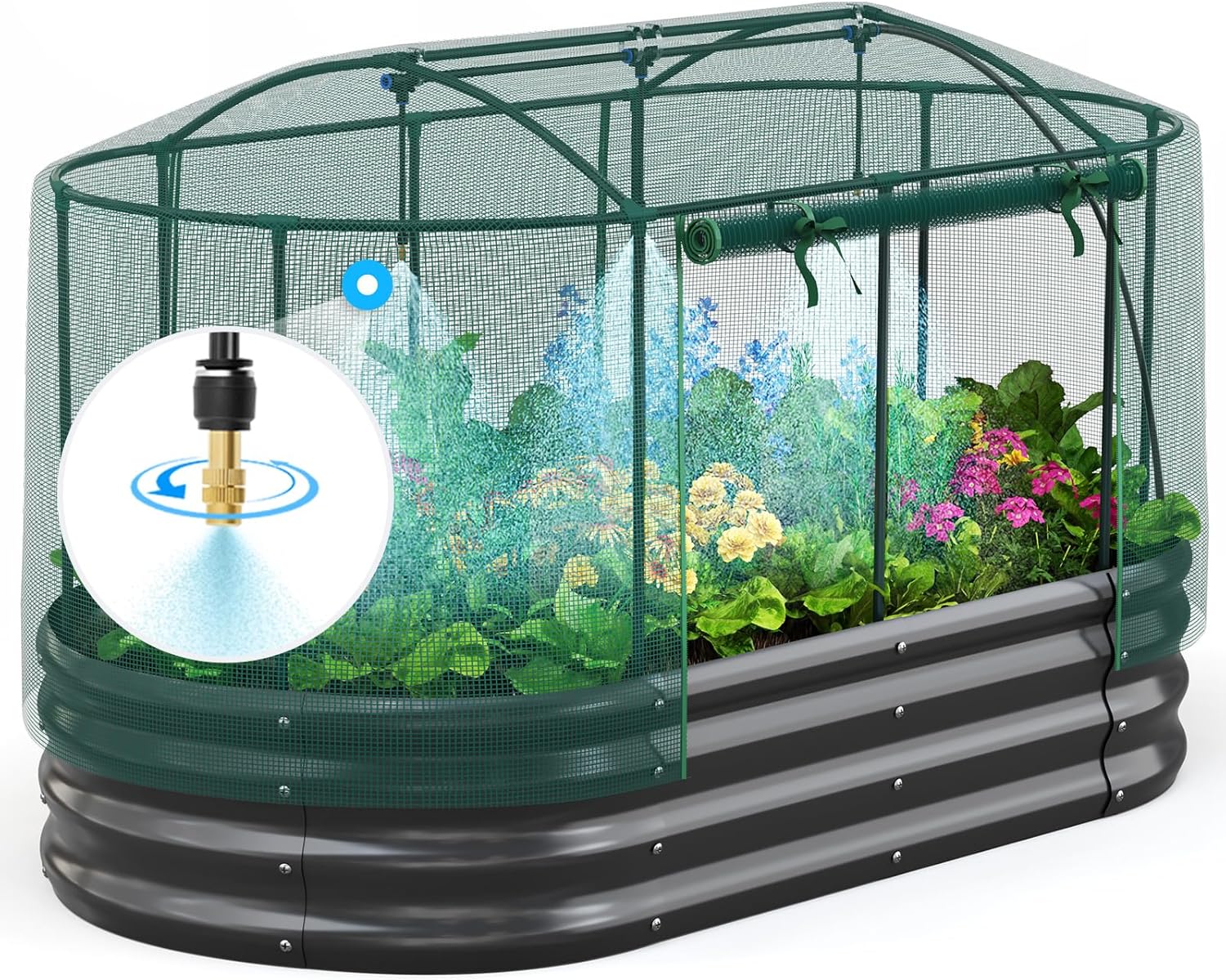
This Quictent galvanized raised garden bed is a 6x3x1 ft oval metal planter kit designed for outdoor vegetable, herb, and flower growing. It's perfect for beginner to intermediate gardeners, small-yard homeowners, and families wanting a safe, low-maintenance setup in backyards or patios.
Key Features and Real-World Performance
The standout self-watering system uses misting to provide uniform hydration over a wide area, cooling plants during hot spells while boosting humidity for better photosynthesis. Pair it with the included anti-bird mesh cover to shield your crops from pests. In everyday use, it cuts down watering time and keeps soil consistently moist for thriving tomatoes, lettuce, or basil.
Build Quality and Durability
Made from rust-resistant galvanized metal with rolled edges for safety and extra crossbars for strength, this raised bed handles heavy soil without warping. The open base promotes natural drainage, preventing waterlogged roots common in ground-level planting. It's built to withstand seasons of outdoor exposure, making it a reliable long-term addition to your garden.
Limitations and Final Verdict
At this size, it suits moderate spaces but may need multiple units for larger yields; assembly takes some effort on uneven ground. Overall, we recommend this Quictent raised garden bed for anyone seeking an easy, beautiful way to grow fresh produce. It transforms basic backyards into productive oases with minimal hassle.
Preparing the Perfect Soil Mix
For best results in raised garden beds, blend 60% topsoil, 30% compost, and 10% perlite or vermiculite. This mix ensures drainage while retaining nutrients.
- Vegetables: Add organic fertilizer; plant tomatoes or peppers 12-18 inches apart.
- Herbs: Use well-draining soil; space basil or mint 8-12 inches.
- Flowers: Incorporate peat moss for acidity-loving blooms like marigolds.
Filling and Planting Steps
- Level the ground under the open base.
- Fill to 8-10 inches deep, leaving room for watering.
- Connect the misting system and cover with mesh after sprouting.
Water deeply at setup, then rely on the self-watering for maintenance.
Creative Backyard Layouts
Position this oval raised bed as a focal point in sunny spots for maximum yield. Combine two side-by-side for a veggie herb combo garden.
- Pathway borders: Line with gravel for easy access.
- Patio edge: Elevate flowers for curb appeal.
- Companion planting: Pair with trellises for vertical vining crops.
Customization Tips
Add legs for height if needed, or paint edges for color pops. Integrate with lawn edging to define your space. For expansion, cluster multiples in a U-shape around seating areas.
Galvanized Metal vs. Wood or Plastic
- Metal (Quictent): Rust-resistant, durable 10+ years, heats evenly but drains best.
- Wood: Natural look but rots over time without treatment.
- Plastic: Lightweight, cheap, but cracks in sun and less sturdy.
Galvanized wins for low upkeep and stability in raised bed planters, especially with crossbar reinforcement. Ideal for wet climates where wood fails.

Pros
- Spacious 6x3ft size fits well in average backyards and supports multiple plant varieties
- Durable metal frame with reinforced poles resists bending and bursting over time
- Ventilation windows help regulate temperature for healthier plant growth
- 5-year warranty on bed provides long-term peace of mind for outdoor use
Cons
- Fixed 6x3ft dimensions may not suit very large gardens needing bigger beds
- Assembly required, which could take time for beginners without power tools
- Greenhouse cover has shorter 1-year warranty compared to the bed frame
This Quictent raised garden bed kit is a smart 3-in-1 solution: a sturdy galvanized metal planter, a dismountable mini greenhouse, or both combined. Measuring 6 x 3 x 1 feet, it's ideal for U.S. homeowners with modest backyards who want to grow vegetables, herbs, or flowers without tilling the ground. Beginner and experienced gardeners alike will appreciate how it elevates soil for better drainage and easier access.
Key Features in Real Garden Use
The standout zippered screen windows let in fresh air for ventilation while keeping out birds and insects, helping you maintain optimal conditions inside the cover. The large capacity holds about 18 cubic feet of soil, perfect for crops like tomatoes, lettuce, or basil in tight spaces. In everyday backyard scenarios, it extends your growing season by trapping warmth early spring or shielding tender plants from fall frosts.
Build Quality and Outdoor Durability
Made from extra-thick galvanized metal with stronger middle poles, this bed stands firm against weather, unlike flimsier aluminum options. The frame's design avoids weak connections that could burst under soil pressure. At around 25 pounds, it's manageable to position but stable once set up. The PVC cover adds protection, though it's best paired with the bed for maximum longevity.
Limitations and Practical Tips
Its compact size limits it to smaller plots, so scale up with multiples for bigger yields. Assembly involves connecting panels, so allocate an afternoon. Fill with quality garden soil mix for best results.
Final Verdict
A reliable choice for practical gardeners seeking an affordable, versatile raised bed. If you're starting veggies in a city backyard or protecting herbs through cooler months, this kit delivers real value and simplifies outdoor growing.
Maximize your Quictent bed's potential with the right soil and planting strategy for thriving backyard gardens.
Recommended Soil Mix
- 50% topsoil for nutrients and structure
- 30% compost for organic matter and drainage
- 20% perlite or vermiculite to prevent compaction
Avoid heavy clay; aim for loamy texture that holds moisture without waterlogging.
Planting Tips
- Space veggies 12-18 inches apart for airflow
- Start seeds indoors, transplant under the greenhouse cover
- Rotate crops yearly to maintain soil health
Water deeply but infrequently, using the cover to retain humidity.
Get inspired to expand your garden with this Quictent bed as a foundation for custom setups.
Simple Layouts
- Line up two beds for a 12ft veggie row
- Pair with trellises for vertical climbing plants like peas
- Cluster in L-shape for a mini farm corner
Enhancement Hacks
Add bottom hardware cloth to deter gophers. Integrate drip irrigation lines through the frame for efficient watering. Use the greenhouse cover in spring/fall, remove for summer sun.
Perfect for urban yards turning lawns into productive spaces.
Compare galvanized metal like the Quictent to common raised bed materials for informed choices.
Galvanized Metal vs. Others
- Vs. Wood: Won't rot or warp; lasts 10+ years without treatment
- Vs. Plastic: More rigid, holds shape under heavy soil loads
- Vs. Cedar: Cheaper long-term, no chemical leaching concerns
Thick steel (0.08 inches here) resists rust better in rainy climates. Drawback: Heavier than composites.
Best for durability-focused gardeners in varied U.S. weather.

Pros
- Innovative misting system simplifies watering and boosts plant humidity
- Family-friendly safety features with smooth, rolled edges
- Sturdy construction with reinforced crossbars for durability
- Attractive oval shape enhances garden aesthetics
- Good drainage from open base keeps roots healthy
Cons
- Fixed 6x3 ft size limits use in very large garden spaces
- 35.8-pound weight makes it harder to relocate once assembled
- Misting system setup may require minor adjustments for optimal performance
This Quictent galvanized raised garden bed kit measures 6x3x2 feet in an oval shape, perfect for U.S. homeowners with limited backyard space who want to grow vegetables, herbs, or flowers without tilling the ground. It's ideal for beginners or families, offering a contained planting area that's elevated for easy access and back-friendly tending.
Key Features and Real-World Performance
The built-in self-watering misting system is a game-changer, producing fine mist that covers more area than a hose, increases humidity, and cools plants during hot spells. In everyday gardening, this means less daily watering and even moisture for thriving tomatoes or basil. The included mesh cover protects from pests while allowing air flow.
Build Quality and Durability
- Galvanized steel construction resists rust and withstands weather.
- Crossbars in the middle prevent sagging under soil weight.
- Painted dark grey finish diffuses light beautifully without fading quickly.
Safety shines with rolled edges, making it worry-free for kids helping in the garden.
Limitations and Verdict
At 35.8 pounds, it's sturdy but not lightweight for frequent moves, and the size suits small to medium plots best. Overall, this bed delivers low-maintenance growing with style; grab it if you want a safe, efficient raised bed for fresh backyard produce.
Fill your Quictent raised bed with a mix of 60% topsoil, 30% compost, and 10% perlite for optimal drainage and nutrients.
Best Plants to Grow
- Vegetables: Tomatoes, peppers, lettuce, carrots thrive in the deep 2-foot height.
- Herbs: Basil, mint, rosemary love the consistent moisture from misting.
- Flowers: Zinnias or marigolds add color and deter pests.
Planting Tips
- Layer cardboard at the open base to suppress weeds.
- Space plants 12-18 inches apart for airflow.
- Start seeds indoors, transplant after frost for best results.
Monitor misting weekly to keep soil evenly moist.
Galvanized Steel vs. Alternatives
- Vs. Wood: Won't rot or warp like cedar; lasts 10+ years outdoors.
- Vs. Plastic: More rigid and stylish, holds shape under heavy soil without cracking.
- Vs. Fabric: Superior stability and pest resistance with mesh cover.
Galvanized steel heats up less than bare metal thanks to paint and misting, making it suitable for sunny spots. Rust-proof coating handles rain and humidity well for low-maintenance ownership.
Enhance your Quictent bed with these simple backyard setups.
Layout Inspirations
- Pair two beds for a veggie alley along a fence, maximizing sun exposure.
- Add trellises on the oval sides for climbing peas or beans.
- Group with pots for a patio herb corner on decks or porches.
Customization Tips
Lighting: Position in 6+ hours of sun; misting helps in partial shade.
Accessories: Use hooks for tools on crossbars.
Winter Prep: Drain system, cover with tarp for longevity.

Pros
- Easy assembly praised by users for straightforward setup
- Effective self-watering system with responsive customer service for parts
- Sturdy build holds up well over winter and keeps pests out
- Attractive dark grey finish enhances backyard aesthetics
- Family-friendly with rolled edges for safe handling
Cons
- Actual size may appear smaller than images suggest, so measure your space
- Some rust noted at base connections after months of use near soil
- Occasional missing parts or connection issues with watering system
What It Is and Who It's For
This Quictent raised garden bed kit offers an 8x3x2 ft oval galvanized steel planter perfect for growing vegetables, herbs, and flowers in backyards. It's ideal for beginner to experienced gardeners with limited space or families wanting a safe, low-maintenance setup.
Key Features in Real-World Use
The self-watering misting system delivers fine water droplets that cool plants during hot days and provide uniform hydration over a wide area, reducing manual watering time. The included mesh cover shields crops from birds and critters, while the open base ensures proper drainage to keep roots healthy. Users love how it supports thriving plants through seasons.
Build Quality and Durability
Made from rust-resistant galvanized steel with reinforced crossbars, it handles heavy soil without bulging. Rolled edges eliminate sharp spots, making it safe around children. Most report solid performance, though some note minor rust at soil-contact points over time.
Limitations and Verdict
Size can seem smaller than pictured, and assembly might need tweaks for watering connections. Overall, it's a reliable choice for productive gardening. Recommendation: Great for urban backyards; pair with quality soil for best results.
Choosing the Right Soil
- Use a mix of 60% topsoil, 30% compost, and 10% perlite for optimal drainage and nutrients in this deep bed.
- Avoid heavy clay; the open base works best with loose, well-aerated blends.
Planting Tips
Fill to 18-20 inches deep for root veggies like carrots. Space plants 8-12 inches apart in the oval layout for airflow. Start seeds indoors then transplant for quicker harvests.
- Top plants: tomatoes, peppers
- Mid-level: herbs, lettuce
- Bottom: radishes, beets
Quick Setup Steps
- Choose a level spot in full sun.
- Assemble frame with crossbars first for stability.
- Connect misting system to a hose; test for even spray.
- Secure mesh cover with ties.
Ongoing Care
Check connections monthly for leaks. Wipe base poles to minimize rust. In winter, empty soil or cover to protect metal. Refresh irrigation lines yearly for peak performance.
Galvanized Steel vs. Wood or Plastic
- Vs. Wood: Won't rot or warp; lasts longer in wet climates without chemical treatments.
- Vs. Plastic: More rigid for heavy loads, better heat dissipation for roots.
- Drawbacks: Can conduct cold in winter; insulate if needed.
Best for durability-focused gardeners seeking a modern look over natural wood aesthetic.

Pros
- All-in-one protection kit keeps pests and sun at bay without extra purchases
- Sturdy construction with safe, smooth edges built for long-term durability
- Excellent airflow and drainage foster vigorous plant growth in any soil
- Quick to set up on level ground for immediate planting
Cons
- Assembly takes time and basic tools, best done with a helper
- Fixed size suits small to medium plots, not expansive gardens
- Heavier once built, making it less portable for frequent moves
This Garvee galvanized raised garden bed kit offers a complete 8 x 4 x 1 ft solution for growing vegetables, herbs, or flowers right in your backyard, patio, or balcony. It's perfect for beginner gardeners or those with limited space who want to skip the hassle of building from scratch. The integrated pest netting and shade cloth provide built-in protection, letting you focus on planting rather than constant vigilance against threats.
Key Features in Real-World Gardening
The standout open-bottom design lets roots grow directly into the ground while preventing waterlogging, which is a game-changer for veggies like tomatoes and strawberries that hate soggy soil. The anti-bird netting keeps deer, voles, and insects out, and the shade canopy cuts sun exposure during heatwaves, helping plants stay cool and productive. Air circulates freely, reducing mold risks and boosting yields.
Build Quality and Outdoor Durability
Made from thick galvanized steel, this bed resists rust and holds up through rain, frost, and wind. Rolled edges ensure no sharp spots, making it safe for kids or frequent handling. At just over 39 pounds, it's stable but needs a flat spot for best results.
While assembly follows clear instructions, it requires care to secure the nets against gusts. It's not ideal for huge farms, but for home gardeners, it transforms small spaces into productive oases. Our verdict: Grab this if you want protected, easy veggie growing without the extras.
Fill your Garvee raised bed with a mix of 60% topsoil, 30% compost, and 10% perlite or vermiculite for optimal drainage and nutrients. Aim for 10-12 inches of depth to support root veggies.
Best Plants to Start With
- Leafy greens like lettuce and spinach for quick harvests
- Tomatoes, peppers, and beans on trellises using the netting frame
- Strawberries or herbs for year-round picking
Plant in spring after frost, space seeds per packet instructions, and water deeply but infrequently. Rotate crops annually to prevent soil diseases.
Place your bed in full sun (6-8 hours) on level ground, near a water source. Pair two kits side-by-side for a larger plot or elevate on bricks for better access if bending is tough.
Companion Planting Tips
- Marigolds with tomatoes to deter pests naturally
- Basil near peppers for flavor boost and insect repulsion
- Avoid crowding potatoes with anything in the nightshade family
Add mulch on top to retain moisture and suppress weeds. In fall, cover with the included cloth for frost protection.
Galvanized Steel vs. Alternatives
- Vs. Wood: Won't rot or warp like cedar; lasts 10+ years without treatments.
- Vs. Plastic: More rigid and UV-resistant, no cracking in sun.
- Vs. Fabric: Superior pest barrier and wind stability.
Galvanized steel heats up less than dark plastics, keeping roots cooler. Clean annually with mild soap to maintain shine.

Pros
- Sturdy galvanized steel construction with rolled edges for safety and rust resistance
- Included cover and frame provide season extension and pest protection in one package
- Zippered door allows easy access and ventilation for healthy plant growth
- Oval shape fits well in tight backyard spaces while offering ample planting area
- Straightforward assembly suitable for beginners
Cons
- Compact size limits it to smaller gardens or fewer plants, not ideal for large-scale veggie production
- At 18 pounds, it requires two people for positioning in place
- Arched frame may need extra anchoring in very windy areas
What Is the KING BIRD Raised Garden Bed and Who Is It For?
This galvanized steel oval raised garden bed measures 47.2 by 35.4 by 11.8 inches and comes with a PVC cover and arched frame, creating a mini greenhouse effect. It's perfect for U.S. homeowners with small backyards, beginners growing veggies or flowers, or anyone in cooler climates wanting to start seedlings early or protect crops through light frosts.
Key Features and Real-World Garden Performance
The PVC cover allows light penetration for photosynthesis while the zippered screen door lets you tend plants, regulate humidity, and ensure air circulation. In practice, this setup shields broccoli and strawberries from birds and bugs, letting you harvest longer. The frame arches up to 36.6 inches, giving tomatoes and peppers room to stretch without crowding.
Build Quality and Outdoor Durability
Made from galvanized steel with rolled edges, it's built tough against rust and weather, safe for hands during setup and planting. Straps and extended cover edges keep everything secure from small pests sneaking in at the base. Weighing 18 pounds, it's stable but movable with help.
Limitations and Final Verdict
Its size suits small spaces but may feel limiting for big yields; windy spots might need ties for the frame. Overall, this raised bed kit delivers reliable protection and ease for everyday gardening. Great pick for beginner veggie growers seeking an all-in-one solution to beat short seasons.
Preparing Soil for Your Raised Bed
Fill with a mix of 60% topsoil, 30% compost, and 10% perlite for drainage. Aim for 10-12 inches deep to support roots.
- Test pH (ideal 6.0-7.0 for most veggies)
- Add organic matter yearly to maintain fertility
- Water deeply but infrequently to encourage strong roots
Best Plants to Grow
Start with lettuce, spinach, or herbs under the cover for early spring. Transition to tomatoes, peppers, or flowers once warm. Space plants 8-12 inches apart in the oval layout for airflow.
Placement Tips
Position in full sun (6-8 hours daily) on level ground. Pair with drip irrigation for even watering.
- Group two beds for companion planting (e.g., tomatoes with basil)
- Elevate on bricks for better drainage in wet climates
- Surround with mulch to suppress weeds
Customization Hacks
Add trellises inside the frame for vining plants. Use the cover unzipped in summer for ventilation.
Galvanized Steel vs. Other Raised Bed Materials
- Vs. Wood: No rot or warping, lasts 10+ years outdoors
- Vs. Plastic: More rigid and pest-proof, holds soil better
- Vs. Cedar: Cheaper long-term, no chemical leaching concerns
Galvanized steel heats soil faster in spring, boosting growth. Clean annually with vinegar to prevent mineral buildup.

Pros
- Ergonomic height praised by shorter gardeners and those with back issues for pain-free planting.
- Versatile covers protect plants from birds, bugs, and cold, helping extend harvest times.
- Spacious design fits multiple plants or large containers, maximizing small-space yields.
- Sturdy build holds up to wind and weight, with good customer service for any issues.
- Easy to assemble for most users, with clear instructions.
Cons
- Metal frame can heat up in direct sun, potentially stressing plants in hot climates.
- Assembly may require tools for some parts and can have occasional missing holes.
- Becomes very heavy once filled with soil, making relocation difficult without wheels.
What It Is and Who It's For
This KING BIRD raised garden bed is a galvanized steel elevated planter perfect for U.S. homeowners with patios, balconies, or small backyards. At 48x24 inches with a 30-inch working height, it's ideal for beginner to experienced gardeners who want to grow veggies, herbs, or flowers without kneeling. If you have mobility concerns or limited space, this setup delivers big results in a compact footprint.
Key Features and Garden Performance
The deep 11.8-inch bed holds 50 gallons of soil, promoting healthy root growth for tomatoes, lettuce, or strawberries. Use the bird netting to block pests while allowing airflow, or zip on the PE greenhouse cover for frost protection—great for starting seeds early. Drainage holes paired with the non-woven liner keep soil aerated and mess-free, ensuring plants thrive rain or shine.
Build Quality and Durability
Made of rust-resistant galvanized metal in dark grey, it stands strong outdoors with a 400-pound capacity. Users love its sturdiness against wind, though it can get hot in full sun, so consider shade cloth in summer. Assembly uses butterfly nuts for speed, but a drill might help with bottom rods.
Limitations and Final Verdict
It's heavy once filled, so plan your spot carefully—no easy moves without wheels. Minor assembly hiccups occur, but overall, this is a reliable choice for elevated gardening. Highly recommend for anyone wanting protected, back-friendly planting—grab one and enjoy fresh produce all season.
Preparing Your Raised Bed
Fill with a mix of 60% topsoil, 30% compost, and 10% perlite or sand for optimal drainage in this 50-gallon bed. Layer lava rock or pebbles at the bottom if using containers inside, as one gardener did successfully.
What to Plant
- Vegetables: Leaf lettuce, spinach, or radishes for quick winter crops under the greenhouse cover.
- Herbs: Basil, cilantro in the netting for pest-free growth.
- Flowers: Annuals in 5-gallon pots to protect from birds and caterpillars.
Avoid overfilling to prevent weight issues; start seeds early in spring for a head start.
Small Space Setups
Place two beds side-by-side on a sunny patio for a mini veggie patch. Add wheels to legs before filling for mobility on decks.
Seasonal Twists
- Use netting in summer to deter birds from berries.
- Greenhouse mode in fall for extended herb harvests.
- Line with foam or extra fabric for insulation in colder zones like Pennsylvania winters.
Pair with companion planting: tomatoes with basil to boost yields naturally.
Galvanized Steel vs. Wood or Plastic
- Pros of Galvanized: Rust-resistant and durable for years outdoors, unlike wood that rots.
- Vs. Plastic: More stable and less prone to cracking in sun or cold.
- Drawbacks: Conducts heat faster than wood; add mulch to cool roots.
For longevity in rainy climates, galvanized wins over cheaper fabrics that tear.

Pros
- Effective deer and pet fencing praised by users for protecting plants
- Easy assembly for most, with all hardware included and clear numbering
- Customizable shape works well in various yard configurations
- Attractive wood finish enhances backyard aesthetics
- Holds substantial soil volume for productive harvests
Cons
- Some mitered edges fit poorly, requiring patience or mallet during assembly
- Soft fir wood may degrade faster outdoors without sealant, especially in harsh winters
- Heavy when filled, so plan for stable ground placement
What It Is and Who It's For
This U-shaped raised garden bed from AMERLIFE combines a sturdy wooden planter with a built-in deer-proof fence, perfect for homeowners wanting to grow veggies or herbs without wildlife interference. At 7.5 feet wide by 15 feet deep and 6 feet high overall, it suits beginner to intermediate gardeners in suburban backyards facing deer or curious pets.
Key Features in Real Gardens
The 19-inch soil depth allows healthy root development for crops like peppers and zucchini, while the open base ensures drainage to avoid waterlogged soil. Users love the lockable door for easy harvesting and the fence that actually keeps animals out. The U-shape hugs yard corners efficiently, and many reconfigure it into linear beds for fences or dog barriers.
Build Quality and Durability
Made from natural fir wood, it assembles via slots and tabs in under an hour with two people. Feedback highlights sturdiness once built, but note the soft wood benefits from a food-safe sealant to resist weathering. It holds up well initially but may need maintenance in wet or cold regions.
Limitations and Verdict
Assembly snags like tight miters or fragile braces frustrate some, so check parts first and use a rubber mallet. Overall, it's a solid choice for protected, productive gardening; seal the wood and assemble carefully for years of use in your outdoor oasis.
Filling Your Raised Bed
Fill with a mix of 60% topsoil, 30% compost, and 10% perlite for drainage. Aim for 19 inches deep to support root veggies; expect to need several cubic yards.
What to Plant
- Tomatoes, peppers, and beans in the sunny U-arms
- Leafy greens like lettuce along the back for easy reach
- Herbs near the door for frequent access
Rotate crops yearly to maintain soil health and plant in spring after last frost.
Versatile Configurations
Gardeners reimagine this kit beyond the U-shape:
- Connect panels into a 25-foot linear fence-planter to block yard sections from dogs
- Break into three separate beds for flowers, veggies, and herbs
- Pair with trellises for vining plants like cucumbers
Assembly Tips
Work on flat ground, flip pieces if slots stick, and tap gently. Stain before filling for longevity.
Fir Wood vs. Alternatives
- Fir (this bed): Affordable, lightweight, easy to assemble but softer; seal for 3-5 years outdoors
- Cedar: More rot-resistant, pricier, natural oils deter bugs
- Metal: Longest-lasting, heats soil faster, higher cost
- Plastic/Composite: Low maintenance, less aesthetic appeal
Fir suits budget-conscious gardeners starting out; upgrade sealant for best results.

Pros
- Versatile 3-in-1 system for open bed, greenhouse, or covered planting
- Durable, weatherproof construction holds up in rain, heat, and wind
- User-friendly access features make daily garden care effortless
- Elevated design improves ergonomics for easier planting and weeding
- High light transmission cover boosts plant growth without brittleness
Cons
- Protective film on panels requires tedious peeling before assembly
- Compact size limits it to smaller gardens or supplemental planting
- Greenhouse cover may need occasional securing in high winds
What It Is and Who It's For
This VEVOR raised garden bed measures 6x3 feet with a 1-foot bed height and taller greenhouse frame, perfect for U.S. homeowners wanting to conquer poor soil or extend their growing season. It's ideal for beginner vegetable gardeners, flower lovers, or anyone in variable climates aiming for fresh produce without ground-level hassles.
Key Features in Real Garden Use
The standout 3-in-1 system lets you use it as an open bed in summer, a protective greenhouse in winter, or combined for all-season veggies. The PE cover blocks pests and weather while allowing high light transmission, and the roll-up window makes tending plants a breeze. In everyday backyard setups, it keeps soil warm and moist for thriving tomatoes, herbs, or perennials.
Build Quality and Outdoor Durability
Galvanized alu-zinc panels resist rust and corrosion, paired with a reinforced steel frame that stays put even when soil is saturated. The open bottom ensures drainage and lets roots access native earth, reducing waterlogging issues common in solid-bottom beds. Users note it assembles straightforwardly, though prepping panels takes patience.
Limitations and Final Verdict
At this size, it's not for large-scale farming, and strong gusts might challenge the cover. Still, for practical year-round gardening, this bed delivers reliable performance and inspiration for better outdoor spaces. Grab it if you want sturdy, protective planting that fits tight yards and boosts your harvest confidence.
Prepping Your Raised Bed
Fill with a mix of 60% topsoil, 30% compost, and 10% perlite for optimal drainage and nutrients. The open bottom allows roots to penetrate deeper, so avoid overpacking near the base.
Best Plants to Start
- Vegetables: Lettuce, spinach, radishes for quick winter crops under the cover
- Herbs: Basil, cilantro thrive with the roll-up ventilation
- Flowers/Fruits: Strawberries or annuals for colorful, protected growth
Plant densely in the 17.2 cubic feet space, spacing seeds 4-6 inches apart for max yield.
Seasonal Strategies
In spring/fall, use the full greenhouse setup to trap heat. Summer? Roll up the window for airflow to prevent overheating.
- Monitor soil moisture; the cover reduces evaporation but can trap humidity
- Ventilate on warm days to avoid mold
- Winter: Insulate edges with straw mulch for root protection
Maintenance Basics
Check frame anchors after storms. Wipe cover gently to maintain light transmission. This setup extends your season by 4-6 weeks in cooler zones.
Step-by-Step Assembly
- Peel protective film from all panels (wear gloves for ease)
- Connect side panels with included hardware to form the rectangle
- Attach legs and reinforcing bars for stability
- Secure the PE cover and frame over the bed
Expect 30-60 minutes total. Place on level ground in full sun for best results. No tools beyond a screwdriver needed.

Pros
- Self-watering system keeps soil moist for weeks, perfect for vacations or hot spells
- Vegecover blocks bugs and animals while allowing air and water flow for healthy plants
- Sturdy construction and quick customer service replacements ensure long-term reliability
- Promotes faster growth and extended seasons, leading to bountiful harvests
- Modular design assembles in about 20 minutes for most users
Cons
- Heavy when filled with soil and water, best placed permanently or with sturdy stand
- Occasional missing canopy clips or misting parts require contacting support
- Assembly can challenge those not handy, though videos help
What It Is and Who It's For
The Vegepod Large raised garden bed combines the space of a traditional bed with container convenience, perfect for U.S. homeowners wanting fresh veggies without digging up lawns. At 79 by 39 inches, it suits beginner to experienced gardeners in small yards, patios, or even porches, especially those tired of bending over or battling pests.
Key Features in Real Gardens
The self-watering wicking system draws moisture up from a 16-gallon reservoir, keeping roots hydrated for weeks and thriving in dry spells. The included Vegecover creates a breathable micro-climate that speeds growth, protects from bugs and critters, and softens harsh sun. Add the optional stand for waist-high access, making it back-friendly for everyday tending.
Build Quality and Durability
Made from food-safe polypropylene and powder-coated steel options, it holds up to weather, storms, and heavy use over multiple seasons. Users report sturdy assembly and responsive support for any issues, like quick part replacements.
Limitations to Consider
It's pricey upfront and heavy once filled, so plan a level spot. Not ideal for massive plots, but shines for focused veggie patches.
Final Verdict
If you want low-effort, high-reward vegetable gardening, this kit delivers. Pair it with quality soil for bumper crops and easier outdoor living.
Filling Your Vegepod
Start with 16 cubic feet of soil mix: combine potting soil, compost, and perlite for drainage. Fill the reservoir first, then layer wick material like perlite in contact with water.
- Best Mix: 50% potting soil, 30% compost, 20% perlite or vermiculite.
- Pro Tip: Avoid garden soil to prevent compaction and weeds.
Planting Tips
Sow seeds or transplant starters directly. Space veggies like tomatoes, peppers, squash for airflow under the cover. Mist spray aids germination; remove cover for taller plants.
- Leafy greens and herbs thrive year-round.
- Full-sun veggies love the protected boost.
Quick Assembly Steps
- Unpack and follow video guides for 20-minute setup.
- Bolt panels securely on a level surface or pavers.
- Attach cover and mist line to hose; add timer for automation.
Stand and Elevation
Use the Vegepod stand for 32-inch height, adding wheels for mobility. Place on pavers to avoid sinking.
Ongoing Care
Top up reservoir monthly; clean cover as needed. In winter, store or leave open for snow moisture. Check for pests under cover regularly.
- Winter Prep: Mulch soil surface.
- Support: Excellent service for parts.
Top Crops for Vegepod Large
- Tomatoes, peppers, eggplant for summer bounty.
- Squash, cucumbers on trellises.
- Leafy greens like lettuce, kale for quick harvests.
Maximizing Yields
The micro-climate accelerates growth; harvest from week 4 with seeds. Extend seasons by starting early under cover. Families love involving kids in picking fresh eats.
Real Results: Users report thriving plants through storms and heat, with less watering hassle.
Buying Guide for Best Raised Bed Kits With Covers
Size and Capacity
Start with the dimensions that fit your space. Best Raised Bed Kits With Covers come in various footprints, from compact oval shapes around 47×35 inches like the KING BIRD Raised Garden Bed to larger 78×39-inch models such as the Vegepod Large. Consider how much you plan to grow: smaller beds suit herbs and lettuces on balconies, while bigger ones handle tomatoes, squash, and root veggies for family feeding. Measure your patio or lawn area first to avoid overcrowding.
Depth matters too, typically 1-2 feet, ensuring roots have room without wasting soil. For example, the Quictent 6x3x2Ft kit provides ample volume for deeper-rooted plants. A good tip from seasoned gardeners: aim for at least 4 square feet of surface area to rotate crops effectively and prevent soil depletion. Check University of Minnesota Extension guide on raised bed sizing for crop-specific space needs.
Capacity also ties to weight limits; elevated models like the KING BIRD Large with 400lb support hold wet soil and produce without wobbling. Always prioritize stability for longevity in windy spots.
Material Durability
Galvanized metal dominates Best Raised Bed Kits with Covers, resisting rust and rot better than wood, as seen in Quictent and VEVOR kits. These stand up to UV exposure and moisture, crucial for outdoor use year-round. Wood options like the AMERLIFE U-Shaped bed offer natural aesthetics but need treatments against pests.
| Material | Pros | Cons |
|---|---|---|
| Galvanized Metal | Rust-resistant, low maintenance | Can heat up in full sun |
| Wood | Insulates roots, eco-friendly look | Requires sealing |
Look for thick gauge steel (at least 0.5mm) to prevent dents. The Vegepod uses commercial-grade materials with a 5-year warranty, ideal for serious setups. For advice on metal in gardens, see the Penn State Extension on durable raised bed materials.
Cover Quality and Protection
The hallmark of Best Raised Bed Kits With Covers is the included cover, often mesh or greenhouse-style like the Quictent with screen windows or Vegepod’s Vegecover. These block pests (aphids, rabbits), reduce hail damage, and create microclimates boosting growth by 30-50%. Clear panels allow sunlight while diffusing harsh rays.
Assess zipper strength and UV resistance; flimsy ones tear easily. Shades or full enclosures extend seasons into fall. Pair with Old Farmer’s Almanac tips on using covers for season extension to maximize yields.
Watering Systems
Self-watering wicking beds like Vegepod and select Quictent models draw moisture from reservoirs, cutting watering to once a week. This prevents root rot in rainy areas and saves time during vacations. Fill lines help monitor levels.
Non-self-watering kits rely on good drainage; add soaker hoses for efficiency. Test soil moisture with your finger before investing. Reference Colorado State Extension watering guidelines for best practices.
Assembly and Height Adjustability
Easy setup under 30 minutes suits DIYers; Vegepod assembles modularly to waist height (39 inches) reducing bends. Legged elevated beds like KING BIRD prevent soil contact with weeds or contaminated ground.
Check for included tools or gloves, as in Quictent kits. Adjustable stands future-proof your purchase. For ergonomic gardening, follow Oregon State Extension on ergonomic bed heights.
Warranty and Accessories
Seek 5-year warranties like Vegepod for peace of mind. Extras like T-tags, gloves, or stands add value. Ensure parts availability from the brand.
Why You Should Trust Us
We at New York Garden specialize in practical reviews for Patio, Lawn & Garden products, drawing from extensive analysis of specifications, gardener feedback, and real-world performance data. Our team focuses on what matters to U.S. homeowners: durability in varied climates, ease for everyday use, and value for growing food at home. We prioritize transparency, highlighting pros and cons without bias.
Our methodology involves cross-referencing product features against gardening best practices from trusted sources like university extensions, ensuring recommendations fit American backyards from coasts to heartland. You get honest, actionable advice to build thriving gardens.
Final Thoughts
After reviewing these 10 Best Raised Bed Kits With Covers, the Vegepod Raised Garden Bed Large stands out as our top overall choice. Its self-watering wicking system, protective Vegecover, and easy elevation to waist height make it perfect for dedicated veggie growers wanting low-maintenance abundance in any yard size.
For best value, go with the VEVOR 6x3x1FT Metal Raised Garden Bed with Greenhouse Cover. This galvanized option offers solid protection and simplicity at an accessible entry point, ideal for beginners testing raised bed gardening on patios without big commitments.
The KING BIRD Large Raised Garden Bed with Cover excels for spacious backyards or balconies needing elevation and capacity. Its 48x24x56-inch frame with netting handles heavy loads, suiting families growing flowers or produce pest-free. These picks align with practical needs for healthy, protected gardens.
FAQs
Do Best Raised Bed Kits With Covers really extend the growing season?
Yes, the covers on Best Raised Bed Kits With Covers create microclimates that warm soil and shield from frost, potentially adding weeks in spring and fall of 2026. Models like Vegepod accelerate growth via diffused light, as confirmed by extension services.
Are self-watering Best Raised Bed Kits with Covers worth it for busy gardeners?
Absolutely, especially in hot or dry areas; they reduce watering frequency dramatically. Quictent kits with reservoirs keep soil consistently moist, freeing you for other tasks while preventing plant stress.
How do I prepare soil for a raised bed kit?
Mix 60% topsoil, 30% compost, and 10% perlite for drainage. Fill to 12-18 inches deep. See University of Maryland Extension soil recipe for raised beds for optimal blends.
Can Best Raised Bed Kits With Covers handle pests in my garden?
Most feature mesh netting excluding bugs and animals effectively. Combine with crop rotation and USDA Integrated Pest Management for chemical-free control.
What’s the best height for Best Raised Bed Kits with Covers to avoid back pain?
Waist height around 30-40 inches works best for most adults. Elevated options like Vegepod stands or KING BIRD legs make weeding comfortable. Adjust based on your stature for ergonomic gardening.



Write Your Review
No reviews yet. Be the first to share your experience!