

You may have been thinking about building an in-ground pool for a very long time. For everyone, young and old, in-ground pools provide many hours of enjoyment and relaxation.
A pool is a smart investment for your property. In-ground pools boost market value since they are stationary fixtures, unlike above-ground pools.
During the project, your garden will be the spot of major building activity. It could be necessary to take down fences to allow a dump truck and a digger complete access.
This tutorial describes the fundamental steps for building an in-ground pool, but the actual pool installation process will vary depending on your contractor or installation firm, your location, your space, and many other considerations.
The first step is understanding what to anticipate during your pool installation procedure.
How Long Does It Take to Build an In-Ground Pool?
For the entire project, all the way from beginning to end, plan two to three months. Between 40 and 50 days are typically the actual working days.
How quickly can an in-ground pool be built? Since each process depends on the preceding step and some materials need time to fully cure before continuing, it is challenging to expedite pool work. An in-ground pool can reportedly be constructed in as little as 20 or 21 days, according to some estimates.
How Much an In-Ground Pool Costs
An in-ground concrete swimming pool can be built for between $37,000 and $67,000, depending on your location, the style of pool, and the size of your yard. An in-ground pool typically costs $50,000 to $55,000 to build.
A 15-foot diameter round above-ground swimming pool can be purchased for as little as $350 to $400. The price range for a rigid wall pool with an 18-foot diameter is $1,400 to $1,500.
Read more: How Much to Build an Inground Pool.
Meet the Swimming Pool Contractor
Following your selection of a swimming pool builder or general contractor, you will meet to discuss the style of pool you desire, including shapes and optional extras like slides.
A cost estimate will be created by the pool contractor. If you want to change any features, you can speak with the contractor once more. Both of you will sign the contract once you are content.
Create A Plan and Submit A Permit Request
Plans for the pool will be made by the contractor. Additionally, the contractor will deal with the procedure for requesting and obtaining permissions from your local permit office.
It is often your responsibility to apply to the homeowner’s association (HOA) if your home is in a community governed by a HOA. Some contractors could agree to join you at the HOA board meeting. It may take one to three weeks or perhaps longer to complete this process. Therefore, starting as soon as feasible is advantageous, especially for HOA permissions.
Mark the Initial Layout in Your Yard
The builder or contractor will spend a few hours marking the general layout of the swimming pool in your backyard. The size, position, and placement of the pool all affect the shape. At this time, the shape of the pool will be quite realistic; later on, the shape will be more clearly defined. All subsurface utilities, including communication cables, irrigation lines, plumbing supply pipes, and wires, are designated.
Excavate the Pit
Your in-ground pool starts to take shape once the digger and dump truck show there. The digger is utilized if there are large objects in your yard, like rocks, that need to be moved or removed. Your yard will be busy and dusty for roughly two days. Later, employees would use their hands to dig further.
Install Plumbing
Internal plumbing is one advantage of an in-ground pool. In-ground pools’ filtration and heating pipes are buried in the earth, unlike above-ground pools. At this phase, plumbers will install all of the underground pipes, which typically takes one to two days.
Install Rebar
For the strength of the concrete, in-ground pools need a steel framework. This structural steel rebar framework is made up of vertical and horizontal bars that are manually fastened to steel posts driven into the ground. The phase including the structural steel should take one or two days.
Install Electrical and Optional Gas Connections
The house to the pool requires the installation of underground electrical wires. This connection is also run if the pool area includes other amenities like a fire pit or BBQ that require gas. This process will take one or two days. It is necessary to inspect the electrical and gas work, which could take three or four days depending on the inspector’s schedule.
Apply Shotcrete
Concrete is shot onto the structural steel at a high rate of speed through hoses. While the application process just takes a day, the concrete needs five to six days to cure. It needs to be watered many times every day throughout this time.
The shotcrete consolidates the concrete as it strikes the pool’s walls. The pool contractor can lay concrete without the need of heavy concrete forms thanks to shotcrete. But the finished shotcrete has the same structural qualities as concrete that is placed into formwork. Because water and dry concrete are combined at the nozzle, shotcrete also speeds up the construction of swimming pools.
Install Tile and Coping
The upper portion of the pool has tile around it, and the top has coping. These are added now if there are any water features, such as slides or waterfalls. This takes roughly two days for simple installs. Complex installations may take up to five days to complete.
Pour or Install Pool Decking
Decking installation could take at least five days. The most popular option is poured, textured concrete because it is continuous and needs little maintenance. Other choices are pavers made of concrete or natural stone. Concrete pavers aid in cost management. Although more expensive than concrete pavers, stone pavers offer a more natural appeal.
Plan for The Inspection and Comprehensive Cleanup
The pool needs to pass inspection by the local government. An inspector may not arrive for up to five days, depending on their schedule. At this point, large items from the work area are also removed.
Apply Pool Surface
A smooth surfacing substance is shot onto the concrete surface of the pool using high-pressure hoses, much like shotcrete. The surface is acid cleaned once the surface has had a full day to cure. This process requires two days.
Water The Pool
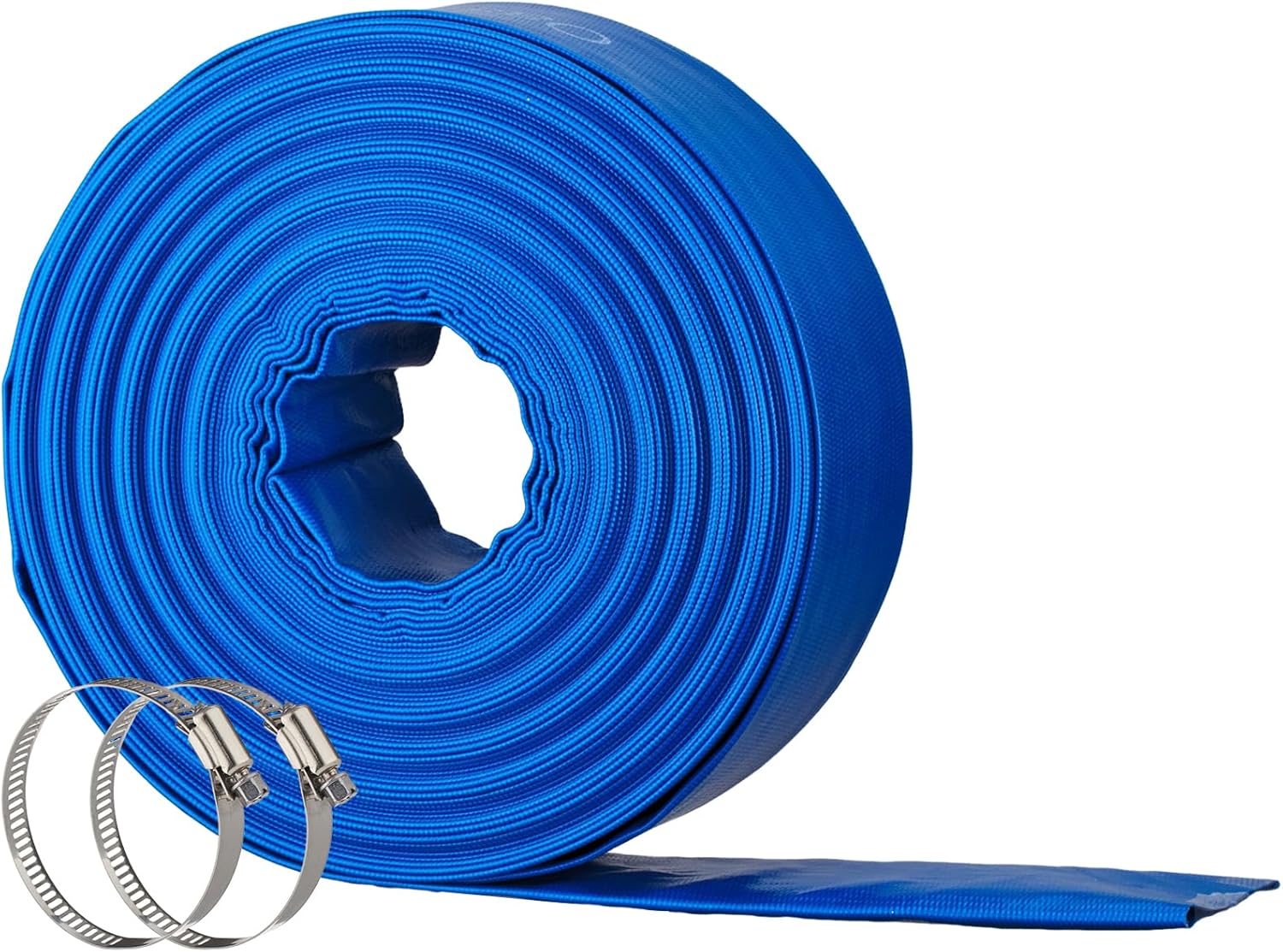
Inground swimming pool building is completed by adding water to the pool. A 20,000-gallon swimming pool will require between 30 and 40 hours, or around two days, to fill with a garden hose.
FAQs
What Will I Use A Inground Pool For?
Do you enjoy swimming and do you intend to swim laps? Did your doctor suggest a hot tub or pool for therapeutic purposes? Do you envision entertaining visitors by your pool and its surroundings? Are your kids and their pals included? Determine who will use the pool in your home and how it will be used.
What Size and Shape?
Congratulations if you own a large estate. The position of your swimming pool should be your first priority.
For those of us with smaller properties, installing an inground pool in your outdoor space could require some ingenuity, creative design, and compromise.
Will this Increase My Home’s Value?
Back in the day, everyone coveted their own backyard pool. Then, individuals who owned them discovered that they were difficult to maintain and repair, and many abandoned these duties. Consider the expenditures of construction, upkeep, repairs, and upgrades—and whether or not those expenses will reduce or increase the value of your home when it comes time to sell.






Write Your Review
No reviews yet. Be the first to share your experience!