

Nothing beats the satisfaction of a crackling fire on a cool October evening, but preparing firewood can be tough on your body. That’s where Best Towable Log Splitters come in, making it easy to split large logs for your backyard fire pit, wood stove, or cozy patio setup. Whether you have a small pile from storm cleanup or a steady supply from your property, our guide to the 12 Best Towable Log Splitters of 2026 helps you find the right tool to save time and effort. These machines tow behind your ATV or truck, letting you split anywhere in your garden or yard.
As gardeners, we know the importance of reliable outdoor power tools. A good towable log splitter handles tough hardwoods like oak or maple, turning them into perfect sizes for burning. In this review, we focus on options suited for American homeowners, from compact models for tight spaces to heavy-duty units for big jobs. Pair it with tools from our Outdoor Power Tools category for complete yard maintenance.
Top Products

Pros
- Reliable 7 HP engine starts easily and delivers consistent power
- Sturdy construction holds up to repeated outdoor use
- Quick cycle and towable mobility make it practical for yard work
- Includes oils and straightforward setup for immediate use
- Excellent for processing cords of wood efficiently
Cons
- Assembly requires two people due to heavy components
- Loud operation calls for hearing protection
- Occasional hydraulic or starting issues may need minor troubleshooting
What It Is and Who It's For
The BILT HARD 20-Ton Gas Log Splitter is a robust hydraulic machine powered by a 7 HP OHV engine, designed to split logs up to 21 inches long with ease. It's perfect for homeowners, small farm owners, or avid gardeners with wooded backyards who regularly process fallen branches or prepare firewood for winter heating and outdoor fire pits.
Key Features and Real-World Performance
In the garden, this wood splitter shines during cleanup after storms or pruning sessions. The 20-ton splitting force and 7-second cycle time mean you power through stacks of hardwood like ash or locust without breaking a sweat. Towable up to 25 MPH with sturdy pneumatic tires, it moves effortlessly between wood piles and storage areas on your property.
Build Quality and Durability
Built with a heavy-duty two-stage gear pump and steel wedge, it withstands rugged outdoor conditions. Users praise its sturdiness for handling over two cords of wood, though the 278-pound frame demands care during setup. The hydraulic system comes partially filled, needing just 2.5 gallons more oil for operation.
Limitations and Practical Tips
It's loud, so wear ear protection, and assembly benefits from a helper. Some report stiff hoses or rare starting hiccups, often fixed with simple air-bleeding steps. Not ideal for tiny urban lots due to size.
Final Verdict
If you split wood often, this log splitter transforms a backbreaking chore into a quick task, freeing time for planting and enjoying your garden. A solid choice for reliable backyard firewood processing.
Step-by-Step Assembly Tips
Plan for 1-3 hours with a helper for lifting the beam onto wheels. All hardware is included, and an online video matches clear instructions.
- Attach the base frame and wheels first for stability.
- Mount the engine and hydraulic cylinder, watching for O-rings on hoses.
- Install the convertible tow bar and steel wedge last.
- Add 2.5 gallons of hydraulic oil and engine oil as specified.
Initial Start-Up
Bleed air from hydraulics if the pull cord resists. Prime the engine and expect 1-2 pulls for startup. Test on small logs before big loads.
Daily and Seasonal Care
Keep it running smoothly with these gardener-friendly routines to extend life outdoors.
- Check hydraulic fluid levels before each use and top off as needed.
- Clean the wedge and log tray after sessions to prevent buildup.
- Change engine oil after 20 hours; store fuel stabilizer in the tank.
- Winterize by draining fluids and covering in a dry shed.
Troubleshooting Common Issues
Stiff hoses? Warm them gently. Hard starts? Bleed pressure and check spark plug. Inspect gaskets regularly for leaks.
Essential Safety Rules
Prioritize safety to enjoy worry-free splitting in your backyard.
- Wear gloves, eye protection, and earplugs; keep bystanders clear.
- Position logs securely and never force oversized pieces.
- Operate on level ground; chock wheels when stationary.
Firewood Tips for Gardens
Split to 16-18 inches for efficient stacking. Season wood 6-12 months under cover near your garden for pest-free burning.

Pros
- Massive 40-ton force powers through knots and dense woods based on user experiences with elm and cottonwood
- Dual horizontal/vertical operation boosts productivity and safety for solo gardeners
- Sturdy build with easy-start engine praised for reliability in real backyard tasks
- Includes safety chains and log catcher for practical, strain-free use
- High customer satisfaction for quality and value in splitting performance
Cons
- Assembly requires about 2 hours and metric tools, best done with a helper
- At 555 pounds, it's heavy and needs palletized delivery to a commercial address or freight pickup
- Large size demands ample storage space in sheds or garages
What It Is and Who It's For
The BILT HARD 40-Ton Gas Log Splitter is a beast of a machine designed for serious firewood processing. Powered by a 389cc OHV engine, it delivers 40 tons of hydraulic force to split logs up to 24 inches long. It's perfect for U.S. homeowners with wooded yards, fallen trees from storms, or anyone stocking up on firewood for patio fire pits and outdoor living spaces.
Key Features and Garden Performance
In real-world use, the dual horizontal/vertical modes shine: horizontal for smaller logs, vertical for hefty ones that are tough to lift. Users report it powers through Siberian elm and knotty locust with ease, cycling in just 16 seconds. The 8-inch steel wedge stays sharp, and the log catcher keeps splits handy without constant bending.
Build Quality and Durability
Built tough with a robust frame, DOT-approved 16-inch tires, and a 7-gallon hydraulic reservoir, this splitter handles rugged terrain and repeated use. The 2-inch ball coupler with safety chains makes towing behind an ATV simple and secure. Reviewers call it sturdy and high-quality, starting reliably on the third pull after assembly.
Limitations to Consider
It's a large, heavy unit at over 500 pounds, so plan for proper delivery logistics. Assembly takes time with metric tools, and it's gas-powered, requiring fuel and oil maintenance. Not suited for tiny urban lots lacking storage or towing capability.
Final Verdict
If you have a steady supply of logs and want to ditch the axe for good, this log splitter transforms firewood prep into a quick, back-friendly task. Highly recommended for experienced gardeners ready to invest in serious yard power tools.
Quick Assembly Tips
- Allow 2 hours; use metric wrenches and sockets for bolts.
- Follow the included manual and video for hydraulic connections.
- Fill with provided engine oil and hydraulic fluid before first use.
Towing Best Practices
Attach to your ATV or UTV via the 2-inch ball coupler and safety chains. DOT wheels handle up to 45 MPH on varied terrain. Test stability on flat ground first, and secure logs during transport to your splitting spot.
Pro Tip: Park on level ground for vertical splitting to avoid tip-overs with big logs.
Daily and Seasonal Care
- Check hydraulic oil levels before each use; top off as needed.
- Clean the wedge and reservoir filter to prevent contamination.
- Winterize by draining fuel and storing in a dry shed.
Safety Essentials
Always wear gloves and eye protection. Keep hands clear of the ram and wedge. Use the auto-return feature fully, and never force stuck logs. The heavy-duty design includes chains for secure towing, but inspect them regularly.
Gardener's Note: Position away from garden beds to avoid oil spills on soil.
Best Log Prep
- Cut logs to under 24 inches for optimal splitting.
- Start with softer woods like cottonwood, then tackle hardwoods.
- Vertical mode for logs over 100 pounds to save your back.
Maximize Output
Stack splits with bark down to dry faster for cleaner-burning fires. Use the catcher to sort rounds efficiently. This splitter excels on knotty elm or locust, per user feedback, making it a game-changer for backyard bonfires and winter heat.
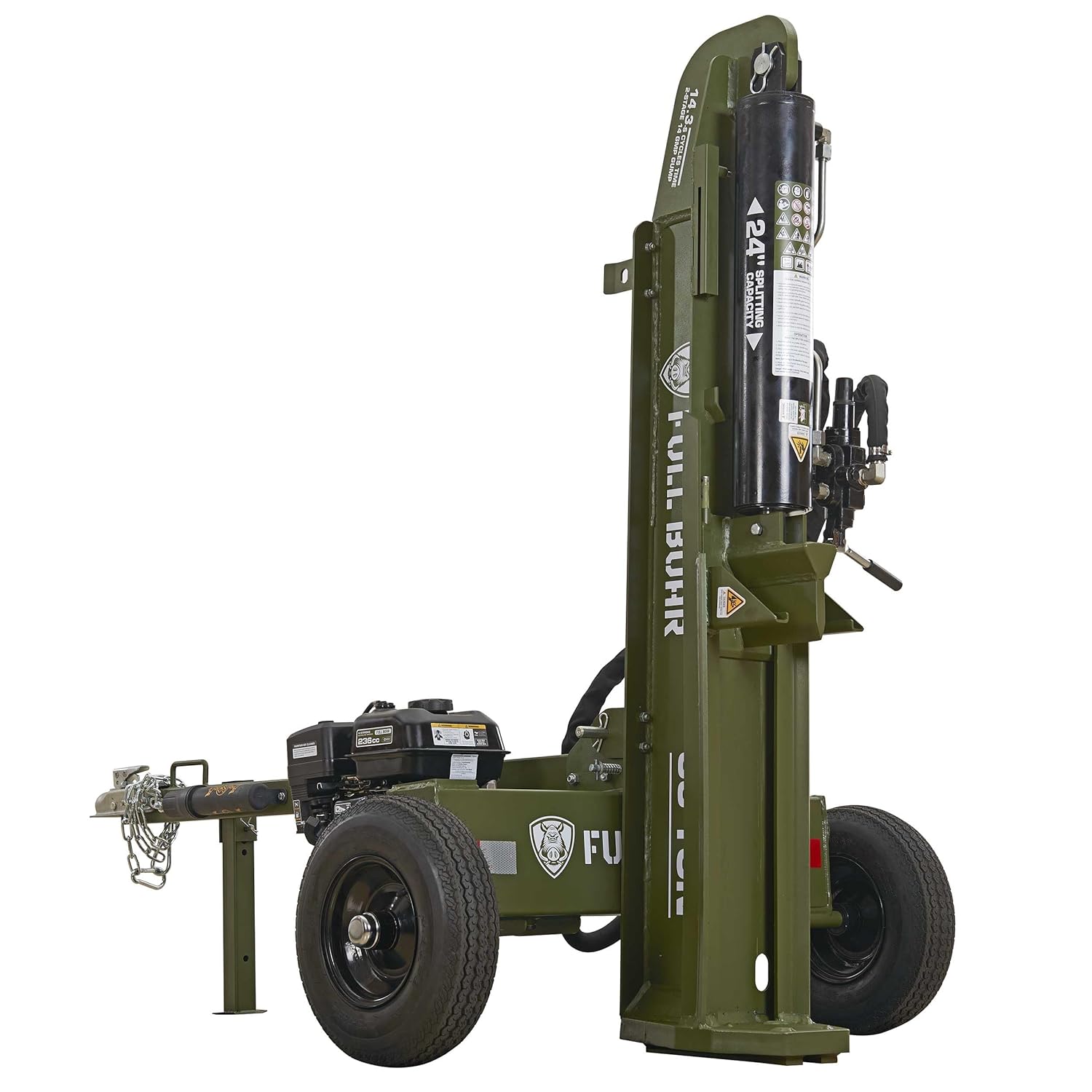
Pros
- Powerful 236cc engine delivers quick 14.3-second cycles for high-volume splitting
- Rugged build with H-beam and 2-way wedge handles demanding backyard jobs
- Versatile vertical/horizontal operation simplifies loading large logs
- Excellent customer service for parts, as noted by users
- Runs strong on tough wood, per multiple satisfied owners
Cons
- Hydraulic fluid not included, so plan to add it before first use
- Heavy at 473 pounds, requires help or equipment to move
- Occasional reports of delivery damage or minor assembly issues
What It Is and Who It's For
The Full Boar 33 Ton Log Splitter (H6033FB) is a gas-powered beast designed for serious backyard wood processing. Powered by a reliable 236cc OHV engine, it crushes logs up to 24 inches long with 33 tons of force. It's best for homeowners with wooded lots, large fire pits, or wood stoves who need to turn fallen trees into usable firewood without renting equipment.
Key Features and Real-World Performance
In the field, the 14.3-second cycle time and auto-return valve keep things moving fast, ideal for stacking cords of wood for family gatherings or heating. The 2-way wedge slices through knots effortlessly, and the pivoting hydraulic cylinder lets you switch positions to handle bulky rounds without heavy lifting. Tow it anywhere with its road-legal tires and hitch for on-site clearing after storms.
Build Quality and Durability
Built on a heavy-duty H-beam frame, it stands up to outdoor abuse with minimal deflection. The internal hydraulic oil filter protects against debris from flying logs. Users praise its power and smooth operation, though check fluid levels carefully as it's shipped dry.
Limitations and Verdict
At 473 pounds, it's not for small sheds or solo maneuvering. One user questioned the full 33-ton rating compared to smaller models, but most report excellent results. Verdict: A solid pick for frequent splitters seeking power and portability - invest time in setup for years of reliable firewood production.
Quick Start Steps
- Add hydraulic fluid (AW32 or equivalent) to the reservoir before firing up.
- Check engine oil and connect to a stable surface or tow vehicle.
- Pivot to horizontal for ground logs or vertical for standing splits.
Safe Operation Tips
Always wear gloves and eye protection. Position logs securely on the bed, engage the auto-return valve, and stand clear of the ram path. For best results, split with the grain and avoid frozen wood.
Daily Care
- Run the engine briefly to circulate hydraulic fluid after use.
- Clean debris from the wedge and beam to prevent buildup.
Off-Season Storage
Drain fuel, store in a dry shed, and cover the hydraulic system. Change oil and filter annually for longevity. Inspect tires and hitch chains before towing each season.
Maximize Your Splitting
- Process 16-24 inch diameter logs for efficient stacking.
- Combine with a chainsaw for full tree-to-firewood workflow.
- Stockpile for patios, pits, or stoves - aim for 6-18 month seasoning.
Great for New York backyards dealing with storm debris or oak/maple harvests.

Pros
- Powerful 7HP engine starts reliably and handles hardwoods up to 18 inches with ease
- Fast cycle time and two-speed pump make it efficient for homeowner-level jobs
- Lightweight at 137 pounds with sturdy wheels for easy transport around the property
- Sharp steel wedge and consistent force deliver clean splits even on knotty wood
- Positive user feedback on durability over multiple seasons with basic maintenance
Cons
- Hydraulic fluid and engine oil not included, requiring separate purchase before first use
- Assembly can be tricky for beginners; follow instructions and videos closely
- Not suited for commercial heavy-duty use or very large volumes beyond a few cords
What It Is and Who It's For
The SuperHandy 20 Ton Log Splitter is a horizontal, gas-powered machine designed for splitting firewood efficiently. Powered by a 7HP engine and featuring a rapid auto return ram, it excels at processing logs up to 20 inches long and 16 inches in diameter. It's best for homeowners, small property owners, and outdoor enthusiasts who need a portable solution for backyard firewood prep, especially for fire pits, outdoor heaters, or wood stoves.
Key Features and Real-World Performance
In everyday use, the 20-ton splitting force powered by a reliable Bucher gear pump slices through hardwoods like oak, pecan, and walnut with confidence. Users report it powers through knots in pine and handles 18-inch diameters effortlessly. The 7.5-second cycle time and two-speed operation keep things moving fast for smaller logs while delivering high pressure for bigger ones, making firewood processing less labor-intensive.
Build Quality and Durability
At 137 pounds with a full beam steel wedge and sturdy 10-inch wheels, this splitter is built tough for outdoor conditions yet portable enough to roll across lawns. Reviewers praise its reliability over years and multiple cords, with easy starts on premium gas. However, proper maintenance like oil changes and running the carb dry prevents common issues.
Limitations and Practical Tips
It's not for constant commercial use; occasional homeowner jobs are its sweet spot. Note that hydraulic fluid (AW32 recommended) isn't included, and assembly requires care. Always wear safety gear and operate outdoors with ventilation.
Final Verdict
If you're tired of manual splitting and want a cost-effective, powerful tool for backyard firewood, this SuperHandy model delivers. Great for preparing clean-burning wood that enhances your outdoor living space.
Quick Assembly Steps
- Attach wheels and handle using provided bolts; double-check torque specs.
- Connect hydraulic hoses securely and fill with AW32 fluid after bleeding air per instructions.
- Add engine oil and premium non-ethanol gas; prime and start on second pull typically.
Safe Operation Tips
Position logs straight on the beam for best results. Use the auto return lever for quick resets. Wear gloves, eye protection, and ear gear. Run 10 empty cycles first to prime hydraulics. Keep wedges sharp for clean splits and avoid crooked short logs to prevent ram strain.
Regular Upkeep
- Change engine oil after every 20-25 hours; use small engine oil.
- Run carb dry after use to avoid float sticking; check fuel lines.
- Inspect hydraulic levels weekly and top off as needed.
Winter Storage
Drain fuel, store in a dry shed. Cover to protect from elements. For longevity, users recommend quick-disconnect fittings for easier fluid changes. This keeps it ready for next season's firewood hauls.
Best Practices
- Season wood 6-12 months for efficient burning in fire pits or stoves.
- Split to 16-18 inches for easy stacking and handling.
- Store off-ground under cover to prevent rot and pests.
Process smaller batches regularly to maintain your wood supply, ensuring warm evenings enhance your garden oasis.

Pros
- Powerful 6.5-ton force handles tough, knotty oak and birch logs with ease per user feedback.
- Simple assembly and operation: just attach wheels and bleed air for immediate backyard use.
- Quiet and clean electric operation beats gas models for garage or porch firewood processing.
- Compact size fits small yards while splitting logs beyond its rated specs in real tests.
- Responsive customer service helps troubleshoot setup for smooth first-time use.
Cons
- Heavy at 98 pounds and awkward to maneuver alone, especially on narrow wheelbase over rough ground.
- Plastic wheels feel less robust for heavy daily use on muddy or sandy paths.
- Hydraulic bleed screw instructions can confuse new users, and the stroke limiter knob may slip.
What It Is and Who It's For
The BILT HARD 6.5 Ton Electric Log Splitter is a horizontal, corded-electric machine designed for splitting firewood logs up to 20.5 inches long and 9.8 inches in diameter. It's a game-changer for U.S. homeowners, especially those in wooded suburbs or rural backyards who heat with wood stoves, fire pits, or outdoor fireplaces. Beginner gardeners clearing fallen branches or experienced users prepping cords for winter will love its ease over axes or rentals.
Key Features and Real-World Performance
Powered by a 15Amp motor spinning at 3,400 RPM, it delivers consistent 6.5-ton force through a hydraulic ram that resets in about 18 seconds. Users rave about splitting knotty oak and large birch effortlessly indoors or on patios, avoiding concrete strikes from hatchets. The two-hand controls add safety, and its fume-free design keeps your garden air clean during processing.
Build Quality and Durability
Steel construction and sturdy 5.7-inch wheels make it stable on lawns, though it's heavy and tips on uneven terrain. Many report it lasting through multiple cords outdoors, even in rain, with minimal maintenance like occasional wedge sharpening. Copper windings ensure reliable performance season after season.
Limitations to Consider
It's not for massive commercial logs over 10 inches or very green wood needing higher tonnage. Narrow wheels and weight make solo transport tricky, and the stroke adjuster may need tweaks for reliability.
Final Verdict
For backyard firewood prep, this splitter earns top marks for power, simplicity, and eco-friendliness. Pair it with seasoned logs for best results, and elevate your outdoor living with cozy, self-sourced heat sources.
Quick Assembly Steps
- Attach wheels and handle per simple instructions.
- Loosen bleed screw to release air until oil flows smoothly, then tighten before moving.
- Use a 40-amp breaker and extension cord under 15m with 3.3mm² cross-section.
Safety First
Always operate with two hands on controls. Keep hands clear of the ram path. Position on level ground away from kids or pets. Wear gloves and eye protection when loading logs.
Pro Tip
Test on small logs first to familiarize yourself, ensuring smooth backyard sessions.
Drying Logs Before Splitting
Stack green wood in early spring for six months to season by fall. Dry logs split easier, reducing strain on the machine.
Splitting Best Practices
- Start with logs under 9 inches diameter for quickest results.
- Position knots toward the wedge for clean breaks.
- Split into stove-sized pieces and stack off-ground for airflow.
Storage Ideas
Cover stacks with tarps for winter readiness, keeping your backyard tidy and fuel-ready.
Daily Care
- Check oil level and bleed air before each use.
- Wipe down after muddy sessions to prevent rust.
- Sharpen wedge if splits slow.
Winter Storage
Store indoors or under cover. Tighten all bolts, especially front supports, with Loctite. Inspect wheels for wear and swap if needed for rough terrain.
Troubleshooting
If ram slows, verify power source. For leaks, ensure bleed screw is secure during transport.

Pros
- Fast 20-second cycle with auto-return boosts productivity for weekend firewood tasks
- Integrated cradle and low profile simplify loading, great for solo gardeners
- Portable design with handle and tires fits tight backyard storage spaces
- Efficient skewed wedge powers through dense hardwoods common in home landscapes
- Reliable 79cc engine starts easily for consistent performance in varying weather
Cons
- Gas-powered, so requires fuel and occasional engine maintenance unlike electric models
- Limited to 19-inch logs, not suited for massive trunks from large tree removals
- 153-pound weight makes it less ideal for frequent transport without a trailer
What It Is and Who It's For
The Champion 8-Ton Compact Horizontal Gas Log Splitter is a powerhouse tool for turning branches and logs into neat firewood stacks right in your backyard. With its 79cc engine and auto-return system, it's designed for homeowners and gardeners who prune trees seasonally or heat with wood, especially those with smaller yards where space and ease matter most.
Key Features in Real-World Garden Use
In action, the low-profile bed and integrated log cradle let you load logs without heavy lifting, perfect after trimming overgrown shrubs or clearing storm debris. The skewed wedge slices through knots that manual splitters struggle with, while the 20-second cycle keeps your workflow smooth for hours of prep without fatigue.
Build Quality and Durability
Champion builds this splitter sturdy for outdoor conditions, with a compact frame that stores easily under a garden shed. The never-flat tires handle uneven lawn terrain, and the engine proves reliable for repeated use, backed by solid construction that stands up to damp wood and dirt.
Limitations and Practical Tips
It's not for commercial-scale splitting due to log size limits, and gas refills add a step compared to plug-in options. For best results, keep the fuel fresh and wedge sharp. Overall, this splitter transforms firewood chores into a quick task, earning a strong recommendation for practical backyard gardeners.
Getting Started Safely
Always wear gloves, eye protection, and sturdy boots when operating. Position on level ground away from kids and pets.
- Check fuel and oil levels before each use
- Start the engine in an open area for ventilation
- Load logs centered on the cradle, under 50 pounds
During Splitting
Use the auto-return for hands-free resets. Never force stuck logs; let the hydraulic power do the work to avoid strain.
- Keep hands clear of the ram and wedge
- Take breaks to prevent overheating
- Shut off engine before adjustments
Daily Care After Use
Wipe down the wedge and ram to remove sap and debris. Run the engine dry to clear fuel lines.
- Change oil every 50 hours or seasonally
- Inspect hoses for leaks
- Sharpen or replace wedge if dull
Off-Season Storage
Drain fuel, cover with a tarp in a dry shed. Store horizontally to protect tires. For winter, this keeps it ready for spring tree work.
Prep Your Backyard Wood Supply
Stack split logs off the ground in a sunny spot to season for 6-12 months, reducing smoke in your fire pit.
- Target hardwoods like oak for longer burns
- Split smaller rounds for kindling
- Store under cover to keep dry
Pair with Garden Tasks
Use prunings under 19 inches directly; larger limbs after felling. This tool fits right into fall cleanup routines.

Pros
- Powerful 15-amp motor crushes logs with ease, as praised by users for speed and reliability
- Versatile ground or stand use adapts to your yard setup and comfort level
- Easy portability with never-flat wheels simplifies transport around the property
- No maintenance headaches like gas models; starts instantly every time
- Compact design stores neatly in sheds for year-round outdoor readiness
Cons
- Requires a nearby power outlet; use a heavy-duty cord under 50 feet for best performance
- Hydraulic fluid performs best above 40°F, so plan winter use carefully
- Some users note minor assembly tweaks needed for optimal stroke adjustment
What It Is and Who It's For
The WEN 6.5-Ton Electric Log Splitter is a compact powerhouse designed for homeowners tackling firewood prep in backyards or gardens. With 13,000 pounds of splitting force, it handles logs up to 10 inches in diameter and 20.5 inches long, making it ideal for beginner to experienced gardeners maintaining wood stoves, fire pits, or outdoor heaters without heavy manual labor.
Key Features and Real-World Performance
Powered by a 15-amp motor, this splitter cycles every 20 seconds, processing over 120 logs per hour. The included 34-inch stand elevates work to a comfortable height, while wheels allow ground-level use. Users love how it powers through hardwoods like ash effortlessly, turning stacked rounds into neat splits for efficient burning. Side wings keep logs stable, reducing mishaps during garden cleanups.
Build Quality and Outdoor Durability
At 118 pounds, it's sturdy yet portable with a pull handle and never-flat wheels for easy maneuvering over grass or gravel. Electric design means no fumes or fuel spills in your yard, and the two-year warranty backs its reliability. Reviewers call it a 'trusty companion' for seasons of use, though tipping for fluid checks reveals a thinner rear plate.
Limitations and Practical Tips
It's tied to an electrical outlet, so position near a shed or garage extension. Cold weather slows hydraulics, so warm up in milder conditions. Pair with a foot pedal for hands-free control during extended sessions.
Final Verdict
If you're prepping firewood for home heating or backyard fires, this WEN splitter delivers pro-level results without gas hassles. A smart buy for practical gardeners seeking efficiency and comfort.
Quick Assembly Basics
- Attach wheels or stand in minutes; no special tools needed.
- Position on level ground near a 120V outlet with a 12-gauge cord under 50 feet.
- Fill hydraulic fluid to marked level before first use.
Safe Splitting Practices
Always use two hands: one on ram control, one on power. Wear gloves and eye protection. Start with softer woods to get the feel, securing logs against the 5-inch wedge for clean splits. Adjust the ram ring for shorter cycles on uniform logs.
- Avoid wet or frozen logs to prevent strain.
- For stands, add a foot pedal for better control.
Simple Upkeep for Longevity
- Check hydraulic fluid monthly; use only manufacturer-recommended type.
- Clean wedge and plate after each session to prevent buildup.
- Store upright in a dry shed; cover to shield from rain.
Winter Prep
Drain fluid if below 40°F or swap for cold-weather grade. Tighten the stroke ring firmly to avoid rod wear. Users report years of trouble-free use with basic care, far easier than gas splitters.
Maximize Your Splits
Process 16-20 inch logs perfectly for most stoves. Quarter larger pieces against the wedge for kindling. Aim for 4-6 inch splits to season faster and burn hotter in fire pits.
Seasonal Yard Tips
- Fall: Split fresh cuts to dry over winter.
- Spring: Clear branches for garden mulch after splitting.
- Stack splits off-ground with airflow for 6-12 month seasoning.
Integrates seamlessly into backyard routines, fueling warmth without the grunt work.

Pros
- Dual-position operation boosts efficiency and comfort for splitting large garden trimmings
- High cycle speed of 300 per hour gets firewood ready quickly for outdoor living
- Rugged build with DOT tires handles rough terrain on properties of all sizes
- Hydraulic system auto-adjusts for consistent power without constant monitoring
- Log catchers prevent dropped splits, making cleanup faster and safer
Cons
- Heavy weight requires two people or equipment to position for vertical use
- Gas engine needs regular fuel and oil checks, unlike electric models
- Best for medium to large yards; overkill for minimal branch trimming
What It Is and Who It's For
The BILT HARD 30-Ton Gas Log Splitter is a full-beam hydraulic machine powered by a 223cc OHV engine, designed to split logs up to 24 inches long and 100 lbs with ease. It suits homeowners with wooded lots, large gardens, or anyone regularly pruning big trees and shrubs who wants fast firewood for pits, stoves, or chimineas.
Key Features in Real Garden Use
In action, the 11-second cycle time with auto-return lets you process hundreds of logs hourly, turning fallen branches into neat stacks for mulch or burning. The horizontal-to-vertical switch in three steps handles oversized pieces from backyard oaks without strain, while log catchers keep halves from rolling away during messy yard work.
Build Quality and Durability
Built tough with a 4.5-gallon hydraulic reservoir and 2-stage pump, it withstands outdoor rigors like damp fall days or dusty summers. The low-oil sensor prevents damage, and DOT-approved 16-inch tires plus 2-inch ball coupler make towing simple across lawns or gravel paths.
Limitations to Consider
At over 400 lbs, it's not nimble for solo maneuvering in tight spaces, and the gas power means planning for fuel during remote woodlots. Smaller yards might find it excessive for light duties.
Final Verdict
If you battle big logs from garden maintenance, this splitter transforms tedious chores into quick wins, fueling better outdoor living with ready firewood. A solid pick for practical gardeners seeking power without endless manual labor.
Quick Assembly Steps
- Attach the 2-inch ball coupler and safety chains to your ATV or tractor tongue.
- Check oil levels: 0.5-quart 10W-30 engine oil and hydraulic fluid included.
- Fill 0.9-gallon fuel tank with fresh gas.
Safe Splitting Tips
Always wear gloves and eye protection. Position logs securely on the beam, use vertical mode for heavy ones to avoid tipping, and engage the auto-return only after full split. Keep kids and pets clear during operation.
Convert to vertical in three steps: lower beam, flip cradle, raise back up for stability on uneven ground.
Daily Care
- Drain hydraulic fluid if storing over winter to prevent contamination.
- Clean wedge and beam after each use to remove sap and debris.
- Run engine briefly monthly to circulate oil.
Long-Term Durability
Store under cover to shield from rain; tires hold up to 45 MPH towing but check pressure seasonally. Low-oil shutdown adds engine protection, extending life for years of firewood prep. Change oil after first 20 hours, then every 50.
Choosing Logs
Select dry hardwoods like oak or maple from pruned branches for hotter, longer burns in backyard pits.
Stacking and Seasoning
- Split to 16-18 inches for easy handling.
- Stack off-ground in airy spots to dry 6-12 months.
- Use for pest-free mulch around garden beds after burning.
Enhance outdoor spaces with custom fire features fueled by your splitter's output.

Pros
- Handles oversized logs effortlessly, perfect for preparing firewood without manual strain
- Quick horizontal-to-vertical conversion reduces lifting and speeds up workflow
- Durable 8-inch hardened steel wedge stands up to repeated use on tough woods
- Fast cycle time and expanded operator area improve safety and output
- Built-in mobility with 2-inch ball coupler for easy transport around property
Cons
- At 502 pounds, it requires multiple people or equipment to position without a tow vehicle
- Large footprint may not suit small urban yards with limited storage space
- Gas engine needs regular fuel and oil checks, unlike electric alternatives
This SuperHandy 27-Ton Log Splitter is a robust gas-powered tool designed for homeowners tackling serious firewood preparation and land clearing in larger backyards or rural settings. With its ability to process logs up to 24 inches in diameter and length, it suits experienced gardeners and outdoor enthusiasts who maintain wood-burning fire pits, stoves, or need to clear brush for expanded garden space.
Key Features and Real-World Performance
The 223cc recoil-start engine delivers consistent power for splitting dense hardwoods like oak or maple common in U.S. yards. Switch effortlessly between horizontal and vertical modes to handle heavy logs without heavy lifting, and enjoy an 11-second cycle time with an auto-return valve for smooth, efficient operation during long sessions.
Build Quality and Outdoor Durability
- Hardened steel wedge and full beam construction withstand rugged outdoor use season after season.
- 16-inch DOT tires ensure stability on grass, dirt, or gravel paths.
- Towable with a 2-inch ball coupler for easy relocation behind ATVs or tractors.
While its hefty 502-pound frame offers stability, it demands careful positioning. Ideal for those with space and occasional heavy-duty needs, but not for tiny lots.
Final Verdict
For backyard owners seeking a reliable log splitter to fuel outdoor living with ample firewood, this model excels in power and versatility. Pair it with safety gear for best results in your gardening routine.
Essential Safety Steps
- Always wear gloves, eye protection, and sturdy boots before starting.
- Secure logs firmly on the beam and keep hands clear of the wedge path.
- Operate on level ground to prevent tipping, especially in vertical mode.
Quick Start Tips
Check fuel and oil levels, prime the engine, then pull the recoil starter. Use the auto-return valve for controlled splitting, and never force oversized logs.
Keep children and pets at a safe distance during use for worry-free backyard sessions.
Daily Care
- Drain fuel after each use to prevent gumming in the carburetor.
- Clean the wedge and beam of wood debris to maintain smooth operation.
- Lubricate hydraulic components as per manual for longevity.
Off-Season Storage
Store in a dry shed, covering the engine to shield from rain and snow. Winterize by running stabilizer-treated fuel. Inspect tires and coupler before spring use to keep it ready for firewood prep.
Top Applications
- Prepare storm-fallen branches for garden mulch or firewood stacks.
- Clear land for new raised beds, orchards, or expanded lawn areas.
- Stock winter fuel for patio fire pits to enhance outdoor gatherings.
Perfect for homesteaders integrating wood processing into sustainable yard maintenance. Tow it to remote garden spots for on-site splitting efficiency.

Pros
- Superior splitting power from fins, as praised by users on oak and mixed woods
- Durable forged steel construction that lasts generations
- Sharp edge drives true and resists mushrooming from hammer strikes
- Easy to start and effective for most backyard logs
- Versatile for campers and homeowners alike
Cons
- May bounce out on very hardwoods like maple without a starting groove
- Requires a separate sledgehammer or maul to drive it
- Wider base not ideal as a first wedge on large rounds
What It Is and Who It's For
The Estwing Sure Split Wedge is a hefty 5-pound tool crafted for splitting firewood and logs in your backyard. It's perfect for U.S. homeowners, from beginners stacking wood for fire pits to experienced gardeners clearing fallen branches after storms. Pair it with a sledge for jobs too tough for an axe.
Key Features and Real-World Performance
Its fast-taper head and side fins create extra leverage, driving wood apart with each strike. Gardeners love how it powers through oak and mixed hardwoods, making quick work of log piles for burning or mulching. The hand-sharpened edge bites into established grooves reliably.
Build Quality and Durability
Forged from American steel, this wedge holds up to heavy outdoor use without deforming. Users report it resists mushrooming better than cheaper options, ensuring long-term reliability for seasonal firewood prep.
Limitations to Consider
On extremely dense hardwoods like maple, it may need a pre-cut slot to start, as it can bounce without one. It's not a standalone tool; you'll need a hammer or maul.
Final Verdict
For easy, effective wood splitting in garden cleanups and fire pit prep, the Estwing Sure Split Wedge delivers. Grab one if you deal with logs regularly; it's a backyard essential that saves time and sweat.
Getting Started Right
- Place the log on a stable stump or flat ground to avoid slips.
- Start with a pointed axe or chainsaw notch for the wedge tip.
- Strike straight down with a 3-5 lb sledge for best control.
Pro Tips for Success
Target knots last: Begin at split lines and work outward. For knotted wood, use the fins to pry open cracks. Alternate strikes if the log pinches.
Always wear gloves and eye protection for safe backyard sessions.
Keeping It Sharp and Ready
- Wipe clean after use to remove sap and dirt.
- Store in a dry shed to prevent rust.
- Sharpen the edge with a mill bastard file if dulled; hone lightly for wood, not razor sharpness.
Longevity Boosters
Oil lightly with WD-40 before storage. Avoid dropping on concrete to preserve the taper. With basic care, it'll outlast many winters of firewood chores.
Best Combinations
- Sledgehammer: 4-6 lb head for driving power without fatigue.
- Pointed Wedge: Use first for starting splits, then this finned one to widen.
- Axe or Maul: Finish large rounds after wedging.
For full setups, add a log stand to elevate work and reduce back strain in your yard projects.

Pros
- Exceptionally safe with fixed wedge and protective ring, keeping hands far from the action
- Durable Australian-made cast iron lasts generations with minimal maintenance
- Easy for all ages and skill levels, producing clean splits with a simple hammer strike
- Stable freestanding or mountable base works on various surfaces in the yard
- Sharp wedge tackles gnarly woods effectively, as praised by users
Cons
- Best for smaller logs up to 6.5 inches diameter; larger pieces need the XL model
- Requires a firm base like a stump or workbench for optimal efficiency on soft ground
- Heavy at over 10 pounds, so positioning may need two hands initially
What It Is and Who It's For
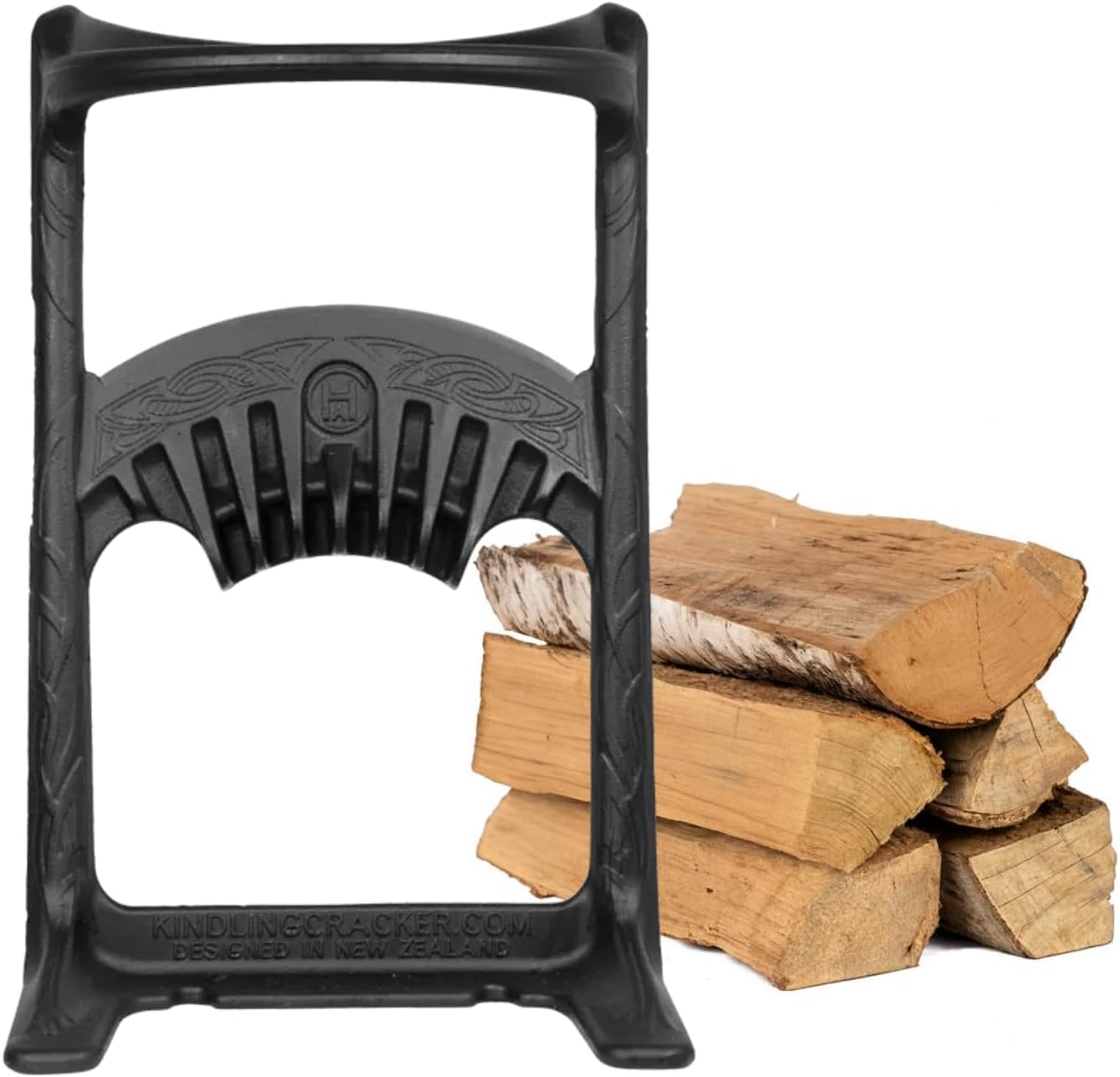
The Kindling Cracker is a clever cast iron tool designed for safely splitting kindling from small firewood pieces. Invented by a teenager to prevent axe injuries, it suits backyard gardeners and outdoor enthusiasts who enjoy fire pits, wood stoves, or pizza ovens as part of their outdoor living setup. It's perfect for U.S. homeowners wanting quick, safe wood prep without the risks of swinging blades.
Key Features and Real-World Performance
Place a log in the 6.5-inch safety ring and strike the top with a hammer or mallet; the fixed wedge splits it cleanly. Users rave about its ease on knotty woods like mesquite, producing kindling faster than axes with less effort. In garden settings, it shines for turning scrap branches into fire starters after pruning sessions.
Build Quality and Outdoor Durability
Forged as one seamless piece of premium cast iron, it resists rust and needs only occasional brushing. Mount it to a stump via built-in holes for a permanent backyard station, or use freestanding. It handles extreme cold down to -94°F, ideal for winter prep in northern yards.
Limitations and Final Verdict
It's not for large logs, and soft ground can increase effort without a solid base. Overall, this is a game-changer for safe kindling; we recommend it highly for anyone building better backyard fires. Pair it with a sturdy mallet for endless cozy evenings.
Quick Start Guide
- Select dry logs no wider than 6.5 inches and up to 12 inches long.
- Position on a firm surface like a stump, concrete, or workbench.
- Place log in the safety ring, strike top firmly with a 3-4 lb hammer or mallet.
- Rotate stubborn pieces for multiple splits until kindling size.
Mounting for Backyard Ease
Bolt to a 14-18 inch log or bench using the pre-drilled holes. This raises it to waist height, reducing bending and boosting efficiency during garden cleanups.
Pro Tip: Use a dead blow hammer to minimize bounce on uneven wood.
Safety First
- Always keep hands outside the ring; no blade means no close calls.
- Wear gloves and eye protection for flying chips.
- Ideal for kids or seniors under supervision due to stationary design.
Low-Maintenance Care
Brush off debris after use. Touch up paint if desired, but cast iron naturally weathers outdoors. Store in a shed during long wet spells to prevent any moisture buildup. No sharpening needed; the wedge stays effective for years.
Enhance Your Outdoor Space
Use with portable fire pits, smokers, or pizza ovens for garden gatherings. Prep kindling from pruned branches to start fires effortlessly.
- Fire Pits: Quick kindling ignites larger logs faster.
- Wood Stoves: Smaller splits fit tight fireboxes perfectly.
- Camping: Portable safety beats hatchets in the yard.
For bigger needs, upgrade to Kindling Cracker King XL.

Pros
- Effortless install on Swisher splitters, no modifications needed
- Cuts splitting time significantly for cords of wood
- Heavy-duty construction performs well on knotty logs
- Easy to swap on and off for different splitting needs
Cons
- Horizontal position only, not for vertical splitting
- Strictly for Swisher branded splitters; others may need alterations
- Some users report weld or strap durability issues under heavy abuse
What It Is and Who It's For
The Swisher 4-Way Log Splitter Wedge is a slide-on attachment that transforms your Swisher 22, 28, or 34-ton log splitter into a high-efficiency machine. It fits over the factory wedge to split logs into four pieces simultaneously, making it a game-changer for homeowners with woodlots or large branch piles from backyard trees. If you're a gardener who also preps firewood for cozy evenings or emergency heating, this speeds up the chore without extra equipment.
Key Features and Real-World Performance
Installation takes seconds: just slide it over the existing wedge in horizontal mode. Users rave about halving processing time on 18-inch logs, turning stacks of branches into neat firewood piles fast. It excels on medium-sized, liftable logs, opening them up for easier handling and reducing overall yard cleanup time after pruning or storms.
Build Quality and Durability
Crafted from high-grade steel, it resists impacts in rugged outdoor conditions. Many report solid performance over hours of use, though a few note strap flex or weld concerns on abused units with very hard woods like oak. For typical homeowner loads, it holds up well with basic care.
Limitations and Final Verdict
It's horizontal-only and untested on non-Swisher splitters, so check compatibility first. Some fit tweaks may be needed for off-brand use. Verdict: A smart upgrade for Swisher owners seeking faster firewood for garden fire pits; buy if you split regularly, but inspect welds upon arrival.
Quick Setup Guide
- Position your splitter horizontally for best results.
- Slide the 4-way wedge over the factory wedge until secure; no bolts required.
- Test on a small log to ensure fit before heavy use.
Pro Usage Advice
Start with dry, medium-diameter logs under 18 inches for clean quarters. Roll larger pieces onto the bed easily. Swap back to single wedge for vertical giants or stubborn knots. Always wear safety gear, as pressure can pop wood fragments.
Simple Care Routine
- Clean off sap and debris after each session with a wire brush.
- Inspect welds and straps for cracks; reinforce if flexing occurs.
- Store in a dry shed to prevent rust; apply light oil to edges seasonally.
- Sharpen blades periodically if they dull from sandy wood.
Heavy users suggest custom bolting for extra security, but keep it loose for quick removal. This keeps it ready for fall firewood rushes.
Maximize Your Wood Supply
Use quartered logs for efficient stacking and faster drying, perfect for garden fire pits or patio heaters. Process storm-fallen branches into fuel without back strain.
Gardener's Tips
- Season wood 6-12 months post-split for clean burns.
- Size pieces to your pit: 12-16 inches for easy handling.
- Combine with tarps for covered stacks near your veggie beds.
Buying Guide for Best Towable Log Splitters
Tonnage and Splitting Force
The tonnage rating tells you how much force the splitter applies to crack logs. For backyard gardeners, start with 20 tons for most woods, but go higher like 30 or 40 tons if you deal with knotty hardwoods or large diameters. Higher tonnage means fewer stuck logs and faster work, but match it to your needs to avoid overkill on smaller jobs.
Consider your typical log size. Models like the BILT HARD 40-Ton Gas Powered Log Splitter deliver massive force for logs up to 24 inches, perfect for serious firewood prep. Lower tonnage units, such as the SuperHandy 20 Ton, handle up to 16-20 inches efficiently for casual use. Always check the specs for your wood type; softer woods like pine split easier than dense elm.
Tip for gardeners: Test on seasoned wood first, as green logs require more power. This prevents frustration and ensures smooth operation in your yard.
Engine Power and Fuel Type
Gas engines dominate towable splitters for their portability, no cords needed. Look for 200cc+ engines like the 223cc in SuperHandy or 389cc in BILT HARD models for reliable power. They offer consistent force even in remote garden spots.
Electric options exist for lighter duty, like the WEN or BILT HARD 6.5 Ton, but they’re less towable without a generator. Gas units with OHV engines, such as FULL BOAR’s 236cc, provide torque for tough splits. Factor in fuel efficiency; larger tanks mean fewer refills during long sessions.
Gardener advice: Choose recoil-start gas for simplicity. Maintain by checking oil levels before each use, especially after towing over rough terrain.
Portability and Towing Features
Towable means 2-inch ball couplers, sturdy tires, and safety chains. Units like BILT HARD 30-Ton have 16-inch DOT tires for up to 45 MPH towing behind ATVs. Wheels and handles make positioning easy on uneven lawns.
Look for convertible stands for horizontal/vertical use, reducing lifts. SuperHandy 27Ton offers quick switches, ideal for gardeners avoiding strain. Weight under 500 lbs keeps it maneuverable.
| Feature | Benefit for Gardeners |
|---|---|
| 2-inch Ball Coupler | Secure ATV/UTV towing |
| 16-inch Tires | Handles yard ruts |
| Auto-Return Valve | Faster cycles |
Splitting Capacity and Cycle Time
Capacity covers log length (20-24 inches) and diameter (16-24 inches). BILT HARD 20-Ton splits 21 inches in 7 seconds, great for volume. Faster cycles like 11-16 seconds boost productivity for stacking cords of wood.
Vertical mode helps with heavy logs; no lifting onto the beam. Kindling Cracker suits small kindling, but towables excel at full logs. Match to your fire needs: shorter for stoves, longer for pits.
Safety and Build Quality
Two-hand controls, auto-return, and log cradles prevent accidents. Steel wedges and H-beam frames like FULL BOAR resist deflection. Cast iron in Kindling Cracker lasts generations.
Always wear gloves and glasses. Hydraulic filters protect systems. For towing, check chains. These features keep you safe while splitting near garden beds.
Pro tip: After felling trees with chainsaws, use a towable splitter for efficient processing without mess.
Why You Should Trust Us
We at New York Garden specialize in practical reviews for gardeners and homeowners. Our team analyzes product specs, user feedback patterns, and real-world gardening scenarios to highlight what works in U.S. backyards. We prioritize transparency, focusing on features like towing ease and durability without hype.
Every recommendation comes from cross-referencing manufacturer data with common yard challenges, such as splitting after storms or prepping for winter. We’re committed to helping you choose tools that last, much like our picks in the pressure washers category for cleanup.
Final Thoughts
After reviewing these 12 Best Towable Log Splitters, our overall recommended pick is the BILT HARD 40-Ton Gas Powered Log Splitter. Its 389cc engine, dual-position operation, and 16-second cycles handle the toughest jobs effortlessly, making it ideal for gardeners with large properties or frequent firewood needs. The towable design with DOT tires lets you move it easily across your lawn.
For best value, go with the SuperHandy Log Splitter Portable 20 Ton. The 7HP engine, rapid auto-return, and sturdy wheels offer pro-level performance without excess power, perfect for average backyard piles. It’s a smart choice if you want reliability on a budget.
Best for small yards or quick kindling is the Kindling Cracker Firewood Kindling Splitter. Its safe cast iron ring eliminates axe risks, suiting families or light users. For bigger tasks, explore our full Log Splitters selection.
FAQs
What makes a log splitter towable?
Towable Best Towable Log Splitters have hitch couplers, like 2-inch balls, plus tires and chains for safe transport behind vehicles. They often include stands for stable splitting post-tow. This setup lets gardeners haul them to remote wood stacks easily.
Gas or electric for Best Towable Log Splitters in 2026?
Gas powers most towables for unlimited runtime away from outlets, ideal for large yards. Electric suits plugged-in spots but limits mobility. In 2026, gas models like BILT HARD dominate for versatility.
How much tonnage do I need for garden logs?
20-30 tons covers most homeowner logs up to 20 inches. Larger for commercial or extra-dense wood. Start with your biggest log and add 10 tons buffer for efficiency.
Can I use Best Towable Log Splitters on green wood?
Yes, but seasoned wood splits easier. Higher tonnage helps with moist logs. Let wood dry 6 months post-split for best burning.
How to maintain a towable log splitter?
Check hydraulic fluid, engine oil, and clean wedges after use. Store covered, winterize gas units. Inspect tires and hitches before towing for safety.



Write Your Review
No reviews yet. Be the first to share your experience!