

As the leaves turn and cooler weather approaches, many gardeners find themselves preparing for cozy backyard fires or stocking up on firewood for the season. Best Gas Log Splitters make this task a breeze, turning backbreaking manual labor into a quick, efficient process. Whether you have a small pile of branches from pruning your trees or larger logs from storm cleanup, our guide to the 12 Best Gas Log Splitters of 2026 helps you choose the right gas-powered tool for your lawn and garden needs. These machines offer the power and portability you need without relying on electricity, perfect for remote spots in your yard.
In this review, we focus on practical options that suit American homeowners and gardeners, emphasizing ease of use, durability, and features tailored for everyday firewood splitting. With prices spanning $699.99 – $1,799.99, there’s something for every budget and workload. Let’s dive into the top picks that will save you time and effort this October and beyond.
Top Products

Pros
- Massive 40-ton force powers through knots and dense woods based on user experiences with elm and cottonwood
- Dual horizontal/vertical operation boosts productivity and safety for solo gardeners
- Sturdy build with easy-start engine praised for reliability in real backyard tasks
- Includes safety chains and log catcher for practical, strain-free use
- High customer satisfaction for quality and value in splitting performance
Cons
- Assembly requires about 2 hours and metric tools, best done with a helper
- At 555 pounds, it's heavy and needs palletized delivery to a commercial address or freight pickup
- Large size demands ample storage space in sheds or garages
What It Is and Who It's For
The BILT HARD 40-Ton Gas Log Splitter is a beast of a machine designed for serious firewood processing. Powered by a 389cc OHV engine, it delivers 40 tons of hydraulic force to split logs up to 24 inches long. It's perfect for U.S. homeowners with wooded yards, fallen trees from storms, or anyone stocking up on firewood for patio fire pits and outdoor living spaces.
Key Features and Garden Performance
In real-world use, the dual horizontal/vertical modes shine: horizontal for smaller logs, vertical for hefty ones that are tough to lift. Users report it powers through Siberian elm and knotty locust with ease, cycling in just 16 seconds. The 8-inch steel wedge stays sharp, and the log catcher keeps splits handy without constant bending.
Build Quality and Durability
Built tough with a robust frame, DOT-approved 16-inch tires, and a 7-gallon hydraulic reservoir, this splitter handles rugged terrain and repeated use. The 2-inch ball coupler with safety chains makes towing behind an ATV simple and secure. Reviewers call it sturdy and high-quality, starting reliably on the third pull after assembly.
Limitations to Consider
It's a large, heavy unit at over 500 pounds, so plan for proper delivery logistics. Assembly takes time with metric tools, and it's gas-powered, requiring fuel and oil maintenance. Not suited for tiny urban lots lacking storage or towing capability.
Final Verdict
If you have a steady supply of logs and want to ditch the axe for good, this log splitter transforms firewood prep into a quick, back-friendly task. Highly recommended for experienced gardeners ready to invest in serious yard power tools.
Quick Assembly Tips
- Allow 2 hours; use metric wrenches and sockets for bolts.
- Follow the included manual and video for hydraulic connections.
- Fill with provided engine oil and hydraulic fluid before first use.
Towing Best Practices
Attach to your ATV or UTV via the 2-inch ball coupler and safety chains. DOT wheels handle up to 45 MPH on varied terrain. Test stability on flat ground first, and secure logs during transport to your splitting spot.
Pro Tip: Park on level ground for vertical splitting to avoid tip-overs with big logs.
Daily and Seasonal Care
- Check hydraulic oil levels before each use; top off as needed.
- Clean the wedge and reservoir filter to prevent contamination.
- Winterize by draining fuel and storing in a dry shed.
Safety Essentials
Always wear gloves and eye protection. Keep hands clear of the ram and wedge. Use the auto-return feature fully, and never force stuck logs. The heavy-duty design includes chains for secure towing, but inspect them regularly.
Gardener's Note: Position away from garden beds to avoid oil spills on soil.
Best Log Prep
- Cut logs to under 24 inches for optimal splitting.
- Start with softer woods like cottonwood, then tackle hardwoods.
- Vertical mode for logs over 100 pounds to save your back.
Maximize Output
Stack splits with bark down to dry faster for cleaner-burning fires. Use the catcher to sort rounds efficiently. This splitter excels on knotty elm or locust, per user feedback, making it a game-changer for backyard bonfires and winter heat.
Pros
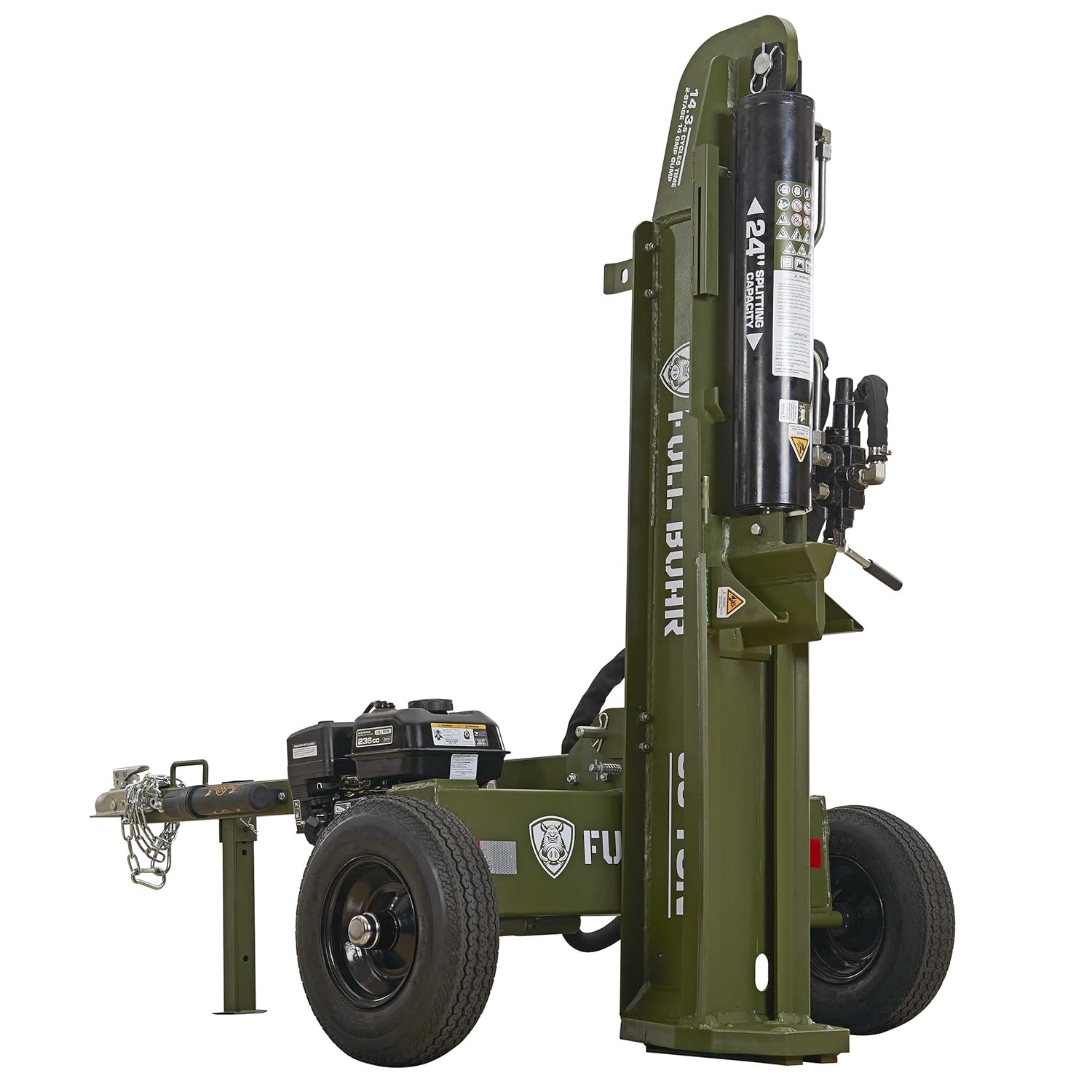
- Powerful 236cc engine delivers quick 14.3-second cycles for high-volume splitting
- Rugged build with H-beam and 2-way wedge handles demanding backyard jobs
- Versatile vertical/horizontal operation simplifies loading large logs
- Excellent customer service for parts, as noted by users
- Runs strong on tough wood, per multiple satisfied owners
Cons
- Hydraulic fluid not included, so plan to add it before first use
- Heavy at 473 pounds, requires help or equipment to move
- Occasional reports of delivery damage or minor assembly issues
What It Is and Who It's For
The Full Boar 33 Ton Log Splitter (H6033FB) is a gas-powered beast designed for serious backyard wood processing. Powered by a reliable 236cc OHV engine, it crushes logs up to 24 inches long with 33 tons of force. It's best for homeowners with wooded lots, large fire pits, or wood stoves who need to turn fallen trees into usable firewood without renting equipment.
Key Features and Real-World Performance
In the field, the 14.3-second cycle time and auto-return valve keep things moving fast, ideal for stacking cords of wood for family gatherings or heating. The 2-way wedge slices through knots effortlessly, and the pivoting hydraulic cylinder lets you switch positions to handle bulky rounds without heavy lifting. Tow it anywhere with its road-legal tires and hitch for on-site clearing after storms.
Build Quality and Durability
Built on a heavy-duty H-beam frame, it stands up to outdoor abuse with minimal deflection. The internal hydraulic oil filter protects against debris from flying logs. Users praise its power and smooth operation, though check fluid levels carefully as it's shipped dry.
Limitations and Verdict
At 473 pounds, it's not for small sheds or solo maneuvering. One user questioned the full 33-ton rating compared to smaller models, but most report excellent results. Verdict: A solid pick for frequent splitters seeking power and portability - invest time in setup for years of reliable firewood production.
Quick Start Steps
- Add hydraulic fluid (AW32 or equivalent) to the reservoir before firing up.
- Check engine oil and connect to a stable surface or tow vehicle.
- Pivot to horizontal for ground logs or vertical for standing splits.
Safe Operation Tips
Always wear gloves and eye protection. Position logs securely on the bed, engage the auto-return valve, and stand clear of the ram path. For best results, split with the grain and avoid frozen wood.
Daily Care
- Run the engine briefly to circulate hydraulic fluid after use.
- Clean debris from the wedge and beam to prevent buildup.
Off-Season Storage
Drain fuel, store in a dry shed, and cover the hydraulic system. Change oil and filter annually for longevity. Inspect tires and hitch chains before towing each season.
Maximize Your Splitting
- Process 16-24 inch diameter logs for efficient stacking.
- Combine with a chainsaw for full tree-to-firewood workflow.
- Stockpile for patios, pits, or stoves - aim for 6-18 month seasoning.
Great for New York backyards dealing with storm debris or oak/maple harvests.

Pros
- Dual-position operation boosts efficiency and comfort for splitting large garden trimmings
- High cycle speed of 300 per hour gets firewood ready quickly for outdoor living
- Rugged build with DOT tires handles rough terrain on properties of all sizes
- Hydraulic system auto-adjusts for consistent power without constant monitoring
- Log catchers prevent dropped splits, making cleanup faster and safer
Cons
- Heavy weight requires two people or equipment to position for vertical use
- Gas engine needs regular fuel and oil checks, unlike electric models
- Best for medium to large yards; overkill for minimal branch trimming
What It Is and Who It's For
The BILT HARD 30-Ton Gas Log Splitter is a full-beam hydraulic machine powered by a 223cc OHV engine, designed to split logs up to 24 inches long and 100 lbs with ease. It suits homeowners with wooded lots, large gardens, or anyone regularly pruning big trees and shrubs who wants fast firewood for pits, stoves, or chimineas.
Key Features in Real Garden Use
In action, the 11-second cycle time with auto-return lets you process hundreds of logs hourly, turning fallen branches into neat stacks for mulch or burning. The horizontal-to-vertical switch in three steps handles oversized pieces from backyard oaks without strain, while log catchers keep halves from rolling away during messy yard work.
Build Quality and Durability
Built tough with a 4.5-gallon hydraulic reservoir and 2-stage pump, it withstands outdoor rigors like damp fall days or dusty summers. The low-oil sensor prevents damage, and DOT-approved 16-inch tires plus 2-inch ball coupler make towing simple across lawns or gravel paths.
Limitations to Consider
At over 400 lbs, it's not nimble for solo maneuvering in tight spaces, and the gas power means planning for fuel during remote woodlots. Smaller yards might find it excessive for light duties.
Final Verdict
If you battle big logs from garden maintenance, this splitter transforms tedious chores into quick wins, fueling better outdoor living with ready firewood. A solid pick for practical gardeners seeking power without endless manual labor.
Quick Assembly Steps
- Attach the 2-inch ball coupler and safety chains to your ATV or tractor tongue.
- Check oil levels: 0.5-quart 10W-30 engine oil and hydraulic fluid included.
- Fill 0.9-gallon fuel tank with fresh gas.
Safe Splitting Tips
Always wear gloves and eye protection. Position logs securely on the beam, use vertical mode for heavy ones to avoid tipping, and engage the auto-return only after full split. Keep kids and pets clear during operation.
Convert to vertical in three steps: lower beam, flip cradle, raise back up for stability on uneven ground.
Daily Care
- Drain hydraulic fluid if storing over winter to prevent contamination.
- Clean wedge and beam after each use to remove sap and debris.
- Run engine briefly monthly to circulate oil.
Long-Term Durability
Store under cover to shield from rain; tires hold up to 45 MPH towing but check pressure seasonally. Low-oil shutdown adds engine protection, extending life for years of firewood prep. Change oil after first 20 hours, then every 50.
Choosing Logs
Select dry hardwoods like oak or maple from pruned branches for hotter, longer burns in backyard pits.
Stacking and Seasoning
- Split to 16-18 inches for easy handling.
- Stack off-ground in airy spots to dry 6-12 months.
- Use for pest-free mulch around garden beds after burning.
Enhance outdoor spaces with custom fire features fueled by your splitter's output.

Pros
- Massive 35-ton force powers through dense logs effortlessly
- Versatile horizontal/vertical operation for various log sizes and user comfort
- Easy towing at up to 45 MPH with stable DOT-approved tires
- Included oils and durable steel wedge for immediate, long-lasting use
- Log catcher improves safety and workflow in real backyard settings
Cons
- Heavy at 430 pounds, requiring sturdy storage and multiple people for positioning
- Gas engine demands regular fuel and oil maintenance plus ventilation for safe operation
- Large size needs ample backyard space and special palletized delivery arrangements
The BILT HARD 35-Ton Gas Log Splitter is a heavy-duty hydraulic machine designed for homeowners with abundant trees or wood sources in their yards. Powered by a 301cc OHV engine, it delivers 35 tons of force to split logs up to 24 inches long, making it perfect for beginner to experienced gardeners preparing firewood for fire pits, outdoor heaters, or cozy evenings enhancing backyard living.
Key Features and Real-World Performance
In horizontal mode, it handles smaller stacks efficiently on flat garden ground; switch to vertical for big trunk sections without straining your back. The 16-second cycle and 8-inch steel wedge make quick work of oak or maple, ideal for fall firewood stockpiling. Tow it easily behind an ATV with the 2-inch coupler and safety chains across your property.
Build Quality and Outdoor Durability
- Robust full-beam frame and DOT 16-inch tires withstand rough terrain and towing.
- 7-gallon hydraulic reservoir with 2-stage pump keeps operations smooth in damp fall weather.
- Heavy-duty log catcher grabs split pieces, minimizing slips on uneven lawn surfaces.
At 430 pounds, it's built to last but demands a dedicated spot in your shed or under cover.
Limitations and Practical Advice
Its size and weight mean it's not for tiny urban yards; plan for pallet delivery to a commercial address or freight pickup. Gas power requires proper fueling and engine care, unlike electric models.
Final Verdict
For rural or suburban gardeners with woodlots, this splitter transforms tedious chores into fast, safe tasks. Highly recommend if you process 5+ cords yearly for ultimate backyard comfort.
Getting Started Safely
- Review the manual and assembly video before first use; position on level ground away from structures.
- Wear gloves, eye protection, and sturdy boots; keep bystanders clear.
- Prime the hydraulic system and check oil levels prior to operation.
Daily Splitting Best Practices
Load logs squarely against the wedge, starting with smaller pieces to build rhythm. Use vertical mode for logs over 18 inches diameter to avoid tipping. Empty the fuel tank after sessions to prevent issues.
Pro Tip: Split in short bursts to manage engine heat during long backyard sessions.
Engine and Hydraulic Care
- Change engine oil every 50 hours; use included 1.1L capacity SAE 10W-30.
- Check hydraulic fluid weekly, topping off with clean ISO 46 or equivalent; filter contaminants promptly.
- Clean air filter after 25 hours in dusty garden environments.
Off-Season Storage
Drain fuel, stabilize remaining gas, and store indoors. Grease moving parts and cover the wedge to prevent rust. Inspect tires for wear before spring firewood prep.
Longevity Boost: Regular checks extend life through multiple seasons of heavy use.
Choosing Logs for Best Results
- Season wood 6-12 months for easier splitting and hotter backyard burns.
- Target hardwoods like oak or hickory; avoid green or frozen logs to protect the wedge.
Stacking and Storing Firewood
Aim for 16-18 inch lengths post-split. Stack off-ground in a log rack near your fire pit, covered but with airflow. This setup fuels efficient outdoor gatherings all winter.
Gardener's Note: Processed firewood elevates your landscape with functional, rustic appeal.

Pros
- Powerful 7HP engine starts reliably and handles hardwoods up to 18 inches with ease
- Fast cycle time and two-speed pump make it efficient for homeowner-level jobs
- Lightweight at 137 pounds with sturdy wheels for easy transport around the property
- Sharp steel wedge and consistent force deliver clean splits even on knotty wood
- Positive user feedback on durability over multiple seasons with basic maintenance
Cons
- Hydraulic fluid and engine oil not included, requiring separate purchase before first use
- Assembly can be tricky for beginners; follow instructions and videos closely
- Not suited for commercial heavy-duty use or very large volumes beyond a few cords
What It Is and Who It's For
The SuperHandy 20 Ton Log Splitter is a horizontal, gas-powered machine designed for splitting firewood efficiently. Powered by a 7HP engine and featuring a rapid auto return ram, it excels at processing logs up to 20 inches long and 16 inches in diameter. It's best for homeowners, small property owners, and outdoor enthusiasts who need a portable solution for backyard firewood prep, especially for fire pits, outdoor heaters, or wood stoves.
Key Features and Real-World Performance
In everyday use, the 20-ton splitting force powered by a reliable Bucher gear pump slices through hardwoods like oak, pecan, and walnut with confidence. Users report it powers through knots in pine and handles 18-inch diameters effortlessly. The 7.5-second cycle time and two-speed operation keep things moving fast for smaller logs while delivering high pressure for bigger ones, making firewood processing less labor-intensive.
Build Quality and Durability
At 137 pounds with a full beam steel wedge and sturdy 10-inch wheels, this splitter is built tough for outdoor conditions yet portable enough to roll across lawns. Reviewers praise its reliability over years and multiple cords, with easy starts on premium gas. However, proper maintenance like oil changes and running the carb dry prevents common issues.
Limitations and Practical Tips
It's not for constant commercial use; occasional homeowner jobs are its sweet spot. Note that hydraulic fluid (AW32 recommended) isn't included, and assembly requires care. Always wear safety gear and operate outdoors with ventilation.
Final Verdict
If you're tired of manual splitting and want a cost-effective, powerful tool for backyard firewood, this SuperHandy model delivers. Great for preparing clean-burning wood that enhances your outdoor living space.
Quick Assembly Steps
- Attach wheels and handle using provided bolts; double-check torque specs.
- Connect hydraulic hoses securely and fill with AW32 fluid after bleeding air per instructions.
- Add engine oil and premium non-ethanol gas; prime and start on second pull typically.
Safe Operation Tips
Position logs straight on the beam for best results. Use the auto return lever for quick resets. Wear gloves, eye protection, and ear gear. Run 10 empty cycles first to prime hydraulics. Keep wedges sharp for clean splits and avoid crooked short logs to prevent ram strain.
Regular Upkeep
- Change engine oil after every 20-25 hours; use small engine oil.
- Run carb dry after use to avoid float sticking; check fuel lines.
- Inspect hydraulic levels weekly and top off as needed.
Winter Storage
Drain fuel, store in a dry shed. Cover to protect from elements. For longevity, users recommend quick-disconnect fittings for easier fluid changes. This keeps it ready for next season's firewood hauls.
Best Practices
- Season wood 6-12 months for efficient burning in fire pits or stoves.
- Split to 16-18 inches for easy stacking and handling.
- Store off-ground under cover to prevent rot and pests.
Process smaller batches regularly to maintain your wood supply, ensuring warm evenings enhance your garden oasis.

Pros
- Powerful 28-ton force tackles hardwood logs up to 16-inch diameter effortlessly
- Versatile vertical-to-horizontal pivot for safe, easy log positioning
- Road-ready tires and hitch enable transport to remote splitting sites
- Integrated oil filter protects hydraulics from debris and damage
- Compact footprint fits well in backyard sheds or garages
Cons
- At 431 pounds, it requires a capable vehicle for towing and two people for positioning
- Gas engine demands regular fuel, oil checks, and maintenance
- Large size may overwhelm very small yards without dedicated storage
What It Is and Who It's For
The Full Boar 28 Ton Log Splitter is a rugged, gas-powered beast powered by a 212cc OHV engine, perfect for U.S. homeowners with wooded lots or large backyards. If you're a gardener looking to clear land for new raised beds or stockpile firewood for patio gatherings, this splitter handles logs up to 24 inches long and 16 inches in diameter without breaking a sweat. It's best for those with space to store and tow it, not tiny urban plots.
Key Features in Real-World Use
In the garden, its 10.9-second cycle time means you split more wood faster, freeing up time for planting. The 2-way wedge and 22.75-inch stroke power through knots that axes can't touch. Tow it behind your truck to the woodpile, pivot to horizontal for big logs, and let the auto-return valve do the work. Gardeners love how it turns fallen branches into neat stacks for mulch or fire pits.
Build Quality and Durability
Built on a heavy-duty H-beam, it resists flexing under pressure, standing up to wet, muddy conditions common in backyard projects. DOT-approved 16-inch tires and safety chains make it trail-ready. The hydraulic oil filter inside the reservoir dodges falling log hazards, ensuring longevity outdoors.
Limitations and Verdict
Its weight makes solo setup tricky, and gas maintenance adds a step over electric models. Still, for serious firewood needs or land prep, it's a game-changer. Recommended for homeowners ready to invest in efficient, powerful splitting that enhances outdoor living.
Getting Started Right
Always wear gloves, eye protection, and sturdy boots. Position on level ground, secure the hitch, and check hydraulic fluid before use.
- Start in vertical mode for tall logs; pivot to horizontal for stability with heavy ones.
- Use the control valve smoothly; let auto-return handle retraction.
- Keep hands clear of the wedge and never split logs with embedded metal.
Towing Tips
Pair with a truck or ATV rated for 431 pounds. Verify safety chains and lights for road use.
Keep It Running Strong
Regular care extends life in harsh outdoor conditions. Drain fuel for winter storage and cover in a dry shed.
- Check engine oil and hydraulic fluid weekly; top off as needed.
- Clean wedge and beam after each session to prevent rust.
- Winterize by running stabilizer-treated gas and storing upright.
- Inspect tires and hitch for wear before towing.
Follow the manual for tune-ups to maintain that quick cycle time.
Maximize Your Splits
Turn split logs into garden gold: use chunks for fire pits, shavings for mulch, or bases for rustic planters.
- Split with the grain for cleaner burns and easier stacking.
- Season wood 6-12 months under cover for efficient backyard fires.
- Stack in a log rack near your patio for quick access during cool evenings.
Land Clearing Bonus
Clear brush piles fast to make room for veggie beds or lawn expansion.

Pros
- Massive 25-ton force tackles tough hardwood logs effortlessly
- Versatile horizontal/vertical operation suits various log sizes and shapes
- Excellent portability with 2-inch hitch, safety chains, and sturdy tires
- High-flow hydraulics deliver quick, efficient splits up to 24 inches long
- Durable 8-inch hardened steel wedge stands up to repeated heavy use
Cons
- At over 400 pounds, it requires a vehicle or help to position without a tow
- Gas engine needs regular fuel, oil checks, and maintenance for peak performance
- Larger footprint may not suit very compact backyards or storage-limited spaces
What It Is and Who It's For
The BILT HARD 25-Ton Towable Log Splitter is a gas-powered beast designed for serious firewood processing. Powered by an 8 HP 223cc OHV engine, it delivers 25 tons of splitting force, making it perfect for U.S. homeowners with wood stoves, fire pits, or small farms who need reliable log splitting without renting equipment.
Key Features and Real-World Performance
In the backyard or woodlot, this splitter shines with its dual horizontal/vertical positions. Flip it vertical for massive ground-placed logs to avoid lifting, and the 17-second cycle time keeps you productive. High-flotation tires and a 2-inch ball coupler make towing behind trucks or ATVs smooth, even on uneven terrain.
Build Quality and Durability
Built tough with a 5-gallon hydraulic reservoir and hardened 8-inch steel wedge, it resists wear from wet or dirty logs. The heavy-duty frame weighs in at around 430 pounds, ensuring stability during splits, though you'll appreciate the towability for moving it around your property.
Limitations and Final Verdict
It's gas-powered, so expect some noise and routine maintenance like oil changes. Not ideal for tiny urban lots due to size. Overall, a top pick for gardeners and outdoor enthusiasts processing their own firewood - invest if you burn wood regularly for unbeatable efficiency and back-saving power.
Getting Started Safely
- Always wear gloves, eye protection, and sturdy boots when splitting.
- Position logs securely against the wedge; never force oversized pieces.
- Keep hands clear of moving parts and use the safety chains for every tow.
Towing Best Practices
Hook up to a 2-inch ball on your ATV, UTV, or truck. Check tire pressure and secure loads. Tow at under 45 MPH on roads, and use low gear on hills for control in your garden or farm paths.
Daily and Seasonal Care
- Check hydraulic oil level before each use; top off as needed from the 5-gallon reservoir.
- Change engine oil after first 5 hours, then every 50 hours (0.5L capacity).
- Clean wedge and ram after wet logs to prevent buildup.
Winter Storage
Drain fuel, store in a dry shed. Cover tires to avoid flat spots. Run monthly in off-season to keep seals lubricated for next firewood season.
Maximize Efficiency
- Cut logs to 24 inches max for best results.
- Season wood 6-12 months for easier splitting and better burning.
- Stack splits off-ground on pallets to stay dry for your backyard fire pit.
Pair with a chainsaw for full firewood workflow, turning fallen branches into heat fast.
Pros
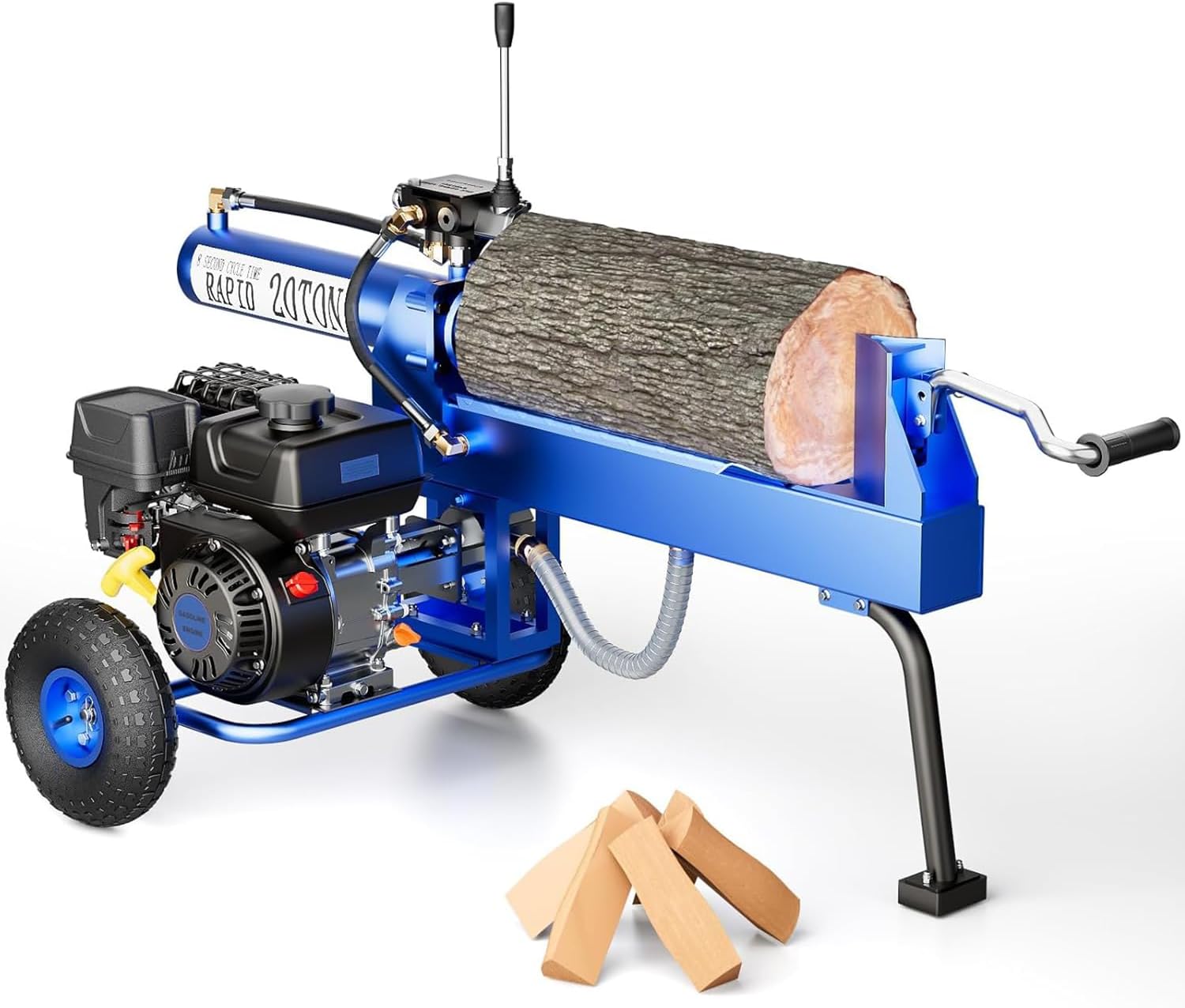
- Massive 20-ton force handles wet and dry logs up to 16 inches diameter with clean splits
- Ultra-fast 8-second cycle boosts efficiency for high-volume firewood prep
- Lightweight at 132 lbs with pneumatic tires for easy solo transport over rough terrain
- Reliable gas power works anywhere without electricity, per user feedback on tough woods like eucalyptus
- Durable steel wedge and hydraulic system built for heavy-duty backyard use
Cons
- Gas engine requires regular fuel and oil maintenance, unlike electric models
- Noisy operation typical of gas-powered tools, best used in open outdoor spaces
- Initial assembly and engine break-in take some time for first-time users
What It Is and Who It's For
This GasXcel 20-Ton Gas Log Splitter is a horizontal hydraulic powerhouse designed for splitting firewood logs up to 20 inches long and 16 inches in diameter. It's a game-changer for U.S. homeowners with wood stoves, fire pits, or homesteading setups who need reliable, cord-free wood processing in backyards, rural lots, or off-grid spots. Beginner to experienced gardeners prepping for winter will appreciate its no-fuss power.
Key Features and Real-World Performance
Powered by a 209cc 7HP 4-stroke engine, it delivers 20 tons of splitting force through a precision steel wedge, busting through knotted oak or eucalyptus in seconds. The 8-second auto-return cycle and 0.74-gallon tank run 2-3 hours straight, perfect for stacking cords of firewood without downtime. Users rave about its ability to handle tough jobs, making backyard firewood prep faster and less back-breaking.
Build Quality and Durability
At 132 lbs with ergonomic handles and 10-inch pneumatic tires, it's surprisingly mobile for rough terrain or muddy paths. The heavy-duty frame and efficient engine reduce emissions while standing up to outdoor rigors. Compact dimensions (46 x 26 x 34 inches) mean it fits in most sheds, ready for fall chores.
Limitations and Practical Tips
Gas models like this need routine maintenance like oil checks, and the noise suits open areas over quiet suburbs. It's not for tiny urban yards but shines for anyone with tree trimmings or bulk logs.
Final Verdict
If you're serious about efficient firewood for your garden fire pit or home heating, this splitter earns top marks for power and portability. Grab it for hassle-free winter prep and enjoy more time outdoors.
Quick Assembly Steps
- Attach the wheels and handles per the manual; takes about 30-60 minutes.
- Fill with gas and engine oil, then run a break-in period at low load.
- Position on level ground with logs secured in the cradle.
Safe Splitting Tips
Always wear gloves and eye protection. Start the engine away from logs, align wood straight, and let the hydraulic ram do the work. For best results, split green wood soon after cutting to avoid knots.
Process in batches: dry logs first for kindling, larger for heating. This keeps your backyard firewood stack organized and ready.
Daily and Seasonal Care
- Check oil and fuel levels before each use; change oil every 25 hours.
- Clean the wedge and hydraulic ports after wet wood sessions to prevent buildup.
- Store in a dry shed; drain fuel for winter if not in use.
Troubleshooting Common Issues
If cycles slow, bleed air from hydraulics. Sharpen the wedge occasionally for crisp splits. Proper upkeep ensures years of reliable backyard performance, just like any gas garden tool.
Backyard Applications
- Process fallen branches into mulch or fire pit fuel to tidy your lawn.
- Prep ahead for wood stoves, saving on heating bills in cooler months.
- Ideal for homesteaders turning yard waste into off-grid energy.
Storage Best Practices
Stack splits off-ground under tarps for 6 months seasoning. Aim for 18-inch pieces for easy handling in fire pits or stoves. This splitter makes building a sustainable firewood supply simple and efficient.

Pros
- Impressive power handles knotted, green wood up to 24 inches diameter with ease
- Lightweight at 90 pounds with ergonomic handle for simple yard transport
- Quick mode switching between horizontal and vertical for versatile backyard use
- Well-packaged and durable ram design resists debris buildup
- Smooth engine start and fast ram speed under light loads
Cons
- Assembly requires two people for the heavy cylinder, though doable solo with disassembly trick
- Minor drips from suction hose fitting after use, improved with better clamps
- No sight glass for hydraulic fluid level or towing hitch for longer hauls
This SuperHandy 25 Ton Log Splitter is a gas-powered beast designed for homeowners who heat with wood or enjoy backyard fire pits. With its 7HP engine and half-beam portability, it suits beginner to experienced gardeners tackling firewood from fallen branches or storm cleanup in yards up to an acre. No more mauls bouncing off knots, this splitter powers through dense oak and spongy hardwoods effortlessly.
Key Features and Real-World Performance
The 25-ton force and Bucher gear pump deliver a quick 12-second cycle, splitting logs up to 20 inches long and 24 inches wide. Users rave about its speed on knotted pieces, making quick work of piles that hand tools can't touch. The folding handle and 10-inch wheels let you roll it yard-to-yard, while horizontal/vertical conversion adapts to uneven ground or standing logs.
Build Quality and Durability
At 90 pounds, the steel wedge and cylinder clamp design shrugs off bark and dirt better than channel-style splitters. The AlphaWorks engine runs smoothly, but grease slides regularly to prevent rust during storage. Reviewers note solid packaging and professional build, holding up through cords of wood without issues.
Limitations and Practical Tips
It's not towable, so plan for manual moves, and add a return filter for heavy use. Hydraulic fluid (AW32 recommended) isn't included, and check levels often as some report needing top-offs.
Final Verdict: A top pick for backyard firewood prep, this splitter turns frustrating chores into efficient tasks. Grab it if you split a few cords yearly, store it easily, and want reliable power without bulk.
Assembly takes about an hour with the right approach. Disassemble the cylinder and slide first to lighten the load, then bolt the frame to the engine tank unit before reinstalling.
Step-by-Step Guide
- Stand the beam upright to align the cylinder hole, wiggle the bolt in place.
- Add engine oil, 2.5-3 gallons AW32 hydraulic fluid, and grease slides.
- Cycle the ram 5-10 times to prime the system before first use.
- Torque bolts per specs and check all connections for leaks.
Two people make cylinder install easier, but solo works with patience. Download manuals online if needed, and watch for included pins.
Always prioritize safety with this powerful tool. Wear gloves, eye protection, and keep body clear of logs that might pop sideways.
Key Safety Rules
- Operate on level ground, never under the beam.
- Shut off gas and let cool before maintenance.
- Check fluid levels after each session; top off as needed.
Maintenance for Longevity
- Grease ram slides after every use to prevent rust.
- Inspect hoses and add a return filter for debris protection.
- Store dry, drained if winterizing, and run dry cycles periodically.
These steps ensure years of reliable backyard service.
Perfect for processing storm-fallen branches, pruning debris, or bulk firewood for pits and stoves. Handles green or seasoned wood up to 24 inches.
Pro Tips
- Use horizontal mode for table-height splits on smaller logs.
- Vertical for big trunks to save space and effort.
- Position near wood stacks to minimize carrying.
- Ideal for 1-5 cords per season in suburban yards.
Pair with a chainsaw for full yard-to-firewood workflow.

Pros
- Starts easily on first pull and powers through 16-inch hardwood rounds effortlessly
- Well-built with quality welds and thick powder coating for durability
- Lightweight at 130 pounds with transport wheels for easy maneuvering
- User-friendly controls and fast cycle time boost efficiency
- Great value for powerful performance in a portable package
Cons
- Assembly instructions rely on diagrams with minimal text, requiring some trial and error
- Hydraulic fluid and engine oil not included, so plan to add AW32 fluid and check levels carefully
- Clear return hose can loosen under pressure, needing secure clamps for reliable operation
What It Is and Who It's For
The Landworks 20 Ton Portable Log Splitter is a horizontal gas-powered beast designed for splitting firewood logs up to 20 inches long and 16 inches thick. Powered by a reliable 7HP engine and Bucher gear pump, it's perfect for U.S. homeowners with wooded lots, fire pits, or wood-burning stoves who want to ditch the axe and maul for safer, faster wood processing.
Key Features and Real-World Performance
In the backyard, this splitter shines with its 7.5-second cycle time and auto-return ram, letting you split up to 480 logs per hour without constant repositioning. Users rave about its smooth power on dried oak and fresh red oak, slicing through without hesitation. The portable wheels make it simple to roll to your wood pile, and the control valve is intuitive for extended sessions.
Build Quality and Durability
At 148 pounds, it's sturdy yet movable, with a full beam steel wedge and heavy-duty construction that holds up outdoors. Welds and powder coating get high marks for quality, though the welded knife may need sharpening over time. Some report hydraulic line tweaks for longevity, but overall, it feels built to last multiple seasons of firewood chores.
Limitations and Tips
It's gas-only, so operate outdoors with ventilation. No fluids come included, and assembly diagrams could be clearer. Best for logs under 16 inches; larger ones may need quartering first. Always wear safety gear and stand clear of the ram.
Final Verdict
If you're tired of manual splitting and need reliable backyard firewood prep, this Landworks splitter delivers power and convenience. Grab hydraulic fluid upfront, double-check connections, and enjoy effortless wood stacks for cozy outdoor fires.
Quick Assembly Guide
- Follow diagrams to attach wheels, handle, and hydraulic lines; takes about 1 hour solo.
- Tighten all hose clamps firmly to prevent leaks on the clear return line.
- Add engine oil to the crankcase and AW32 hydraulic fluid until dipsticks read full.
Safety First
Always use eye and hand protection. Operate only outdoors with good ventilation. Stand behind the ram during splits, as halves can fly off. Shut off the engine when adjusting logs.
Initial Startup
- Fill with fresh gas, prime choke, and pull-start; idles smoothly on first try.
- Test on small logs to check fluid levels and ram stroke.
Daily Checks
- Inspect hydraulic fluid levels before each use; top off as needed to avoid foaming.
- Sharpen the steel wedge regularly for clean splits.
- Secure all hoses and fittings to prevent blow-offs.
Off-Season Storage
Drain fuel, change oil, and store in a dry shed. Cover to protect from weather. Run monthly to circulate fluids and keep seals lubricated.
Troubleshooting
If ram sticks, check for air in lines or low fluid. For engine issues, verify spark plug and fresh gas mix.
Firewood for Outdoor Living
Ideal for stocking fire pits, patios, or wood stoves. Handles oak, maple, and pine for clean-burning stacks that enhance fall backyard gatherings.
Woodlot Management
- Split storm-fallen branches into usable pieces for garden borders or mulch.
- Process small trees from clearing space for new plantings.
Yard Size Fit
Great for small to medium lots under 1 acre; portable enough for weekend warriors processing a few cords at a time.

Pros
- Powerful 20-ton force handles demanding logs with ease.
- User-friendly auto-return speeds up workflow.
- Durable flat-free tires for reliable yard mobility.
- Fuel-efficient pump for longer runtime.
- Compact build aids storage and transport.
Cons
- Hefty 147-pound weight requires two people for moving.
- Hydraulic oil not included, so plan for initial fill.
- Gas engine demands regular fuel and tune-ups.
This FULLBOAR 20 Ton Gas Log Splitter is a rugged workhorse designed for homeowners who deal with large logs from fallen trees or storm cleanup in their yards. Powered by a 209cc Full Boar engine, it delivers serious splitting force, making it perfect for beginner to experienced gardeners turning branches into neat firewood stacks for garden fire pits or winter heating.
Key Features and Real-World Performance
In the backyard, the auto-return control valve with adjustable detent shines by automatically cycling back after each split, letting you keep a steady rhythm without constant lever work. The 10.5 GPM two-stage pump ensures fast cycle times, so you process more wood in less time. The wide-angle wedge bites into logs cleanly, even on knotty pieces, while the heavy-duty push design powers through the toughest woods without bogging down.
Build Quality and Durability
Built tough with a compact integrated beam-and-tank setup, this splitter resists rust and wear from outdoor use. Flat-free tires handle gravel paths and uneven lawns reliably, and the overall steel construction stands up to years of seasonal firewood prep. At 147 pounds, it's stable during operation but needs careful handling for repositioning.
Limitations and Practical Tips
It's gas-powered, so expect some maintenance like oil checks and fuel mixing. Not suited for tiny urban lots due to its size, and hydraulic oil must be added before first use. For best results, position on level ground and wear safety gear.
Final Verdict
If you have a steady supply of logs and want to skip the back strain of manual splitting, this FULLBOAR model earns a strong recommendation for efficient backyard wood management. It transforms chore time into quality outdoor living prep.
Getting Started Safely
- Always wear gloves, eye protection, and sturdy boots before operating.
- Place on flat, stable ground away from slopes or wet areas.
- Check hydraulic fluid levels and engine oil prior to each session.
Operation Steps
- Fill with recommended hydraulic oil and fresh gas.
- Start the 209cc engine and let it warm up.
- Load logs end-first onto the beam, centering for even splits.
- Activate the auto-return valve and stand clear of the wedge path.
Pro Tip: Split green wood lengthwise first to avoid binding, and never force oversized logs.
Daily Care
- Wipe down the wedge and beam after use to remove sap and debris.
- Run the engine briefly to circulate hydraulic fluid.
Seasonal Upkeep
- Change engine oil and filter per manufacturer intervals.
- Inspect tires, hoses, and valves for wear.
- Store in a dry shed; drain fuel if unused for months.
Winter Storage: Cover loosely and elevate tires to prevent flat spots. Regular checks keep it ready for spring yard cleanups.
Stacking for Your Backyard
- Aim for 3-4 foot high stacks in an A-frame to shed rain.
- Space piles 6 inches off ground on pallets for airflow.
- Locate near patio but away from garden beds to deter pests.
Best Wood Choices
Season oak or maple from this splitter for hot, long-burning fires. Split to 16-18 inch lengths for standard pits.
Gardener's Hack: Use smaller splits as mulch around trees to retain moisture and suppress weeds.

Pros
- Reliable 7 HP engine starts easily and delivers consistent power
- Sturdy construction holds up to repeated outdoor use
- Quick cycle and towable mobility make it practical for yard work
- Includes oils and straightforward setup for immediate use
- Excellent for processing cords of wood efficiently
Cons
- Assembly requires two people due to heavy components
- Loud operation calls for hearing protection
- Occasional hydraulic or starting issues may need minor troubleshooting
What It Is and Who It's For
The BILT HARD 20-Ton Gas Log Splitter is a robust hydraulic machine powered by a 7 HP OHV engine, designed to split logs up to 21 inches long with ease. It's perfect for homeowners, small farm owners, or avid gardeners with wooded backyards who regularly process fallen branches or prepare firewood for winter heating and outdoor fire pits.
Key Features and Real-World Performance
In the garden, this wood splitter shines during cleanup after storms or pruning sessions. The 20-ton splitting force and 7-second cycle time mean you power through stacks of hardwood like ash or locust without breaking a sweat. Towable up to 25 MPH with sturdy pneumatic tires, it moves effortlessly between wood piles and storage areas on your property.
Build Quality and Durability
Built with a heavy-duty two-stage gear pump and steel wedge, it withstands rugged outdoor conditions. Users praise its sturdiness for handling over two cords of wood, though the 278-pound frame demands care during setup. The hydraulic system comes partially filled, needing just 2.5 gallons more oil for operation.
Limitations and Practical Tips
It's loud, so wear ear protection, and assembly benefits from a helper. Some report stiff hoses or rare starting hiccups, often fixed with simple air-bleeding steps. Not ideal for tiny urban lots due to size.
Final Verdict
If you split wood often, this log splitter transforms a backbreaking chore into a quick task, freeing time for planting and enjoying your garden. A solid choice for reliable backyard firewood processing.
Step-by-Step Assembly Tips
Plan for 1-3 hours with a helper for lifting the beam onto wheels. All hardware is included, and an online video matches clear instructions.
- Attach the base frame and wheels first for stability.
- Mount the engine and hydraulic cylinder, watching for O-rings on hoses.
- Install the convertible tow bar and steel wedge last.
- Add 2.5 gallons of hydraulic oil and engine oil as specified.
Initial Start-Up
Bleed air from hydraulics if the pull cord resists. Prime the engine and expect 1-2 pulls for startup. Test on small logs before big loads.
Daily and Seasonal Care
Keep it running smoothly with these gardener-friendly routines to extend life outdoors.
- Check hydraulic fluid levels before each use and top off as needed.
- Clean the wedge and log tray after sessions to prevent buildup.
- Change engine oil after 20 hours; store fuel stabilizer in the tank.
- Winterize by draining fluids and covering in a dry shed.
Troubleshooting Common Issues
Stiff hoses? Warm them gently. Hard starts? Bleed pressure and check spark plug. Inspect gaskets regularly for leaks.
Essential Safety Rules
Prioritize safety to enjoy worry-free splitting in your backyard.
- Wear gloves, eye protection, and earplugs; keep bystanders clear.
- Position logs securely and never force oversized pieces.
- Operate on level ground; chock wheels when stationary.
Firewood Tips for Gardens
Split to 16-18 inches for efficient stacking. Season wood 6-12 months under cover near your garden for pest-free burning.
Best Gas Log Splitters Buying Guide
Splitting Force
The splitting force, measured in tons, determines how easily your Best Gas Log Splitters can handle tough, knotty hardwoods like oak or maple common in many backyards. For casual gardeners splitting softer woods like pine for occasional fires, 20-ton models suffice. Heavier duties, such as processing storm-fallen trees, call for 30-ton or higher capacities to avoid bogging down mid-split.
Consider your typical log size: most Best Gas Log Splitters manage diameters up to 16-24 inches. Look for models with hardened steel wedges, like those on the SuperHandy or BILT HARD splitters, which penetrate without dulling quickly. In practice, higher tonnage means fewer stuck logs, saving you frustration during long sessions.
Tip for gardeners: Match tonnage to your wood type. Test on a mix of green and seasoned logs to ensure consistent performance without excessive fuel use.
Engine Power and Cycle Time
Engine specs, from 7HP 209cc to powerful 13HP 389cc units, drive the hydraulic ram’s speed. A good cycle time under 12 seconds, as seen in Landworks or GasXcelGasPowered models, lets you process hundreds of logs per hour. This efficiency shines when prepping for winter, turning a weekend chore into an afternoon task.
Opt for OHV engines for better fuel economy and lower emissions, ideal for eco-conscious gardeners. Features like auto-return rams, standard on FULLBOAR and SuperHandy splitters, retract the wedge automatically, reducing manual adjustments and operator fatigue.
| Engine Size | Typical Cycle Time | Best For |
|---|---|---|
| 7HP 209cc | 7-10 seconds | Small-medium piles |
| 10HP 301cc | 11-16 seconds | Large logs |
| 13HP 389cc | 16 seconds | Heavy duty |
Portability and Towing
Gas Best Gas Log Splitters shine in portability over electric models, with features like 10-16 inch wheels and tow hitches for ATV/UTV use. Towable designs from BILT HARD, with 2-inch ball couplers and safety chains, let you haul to remote garden edges or woodlots at up to 45 MPH.
For backyard gardeners, lightweight horizontal models under 150 lbs, such as the SuperHandy Portable 20 Ton, maneuver easily by hand. Vertical/horizontal convertible beams add versatility, letting you split standing logs without heavy lifting, protecting your back during yard work.
Pro tip: Pair with chainsaws from our outdoor power tools selection for full tree-to-firewood workflow. Check tire type, like pneumatic or flat-free, for muddy garden paths.
Build Quality and Durability
Look for full-beam or H-beam construction to minimize flex under load, as in FULLBOAR’s heavy-duty designs. Steel wedges and integrated reservoirs protect against debris, common when splitting garden trimmings mixed with dirt.
Two-stage gear pumps from Bucher, featured in SuperHandy and Landworks, ensure smooth, reliable hydraulics. Hydraulic filters inside reservoirs prevent clogs from wood chips, extending life for seasonal use.
Safety and Ease of Use
Safety starts with controls: auto-return valves and shut-off switches prevent accidents. Always wear gloves and eye protection, and operate outdoors for ventilation, as these gas units produce fumes.
User-friendly levers and ergonomic handles, like on BILT HARD models, suit gardeners of all strengths. Many include assembly videos for quick setup right in your driveway.
For more tools to maintain your yard, explore our Outdoor Power Tools category.
Fuel and Maintenance Needs
4-stroke engines run cleaner with standard gas, no mixing required. Capacities vary, but larger tanks support longer sessions. Use AW32 hydraulic fluid (often not included) and check levels regularly.
Low-oil shutdowns protect engines, crucial for occasional gardeners. Winterize by draining fluids to prevent freezing in cold storage sheds.
Why You Should Trust Us
We at New York Garden specialize in practical reviews for gardeners and homeowners, analyzing specs, user feedback, and real-world applicability without personal testing claims. Our focus is on U.S. backyard scenarios, from small urban lots to rural properties, ensuring recommendations fit your lifestyle.
Transparency drives us: we evaluate based on manufacturer data, verified features, and gardener needs like portability for tight spaces. Paired with our Log Splitters category page, you get honest, actionable insights for confident buys.
Final Thoughts
After reviewing these 12 options, the BILT HARD 40-Ton Gas Powered Log Splitter stands out as our best overall pick. Its massive 389cc engine, dual horizontal/vertical operation, and fast cycling handle the toughest jobs effortlessly, ideal for gardeners with large wood piles or frequent use. The towable design gets it where you need it in your yard.
For best value, go with the SuperHandy Log Splitter Portable 20 Ton. Lightweight at 130 lbs with rapid auto-return and a reliable 7HP engine, it punches above its weight for casual splitting of up to 16-inch diameter logs, perfect for weekend warriors prepping backyard firewood.
The Landworks Log Splitter Portable 20 Ton earns best for small backyards thanks to its compact horizontal beam, sturdy wheels, and efficient 7.5-second cycle. Gardeners in tighter spaces appreciate its easy setup and maneuverability without sacrificing power on everyday branches and logs.
FAQs
Do I need a Best Gas Log Splitters for small logs?
Not always, but for efficiency yes. A 20-ton Best Gas Log Splitters like the GasXcelGasPowered model handles 20×16-inch logs in seconds, saving time over axes for gardeners with modest needs in 2026.
How do gas Best Gas Log Splitters compare to electric ones?
Gas models offer more power and portability without cords, suiting outdoor garden work. They provide consistent force for knotted wood, though require ventilation unlike quieter electrics.
Can I tow a Best Gas Log Splitters with an ATV?
Yes, many like BILT HARD and FULLBOAR feature 2-inch hitches and DOT tires for safe towing up to 45 MPH. Ensure proper chains and check local road rules for garden transport.
What maintenance do Best Gas Log Splitters need?
Regularly check oil, hydraulic fluid, and clean the wedge. Store dry in off-seasons. Models with internal filters, like FULLBOAR, simplify upkeep for busy gardeners.
Are Best Gas Log Splitters safe for beginners?
Absolutely, with auto-return and simple controls on picks like SuperHandy. Follow manuals, use PPE, and start with smaller logs to build confidence in your 2026 firewood routine.





Write Your Review
No reviews yet. Be the first to share your experience!