

Are you ready to give your plants a sturdy, weather-resistant home in the backyard? Best Garden Houses With Gable Roof are perfect for gardeners who want to extend the growing season, protect seedlings from frost, and create a dedicated space for herbs, veggies, or flowers. With gable roofs that shed rain and snow efficiently, these structures keep your garden thriving no matter the weather. In this guide updated for 2026, we highlight 10 options that balance durability, ventilation, and ease of use for American lawns and patios.
Whether you have a small balcony or a spacious yard, a garden house with a gable roof can transform how you care for your plants. It traps warmth in cooler months while allowing airflow to prevent mold. We focus on practical features like adjustable vents and stable frames that real gardeners need. If you’re expanding your outdoor setup, explore our tiny house kits for more inspiration.
Featured Products

Pros
- Effortless no-drill installation boosts setup speed by 40% for busy homeowners
- Impact-resistant panels safer around kids and pets than glass alternatives
- Generous 80 sq ft space fits multiple shelves for herbs, tomatoes, or seedlings
- Rust-free charcoal black frame resists scratches and stays looking sharp outdoors
Cons
- 77-inch height may feel low for taller gardeners needing to stand fully upright
- 100-pound weight requires two people for safe assembly and positioning
- Fixed size best for medium yards, not ideal for expansive commercial setups
This FLY BY YAN 8x10 FT walk-in greenhouse is a solid choice for U.S. homeowners wanting to shield plants from harsh weather while maximizing backyard space. Measuring 119 by 97 by 77 inches with an 80-square-foot footprint, it suits beginner vegetable gardeners or flower enthusiasts in suburban yards looking to extend their season.
Key features shine in real gardens: the unique slide-in panel system assembles in three steps without cutting or drilling, complete with wrench and gloves. Double-wall polycarbonate panels offer superior insulation and diffused light for even growth, while the aluminum frame and fittings provide wind-resistant stability. Roof vents and a lockable door ensure proper airflow, crucial for preventing overheating or humidity issues.
Build quality impresses with 720g/m² panels that won't shatter like glass, plus UV protection for long-term use. It handles rain, snow, and gusts well, thanks to reinforced structure and gutters. In everyday backyard scenarios, it protects tender seedlings from early frosts or late chills, boosting your harvest.
Limitations include the standing height, which works for most but not very tall users, and the need for help lifting panels. Overall, it's a practical, durable polycarbonate greenhouse for reliable outdoor gardening. We recommend it for anyone serious about year-round growing in a walk-in design.
Setting up your FLY BY YAN walk-in greenhouse is straightforward with its quick-install system. Choose a level spot in your backyard with 6-8 hours of sun, away from trees that drop debris.
- Step 1: Lay the base frame and connect aluminum poles using the provided fittings, no drilling needed.
- Step 2: Slide polycarbonate panels into place and secure with clips for a tight fit.
- Step 3: Install doors, vents, and gutters; test airflow before adding plants.
Anchor to ground stakes for extra stability in windy areas. Add shelves inside for vertical space maximization.
Use this greenhouse to start seeds indoors in late winter, then transition to veggies like tomatoes and peppers as spring warms up. Its insulation keeps nights cozy for herbs year-round.
- Monitor vents daily to control humidity and avoid fungal issues.
- Position heat mats under trays for germination in cool months.
- Grow cool-season crops like lettuce inside during summer heat waves.
- Clean panels regularly for maximum light diffusion and plant health.
Perfect for overwintering perennials or forcing bulbs early for stunning backyard blooms.
Keep your polycarbonate greenhouse thriving with simple upkeep. Rinse panels with mild soap and water twice a year to maintain clarity and UV protection.
- Inspect frame for loose fittings after storms and tighten as needed.
- Lubricate door tracks annually for smooth operation.
- Clear gutters of leaves to prevent water buildup.
- Store gloves and wrench inside for quick access.
This rust-free design requires minimal effort, staying solid through seasons.

Pros
- Innovative automatic venting system simplifies temperature management
- Premium cedar and polycarbonate build for superior durability outdoors
- Spacious design accommodates diverse plants and storage needs
- Strong anchoring for wind and snow resistance
- Convenient hooks and lockable door enhance usability
Cons
- Assembly requires significant time and possibly two people due to 242-pound weight
- Large 6x12 ft footprint may not suit very small yards
- Manual vent option adds flexibility but initial setup can be complex
The Aoxun 6x12 FT Wooden Greenhouse is a walk-in kit designed for backyard gardeners who want to protect plants from frost, pests, and extreme weather. Measuring 144 inches long by 71 inches wide and 83 inches high, it suits homeowners with medium to large yards looking to start seeds early or grow tender veggies year-round.
Key features shine in real-world use: the roof vent with dual rods auto-opens at 35°C and closes at 10°C, while a manual rod lets you fine-tune airflow. Polycarbonate panels block harmful UV rays and scatter light softly, mimicking natural conditions for better seedling growth. An extra vent ensures circulation even when the main one is shut.
Built from premium cedar wood, this greenhouse resists insects and distortion, backed by anchors for snow loads up to 6 inches and winds to 70 mph. Hooks inside hold heavy items securely, making it versatile for propagation or storage.
Limitations include the hefty assembly process and space demands, so plan your yard layout carefully. Overall, it's a solid choice for dedicated gardeners seeking a sturdy, feature-packed structure to boost outdoor productivity.
Verdict: Highly recommend for those ready to invest in a reliable backyard greenhouse that delivers on protection and convenience.
Choose a level spot in your backyard with good drainage and southern exposure for maximum light. Lay out all cedar panels and polycarbonate sheets before starting.
- Unpack and organize hardware: anchors, bolts, hooks, and vent rods come included for easy access.
- Assemble the base frame first using expansion bolts for stability, then attach uprights and roof structure.
- Insert polycarbonate panels into grooves carefully to avoid cracks; they snap in securely.
- Install the automatic vent rod on one side and manual on the other, testing the mechanism before finalizing.
- Secure with stakes and test the lockable door. Two people make lifting the 242-pound frame simpler.
Full setup takes a weekend; follow instructions closely for best results.
This spacious greenhouse excels with plants needing protection from cool nights or intense sun. Focus on varieties that thrive in controlled humidity and light.
- Vegetables: Tomatoes, peppers, lettuce, and cucumbers for extended harvests.
- Herbs: Basil, mint, and parsley grow vigorously with steady warmth.
- Flowers: Orchids, succulents, and annuals like petunias for colorful displays.
- Seedlings: Start broccoli, eggplant, and flowers early in spring.
Use the hanging hooks for vining plants or lights to optimize space. Monitor vents to keep temps ideal for tender growth.
Keep your wooden greenhouse thriving year-round with simple routines tailored to weather changes.
- Spring/Summer: Clean panels with mild soap to maintain light transmission; check vents for smooth operation.
- Fall: Inspect cedar frame for cracks and re-anchor if needed before winds pick up.
- Winter: Clear snow from roof promptly; use the vents for airflow to prevent mold on stored tools.
- Regularly tighten bolts and lubricate door locks for longevity.
A quick monthly check preserves its insect-resistant qualities and stability.

Pros
- Exceptional stability from triangular metal reinforcements and premium cedar frame
- High-quality PC panels provide insulation and ample diffused light for plants
- Four adjustable vents offer customizable airflow for optimal plant health
- Spacious 6x10FT design with standing height for comfortable gardening
- Built-in roof hooks maximize vertical space for hanging plants
Cons
- Requires a level surface for stable installation in uneven backyards
- Wood frame may need periodic sealing to maintain longevity in wet climates
- Larger footprint suits medium to large yards, not tiny urban spaces
This Soligel 6x10FT wooden walk-in greenhouse is a solid choice for U.S. homeowners wanting to nurture plants through changing seasons. Measuring about 10 feet long by 6 feet wide with over 7 feet of headroom, it suits beginner to experienced gardeners with medium-sized backyards who grow vegetables, flowers, or herbs.
Key features shine in real-world use: the cedar frame with metal reinforcements holds firm against wind and rain, while multi-layer polycarbonate panels diffuse light beautifully and block harmful UV rays. Adjustable vents on all sides let you control airflow, preventing overheating on sunny days and keeping humidity in check for healthier plants.
Build quality feels premium, with pre-assembled parts speeding up setup. It's durable for outdoor patios or gardens, offering insulation to start seeds early or overwinter perennials. The interior space maximizes efficiency with hooks for hanging pots, making daily chores straightforward.
Limitations include the need for a flat, prepared site and some effort to seal the wood against moisture. Overall, it's a practical investment for thriving backyard gardens; pair it with shelving for a productive setup that boosts your outdoor living.
Choose a sunny, level spot in your backyard with good drainage to anchor the frame securely. Assemble the base first, then attach panels and vents using provided hardware for stability.
- Pre-drill holes in cedar to avoid splitting.
- Use sand or gravel to level the ground if needed.
- Secure with stakes or concrete for windy areas.
Test vents right after setup to ensure smooth adjustment for airflow.
Ideal for cool-season crops like lettuce, spinach, and tomatoes, plus flowers such as geraniums and petunias that thrive with protection.
- Start seeds early for extended harvests.
- Hang trailing plants from roof hooks to save floor space.
- Use tiers for herbs and strawberries.
Monitor temperature to mimic outdoor conditions gradually for strong growth.
Clean panels gently with mild soap to maintain light transmission. Seal cedar annually with weatherproof finish to prevent rot.
- Check vents and hinges seasonally for smooth operation.
- Insulate further in winter with bubble wrap if needed.
- Remove debris to avoid pest buildup.
Store tools inside to keep your greenhouse multifunctional.

Pros
- Sturdy spruce frame and metal roof hold up well in rain with no leaks reported
- Visual instructions make assembly doable for DIY gardeners with helpers
- Elegant black and natural wood finish elevates any patio or garden aesthetic
- Corrosion-resistant screws ensure long-term durability in humid climates
Cons
- Assembly requires 2-4 people and a full day, not a solo quick setup
- Hollow posts may crack under extreme wind over 45 mph
- Picture-only instructions can confuse first-time builders
This LUXOAK 13x15 FT wood gazebo is a rectangular hardtop pergola built from spruce wood with a steel gable roof, perfect for U.S. homeowners wanting a sturdy outdoor retreat on patios, porches, or gardens. It suits beginner to experienced gardeners who need shaded space for entertaining, hot tub covers, or plant displays without complex builds.
Key features shine in real gardens: the robust spruce beams and pillars provide stability when anchored to concrete, while the wind and rain-resistant design passes load tests for everyday weather. Users praise its leak-proof roof during heavy rains and top iron beams ideal for string lights or hanging baskets, turning it into a cozy backyard hub.
Build quality feels solid with fumigation-certified wood and salt-spray tested screws, though posts are hollow for affordability. It weighs in heavy for stability but demands careful handling. Durability holds up outdoors, resisting corrosion and offering UV protection.
Limitations include challenging assembly for novices and vulnerability in high winds without extras like guy wires. Picture instructions help but lack detail.
Overall, a smart pick for medium backyards seeking reliable shade and style; add concrete bases for extra strength and enjoy your new garden escape.
Plan for 2-4 helpers, a sturdy ladder, cordless drill with torque control, and mortar bits. Lay out all pieces first to match visuals.
- Build posts and roof on the ground before lifting to avoid mishaps.
- Anchors require pre-drilled concrete; use expansion screws for secure hold.
- Assemble roof sections carefully, as they are the trickiest part.
- Raise on cinder blocks if keeping wood off damp ground for longevity.
Expect 7-11 hours total; patience pays off for a level, wobble-free result.
Keep your gazebo thriving with simple care suited to garden life.
- Seal wood annually with outdoor stain to boost water resistance.
- Inspect screws and joints post-storms; tighten as needed.
- In high winds, add guy wires or braces for reinforcement.
- Clear debris from roof to prevent moisture buildup.
- Store in winter if possible, or cover loosely to shield from snow.
Fumigated spruce resists pests naturally, but check for cracks and contact seller promptly.
Maximize this 13x15 gazebo in your backyard setup.
- Center on patios for dining tables seating 8, with room for grills nearby.
- Flank garden paths as an entry arbor, draping with climbers like clematis.
- Use over hot tubs or play areas for shaded protection.
- Pair with raised beds underneath for a potted herb station.
Fits yards 30x40 feet best; measure clearance for 9-foot height.

Pros
- Easy tool-free assembly in under 30 minutes with a rubber mallet for snug fits
- Durable PE cover resists UV, water, and low temperatures for season-long use
- Unique double-layer roof vents heat and lets in rain for healthier plants
- Sturdy steel frame with fixing buckles prevents wobbling even in breezy yards
- Generous shelf capacity handles seed trays and small pots up to 22lbs each
Cons
- Shelves feel flimsy under heavy loads and may need extra clips for security
- Bottom pockets are small, requiring creative weighting in high-wind areas
- Some poles fit loosely, needing careful tapping during assembly
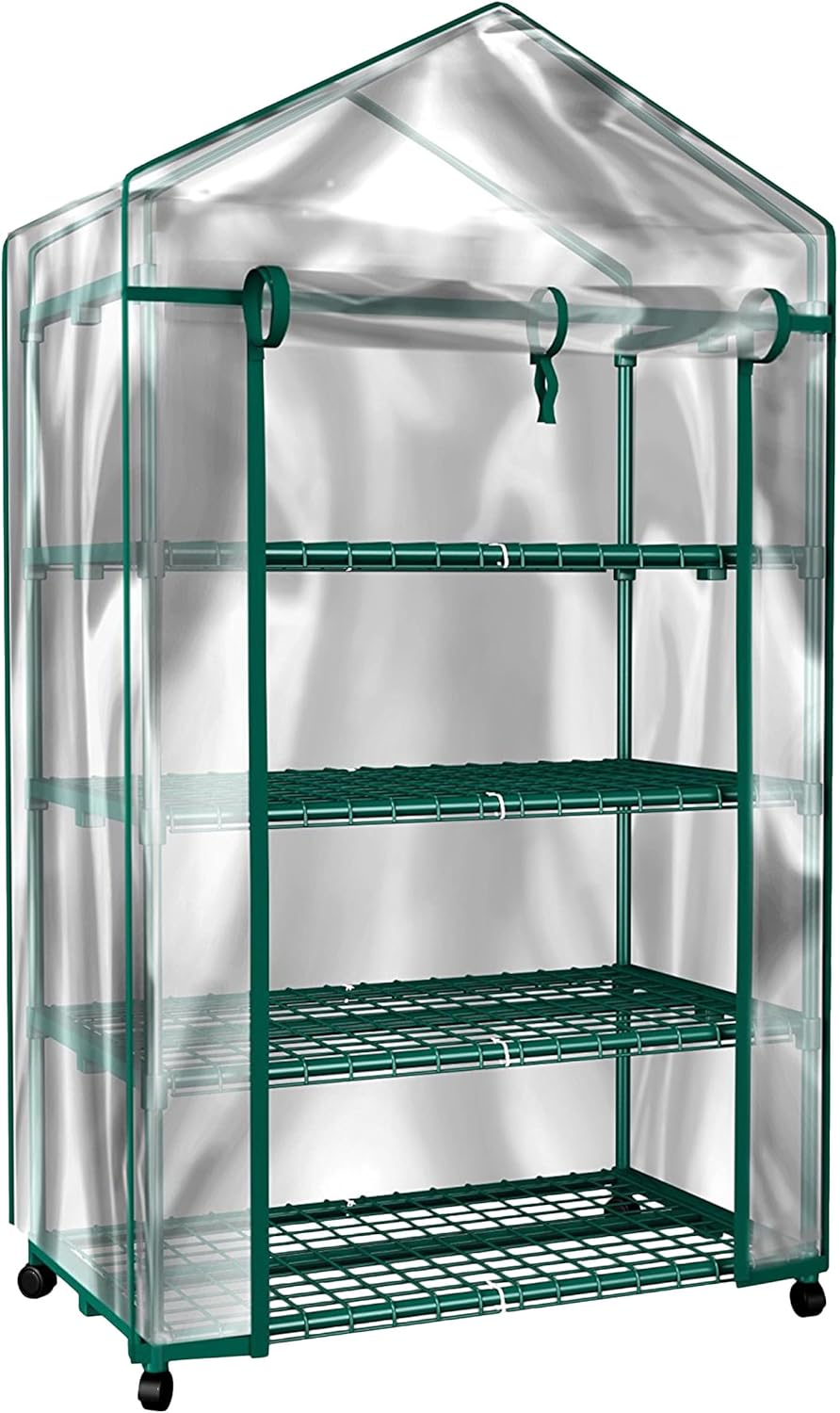
The Ohuhu 4-tier mini greenhouse is a compact 30x20x62-inch portable shelter perfect for small-space gardeners, beginners nurturing seedlings, or anyone extending the growing season on patios, balconies, or porches. It creates a protected microclimate that keeps out frost, heavy rain, and pests while allowing light and ventilation for thriving plants.
Key features shine in real gardens: the screen roof zips open for airflow and rain access, preventing overheating on sunny days, while the large zippered door simplifies watering and inspections. Four shelves offer ample space for seed trays, herbs, or veggies, and a top hanging rod lets you add grow lights for indoor use. Stability comes from weighted bottom pockets, rust-resistant steel poles, and patented buckles that minimize wobble.
Built with a tough PE cover and electrophoresis-treated frame, it holds up outdoors through seasons, though gardeners in windy spots note the need for extra anchors. Shelves support lighter loads best, suiting seedlings over mature pots. Assembly is straightforward without tools, but a mallet helps secure joints.
Overall, this mini greenhouse delivers reliable protection and convenience for everyday gardeners. Ideal if you want to grow earlier without a big investment; pair it with seed-starting mix for best results on your backyard patio.
Assemble this mini greenhouse on a flat surface in its final spot to avoid disassembly hassles. No tools needed, but grab a rubber mallet for tight connections.
- Build shelf layers first by tapping metal rods into plastic connectors evenly.
- Stack shelves on vertical poles, securing each level.
- Add roof frame last, tapping gently near verticals.
- Clip wire shelves with provided fasteners (add extras if needed).
- Slide on the unzipped cover and tie securely; fill bottom pockets with rocks or sand.
Double-check joints for snugness to prevent loose poles during moves.
Use this portable greenhouse to start veggies, flowers, and herbs weeks ahead. Place on a sunny porch for natural light, or hang grow lights from the top rod inside.
- Seedlings: Bottom shelves for trays of tomatoes, peppers; top for taller growth.
- Overwintering: Protect tender perennials from frost with zipped cover.
- Ventilation: Open screen roof on warm days to avoid damping off.
- Watering: Zipper door allows targeted misting; keep soil moist but not soggy.
Monitor temperature to stay between 65-75°F for robust sprouts ready for your garden beds.
Keep your mini greenhouse lasting seasons with simple care. Wipe PE cover with mild soap; avoid harsh chemicals.
- Store disassembled in a dry shed during off-seasons; poles detach easily.
- Check zippers and seams yearly for wear; reinforce with tape if needed.
- In wind-prone yards, use guy lines or larger weights beyond pockets.
- File any sharp shelf edges for safety around kids or pets.
Rust-resistant frame needs no special treatment, but dry thoroughly after rain.

Pros
- Sturdy build holds up well once assembled, even in wind and storms
- Excellent plant protection from cold, rain, and excessive sun
- Good ventilation with roof vent keeps air circulating for thriving plants
- Surprisingly spacious for walking in and tending to multiple trays
- Clear panels allow maximum sunlight for strong growth
Cons
- Assembly can be tricky in windy conditions and often needs two people
- Instructions are vague, requiring careful part organization
- Roof vent has small gaps that may allow some drafts
This 6x6 FT walk-in greenhouse from FLY BY YAN is a solid choice for gardeners with limited backyard space who want to start seeds early, overwinter tender plants, or shield veggies from unpredictable weather. Measuring about 67x67x77 inches, it offers enough room to stand comfortably and organize pots or shelves, making it perfect for urban homeowners or beginners dipping into season extension.
Key features shine in real gardens: the slide-in polycarbonate panels and aluminum frame go up faster than traditional kits, with many users finishing in 5-10 hours. The UV coating filters harmful rays while letting in diffused light for even growth, and the roof vent helps regulate temperature on hot days, preventing leggy seedlings or fungal issues common in stuffy spaces.
Build quality impresses with thick 720g/m² panels that resist cracking and a rust-proof frame that withstands elements. Once anchored, it stays put through storms, protecting plants like tomatoes and herbs effectively. The lockable door adds security against critters.
Limitations include challenging assembly if windy or solo, plus minor vent gaps that might need sealing tape for ultimate airtightness. It's not for huge plots but excels in compact setups.
Overall, this greenhouse delivers reliable performance for everyday gardening. If you have a small yard and want sturdy protection without complexity, grab it and watch your plants flourish.
Follow these steps for smoother setup in your backyard:
- Lay out all parts and remove protective films from both sides of panels before starting.
- Choose a calm day and level the ground first with gravel or blocks for stability.
- Assemble frame base completely and anchor immediately with stakes or weights.
- Enlist a helper for panels and roof; loosen cams if pieces resist, then tighten.
- Organize by instruction steps to avoid confusion, even if diagrams are basic.
Users report 5-10 hours total, faster with prep.
Maximize your 30 sq ft space with these garden favorites:
- Seedlings like tomatoes, peppers, and lettuce for early starts.
- Herbs such as basil, mint, and parsley that love consistent warmth.
- Overwinter perennials, citrus dwarfs, or tropicals in colder months.
- Strawberries and flowers for compact, high-yield setups.
Use shelves for vertical growing; open vent on sunny days to avoid 90°F+ heat. Monitor humidity to keep plants vigorous.
Keep it thriving year-round:
- Clean panels gently with soapy water and soft cloth to maintain light transmission.
- Check anchors and frame connections seasonally for looseness.
- Seal vent gaps with weatherstripping if drafts bother sensitive plants.
- Store disassembled in off-season or cover frame to prevent corrosion.
- Prop door open periodically for airflow to deter mold.
Regular care ensures decades of use in your outdoor garden.

Pros
- Ample walk-in space for easy access and tending to plants without bending over
- Sturdy reinforced frame holds up well outdoors once assembled
- Polycarbonate panels provide good insulation and light diffusion for plant growth
- Versatile 3-in-1 design works as greenhouse, nursery, or storage shed
- Modular shelves customize interior for different gardening needs
Cons
- Assembly instructions rely heavily on pictures with limited text, making roof setup tricky for some
- Door hinges and locks feel flimsy and may need upgrades for frequent use
- Roof vent mechanisms can be fragile in strong winds
The U-MAX 6x7 FT walk-in wood greenhouse offers a practical solution for U.S. homeowners wanting to shield plants from frost, pests, and harsh weather. Measuring 65 inches wide by 79.5 inches deep and 82.7 inches tall, it provides generous room for seedlings, veggies, or perennials, making it perfect for backyard gardeners with limited space who want to extend their growing season.
Key features like the adjustable roof vent help regulate temperature and humidity, crucial for preventing fungal issues on tomatoes or herbs. The 13 modular U-shaped shelves support heavy pots, while roof hooks let you hang baskets to optimize space. Polycarbonate panels diffuse light evenly, promoting strong growth, and the reinforced fir wood frame with metal plates adds stability against wind and snow loads common in many regions.
Build quality is solid for the frame, but user feedback highlights challenges with assembly, especially the roof, due to vague instructions. Door hardware also draws criticism for lacking sturdiness. On a level foundation like pavers over gravel, it performs well outdoors. Durability seems promising short-term, though long-term exposure may test the hinges and vents.
Overall, this backyard greenhouse earns a spot for practical gardeners seeking affordable plant protection. Pair it with a solid base and reinforce weak points for best results; it's a smart pick for starting your garden oasis without breaking the bank.
Plan for 5-7 hours with a helper to assemble the U-MAX greenhouse. Unpack all three boxes and sort pieces first.
- Build on a level foundation like 12x12 pavers over gravel and sand to prevent wobbling.
- Follow pictures closely but add your own notes for roof alignment; pre-drill if screws strip.
- Install black brackets inward for a cleaner look.
- Upgrade door locks and hinges right away for security.
- Test vent adjustments before planting to ensure smooth operation.
Secure tightly against wind by anchoring the base.
This spacious walk-in greenhouse excels for cool-season crops and tender perennials in your backyard.
- Seedlings: Tomatoes, peppers, and eggplants start strong with diffused light.
- Herbs: Basil, mint, and cilantro thrive in controlled humidity.
- Veggies: Lettuce, spinach, and climbing beans use shelves efficiently.
- Flowers: Succulents, orchids, or overwintered tropicals stay protected.
- Hanging: Strawberries or ivy on roof hooks maximize space.
Ventilate daily to avoid overheating; ideal for beginner vegetable gardeners.
Keep your wood greenhouse thriving year-round with simple care.
- Clean polycarbonate panels with mild soap to maintain light transmission.
- Inspect frame for moisture damage; apply sealant to fir wood annually.
- Secure vents and door in storms; add braces if needed.
- Winterize by insulating base and reducing ventilation.
- Store tools inside to prevent rust on metal parts.
Regular checks ensure it withstands snow and rain effectively.

Pros
- Polycarbonate panels maximize sunlight and heat retention for optimal plant growth
- Adjustable shelves and openable roof offer flexible ventilation and storage
- Sturdy fir wood frame with stability features holds up well outdoors
- Single hinged door with magnetic catch and latch ensures secure, easy access
- Water-resistant design with drainage helps withstand weather exposure
Cons
- Narrow 23.8-inch depth limits space for larger plants or extensive setups
- Assembly required with three separate packages may take time and effort
- Heavy weight makes positioning challenging without help
The MCombo 0826 Wooden Greenhouse is a compact walk-in model measuring 44.7 inches wide by 80.3 inches tall, crafted from polished fir wood with durable polycarbonate panels. It suits homeowners with small to medium backyards who want to shield tender seedlings, herbs, or overwinter perennials from frost while organizing garden tools.
Key features shine in real-world gardening: the openable roof vent lets you regulate airflow to prevent mold and overheating, while two adjustable shelves customize storage for pots of varying heights. Polycarbonate panels allow maximum sunlight penetration and superior heat retention compared to glass, helping germinate seeds months ahead of outdoor planting.
Build quality impresses with reinforced metal brackets, anti-fall devices, and adjustable feet for leveling on uneven ground. The rustic natural finish weathers gracefully, and magnetic catches plus a reliable door latch keep everything secure. It's water-resistant with drainage grooves, but pair it with a solid base for longevity in rainy areas.
Limitations include the shallow depth, which works best for slim setups rather than bushy plants, and required assembly that demands basic tools and patience. Overall, this greenhouse delivers reliable performance for extending your season; we recommend it for beginner gardeners seeking an affordable entry into protected growing.
Position your MCombo greenhouse in a sunny spot with morning sun to avoid scorching delicate plants. Use the adjustable feet to level on grass or soil, then secure with included metal brackets for wind resistance.
- Assemble frame first, then attach panels and shelves per instructions.
- Add a gravel base under the floor planks to improve drainage and deter pests.
- Seal joints with weatherproof caulk for extra protection against moisture.
Test the roof vent mechanism early to ensure smooth operation during growing peaks.
This tall design excels for starting cool-season crops and protecting heat-lovers. Focus on ventilation to mimic natural conditions.
- Tomatoes, peppers, and eggplants for early transplants.
- Herbs like basil and cilantro for year-round freshness.
- Overwinter citrus, figs, or tropicals in colder zones.
- Seedlings of lettuce, spinach, and flowers for quick succession planting.
Monitor humidity with the openable roof to prevent fungal issues on dense foliage.
Keep your fir wood greenhouse thriving with simple routines. Wipe polycarbonate panels monthly with mild soap to maintain light transmission.
- Inspect and tighten brackets seasonally for stability.
- Apply wood preservative annually to protect against weathering.
- Clean vents and drainage grooves to avoid clogs.
- In winter, prop roof open slightly for air circulation if storing empty.
Avoid harsh chemicals that could damage the natural finish.
Pros
- Excellent ventilation with hinged roof for better plant health and easy care
- Lightweight and movable, great for small spaces or temporary setups
- Insulates well against cold snaps, boosting veggie yields per user feedback
- Spacious inner planting area for multiple herbs or salad greens
- Affordable entry into greenhouse gardening without full structure commitment
Cons
- Fir wood frame is soft and prone to splitting during assembly without pilot holes
- Build quality feels basic, may not withstand years of harsh weather
- Assembly instructions vague, taking 1-2 hours even for experienced builders
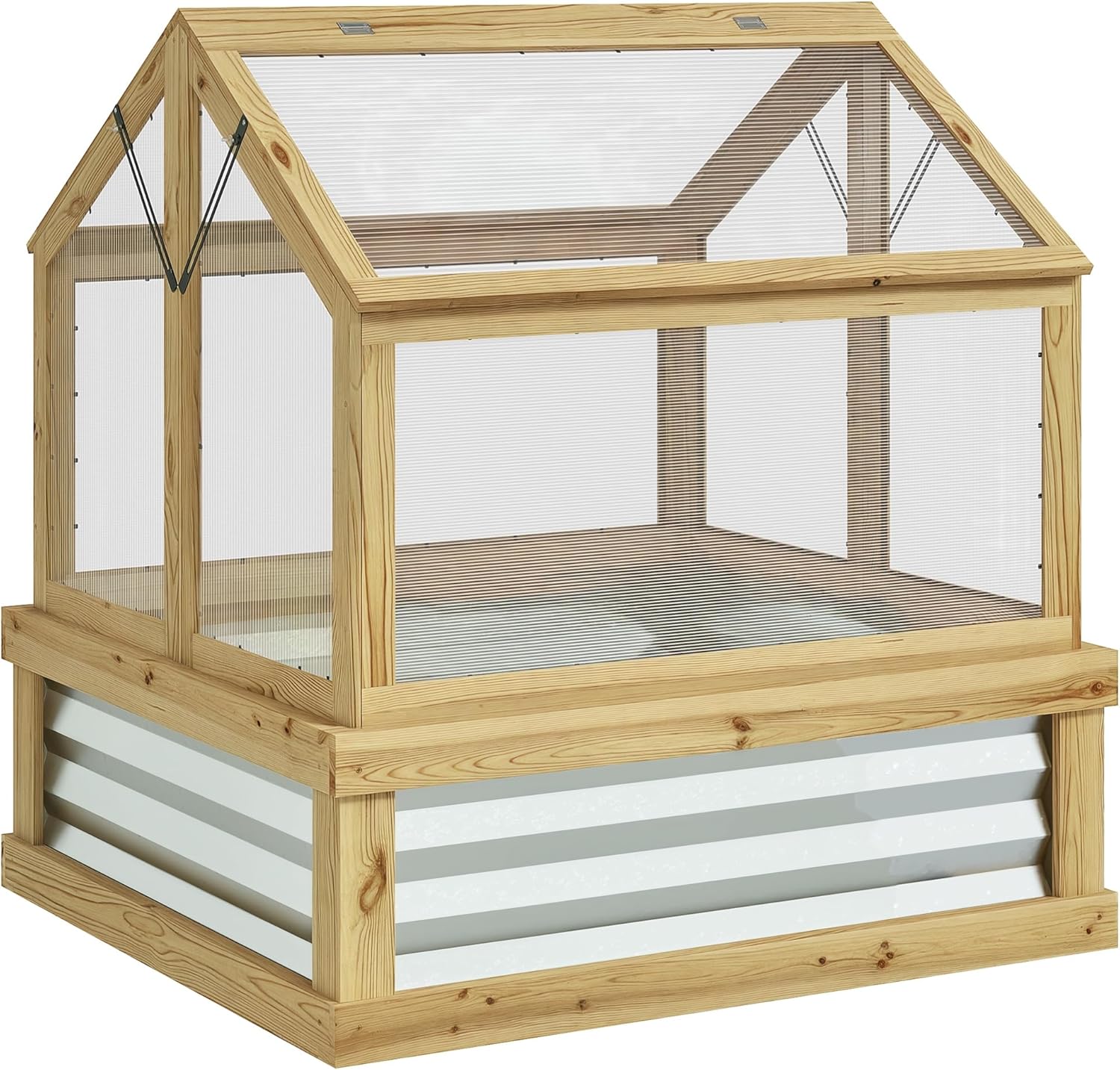
This Outsunny raised garden bed with cold frame greenhouse is a smart combo for gardeners wanting to shield plants from early frosts or late chills. At 35.5 inches wide by 31.5 inches deep, it suits small backyards, patios, or even balconies where space is tight. Beginner veggie growers or herb enthusiasts will appreciate how it extends the season for tomatoes, lettuce, and basil.
Key features shine in real gardens: the twin-wall polycarbonate cover blocks wind, rain, and critters while diffusing light evenly. The openable roof vents excess heat and humidity, preventing mold, and the peaked design keeps rain from pooling. Users report thriving seedlings inside, making it a practical step up from basic cloches.
Built with stained fir wood and galvanized steel, it holds up decently outdoors but demands care. The wood is lightweight yet can split if screws go in without pre-drilling, as noted by several gardeners. It's not heirloom tough, but for seasonal use, it performs reliably in mild climates.
Limitations include tricky assembly and softer wood that might warp over multiple winters. Still, for spot protection in a kitchen garden, it's a winner. Pair it with quality soil and mulch for best results; we recommend it for starting small crops without breaking the bank.
Fill the 12-inch deep bed with a mix of 60% topsoil, 30% compost, and 10% perlite for optimal drainage and nutrients in this raised garden bed.
- Plant cool-season veggies like lettuce, spinach, or radishes 4-6 inches apart for best airflow.
- Start seeds indoors then transplant under the cold frame for frost protection.
- Water deeply but infrequently; the raised design prevents soggy roots.
- Fertilize every 4 weeks with organic fish emulsion to boost growth.
Monitor soil pH at 6.0-7.0 for thriving herbs and flowers.
Maximize this cold frame greenhouse by opening the roof on warm days to vent heat above 75°F and closing it at night for insulation.
- Position in full sun for 6+ hours daily to capture maximum light through polycarbonate panels.
- Lift the frame off the bed easily for harvesting or deep weeding.
- Clean panels with mild soap quarterly to maintain light transmission.
- Use row covers inside during extreme cold for extra warmth.
Ideal for succession planting: refresh crops every 6-8 weeks.
Fir wood frame offers natural aesthetics and affordability over pricier cedar, but requires sealing annually for longevity.
- Polycarbonate vs. glass: Lighter, shatterproof, and better insulation with twin walls.
- Galvanized steel base: Rust-resistant base elevates bed without rot issues of pure wood.
- Vs. metal frames: Wood blends better in gardens but needs pilot holes to avoid splits.
For budget-conscious setups, it outperforms plastic cloches in durability.

Pros
- Excellent heat retention and humidity control for starting seeds early
- Back-saving height and easy-access hinged roof praised by users
- Attractive gray finish blends into backyard gardens
- Good customer service for replacements, per reviewer feedback
- Protects herbs and veggies from pests and weather effectively
Cons
- Soft fir wood prone to splitting without pre-drilled holes during assembly
- Lightweight frame can blow over in strong winds
- May require weighting down or anchoring for stability in exposed areas
This Outsunny raised garden bed with polycarbonate greenhouse is a compact cold frame perfect for urban gardeners or those with limited space. Measuring 48 inches wide by 24 inches deep and 32 inches tall, it suits beginners growing veggies, herbs, or flowers in small backyards, patios, or even asphalt areas.
Key features shine in real-world use: the open-bottom galvanized steel bed prevents waterlogging and supports long-root crops, while the fir wood frame and thick polycarbonate cover trap warmth, block UV and pests, and include a vented hinged roof to avoid overheating. Users love how it kickstarts spring planting and extends fall harvests, with easy access for daily care.
Build quality is functional for the price but shows limitations outdoors; the stained wood holds up in mild weather, yet soft material splits easily if not assembled carefully, and high winds can topple it without anchors. Durability improves with slow screwing and added weights, as shared by satisfied reviewers.
Overall, it's a solid choice for season extension if you prioritize ease over heavy-duty strength. Pair it with rich soil for thriving plants, and it becomes a backyard game-changer for practical gardening.
Fill the raised bed with a mix of 60% topsoil, 30% compost, and 10% perlite for optimal drainage and nutrients in this cold frame setup.
- Plant cool-season crops like lettuce, spinach, and radishes directly in fall or early spring under the cover.
- Start seeds indoors then transplant tomatoes, peppers, or herbs for a head start.
- Avoid overpacking; space plants 6-12 inches apart for airflow.
- Water deeply but infrequently, as the greenhouse locks in moisture.
Monitor soil pH at 6.0-7.0 for best veggie yields in raised beds.
Assembly takes 1-2 hours; go slow on soft wood screws to avoid splits, and use a drill bit slightly smaller than screws.
- Pre-drill holes if needed for snug fits.
- Anchor the base with stakes or bricks in windy spots.
- Clean polycarbonate panels with mild soap annually to maintain clarity.
- Store disassembled in winter or cover for longevity.
- Prop open roof daily in warm weather for ventilation.
Regular checks prevent common issues like wood rot from excess moisture.
This Outsunny model stands out for its integrated raised bed versus standalone frames, ideal for no-dig setups.
- Vs. plastic domes: Fir wood frame offers better insulation but less portability.
- Vs. full greenhouses: Compact size fits small yards, though less space for mature plants.
- Vs. metal frames: Polycarbonate is clearer for light but wood needs weatherproofing.
Best for short-season growers seeking affordability over industrial strength.
Buying Guide for Best Garden Houses With Gable Roof
Size and Space Considerations
Think about how much room you have and what you’ll grow inside your garden house. Compact models like the Ohuhu Mini Greenhouse suit balconies or small patios, offering tiered shelves for seedlings and herbs without overwhelming tight spaces. Larger walk-in options, such as the Aoxun 6×12 FT Wooden Greenhouse, provide standing height and room for taller plants or tool storage, ideal for bigger backyards.
Measure your spot first, leaving at least 2 feet around for access and airflow. For veggies needing deeper roots, pair with raised beds like the Outsunny models. Gardeners tip: Start small if you’re new, then upgrade as your collection grows. This prevents overcrowding and makes maintenance easier year-round.
Material Durability and Weather Resistance
Gable roof garden houses shine with materials built for outdoors. Polycarbonate panels, seen in the U-MAX 6×7 FT Wood Greenhouse, diffuse light evenly while blocking UV rays and insulating against cold snaps. Cedar or fir wood frames, like in the MCombo Wooden Greenhouse, resist insects and rot when treated properly.
Steel or aluminum frames add rust resistance, crucial in humid or rainy areas. Look for electrophoresis-treated tubes or reinforced ridges to handle wind. Pro advice: Anchor with stakes or weights, especially in windy spots, to keep your structure secure through storms.
| Material | Pros | Best For |
|---|---|---|
| Polycarbonate Panels | UV protection, insulation | Seed starting, all seasons |
| Cedar Wood | Insect resistant, aesthetic | Long-term backyard use |
| Aluminum Frame | Rust-proof, lightweight | Easy setup in varied weather |
Ventilation and Temperature Control
A gable roof naturally promotes airflow, but adjustable vents take it further. Models like the FLY BY YAN 6×6 FT Greenhouse have roof vents and lockable doors to regulate humidity and prevent overheating. The Aoxun features auto-adjusting rods that open at high temps, keeping plants happy without constant monitoring.
For gardeners, this means healthier growth and less disease. Open vents on warm days and close for frost. Tip: Add fans or hooks for grow lights inside spacious units like the Soligel 6x10FT for year-round use.
Stability and Assembly Ease
Wind can topple flimsy sheds, so prioritize reinforced designs. The Ohuhu uses fixing buckles and bottom bags for weights, while larger ones like the LUXOAK 13×15 FT Gazebo employ expansion screws into concrete. Gable roofs distribute snow load better, reducing collapse risk.
Most assemble tool-free in hours, with pre-cut panels speeding things up. Garden hack: Assemble on a calm day with a helper, and use the included anchors. Check our Outdoor Storage & Housing category for more stable options.
Roof Design and Light Transmission
The gable roof on these garden houses slopes to shed water and snow, preventing pooling. Paired with clear panels, like in the Outsunny Raised Garden Beds, it maximizes sunlight while protecting from hail. Double-layer roofs in minis add versatility for rain or ventilation.
Choose 90% light-transmissive covers for blooming plants. Real-world tip: Position east-west for even light, and clean panels seasonally to maintain growth rates.
Additional Features for Gardeners
Shelves, hooks, and doors make daily care simple. The U-MAX offers modular shelves holding 50lbs each, perfect for pots. Lockable doors deter critters, as in the FLY BY YAN models.
For multi-use, some double as storage. If scaling up, see tiny house kits for backyards in our collection.
Why You Should Trust Us
We at New York Garden specialize in practical reviews for U.S. gardeners and homeowners. Our team analyzes product specs, user feedback patterns, and real-world gardening needs to bring you honest comparisons. We prioritize features like gable roof performance in rain-prone areas and ventilation for humid climates, without fluff.
Transparency is key: We draw from extensive data on durability and usability, focusing on what helps your lawn and patio flourish. No paid promotions here, just gardener-approved insights tailored to your setup. Browse our Garden Houses page for more.
Final Thoughts
After diving into these 10 garden houses with gable roofs, our overall favorite is the Aoxun 6×12 FT Wooden Greenhouse. Its cedar frame, auto-vent, and spacious walk-in design offer top-tier protection and convenience for serious gardeners starting veggies early or overwintering perennials.
For best value on a budget, go with the Ohuhu Mini Greenhouse. Its portable tiers, screen roof, and stability features make it ideal for beginners or small patios, delivering big protection without complexity. If space is tight, the Outsunny Raised Garden Bed with Polycarbonate Greenhouse excels, combining planting and shelter in a compact footprint perfect for herbs and flowers.
Whichever you choose, a gable roof garden house will boost your gardening success. Pair it with anchors for longevity, and check related guides like tiny house kits for DIY builders for bigger projects. Happy planting!
FAQs
What makes a gable roof ideal for Best Garden Houses with Gable Roof?
Gable roofs slope on both sides to efficiently shed rain, snow, and debris, preventing leaks and weight buildup. This design enhances stability in wind and allows better ventilation, crucial for plant health in Best Garden Houses with Gable Roof. Gardeners love how it mimics traditional sheds while optimizing light and air.
Do I need a foundation for my Best Garden Houses with Gable Roof in 2026?
Not always, but level ground with gravel helps drainage and stability. Smaller units like minis sit on patios; larger wooden ones benefit from concrete anchors. Check local codes, and use included stakes for quick setups.
How do I maintain a Best Garden Houses with Gable Roof through seasons?
Clean panels with mild soap quarterly, tighten anchors after storms, and adjust vents for temps. In winter, clear snow from the gable roof promptly. Regular checks extend life, keeping your plants protected year-round.
Can Best Garden Houses with Gable Roof handle heavy snow or wind?
Reinforced models with gable roofs and sturdy frames withstand 60mph winds and 6-inch snow, per specs. Add weights or screws for extras. Choose polycarbonate over glass for shatter resistance in harsh weather.
Are Best Garden Houses with Gable Roof good for seed starting?
Yes, they trap heat and humidity ideal for germination. Vents prevent overheating, and shelves organize trays. Start seeds months early, then harden off outside for stronger plants in your garden.




Write Your Review
No reviews yet. Be the first to share your experience!